
Research article · 2022 · Full text
International Journal of Advanced Biochemistry ResearchStudy of serum levels of trace elements in chronic liver disease
Volume 6(1) · Pages 67–73 · DOI: 10.33545/26174693.2022.v6.i1a.91 ↗
Research areasTrace Elements in HealthLiver Disease Diagnosis and Treatment
Abstract
Author-writtenIntroduction: Trace elements play crucial roles in the maintenance of health, since they are involved in many metabolic pathways. Liver largely regulates most of the metabolism of trace elements. A deficiency or an excess of some trace elements, including zinc, copper and magnesium frequently causes some metabolic disorders. Thus, the administration or depletion of these trace elements can improve metabolic disorders and liver dysfunction.Objective: The purpose of this study was to evaluate the relationship between serum trace elements with liver function tests among chronic liver disease (CLD) patients.Material and Methods: The study was carried out from January to December 2021 in Department of Biochemistry, Teerthanker Mahaveer Hospital, and Moradabad. 100 subjects, 50 patients with chronic liver disease and 50 healthy controls were included. Serum copper (Cu), zinc (Zn), magnesium (Mg) concentration were measured by using automated method.Results: Serum Cu was significantly higher in the CLD group that in the control group (p< 0.001), whereas serum Zn and Mg were significantly lower in the CLD than that in the control group (p< 0.001 and p< 0.05) respectively. Serum Cu was significantly positively correlated with serum total, direct & indirect bilirubin, SGOT and GGT. However, serum Zn and Mg were correlated negatively with SGPT and ALP respectively (p< 0.001 for all).Conclusion: Increasing liver dysfunction alters the metabolism of trace elements towards excess of copper and deficiency of zinc and magnesium. Supplementation of zinc, magnesium and reduction of copper intake would delay the progression of chronic liver disease and can improve survival of patients.
Summary
Source-checkedPlain-language reading of the full paper, prepared with AI and checked against the text. Each point links to the authors' own words.
Why it matters
- Trace elements are essential for maintaining health through various metabolic pathways, and the liver is the primary organ regulating their metabolism. View evidence ↗
- Imbalances in trace elements such as zinc, copper, and magnesium can lead to metabolic disorders. View evidence ↗
- Chronic liver disease (CLD) is characterized by the gradual breakdown of liver tissue over time. View evidence ↗
The question
- The study aimed to evaluate how serum levels of trace elements relate to liver function tests in patients with chronic liver disease. View evidence ↗
What they did
- The study included 100 participants, consisting of 50 patients with chronic liver disease and 50 healthy controls. View evidence ↗
- Automated methods were used to measure the concentrations of serum copper, zinc, and magnesium. View evidence ↗
- The research was conducted between January and December 2021 at Teerthanker Mahaveer Hospital in Moradabad. View evidence ↗
- Data analysis involved calculating means and standard deviations, using independent student's t-tests for comparisons, and Pearson's coefficient for correlations. View evidence ↗
What they found
- Serum copper levels were significantly higher in CLD patients (126.68±29.51 µg/dl) compared to healthy controls (87.45±16.68 µg/dl). View evidence ↗
- Serum zinc levels were significantly lower in CLD patients (57.80±12.21 µg/dl) than in healthy controls (68.87±5.87 µg/dl). View evidence ↗
- Serum magnesium levels were significantly lower in CLD patients (1.25±0.61 mEq/L) compared to healthy individuals (1.48±0.40 mEq/L). View evidence ↗
- Serum copper showed strong positive correlations with liver damage indicators SGOT (r=0.841) and GGT (r=0.809). View evidence ↗
What it means
- The authors conclude that increasing liver dysfunction leads to an excess of copper and a deficiency of zinc and magnesium. View evidence ↗
- The authors recommend zinc and magnesium supplementation in cirrhotic therapy and suggest these elements could serve as sensitive markers for liver cirrhosis. View evidence ↗
Visual summary
1 visualsIllustrations explain the paper; they do not show study data.
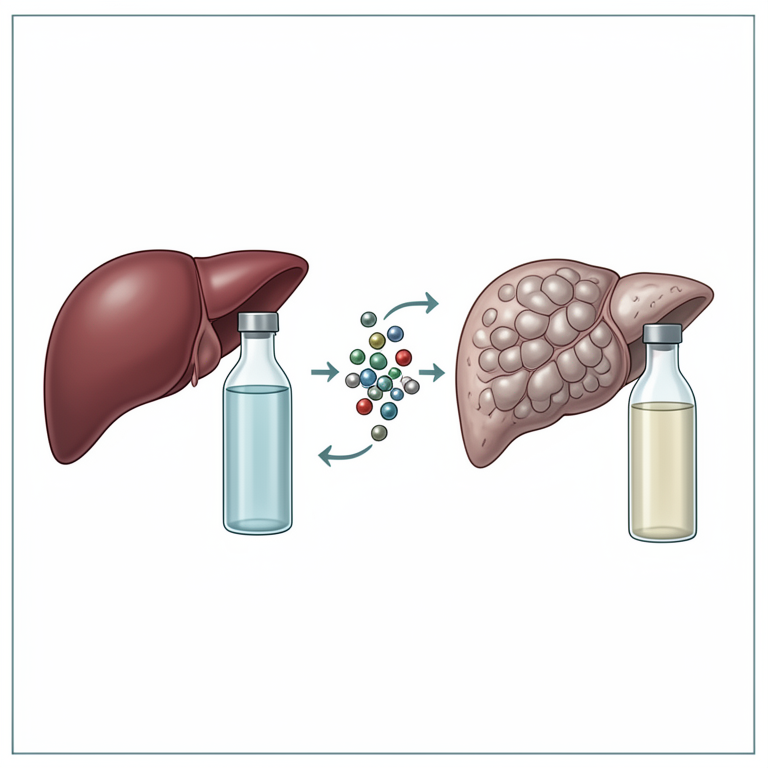
Trace Element Shift in Liver Dysfunction
AI-generated conceptual illustration (human liver and blood serum). It explains the idea and does not show study data.
View source evidence ↗Figures & tables
From the original paper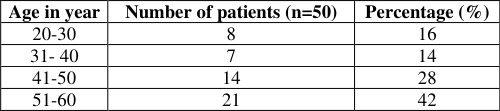 Table 1
 Table 2
 Table 3
 Table 4
 Table 5
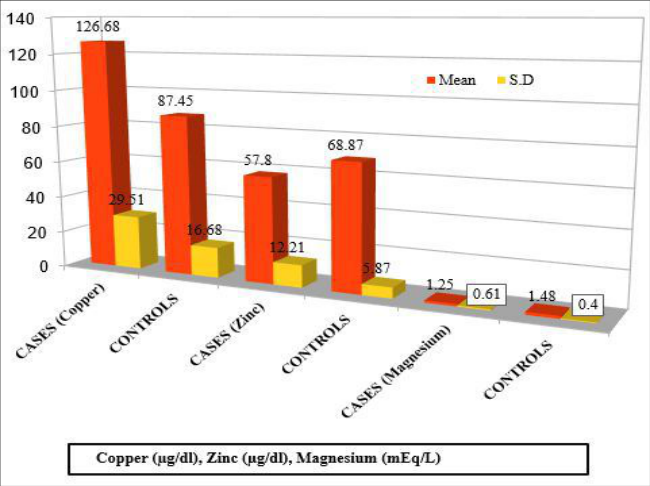 Figure 1
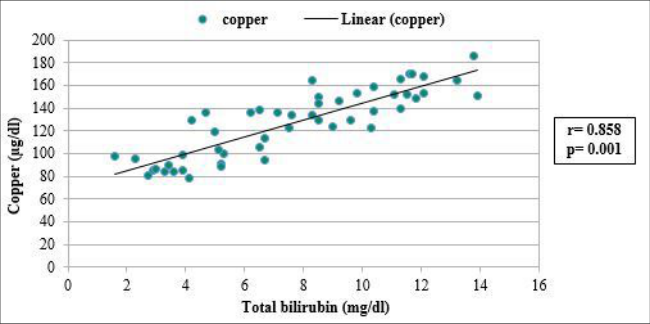 Figure 2
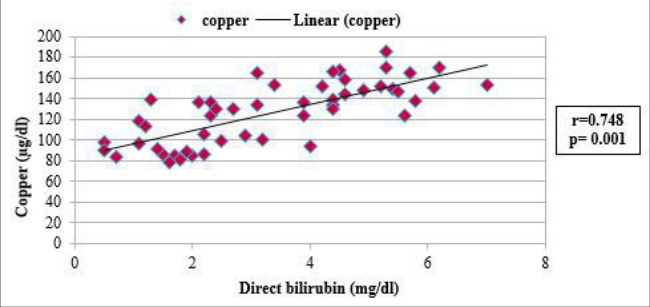 Figure 3
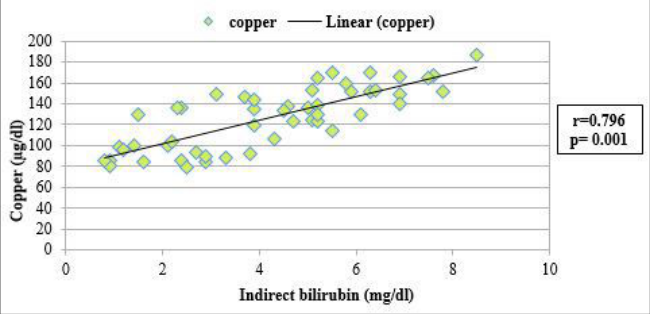 Figure 4
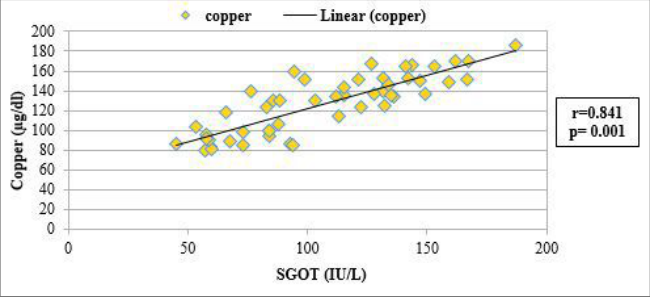 Figure 5
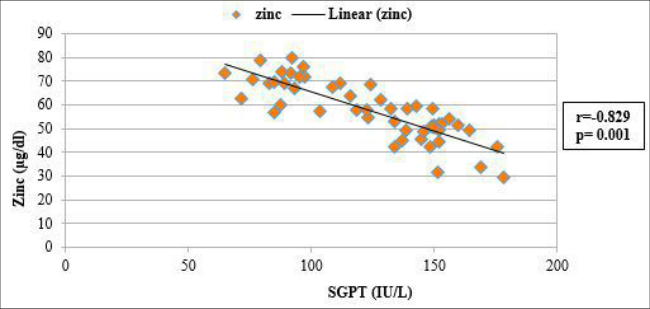 Figure 6
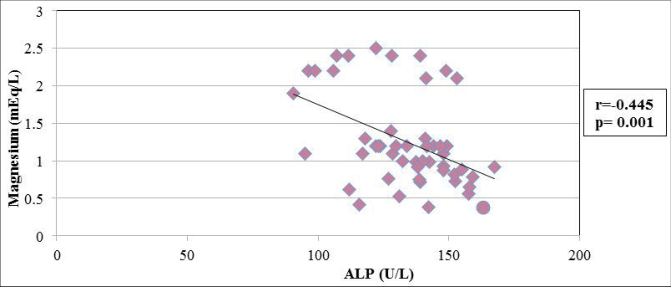 Figure 7
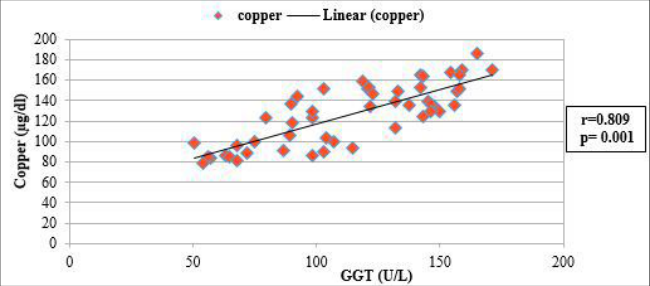 Figure 8
Introduction
Liver is a vital organ that contributes to the metabolic process, immune responses as well as the production of complex compounds. It also regulates the transportation and distribution of trace elements [1] . Chronic liver disorders occur due to the slow breakdown through time of liver tissue (CLD) [2] . Infectious, autoimmune, metabolic, vascular, medicines and carcinogens as well as undiscovered etiologies, can all cause them. Cirrhosis and eventually, liver failure are common complications of CLDs. Moreover, the liver is important in the regulation of trace element bioavailability, tissue distribution and toxicity as well as the metabolic pathway & transport. It also plays role crucial in the bile production process that is how trace elements are excreted [3] . Chemical elements that are required in minute amounts for appropriate growth, development and physiological activities of the organism are known as trace element. By binding to plasma proteins the duodenum or jejunum absorbs trace elements which then pass out through the portal circulation. These trace elements are distributed to tissues and organs based on their needs. The liver is in process of producing proteins that are linked to a variety of elements such as copper and zinc in order to transport or distribute them. Alteration in trace element levels, whether due to deficiency or excess have a significant impact on several biological systems. In a few studies, trace elements such as Zn, Cu & Mg also were shown to have important protective or stimulating effects on the course of CLD [4] . Zinc is a trace substance which plays a function in a variety of physiological activities. It is the body second most prevalent trace element and has a major antioxidant and antiinflammatory effects.
It is necessary for tissue formation as well as tissue healing mechanism [5] . Zinc decreases the risk of carcinogenesis and it protects cells against the effects of oxidative stress. Also, it is a component of superoxide dismutase, a free radicalremoving enzyme [6] . Zn is well known for its ability to protect cells against oxidative damage, apoptosis and inflammation [7] . As a result, Zn deficiency can cause the generation of reactive oxygen species which can lead to liver inflammation. Zn has been suggested as being the most efficient chemical antagonist for propyl hydroxylase a collagen-forming activator. Zn through activating the collagenase enzyme, a Zn metalloenzyme promotes in the degradation of collagen and the prevention of liver fibrosis [8] . Another critical trace element, copper is involved in a variety of enzymatic and redox processes. Ceruloplasmin is a copper transporter that is produced in the body and is involved in a rapidly progressive reaction. It has an effective role in hemoglobin synthesis increased iron absorption and phospholipids synthesis. However, in excessive doses it is extremely toxic and can cause cellular damage [9] . Copper insufficiency can cause a change in mitochondrial structure, resulting in a reduction in fatty acid beta-oxidation. In patients with NAFLD, these occurrences can have an impact on hepatic lipid deposition. The increased copper level was thought to affect the liver parenchyma through lipid peroxidation which could lead to cell membrane malfunction, decreased fluidity, enzyme deactivation & ion permeability alterations [10] . Magnesium, a trace element is the body's commonest intracellular ion and fourth most abundant cation. It may be found in the nucleus, cytoplasm, mitochondria & endoplasmic reticulum and is detected in almost every organ of the body [11] . Magnesium is found to be linked to over 300 enzymatic activities including immunoglobin formation, adhesion of resistant cell, cytolysis of antibody & others. Low magnesium levels in serum and liver tissue on the other hand can prolong the progression of these disorders by disrupting mitochondrial function, inflammatory responses or metabolic abnormalities, according to findings from a study. Magnesium supplementation can also improve liver function in patients with certain liver disorders [12] . Alcohol has been shown to disrupt brain, skeletal muscle, heart and liver all have Mg transport and homeostasis. It was found that every 100 mg increase in magnesium consumption is linked to a 49% reduction in the chance of death from all liver disorders [13] . Patients with liver cirrhosis had considerably lower muscle strength and Mg, suggesting that it could play a role in hepatic encephalopathy and muscle cramps [14] . The role of copper, magnesium & Zinc in various liver diseases is less known, despite of our knowledge about the role of Zn and Mg in humans. The data that are available from previous studies is insufficient to reach a definitive conclusion on the relationship among serum copper, magnesium and zinc with chronic liver disease patients. Thus, as per evidences from above statements trace elements might also be changed as a consequences of the liver enzymes. Therefore, the current study is directed to investigate the levels of trace elements (Zn, Cu and Mg) in serum & also compare the results with that of normal healthy controls.
Materials and Methods
The study was done in the Department of Biochemistry, Teerthanker Mahaveer College & Research Center General Medicine OPD in Moradabad, Uttar Pradesh from January 2021 to December 2021. Total 100 subjects were selected and divided into two groups. Group I included 50 diagnosed cases with chronic liver disease. The subjects were in the age group of 20 to 60 years, including both males and females [15] . Group II included 50 age sex-matched healthy control subjects. Informed written consent was obtained from all the participants under study. The study was approved by the Institutional Ethical Committee of the university TMU/IEC/20-21/100. After an overnight fasting 12hrs, a blood sample (8 ml) was obtained from all subjects & dispensed into plain vials under proper aseptic conditions. After centrifugation 3000 RPM for 5 min, a serum sample was used for analysis of serum copper, serum zinc, serum magnesium and serum liver profile by different methods.
Exclusion criteria
Malignancy, Diabetes mellitus, Pregnancy, Renal failure, Drugs affecting levels of trace elements e.g. corticosteroids, digoxin thiazide, diuretics & others and past history of severe liver disorders were exclusion criteria [15] . Trace elements (serum copper, zinc & magnesium) was estimated by following methods: Copper and zinc serum levels were estimated by Colorimetric Method [16] . Calmagite technique was used to estimate serum magnesium [17] . The Diazo technique was used to calculate total and direct bilirubin [18] . Serum glutamate pyruvate transaminase (SGPT/ALT) & Serum glutamate-oxaloacetate transaminase (SGOT/AST) were estimated by IFCC method [19] . Serum ALP and GGT estimated by the Kinetic method [20] .
Statistical analysis
Statistical analysis
Results
The results of the measured by different biochemical parameters in the research were listed below for chronic liver disease patients and controls. We found in our study that the largest number of chronic liver disease patients belongs to 51-60 years age group. In this study, we found that 64% of patients were males and 36% were females with chronic liver disease patients. This shows that males are more susceptible to chronic liver disease than females. The copper levels in chronic liver disease (126.68±29.51 µg/dl) were statistically significantly higher than found in healthy controls (87.45 ±16.68 µg/dl), p<0.001. When compared to the mean values measured in controls (68.87±5.87 µg/dl), the mean levels of serum zinc (57.80 ±12.21 µg/dl) were statistically consistently lower in chronic liver disease (p<0.001). The magnesium serum levels in chronic liver disease (1.25±0.61) mEq/L were significantly lower than in healthy individuals (1.48±0.40) mEq/L, p<0.05.
Discussion
Infectious, metabolic, autoimmune, genetic, and druginduced etiologies all have a role in chronic liver illnesses. Many of these disorders have similar symptoms and early laboratory findings, but only specialist laboratory testing and a thorough inspection of the liver tissue may provide a definitive diagnosis. For hepatic disorders, a variety of biochemical measures are frequently monitored, including TB, DB, INB, SGOT, SGPT, GGT & ALP [21] . Trace elements, particularly those with antioxidant system, such as Zn, and those with redox properties, like Cu and Mg. Copper has a vital function in pathological development of CLD and Mg balance can be distributed in numerous physiological and pathological processes can be caused by a variety of conditions and differences in magnesium content. Variation in trace elements level either by deficiency or excess greatly affects different body systems. Trace element such as magnesium, copper and zinc has essential protective or promoting effects of CLDs [22] . In present study, we included various measured parameters and found that the serum total bilirubin, serum direct bilirubin and serum indirect bilirubin was 7.60±3.42 mg/dl, 3.36±1.74 mg/dl and 4.22±2.08 mg/dl respectively in chronic liver disease patients, which is found to be statistically higher than the mean values of their respective controls (0.74±0.14) mg/dl, (0.21±0.08) mg/dl and (0.53±0.10) mg/dl (p<0.001). Also, we found that the serum levels of SGOT, SGPT, ALP and GGT was 107.12±36.49IU/L, 123.74±30.66IU/L, 133.77±18.66U/L and 114.15±34.87U/L in CLDs patients 27.25±5.58IU/L, 30.66±5.20IU/L, 84.52±20.51U/L and 49.38±9.33U/L were in the healthy controls respectively. This signifies increased in the SGOT, SGPT, ALP and GGT in CLDs cases as comparison to individuals (p<0.001). The main prospective of our study was to compare the levels of Cu, Zn & Mg in patients of chronic liver diseases to healthy controls. The serum concentration of copper between the cases and controls was 126.68±29.51 µg/dl and 87.45 ± 16.68 µg/dl. It has been evident that raised levels of serum copper was observed in chronic liver disease patients as compared to their controls and their statistically, the relationship was shown to be statistically significant (p<0.001).
The same observation were also witnessed by Ali NM et al. who found that elevated level of serum copper was found in cases than healthy controls. This can be explained as copper serve as a cofactor in the production of collagen, which helps to prevent hepatic fibrosis in chronic liver disease [23] . In corresponding based on our findings, Attia AM et al. 2018 [24] it was determined that as liver disease progressed, serum copper levels increased significantly. Nangliya et al. 2015 [25] showed an increasing concentration of copper with liver disease severity when compared to early stage cirrhosis, which is consistent with evidence. In accordance Kar K 2014 et al. [26] , one probable reason for increased copper concentration may occur by increased uptake from the gut, Copper reserves are released as a result of decreased liver excretion and tissue breakdown. The next parameter of our study, serum zinc has shown the mean values of serum Zn as 57.80 ± 12.21 µg/dl in patients of CLDs and in controls were 68.87± 5.87 µg/dl and signifies statistically lower levels as compared their healthy subjects (p<0.001). These also matched with study of Atia F et al. 2012 [27] they determined that healthy patient's levels of zinc were slightly reduced in healthy patients. They suggested that Zn supplementation could reduce inflammation and contribute to faster illness resolution in cirrhotics due to lower serum Zn levels. Similar observations were also integrated with the studies carried out by, Suneel et al. 2012 [28] and Reddy et al. 2012 [29] who noted it as well, serum Zn levels were found in cases as compared to controls. They went on to suggest that when liver cells are damaged or inflammation, they take up more Zn in order to synthesise Zn-related enzymes, nucleic acid, protein, and nucleic acid-related enzymes. As the damage to the liver progresses, Zn intake and absorption decreases as a result of reduced appetite, impaired high portal vein flow, as well as intestinal and gastric function. As a result, there is less association with Zn, and it is quickly removed through renal excretion due to the diffusion characteristic of blood Zn. Moreover, the serum magnesium levels were measured in the present investigations in CLDs patients was found to be 1.25±0.61 mEq/L and 1.48 ± 0.40 mEq/L in healthy controls which is statistically significantly lower in the CLDs as comparisons to healthy controls (p<0.05) [28,29] . In the same direction low serum magnesium levels were shown to be frequent in CLD & cirrhosis. So they further determined that magnesium treatment might be helpful to improve hepatic enzyme levels [30] . Also, Ahad E et al. 2018 [31] Low serum magnesium levels were found to be due to lowered magnesium nutritional intake and elevated magnesium excretion due to decreased plasma albumin levels, administration of magnesiuric thiazides (furosemide), poor magnesium absorption in the distal jejunum, and the indirect effect of alcohol on renal tubules. According to Saxena et al. 2012 [32] blood Mg concentration was substantially (p<0.001) lower patients in liver cirrhosis (0.85±0.17mg/dl) than in healthy controls (1.36±0.40mg/dl) in comparison to healthy controls. Magnesium may be useful as a sensitive indication of liver disorders such as cirrhosis. Rahelic et al. 2006 [33] found similar results in their investigation, with Mg serum levels in patients of liver cirrhosis rising as compared to healthy subjects (p=0.132). Magnesium concentrations was higher in individuals with severe liver disease, according to the researchers, probably due to extensive intrahepatic and portosystemic shunting. As a result, in light of the preceding remark, to prevent magnesium deficiency, Mg is among the elements that should be given special attention in cirrhosis treatment and it could be employed as a sensitive biomarker of cirrhosis. A daily basis magnesium measurement in liver cirrhosis patients may be useful in developing a care routine to slow disease progression and avoid serious health problems. Moreover, in our study, we also correlated the different liver enzymes and trace elements (serum copper, serum zinc and serum magnesium) respectively among chronic liver disease patients by using Pearson's correlation coefficient. (In Table : 5, Figure 2345678).
In the present study, we observed that there is no correlation found between the serum total bilirubin, direct bilirubin, indirect bilirubin with zinc and serum magnesium levels in each case of chronic liver disease. Interestingly, in the present study, we found that the serum copper with serum SGOT (r=0.841) and serum Cu with serum GGT (r=0.809) are both strongly positively correlated with biochemical indicators of liver damage. Furthermore, there is a strongly negative connection between serum zinc and serum SGPT (r=-0.829, p<0.001). Additionally, serum magnesium has a negative relationship with serum ALP (r=-0.494, p<0.001).
In the present study, serum Cu was significantly positively correlated with Total bilirubin, direct bilirubin, indirect bilirubin, SGOT, GGT. (P<0.001 for all). In addition, there was a negatively correlation of serum zinc and the biochemical parameter of liver damage (SGPT, p<0.001) the metabolism of excess copper is highly poisonous and causes cellular damage. It can attach to proteins and nucleic acids, causing lipid and protein oxidation by increasing the generation of harmful oxidative stress. Our results for serum Cu and markers of liver damage, such as liver enzymes, were similar to those of other researchers. It was also reported that serum Cu was positively associated with SGOT, SGPT, GGT and total and direct bilirubin (p<0.01 for all) and the serum Zn was linked negatively with SGOT and SGPT (P<0.01 for both) [34] . However, Ibrahim NL et al. found that the following measures had a positive connection with serum copper: serum GGT, SGOT, and SGPT, total and direct bilirubin (p<0.01). Serum Zn, on the other hand, had a negative connection with the following parameters: SGOT and SGPT (p<0.01) [35] . According to the findings of the current investigation, trace element abnormalities may indicate liver disease. As a result of our findings, we suggest that liver dysfunction can affect trace element metabolism and that supplementing trace elements can help to delay or prevent the complications of chronic liver disease.
Conclusion
The elevation of Cu in chronic liver disease may cause liver dysfunctions which alters the metabolism of trace elements. Therefore, dietary or therapeutic Cu intake, should be sufficient with chronic liver disease patients while lower levels of Zn & Mg levels have been linked to an increase in the severity of cirrhosis. As a result, supplementation with Zn & Mg should be included among the micronutrients that are given special attention in cirrhotic therapy to avoid Zn & Mg shortage and could be utilized as a sensitive marker of cirrhosis of the liver. Screening of serum Cu, Zn & Mg in individuals with liver disease may be useful in the development of a treatment strategy to slow disease development and prevent serious health problems.
Acknowledgement
AcknowledgementI am grateful to all the faculty members and technical staff of Biochemistry department and laboratory for their kind International Journal of Advanced Biochemistry Research support.
Figures and tables from the paper
| Age in year | Number of patients (n=50) | Percentage (%) |
|---|---|---|
| 20-30 | 8 | 16 |
| 31- 40 | 7 | 14 |
| 41-50 | 14 | 28 |
| 51-60 | 21 | 42 |
Table text extracted from the original PDF; superscript letters are shown inline. The original table image is below.
View original table image
| Gender | Number of patients (n=50) | Percentage (%) |
|---|---|---|
| Male | 32 | 64 |
| Female | 18 | 36 |
Table text extracted from the original PDF; superscript letters are shown inline. The original table image is below.
View original table image
| Parameters measured | Cases Mean ± S.D (n= 50) | Controls Mean ± S.D (n= 50) | p-value |
|---|---|---|---|
| Age (years) | 44.88±11.39 | 43.32±10.16 | 0.472 |
| Total bilirubin (mg/dl) | 7.60±3.42 | 0.74±0.14 | <0.001*** |
| Direct bilirubin (mg/dl) | 3.36±1.74 | 0.21±0.08 | <0.001*** |
| Indirect bilirubin (mg/dl) | 4.22±2.08 | 0.53±0.10 | <0.001*** |
| SGOT (IU/L) | 107.12±36.49 | 27.25±5.58 | <0.001*** |
| SGPT (IU/L) | 123.74±30.66 | 30.66 ±5.20 | <0.001*** |
| ALP (U/L) | 133.77±18.66 | 84.52±20.51 | <0.001*** |
| GGT (U/L) | 114.15±34.87 | 49.38±9.33 | <0.001*** |
Table text extracted from the original PDF; superscript letters are shown inline. The original table image is below.
View original table image
| Trace elements | Patients Mean ± S.D (n= 50) | Controls Mean ± S.D (n= 50) | p-value |
|---|---|---|---|
| Copper (µg/dl) | 126.68±29.51 | 87.45 ± 16.68 | <0.001*** |
| Zinc (µg/dl) | 57.80 ± 12.21 | 68.87± 5.87 | <0.001*** |
| Magnesium (mEq/L) | 1.25±0.61 | 1.48 ± 0.40 | <0.05* |
Table text extracted from the original PDF; superscript letters are shown inline. The original table image is below.
View original table image
| Trace Elements | — | Total bil. | Direct bil. | Indirect bil. | SGOT | SGPT | ALP | GGT |
|---|---|---|---|---|---|---|---|---|
| Copper | Pearson Correlation | 0.858 | 0.748 | 0.796 | 0.841 | 0.023 | 0.009 | 0.809 |
| p-value | <0.001*** | <0.001*** | <0.001*** | <0.001*** | 0.874 | 0.949 | <0.001*** | |
| Zinc | Pearson Correlation | 0.103 | 0.061 | 0.110 | -0.147 | -0.829 | 0.150 | 0.089 |
| p-value | 0.475 | 0.672 | 0.448 | 0.308 | <0.001*** | 0.299 | 0.537 | |
| Magnesium | Pearson Correlation | -0.174 | 0.109 | 0.203 | -0.026 | 0.102 | -0.445 | -0.068 |
| p-value | 0.227 | 0.452 | 0.157 | 0.857 | 0.480 | <0.001*** | 0.638 |
Table text extracted from the original PDF; superscript letters are shown inline. The original table image is below.
View original table image
References
32 in the original paper- Romani AM. Magnesium homeostasis and alcohol consumption. Magnesium Research. 2008;21(4):197204.
- Ibrahim NL. Study of serum copper and iron in children with chronic liver disease. Indian Journal of Clinical Anatomy and Physiology. 2013;4(1):1-15.
- Kolachi NF, Kazi TG, Afridi HI, Kazi NG, Khan S. Investigation of essential trace and toxic elements in biological samples of liver cirrhotic female patients before and after mineral supplementation. Clinical Nutrition. 2012;3(6):967-973.
- Goldhaber SB. Trace element risk assessment: essentiality vs toxicity. Regul. Toxicol. Pharmacology. 2003;38(2):232-42.
- Abdel-wahab R, Shehata S, Hassan M, Habra A, Eskandari G, Tinkey PT, et al. Type I insulin-like growth factor as a liver reserve assessment tool in hepatocellular carcinoma. Journal of Hepatocellular Carcinoma. 2015;18(2):131-142.
- Arain SA, Afridi HI, Kazi JG. Investigation of alteration in the levels of iron and copper in scalp hair samples of patients having different types of viral hepatitis. Biological Trace Element Research. 2016;156(1-3):5-11.
- Himoto T, Masaki T. Association between zinc deficiency and metabolic abnormalities in patients with chronic liver disease. Nutrients. 2018;10(1):1-17.
- Katayama K. Ammonia metabolism and hepatic encephalopathy. Hepatology Research. 2004;30:73-80.
- Ferenci P, Czlonkowska A, Stremmel W, Houwen R, Rosenberg W, Schilsky M, et al. European association for study of liver. EAS Clinical practice guidelines: Wilson's disease. Journal of Hepatology. 2012;56(3):671-685.
- Meng Z, Zhang Q. Oxidative damage of dust storm fine particles instillation on lungs, hearts and livers of rats. Environ Toxicol. Pharmacology. 2006;22(3):277-282.
- Laesson SC, Bergkvist L, Wolk A. Magnesium intake in relation to risk of colorectal cancer in women. Journal of the American Medical Association. 2005;93(1):8689.
- Liu M, Yang H, Mao Y. Magnesium and liver disease. Annals of Translational Medicine's. 2019;7(20):1-9.
- Wu L, Zhu X, Fan L, kabagambe KE, Song Y, Tao M, et al. Magnesium intake and mortality due to liver diseases: Results from the third national health and nutrition examination survey Cohort. Scientific Reports. 2017;7(1):1-6.
- Arain SA, Afridi HI, Kazi TG, Talpur FN, Shah F, Arain SS, Panhwar AH, Brahman KD. Investigation of alteration in the levels of iron and copper in scalp hair samples of patients having different types of viral hepatitis. Biological Trace Element Research. 2013;156(1-3):5-11.
- Gupta S, Singh H, Bairwa SK, Gupta VL. Correlation between Trace Metals (copper, zinc, Iron, selenium) levels and the severity of liver cirrhosis. International Journal of Medical Sciences. Edu. 2016;3(2):212-216.
- Gindler EM, King JD. Rapid colorimetric determination of calcium in biologic fluids with methylthymol blue. American Journal of Clinical Pathology. 1972;58(4):376-82.
- Young DS. Effects of drugs on clinical laboratory tests. Washington, DC: AACC Press. 1995;3(26):3-35.
- Tahir A, Malik FR, Ahmad I, Krishin J, Akhtar P. Aetiological Factors odd chronic liver disease in children. Journal of Ayub Medical College Abbottabad. 2011;23(2):12-14.
- Pereira D, Hessel G. Zinc deficiency in children and adolescents with chronic liver disease. Revista Paulista de Pediatria. 2009;27(3):322-328.
- Ali NM, Kader SI, Aldabagh MA. Serum levels of copper, zinc, Iron and Magnesium in Iraqi's patient with chronic Hepatitis C. Karbala Journal of Medicine. 2011;4(10):3-4.
- Attia AM, Attalla SM, Baraka EA, Zaki ME, Elkhouly NY. Role of Copper, Magnesium, and Zinc in Pathogenesis of Hepatocellular Carcinoma and Cirrhosis. Mansoura Journal of Forensic Medicine & Clinical Toxicology. 2018;26(2):53-65.
- Nangliya V, Sharma A, Yadav D, Sunder S, Nijhawan S, Mishra S. Study of trace elements in liver cirrhosis patients and their role in prognosis of disease. Biological Trace Element Research. 2015;165(1):35-40.
- Kar K, Dasgupta AM, Bhaskar V, Sudhaka K. Alteration of Micronutrient Status in Compensated and Decompensated Liver Cirrhosis. Indian Journal of Clinical Biochemistry. 2014;29(2):232-237.
- Atia F, Sultana N, Ahmed S, Ferdousi S, Sultana R, Atiquzzaman M. A study of serum zinc level in cirrhosis of liver. Bangladesh Society of Medical Biochemists. 2012;5(2):44-47.
- Suneel B, Balakrishna D, Sridhar M, Aparna RR, Sowjanya B. Zinc, copper, C-reactive protein and lipid peroxidation in chronic liver diseases. Biochemistry. 2012;13:313-319.
- Reddy NRP, Kishore A, Franklin A, Reddy EP. Evaluation of trace elements in hepatitis B. Journal of Pharmaceutical and Biomedical Sciences. 2012;21:1-3.
- Bemeur C, Butterworth RF. Nutrition in the management of cirrhosis and its neurological complications. Journal of Clinical and Experimental Hepatology. 2014;4(2):141-150.
- Ahad E, Saman N, Bita G, Seyed A. Serum magnesium concentration is independently associated with nonalcoholic fatty liver and non-alcoholic steatohepatitis. United European Gastroenterology Journal. 2018;6(1):97-103.
- Saxena T, Agarwal BK, Makwane HS, Kare P. Study of serum zinc and magnesium levels in patients of liver cirrhosis. Biomedical and Pharmacology Journal. 2012;5(2):327-331.
- Rahelic D, Kujundzic M, Romic Z, Brkic K, Petrovecki M. Serum concentration of zinc, copper, manganese and magnesium in patients with liver cirrhosis. Collegium Antropologicum. 2006;30(3):523-528.
- Ahmed AR, Gamal SR, Hatem AK, Ahmad MS, Ibrahim NL. Serum zinc, copper and iron in children with chronic liver disease. Egyptian Liver Journal. 2013;3(3):63-72.
- Ibrahim NL. Study of serum copper and iron in children with chronic liver disease. Anatomy and Physiology. 2013;4(1):1-15.
Cited by 1
From OpenAlex, OpenCitations and reference lists read by Scinovex
- Serum zinc and magnesium as trace elements in pediatric and adult patients with chronic liver disease ↗
Ayat I.M. Fera, Eman Elsaadany, Amal Mohammed Dwidar, Rania Mamdouh Elkafoury · Alexandria Journal of Pediatrics · 2025
Background Zinc and magnesium are essential components of the human body and are involved in over 300 enzymatic processes. The majority of trace element metabolism is largely regulated by the liver. Metabolic diseases are often caused by levels of certain trace elements, such as magnesium and zinc, either being too high or too low. Therefore, administering or reducing these trace…
❝ 0PDF