
Research article · 2022 · Full text
International Journal of Veterinary Sciences and Animal HusbandryArtificial insemination in cattle
Volume 7(1) · Pages 05–08 · DOI: 10.22271/veterinary.2022.v7.i1a.396 ↗
Research areasGenetic and phenotypic traits in livestock
Abstract
Author-writtenArtificial Insemination technology is one of the greatest technology developed in the field of Animal Husbandry which solves a lot of problems associated with the sexual mating of cattle. Artificial Insemination is the technique of fertilizing the female Cow artificially i.e., without physical mating of the Cow and bull. It is performed by injecting the semen of a bull directly into the Ractovagina of the cow. This technique not only prevents Sexually transmitted diseases but also at the same time provides maximum chances of fertilization with superior offspring. Although, the success rate of this technique is low in our Country due to lack of skilled personals and improper handling. Therefore, in this paper we have briefed about the need of Artificial Insemination in our Country along with its adequate procedure, equipments used and methods.
Summary
Source-checkedPlain-language reading of the full paper, prepared with AI and checked against the text. Each point links to the authors' own words.
Why it matters
- Natural mating in cattle is associated with higher risks of sexually transmitted diseases and lower conception rates. View evidence ↗
- Artificial Insemination (AI) is considered a major technological advancement in animal husbandry because it addresses the problems of natural mating. View evidence ↗
- AI helps prevent sexually transmitted diseases and increases the likelihood of fertilization and the production of genetically superior offspring. View evidence ↗
The question
- The authors aim to provide a brief overview of the necessity of AI, the required equipment, and the proper procedures for its implementation. View evidence ↗
What they did
- An artificial vagina used for semen collection utilizes hot water up to 60 °C to maintain an inner lining temperature of 40-45 °C. View evidence ↗
- Frozen semen straws are defrosted in a thaw bath of warm water (35 to 38 °C) for approximately 40 seconds. View evidence ↗
- Semen straws are stored in liquid nitrogen tanks and frosted until they reach a temperature of 320 °F. View evidence ↗
What they found
- While the estrous cycle (heat) in cows lasts 36 to 72 hours, the window for successful conception is much shorter, ranging from 12 to 18 hours. View evidence ↗
- During the AI procedure, semen is injected into the uterus after the AI rod passes through the three layered rings of the cervix. View evidence ↗
What it means
- The authors conclude that AI supports the dairy industry by increasing production and helping farmers obtain high-milk-yielding cows to increase earnings. View evidence ↗
- The authors note that the success rate of AI in their country is low because of improper handling and a shortage of skilled personnel. View evidence ↗
Visual summary
1 visualsIllustrations explain the paper; they do not show study data.
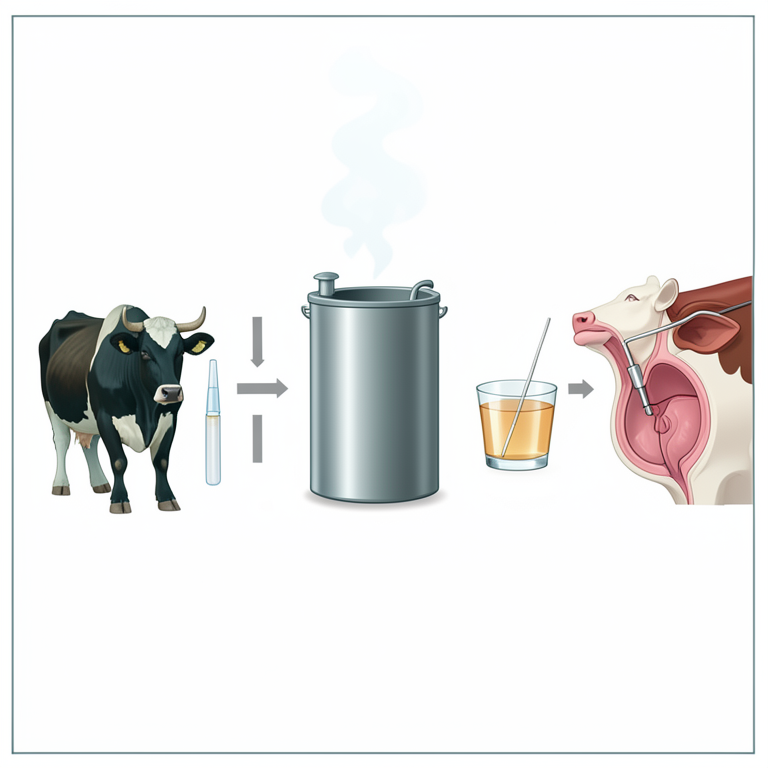
The Artificial Insemination Workflow
AI-generated conceptual illustration (Domestic cattle (bull and cow)). It explains the idea and does not show study data.
View source evidence ↗Figures & tables
From the original paper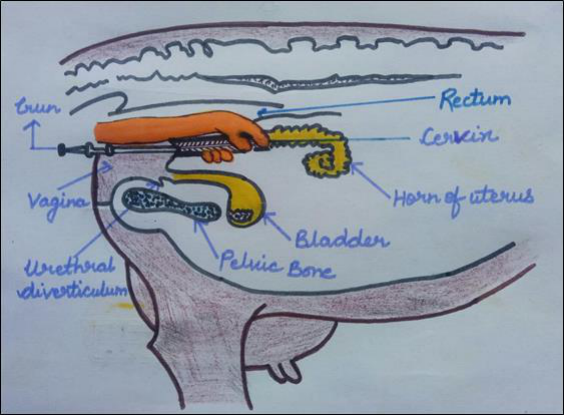 Figure 1
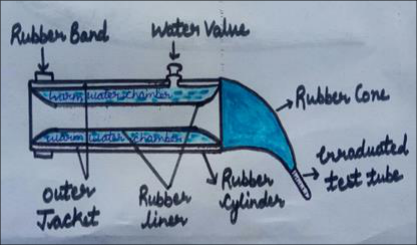 Figure 2
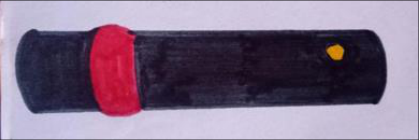 Figure 2
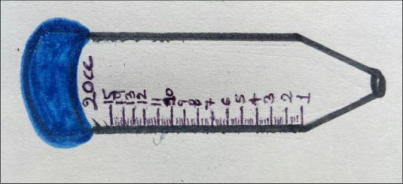 Figure 5
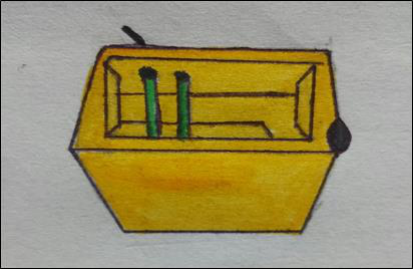 Figure 6
 Figure 3
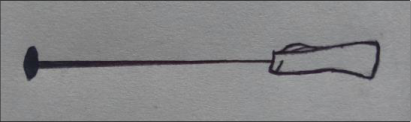 Figure 7
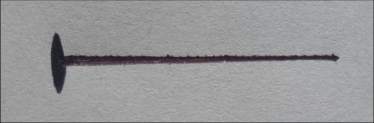 Figure 4
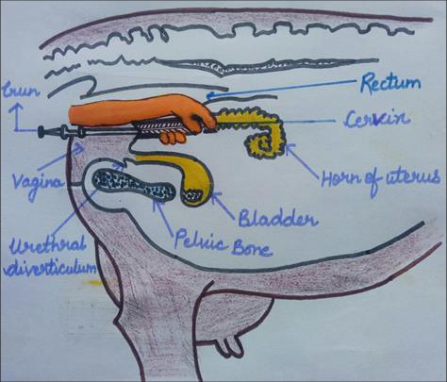 Figure 8
Introduction
The fertilization process in cattle has always been the most difficult part of Animal husbandry or can say in the dairy industry. The natural process of sexual mating had a low conception rate as well as the chances of getting Sexually transmitted diseases were also higher. Therefore, this technique of Artificial Insemination was developed by a Russian researcher, Llya Lvanovich Lvanov in 1922 (Ombelet & Robays., 2015) [1] . Artificial Insemination is a method in which the Ova of a cow has fertilized artificially by inserting the semen of a bull using a syringe. In this method, the cattle are not allowed for sexual mating and thus it prevents sexually transmitted diseases as the semen is directly injected into the cervix part of the ractovagina of the cow thus, it increases the rate of conception along with genetically superior offspring in them (Patel et al., 2017) [2] .
Procedure of Artificial Insemination
Equipment needed for Artificial Insemination a. Artificial Vagina: Artificial vagina is the most important part of Artificial Insemination as this is used to collect the semen of a bull artificially. It is made up of a rubber barrel both externally and internally in which hot water of up to 60 °C temperature is poured in a way that the temperature of the inner lining of the rubber remains 40-45 °C (FAO joint., 2005) [3] . For smooth insertion of the penis and better penile erection, the inner lining of the AV is lubricated properly and is placed firmly around the male genitelia of the bull (Brinsko et al., 2011) [4] . The artificial vagina is attached properly to the semen collection vial through rubber bands and is covered by a jacket-like material to avoid leakage of semen ejaculated by Bull. Egg yolk, Glycerin and some antibiotics, etc. which not only dilutes the semen but also provides nourishment to the stored sperms and maintains their viability (Rehman et al., 2013) [5] . c. Straws: The collected and processed semen are transferred in straws in an amount sufficiently needed to fertilize a female Cow (Diskin. 2018) [6] . , 2012) [7] . e. Straw Cutter: These are used to cut the ends of the straws containing semen without harming the sperms so that the straw could easily get attached to the AI Rod. f. Collection Vial: A semen collection vial is a glass tube with a pre-marked scale for determining the quantity of collected semen and is attached to the artificial vagina via a rubber band at the time of semen collection (Knoop & Pounden., 1943) [8] . ) [2] . i. Lubricants: These are the aqueous substances like Vaseline etc., used to lubricate the inner lining of the artificial vagina while semen collection for smooth insertion of the male genitalia of the bull (FAO Joint. 2005) [3] . j. Plastic Sheath: A protective sheath is kept over the AI rod once it gets attached to the semen-containing straws and are locked with the help of a plunger during insemination.
Methods of Semen Collection: For performing the artificial insemination of cattle, the collection of viable semen from a healthy bull is mandatory. The semen can be collected via any of the three methods given below:a. Rectal Massage: This method is the most common method of collecting semen from the bull in which the semen collecting personnel uses his fingertips to massage the ampullae near the prostate gland of the rectum softly along with rhythmic strokes, in order to excite the Penis for semen ejaculation into the semen collecting vial (Perry et al., 2021) [9] . b. Electro-ejaculation: Palmer et al., 2005 [10] studied that Electro-ejaculators equipped with a rectal probe having three electrodes can be used for semen collection mechanically. c. Artificial Vagina: Artificial vagina is a device used for semen collection. These are fitted with outer rubber jackets in which warm water are filled in a way to maintain the internal temperature up to 44 to 48 °C and are then fixed around the penis of the bull after lubrication, in order to provide favorable condition for Penile erection and semen ejaculation by the bull (Brinsko et al., 2011) [4] . Semen Evaluation: Tanga et al., 2021 [11] in his paper described that, once the semen from a healthy and viable bull is collected, it went through an evaluation procedure in which the semen is evaluated to analyse whether it can fertilize the ova of a cow or not along with their viability, motility and their tolerance to freezing and thawing procedures. Processing of Semen: Cseh et al., 2012 [12] studied that the semen after collection should be stored carefully as the sperm can get destroyed at higher temperatures, and thus just after collection of semen, they are processed by adding extenders such as milk, glycerine, egg yolks, etc. to dilute the semen as well as to provide nourishment to the sperms during storage. Storage of Semen: As sperms are highly temperature sensitive and cannot tolerate high temperatures, thus it becomes important to store them carefully. Therefore, the straw containing the semen is stored in liquid nitrogen tanks and is frosted at a constant rate of temperature till the temperature reaches 320 °F. Symptoms of Heat in Cow: The procedure of Artificial Insemination is carried out only when the cow is on heat (estrous) i.e., when the ova matures and is about to get released into the genitalia for fertilization which lasts for about 36 to 72 hours but the period of conception ranges only between 12 to 18 hours (Khan et al., 2020) [13] . Therefore, it becomes crucial to identify the heat duration in the Cow for better breeding procedures, and thus following are the symptoms of heat in the cow:- The vulva of a cow swells up during heat and the vulva lips upon opening can be seen red in colour with mucous layering. Recurrent urination is also observed at the onset of the estrous cycle. During estrous, a cow can be seen raising their tail again and again. Generally, during standing heat duration, the cow allows mounting of other animals on her. The onset of heat is marked by the thin and transparent mucous discharge, which becomes thick and rubbery after the completion of the estrous cycle (O'Conner. 2016) [14] .
Steps of Artificial Insemination
When the Cow is on heat i.e., when her ova matures for the fertilization process, the procedure of artificial insemination should carry out (Mike O' Connor. 2012) [7] . First of all, the straw containing the semen is given a thaw bath for 40 seconds to stabilize the temperature of the semen as they are stored at freezing temperature (Patel et al., 2017) [2] . The semencontaining straw is then attached to the AI rod and is fixed carefully with a protective sheath and plunger and the part of the AI rod having semen is then wrapped with a paper towel to maintain the temperature of semen (Selk., 2017) [15] . The AI rod loaded with semen is then carried to the cervix of the Racto vagina of the cow and once it crosses three layered rings of the cervix, the sperms are injected to fertilize the Ova in the uterus of a cow. After the incorporation of the semen into the cervix, the AI rod is removed out carefully and the reproductive tract of cow is given a slight massage to distribute the semen into the uterus as an assurance of fertilization whether the ova is released from the left or right ovary.
Conclusion
Artificial insemination is an artificial process of fertilizing female cattle by depositing the semen of a viable bull directly into the cervix of a ractovagina of cow to increase the conception rate in females Cattle. This technology is not only helping the dairy industry to emerge with higher production but is also helping dairy farmers to have high Milk yielding cows to uplift their earnings from them.
Figures and tables from the paper
References
10 in the original paper- Ombelet W, Robays VJ. Artificial Insemination history: hurdles and milestones. Facts, views & vision in ObGyn. 2015;7(2):137-43.
- Patel Gaurang, Haque Nilufar, Madhavatar MP, Chaudhari Ashvin, Bhalakiya Nikita, Jamnesha Natvarbhai, et al., Artificial insemination: A tool to improve livestock productivity. J Pharmacogn Phytochem. 2017;6(6S):307-313.
- FAO Joint. Improving artificial breeding of cattle and buffalo in Asia Guidelines and Recommendations, 2005. ISBN 92-0-112005-2 ISSN 1011-4289.
- Brinsko SP, Blanchard TL, Varner DD, Schumacher J, Love CC, Hinrichs K, et al. Semen Collection and Artificial Insemination with Fresh Semen. Manual of Equine Reproduction, 2011, 160-175. doi:10.1016/b9780-323-06482-8.00021-1
- Rehman Fawad, Zhao Chunqiu, Shah Muhammad, Qureshi Muhammad, Wang XD. Semen Extenders and Artificial Insemination in Ruminants. Veterinaria. 2013;1(1):1-8.
- Diskin MG. Review: Semen handling, time of insemination and insemination technique in cattle. Animal. 2018;12(s1):s75-s84. doi:10.1017/S1751731118000952
- Palmer CW, Brito LFC, Arteaga AA, Söderquist L, Persson Y, Barth AD. Comparison of electro ejaculation and transrectal massage for semen collection in range and yearling feedlot beef bulls. Animal Reproduction Science. 2005;87(1-2):25-31.
- Tanga BM, Qamar AY, Raza S, et al. Semen evaluation: methodological advancements in sperm quality-specific fertility assessment: A review Anim Biosci. 2021;34(8):1253-1270. doi:10.5713/ab.21.0072.
- Cseh S, Faigl V, Amiridis GS. Semen processing and artificial insemination in health management of small ruminants. Animal Reproduction Science. 2012;130(34):187-192. doi:10.1016/j.anireprosci.2012.01.
- Khan MH, Vikram R, Hanah SS, Khate K, Joshi V, Devi S, et al. Estrus (Heat) Detection & Artificial Insemination (Ai) In Mithun. Director, ICAR-NRC on Mithun, Medziphema, Nagaland. ICAR-National Research Centre on Mithun (An ISO 9001: 2015 Quality Management System) Medziphema, Nagaland, 2020, 797106.
Cited by 10
From OpenAlex, OpenCitations and reference lists read by Scinovex
- Optimizing storage temperature of liquid bovine semen diluted in INRA96 ↗
Edel M. Murphy, Ciara O' Meara, Bernard Eivers, P. Lonergan, Seán Fair · Journal of Dairy Science · 2018
Temperature regulation of liquid bovine semen can be difficult in field situations. Two experiments were carried out to assess the effect of storage temperature on in vitro sperm characteristics and 60-d nonreturn rate (NRR) following artificial insemination (AI) of liquid bovine semen. In experiment 1, the effect of storage of liquid bovine semen in INRA96 diluent (IMV Technologies, L'Aigle, France)…
❝ 15PDF - Enhancing Growth Performance, Immunity, and Gut Morphology in Quails through Oyster Mushroom Stem Waste Supplementation ↗
Jamal Abdul Nasir, Naila Chand, Abdul Hafeez, Rifat Ullah Khan · Pakistan Journal of Zoology · 2024
Desi cattle, Crossbreeding, Milk yield, Milk composition, Colostrum analysisMilk composition is a fiercely disputed topic among the nutrition scientists, so it's crucial to know if crossbreeding of indigenous cows has an impact on milk composition.The present study was conducted to evaluate and compare the milk yield, physicochemical properties and colostrum composition between indigenous cows and indigenous × Jersey (F 1…
❝ 5PDF - Successes, constraints, and prospects for sustainable dairy cattle breeding using artificial insemination technology in Tanzania. A brief review ↗
Janeth D Mbuma, George Mutani Msalya, Isaac Pastory Kashoma · Pastoralism Research Policy and Practice · 2026
Dairy farming makes a substantial contribution to both food security and revenue generation, but because artificial insemination (AI) technology is not widely used, genetic improvement is still restricted. The present state, limitations, and potential of artificial insemination in Tanzania’s dairy industry are examined in this review. The review combines national data, project reports, and existing literature to assess the AI…
❝ 2PDF - Comparison of Floored and Cage Housed Broiler Breeder Farms for Energy and Economic Efficiency in Pakistan: A Case Study of Broiler Breeder’s Farm in District Punjab ↗
Ishtiaq Ahmad Khan, Sarzamin Khan, Muhammad Shuaib, Sohaib Ul Hassan, Abdulmohsen Hussen Alqhtani, Anthony Pokoo-Aikins et al. · Pakistan Journal of Zoology · 2024
Desi cattle, Crossbreeding, Milk yield, Milk composition, Colostrum analysisMilk composition is a fiercely disputed topic among the nutrition scientists, so it's crucial to know if crossbreeding of indigenous cows has an impact on milk composition.The present study was conducted to evaluate and compare the milk yield, physicochemical properties and colostrum composition between indigenous cows and indigenous × Jersey (F 1…
❝ 1PDF - Utilization and Adoption of Artificial Insemination among dairy cattle farmers in Tanzania: Historical background, Challenges, Opportunities and Future Prospects ↗
Mathew Mgogo, Dyah Maharani, Diah Tri Widayati, Mercy Maxwell Mabruck, Sebastian Shilangalila · IOP Conference Series Earth and Environmental Science · 2026
Abstract Artificial insemination (AI) and other reproductive biotechnologies are the essential tools for accelerating genetic improvement, controlling diseases and decreasing breeding expense in dairy cattle. In Tanzania, AI technology has been considered as one of the main strategies for national dairy cattle improvement programs which aim to enhance productivity, adaptability, and hence improve farmers livelihoods. Milk production in Tanzania in…
❝ 0PDF - Clinical Evaluation of miR-155 and miR-21 Alone and in Combination for Diagnosis of Acute Progressive Cerebral Infarction ↗
Linyu Zhou, Hong Yu, Yang Wang, Jianbing Bai, Chuanyan Bao, Yongqing Dai · Pakistan Journal of Zoology · 2024
Desi cattle, Crossbreeding, Milk yield, Milk composition, Colostrum analysisMilk composition is a fiercely disputed topic among the nutrition scientists, so it's crucial to know if crossbreeding of indigenous cows has an impact on milk composition.The present study was conducted to evaluate and compare the milk yield, physicochemical properties and colostrum composition between indigenous cows and indigenous × Jersey (F 1…
❝ 0PDF - Milk Yield, Composition and Physicochemical Properties of Indigenous and F1 Crossbred (Bos indicus with Bos taurus) Cows in Azad Jammu and Kashmir ↗
Beenish Shahid, Ramla Komal, Fayzan Sultan Awan, Muhammad Ijaz Khan · Pakistan Journal of Zoology · 2024
Desi cattle, Crossbreeding, Milk yield, Milk composition, Colostrum analysisMilk composition is a fiercely disputed topic among the nutrition scientists, so it's crucial to know if crossbreeding of indigenous cows has an impact on milk composition.The present study was conducted to evaluate and compare the milk yield, physicochemical properties and colostrum composition between indigenous cows and indigenous × Jersey (F 1…
❝ 0PDF - In-Vitro and In-Vivo Antibacterial Effects of Hydroxamic Acid in Broilers ↗
Muhammad Adnan Shams, Sarzamin Khan, Muhammad Shuaib, Muhammad Mushtaq, Najma Shams, Muhammad Aamir et al. · Pakistan Journal of Zoology · 2024
Desi cattle, Crossbreeding, Milk yield, Milk composition, Colostrum analysisMilk composition is a fiercely disputed topic among the nutrition scientists, so it's crucial to know if crossbreeding of indigenous cows has an impact on milk composition.The present study was conducted to evaluate and compare the milk yield, physicochemical properties and colostrum composition between indigenous cows and indigenous × Jersey (F 1…
❝ 0PDF - Studies on the Identification of Variants in Ribosomal RNA Genes in Maternal Diabetic Families: A Combined Approach Involving Nucleotide Sequence Analysis and Bioinformatics ↗
Sajid Ul Ghafoor, Aziz-ud- Din, Khushi Muhammad, Inamullah Inamullah, Abid ul Ghafoor · Pakistan Journal of Zoology · 2024
Desi cattle, Crossbreeding, Milk yield, Milk composition, Colostrum analysisMilk composition is a fiercely disputed topic among the nutrition scientists, so it's crucial to know if crossbreeding of indigenous cows has an impact on milk composition.The present study was conducted to evaluate and compare the milk yield, physicochemical properties and colostrum composition between indigenous cows and indigenous × Jersey (F 1…
❝ 0PDF - Enhanced Antitumor and Anti-Metastasis Efficiency via Combined Treatment with Carvacrol and Doxorubicin ↗
Hu-Hu Chen, Xin Li, Mohd Hijaz Mohd Sani, Siat Yee Fong · Pakistan Journal of Zoology · 2023
Desi cattle, Crossbreeding, Milk yield, Milk composition, Colostrum analysisMilk composition is a fiercely disputed topic among the nutrition scientists, so it's crucial to know if crossbreeding of indigenous cows has an impact on milk composition.The present study was conducted to evaluate and compare the milk yield, physicochemical properties and colostrum composition between indigenous cows and indigenous × Jersey (F 1…
❝ 0PDF