
Research article · 2021 · Full text
International Journal of Agriculture Extension and Social DevelopmentMoringa oleifera: Role of livestock dietary and livelihoods benefits: Current utilization and futures trends
Volume 4(2) · Pages 40–45 · DOI: 10.33545/26180723.2021.v4.i2a.102 ↗
Research areasMoringa oleifera research and applications
Abstract
Author-writtenThis paper presented summary of recently findings on Moringa oleifera (Mo) role in livestock dietetics and community’s livelihoods in countries akin to Ethiopia. Relevant data were collected, analyzed, discussed, concluded and recommended. Therefore, Mo is known to be fast-growing and high biomass-yield, drought-resistant and multifarious potentials merited tropical forage-tree. Mo is said to be Panacea’ stores vital-nutrients, medicines and phytochemicals to treat more than 300 ailments of human being (Table 3), besides to nourish animals & humans as required level. Mo used to purify water; treat and fertilize soil, living fence, alley-cropping, natural-pesticides, domestic cleaning-agents, and fuel woods. However, Mo and similar forage trees resources have not been utilized to the scope mainly due to lack of awareness, and skills. Accordingly, dietary scarcity, increased medicine costs are most developmental and reemerging challenges in Ethiopia and region. However, favorable environment, huge water- and fertile land resources, increased higher institutions, and socio-economic income growth validated by global market-corridor could be the opportunities to utilize resources mainly in Ethiopia. Therefore, I conclude that this Article create better awareness, knowledge and skills for Mo tree to be utilized as potential means of dietetic, medication, climate change mitigation and commercial commodity; aimed to bridge the gap for livestock’s feeding public livelihoods.
Summary
Source-checkedPlain-language reading of the full paper, prepared with AI and checked against the text. Each point links to the authors' own words.
Why it matters
- Moringa oleifera (Mo) is a fast-growing, drought-resistant tropical forage tree with high biomass yield and diverse potential uses. View evidence ↗
- Ethiopia and its surrounding region face significant challenges regarding dietary scarcity and the rising cost of medicine. View evidence ↗
- Despite its potential, Moringa oleifera and similar forage trees are underutilized due to a lack of skills and awareness. View evidence ↗
The question
- The study aims to summarize 52 findings from 2001–2020 regarding the cultivation, nutrition, and medicinal properties of Mo to improve public health and livelihoods in the tropics and Ethiopia. View evidence ↗
What they did
- The author collected data from various sources, including journal articles, book chapters, bulletins, legal documents, and workshop proceedings. View evidence ↗
- Literature from a 20-year period (2001–2020) was analyzed to evaluate the public health, dietary, and ecosystem protection benefits of Mo. View evidence ↗
What they found
- Mo contains significantly higher nutrient levels than common foods, including 15 times more potassium than bananas, 25 times more iron than spinach, and 17 times more calcium than milk. View evidence ↗
- To avoid gastrointestinal distress caused by excessive iron accumulation, a daily intake of 70g of Mo is recommended. View evidence ↗
- Type-2 diabetes (DT2), characterized by insulin resistance, can be treated with an intake of approximately 500mg of Moringa seed powder (MSP) per kg of body weight. View evidence ↗
- For swine, the optimal diet consists of 70% Mo, 10% Leucaena, and 20% other leaves. View evidence ↗
- Using Moringa seed powder for water purification can remove between 90% and 99% of bacteria. View evidence ↗
- The growth hormone Zeatin found in Mo leaves can increase crop productivity by 25% to 30% when used as a foliar spray. View evidence ↗
- When planted closely, Mo cuttings can create a livestock-proof living fence within 3 months. View evidence ↗
What it means
- The author concludes that the utilization of Mo and other forage resources must become an urgent priority to address nutrition and health challenges. View evidence ↗
- The author notes that there is an insufficient amount of double-blind research to fully verify the mechanisms of Mo's antidiabetic and anticancer properties. View evidence ↗
Visual summary
3 visualsIllustrations explain the paper; charts are replotted from the paper's own table values.
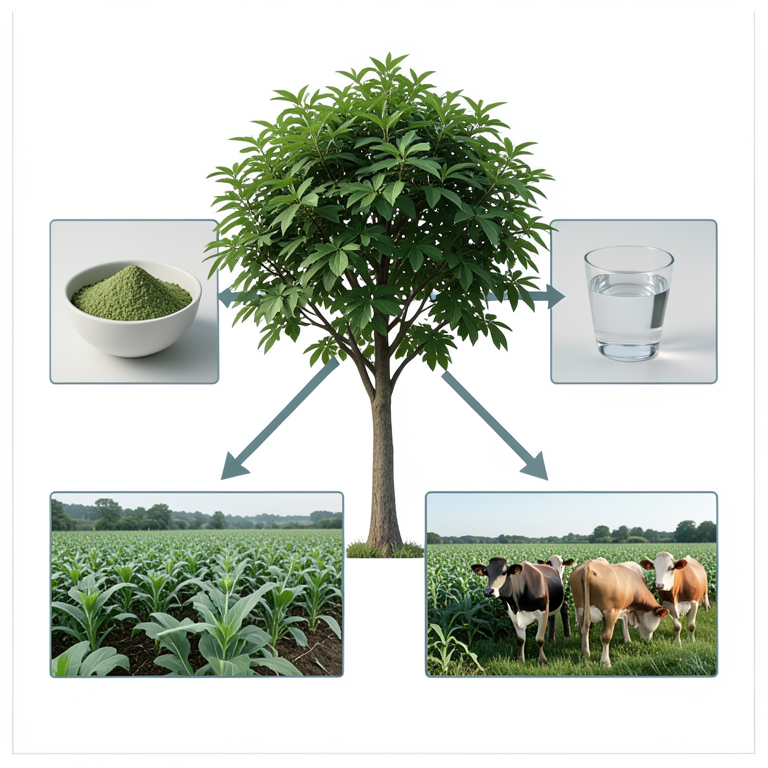
Multifunctional Uses of Moringa oleifera
AI-generated conceptual illustration (Moringa oleifera tree). It explains the idea and does not show study data.
View source evidence ↗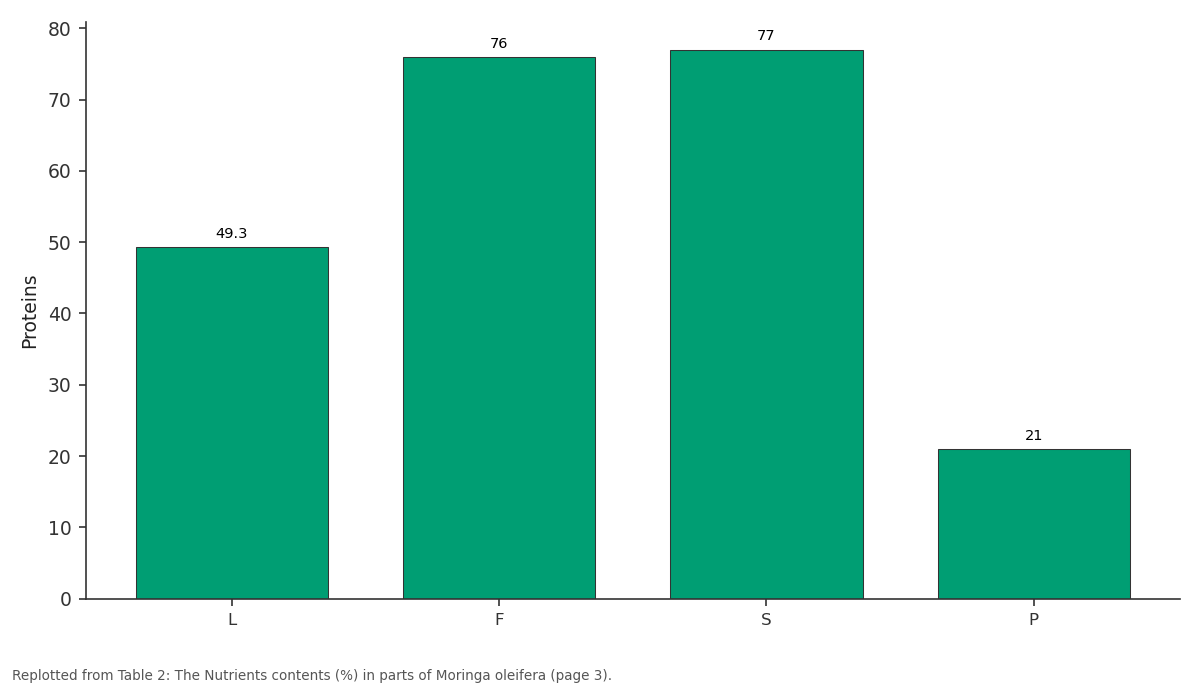
Proteins: L vs F vs S vs P
Replotted from Table 2 (page 3) of the original paper. Every bar is the paper's own table value.
View source evidence ↗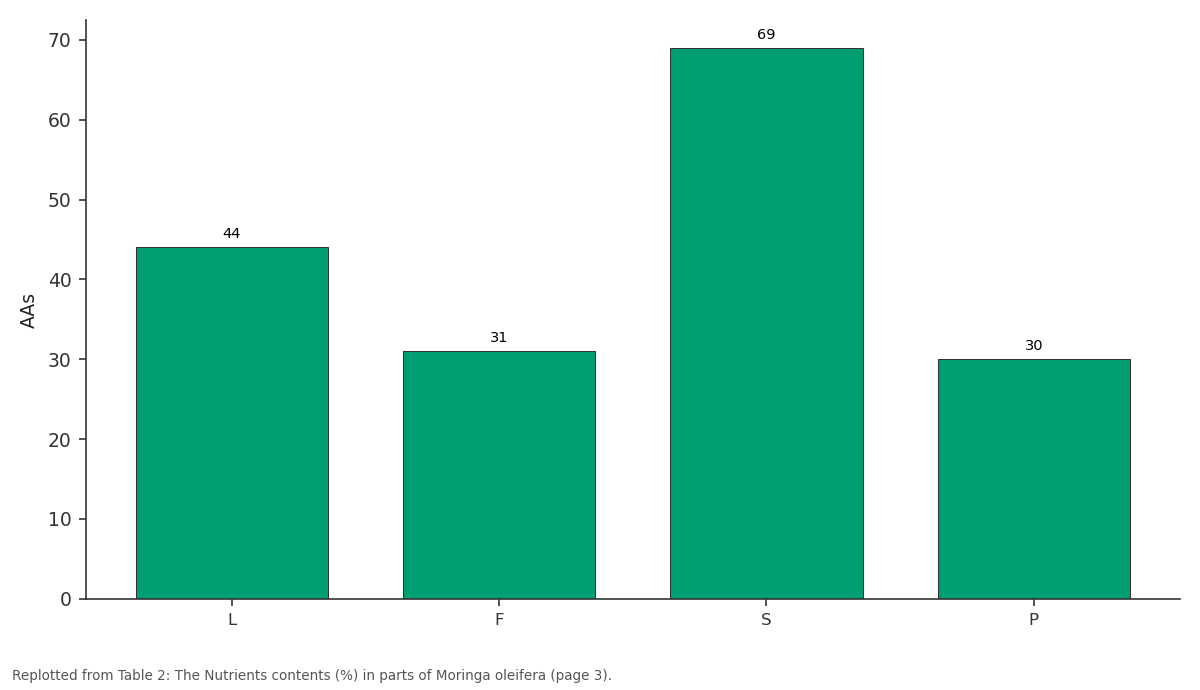
AAs: L vs F vs S vs P
Replotted from Table 2 (page 3) of the original paper. Every bar is the paper's own table value.
View source evidence ↗Figures & tables
From the original paper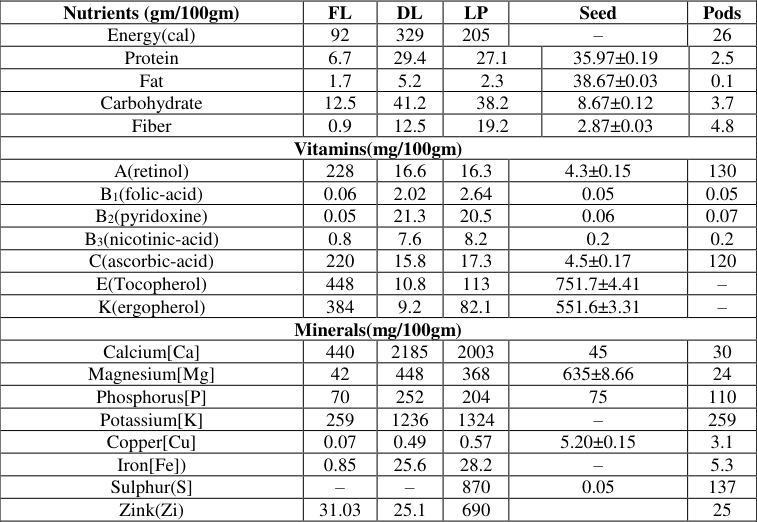 Table 1
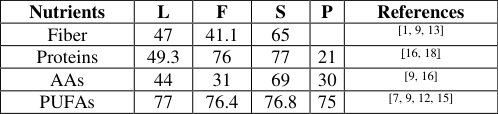 Table 2
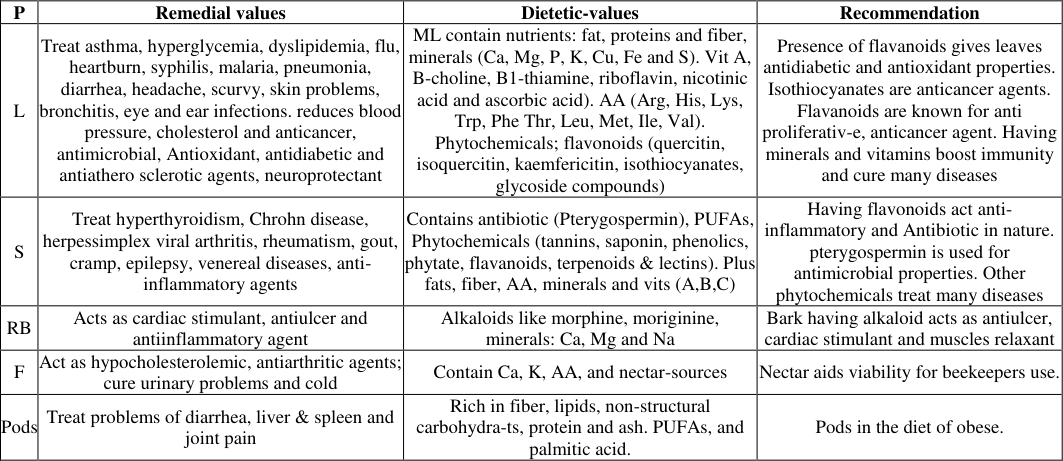 Table 3
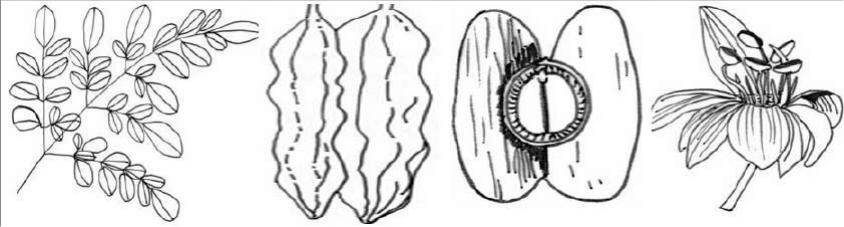 Figure 1
Introduction
Moringa oleifera (Mo) is a marvelous tree native to India, and grows fast in the tropics. Mo is also known as horseradish drumstick tree, grows fast and reaches to 12m high. Devarai et al. [9] , Ravikumar and Sheeja [22] have reported that Mo is rich in nutrients and hence all tree parts are used as good diet of human and animals. Mo is identified to clean water-impurities; treat diseases (beyond 300 ailments); fertilize and treat acidic-soils to boost croplproductivity, etc. It also provides with many more usages to human and animal nutrition, water purification, natural medicines, fertilizer and treatments of soil, living fence, alley-cropping, natural pesticide, domestic cleaning agent and fuel-wood, and other uses [9,16] . E.g., Seeds of Mo (MS) can be used as antiantibiotic and anti-inflammatory properties to treat arthritis, rheumatism, gout, cramp, sexually transmitted diseases and boils [12] . The seeds are roasted, pounded, mixed with coconut oil and applied to the problem area. MS oil can be used for the same ailments. Roasted seeds and oil encourage urination, and used as a relaxant for epilepsy. However, the utilization trends of Mo and similar gifted forage resources are weaker due to lack of knowhow and skills Mo is studied to easily cultivable sustainable cure of the malnourished children deprived of breast milk because its high content of phytosterols (stigmasterol, sitosterol, kampesterol) that induces release of the users in Ethiopia and the region as well. Therefore, this paper presented summary of 52 recently findings from the year 2001-2020 to provide updated the information of Mo plantation and growth feature, cultivation, dietetic, pharmacological, remedial and useful properties of Mo to bridge the gap, and to improve livelihoods and public health in Ethiopia and the tropics.
Materials and Methods
A range of updated findings in association with the tittle were collected and studied includes journal articles, book chapters, workshop proceedings, and bulletins and legal documents. Mo soil conditions and plantation; cultivation and growth nature; harvesting; preservation; nutritive, curative roles and temporal trends in utilization, the estimates of potential production, processing techniques, marketing, and socio-economic aspects and management frameworks. Information on the extent of forages resources was also updated using the literature sources (20 years: from 2001-2020) of Mo were analyzed to assess the dietetic and public health benefits of Mo and its effect to protect ecosystem degradation in developing countries.
Results and Discussion
Results and Discussion
Geography and Climatic Profiles of Ethiopia Geography
Ethiopia is located in the Horn of Africa [28] with topography consists of a central high plateau, i.e., bisected by the Great www.extensionjournal.com Rift Valley into northern and southern highlands. The plateau varies from 1500-3000m and features mountainous uplands separated by deep gorges and river valleys, especially in the north. The highest point is Ras Dashen (4620m), in the northern highlands. In the east, the Denakil Depression is in places 115m below sea level and is one of the hottest places on earth. The diversity of Ethiopia's terrain determines regional variations in climate, natural vegetation, soil composition and settlement patterns [28] .
Climate
Rainfall and temperature patterns vary widely because of Ethiopia's location in the tropics and its diverse topography [25] . The major factors that influence rainfall are the seasonal migration of the inter-tropical convergence zone (ITCZ), the northerly trade winds and the southerly monsoon, while the temperature is greatly influenced by changes in altitude [24] .
Temperature
Climatic factors such as Latitude, altitude, wind and humidity affect temperature significantly in Ethiopia. Although there are considerable differences between the highlands and lowlands in the average monthly and annual temperatures, they are more or less similar in their small annual range and large daily range of temperatures [28] . Ethiopia lies within the tropics, a zone of maximum insolation in which every spot has the sun directly overhead twice a year. However, 43% of the country consists of highlands, and tropical temperatures are not experienced everywhere except in the lowlands [28,30] .
Rainfall
In Ethiopia, there are 5 broad climatic zones recognized based on the altitude and temperature, namely: Cold climate (at >3000m), Highlands (temperate climate between 2300 and 3000m), Midland (warm, 1500-2300m), Kola (hot and arid-climate: <1500m) and lowlands (hot and hyperarid climate). These are typically subdivided into three according to rainfall distribution such as wet: greater than 1400mm/year; moist: 900-1400mm; dry: greater than 900mm/year [30] Though climate conditions are classified into generalized areas of specific types of climate, there are significant microclimatic variations over relatively small areas due to micro-relief variations [28] . Precipitation is determined by differences in elevation and seasonal shifts in monsoon winds. The highlands receive by far the most rainfall, most of it between mid-June and mid-September; lower elevations receive much less. In general, relative humidity and rainfall decrease from south to north and vary from scant to negligible in eastern and south eastern lowlands [23,28] .
Soil conditions and plantation
Moringa oleifera (Mo) can be grown in any tropical and subtropical regions where temperature ranges 25-40 O C though tolerate temperature of 48 O C and light frosts [1,4] . According to Devarai et al. [9] Mo prefers soil with neutral to slightly acidic, and grows best at altitude 600-1000m ranges, and rainfall 250-3000mm in well-drained loamclay/loam, but doesn't grow in waterlogged soil [9,12] . The direct seeding method is followed as it has high germination rates, in that seeds are germinated within 5-12days after sowing & implanted at 2cm depth, and also propagated using containers [9] . The seedlings are placed in plastic-bags with sandy /loamy soil. After it grows to about 30cm, it can be transplanted. However, utmost care should be taken while transplanting as tap roots are tender and tend to get affected [12] .
Cultivation
Moringa oleifera (Mo) can be cultivated by cuttings its stem 1m length, and 4-5cm diameter, however, it may not a good deep rooted, and it tends to be sensitive to drought and winds. Mo is a deciduous tree that loses leaves during December-January; and new growth starts in February-March. It produces cream colored flowers (Figure 1) when it is 8 months old and flowering season from January to March. The fruit ripens from April to June and triangular pods [12] . For commercial purposes, intensive and semiintensive plantation is applied, thus spacing is important to plant management and harvest. The nutrient content of Mo differs in locations, climate and environment. Aboubacar et al. [1] and Asante et al. [4] have indicated that Mo tree stores lower nutrients in areas of high temperature due to proteins & enzymes get denatured caused difference in nutrient content. Soil is an important factor that defines the nutrient content and strength of the plant. In line with this, Dania et al. [9] showed that the nutrient composition of the plant parts varies with fertilizers applied alone/in-combination with others. According to Oduro et al. [28] NPK fertilizer results best in overall growth of plants while used with organic fertilizers such as poultry manure than in minerals: P, K, Na and Mn, though plant nutrients attributes remains the same [22] .
Nutritive value
Moringa oleifera (Mo) is known as 'panacea' rich in nutrients and various essential phytochemicals. In fact, Mo has been studied for its 15x (x= times) K than bananas and 25x Fe more than spinach; 7x vitamin C than oranges, 10x vitamin A than carrots, 17x Ca than milk, 9x protein than yoghurt [9,16,22,28] . MLP can provide >4400mg of Ca. Likewise, MLP rich in Fe 14x in Beef and 25x in spinach (Table 1), thus Mo can be used instead of Fe tablets to treat anemia [1] . ML also contain about 31.03mg Zinc/kg. MLP thus intake of diet is essential for Spermatozoa development and of estrogen which stimulates to grow the mammary ducts [9,17] . Aboubacar et al. [1] , Devarai et al. [9] , Jung [13] and Olagbemide and Alikwe [19] were reported that every part of Mo tree is "storehouse of nutrients" rich in proteins, carbohydrate, essential AA, FAs, minerals, vits (vitamins: A, B, C, D, and E) (Table 1) and contain antinutrients (Phytochemicals: tannins, sterols, terpenoids, flavonoids, saponins, anthraquinones, alkaloids) and reducing sugars present with anticancer (glucosinolates, isothiocyanates, glycoside) compounds and glycerol-1-9-octadecanoate compounds used for the wellbeing of animals and humans (Table 3) [4,6,14,16] . www.extensionjournal.com Table 1: Nutrient masterpieces in Moringa oleifera [1, 6, 9, 11-14, 16, 25] Nutrients [9] . Similarly, the same finding revealed for the contents in different parts of Mo (Table 2). However, Berkovich et al. [5] reported that the nutrients composition of Mo varies as environmental locations, climate. Keys: ML= Moringa leaves; F=flowers; S= seeds; P= pods; PUFAs= Poly unsaturated Fatty-acids; AA= amino acids.
| Nutrients | L | F | S | P | References |
|---|---|---|---|---|---|
| Fiber | 47 | 41.1 | 65 | [1, 9, 13] | |
| Proteins | 49.3 | 76 | 77 | 21 | [16, 18] |
| AAs | 44 | 31 | 69 | 30 | [9, 16] |
| PUFAs | 77 | 76.4 | 76.8 | 75 | [7, 9, 12, 15] |
Table text extracted from the original PDF; superscript letters are shown inline. The original table image is below.
View original table image
| Nutrients (gm/100gm) | FL | DL | LP | Seed | — | Pods |
|---|---|---|---|---|---|---|
| Energy(cal) | 92 | 329 | 205 | – | 26 | |
| Protein | 6.7 | 29.4 | 27.1 | 35.97±0.19 | 2.5 | |
| Fat | 1.7 | 5.2 | 2.3 | 38.67±0.03 | 0.1 | |
| Carbohydrate | 12.5 | 41.2 | 38.2 | 8.67±0.12 | 3.7 | |
| Fiber | 0.9 | 12.5 | 19.2 | 2.87±0.03 | 4.8 | |
| Vitamins(mg/100gm) | ||||||
| A(retinol) | 228 | 16.6 | 16.3 | 4.3±0.15 | 130 | |
| B1(folic-acid) | 0.06 | 2.02 | 2.64 | 0.05 | 0.05 | |
| B2(pyridoxine) | 0.05 | 21.3 | 20.5 | 0.06 | 0.07 | |
| B3(nicotinic-acid) | 0.8 | 7.6 | 8.2 | 0.2 | 0.2 | |
| C(ascorbic-acid) | 220 | 15.8 | 17.3 | 4.5±0.17 | 120 | |
| E(Tocopherol) | 448 | 10.8 | 113 | 751.7±4.41 | – | |
| K(ergopherol) | 384 | 9.2 | 82.1 | 551.6±3.31 | – | |
| Minerals(mg/100gm) | ||||||
| Calcium[Ca] | 440 | 2185 | 2003 | 45 | 30 | |
| Magnesium[Mg] | 42 | 448 | 368 | 635±8.66 | 24 | |
| Phosphorus[P] | 70 | 252 | 204 | 75 | 110 | |
| Potassium[K] | 259 | 1236 | 1324 | – | 259 | |
| Copper[Cu] | 0.07 | 0.49 | 0.57 | 5.20±0.15 | 3.1 | |
| Iron[Fe]) | 0.85 | 25.6 | 28.2 | – | 5.3 | |
| Sulphur(S] | – | – | 870 | 0.05 | 137 | |
| Zink(Zi) | 31.03 | 25.1 | 690 | 25 |
Table text extracted from the original PDF; superscript letters are shown inline. The original table image is below.
View original table image
Harvesting, processing and preservation Harvesting
Most processed forages lose nutrient bulk unlike the raw, germinated and fermented Mo seed flour (MSF) which contain high for phytochemicals and amino acid, probably due to germination biochemical activities, and fermentation microbial activity. However, boiling is the most effective method to reduce antinutrient factors like cyanide, oxalate and phytate [3] . According to Santos et al. [23] boiling increase Fe availability and antioxidant content of MSF, hence can be used to treat malnutrition problems. However, Santos et al. [23] have shown that children refuse to take in Mo because of slight bitter taste, to this end Olugbemi et al. [20] designed three methods of cooking Mo noodles, sautéing, steaming and boiling. Noodles had a better effect on the mammary-glands and improved milk production [7] .
Preservation
Moringa can be preserved for a long time without loss of nutrients. Drying or freezing can be done to store the leaves. A report by Yang et al. [19] showed that a low temperature oven used to dehydrate the leaves retained more nutrients except vitamin C than freeze dried leaves. Hence, drying can be done using economical household appliance like stove to retain a continuous supply of nutrients in leaves.
Preservation by dehydration improves the shelf life of Mo without change in nutritional value [12] . The same finding shown that the overdose of Mo may high Fe accumulation, which could results in gastrointestinal distress, and hence, 70gm of Mo per day is recommended to prevent over accumulation of nutrients [10] .
Curative Roles
An emerging research findings have learnt that Moringa oleifera (Mo) is known as a 'panacea' tree that can cure >300 diseases of humans [7,9,12,15] . Mo has been using in herbal medicine by Indians & few Africans [7] . Emerging findings described that the presence of phytochemicals and phytosterol in Mo brands it to be a good remedy to cure diabetes, cancer & others of public health risk factors.
Ant-Diabetic Effects
Diabetes is referred to as a problem of malfunction of insulin due to undefined reasons, which has been known to results in several public-health complications, and to be a common cause of at least one in every 7 human deaths globally [9] . Similarly, Fahey [11] and Sutalangk [24] have noted for Mo to be the best remedy for several health ailments and risk factors (Table 3). When there is hyperglycemia, the blood glucose reacts with proteins to cause advanced glycated end products (AGEs) bind to RAGE and gets expressed on immune cells surface. Such interaction causes cytokinase transcription like interleukin-6 and interferon [10] , this facilitates transendothelial migra-tion cause an arterial inflammation that lead to atheroscl-erosis due to antioxidant property [13] . Aboubacar et al. [1] & Devarai et al. [9] were reported that Mo can cure Type-1(DT1) and Type-2 (DT2). DT1 is occurred due to lack of insulin production (maintain blood www.extensionjournal.com glucose-level normal) [26] . DT2 is the one associated with insulin resistance because of the beta-cell fails to sense glucose-levels [17] , thus reduces the signaling to insulin that result in high blood glucose levels [13] , which can be treated by intake of about 500mg of MSP/kg of Body weight [3,10] . STZ causes ATP dephosphorylation reactions and helps xanthine-oxidase forming superoxides and reactive oxygen species (ROS) in Beta cells, thus, high glucose arrives into the mitochondria and then releases ROS [10] . Since beta-cells have lower in antioxidants, hence causes beta-cells apoptosis [9] . This reduces secretion of insulin leading to hyperglycemia then DT2. The flavonoids such as quercitin and phenolics have been attributed as antioxidants that bring about a scavenging effect on ROS [25] . ROS can be hypothesized that the flavonoids in Mo scavenge the ROS released from mitochondria, thus protecting the beta cells and hence keeping hyperglycemia under control [9,12] .
Anticancer Properties
Currently, cancer has been the most serious health causes death of one in every seven cases resulted from non-specific reasons. Several factors like smoking, limited exercise and exposure to radiation may lead to diseases [17] . Cancer treatments such as surgery, chemotherapy and radiation are expensive, besides to cause side effects. To this end Mo has been recommended to be safe and the best anticancer agent at proven dose [1,17,26] . Sutalangka [12] and Tiloke et al. [25] have also stated that Mo effects on antineuroprolife-ratives, thus inhibit growth of cancer-cells, and anticancers. Besides, Devarai et al. [9] , Jung [13] , and Tiloke et al. [25] have identified that the Mo leaf extracts to be antioxidants and anticancer agents. Compounds in Mo leaves shown to be a good anticancer agent may include glucosinolates, niazimicin and benzyl-isothiocyanate (Table 3) [9,11,13] .
Moringa oleifera (Mo) can be used as a powerful neuroprote-ctant. It could also treat Cerebral-ischemia resulted by obstruction of blood flow into brain, and dementia [9] . Mo cuts gastriculcers The diet/ration with Mo contain higher protein, lower blood urea and creatinine help prevent renal-dysfunction [2] . Similarly, the herbal practitioners prescri-bed the diet with Mo to boost the immune system of HIVAIDS patients [15] . MFE hydroalcoholic reduce the rheumatoid factors in arthritic patients, which proves Mo is effective to cure arthritis, and a good antimicrobial agent [9] . Similarly, Viera et al. [26] has described that extracts of Mo can act as antibacterial (Bacillus subtilis, Staphylococcus aurous and Vibrio cholera) effects is due to its pterygospermin, moringine and benzyl-isothiocyanate (Table 3) [9] .
Animals Feed Sources
Moringa oleifera (Mo) has been named "the king of foragetrees" rich in high value nutrients mainly for animals such as poultry and swine that are depend on the exogenous amino acids mixed with their diet [16] . Animal fodder ruminants and non-ruminants like pigs and poultry browse the bark, leaves and young shoots of Mo [18] . The same findings noted that the best diet for pigs is 70% Mo, 10% of Leucaena and 20% of other leaves. The diet can be 100% of Mo but not >30% of Leucaena. The pork of swine fed Mo ration is lean. Similarly, If Mo trees are intended for animal fodder Mo is useful to prune up to 4m high, if not, it should be pruned to 6m so harvesting for consumption human can be easy. According to Dania et al. [9] and Fuglie [12] Flowers can be cooked and mixed with other foods or fried in batter. They can also be placed in hot-water for 5mts to make a tea.
Mo is excellent sources of macro elements and microelements highly required for maintenance, growth, reproduction, and production of animals [5] , a good source of nectar for honey producing bees [12] . Pods eaten when appeared too woody first to snap easily (30cm long); cooked like other green-beans and have similar flavor to asparagus [9] .
Water purifying and other application
Moringa Seed powder (MSP) can be used as a quick and simple method for cleaning of dirty river water. The powder joins with solids in water sinks to bottom. This treatment also removes 90-99% of bacteria in water. Mo purify water instead of expensive, chemicals (Aluminium sulphate) dangerous to the people and environment [9] . 20L of water can be treated in the following way: Remove wings & brown seed coat & discard any seed kernels with dark spots or any other signs of damage [12] . Pound the kernels to a fine-powder. Add 2gm (2 small spoons) of powder to a cup of clean water pour into bottle, shake for 5mts. Filter dirty water by clean cloth into a bucket treated; Stir the water quickly for 2mts (slowly for 10-15mts) (unused metal); leave bucket undisturbed for 1hr/until water clear & impurities sunk bottom; Boil water before drinking [9,12] . Water from varying sources require different amounts of powder because of the impurities present will not be the same. Experiments with a jar will help in working out the correct amount needed. Both the seeds and the seed powder can be stored but the solution made in stage 3 should not be stored. It should be freshly made every time water is to be purified. Honey and sugar cane juice can be cleared of impurities using the powder. It is reported that the leaves (Figure 1): rubbed against the temple can relieve headaches; stop bleeding from a shallow cut, apply a poultice of fresh leaves. There is an antibacterial and anti-inflammatory effect when applied to wounds or insect bites. Extracts can be used against bacterial or fungal skin complaints; leaf tea treats gastric ulcers and diarrhea; Intake of Mo products is good antimalnutrition due to high protein and fiber content [12] . Flowers juice: improves quality and flow of mother's milk when breast feeding; and useful for urinary problems as it encourages urination. Pods: if eaten raw, act as a de-wormer and treat liver & spleen problems and pains of the joints. Due to high protein and fiber contents help treat the problems of malnutrition and diarrhea. Seeds: used as an antibiotic and anti-inflammatory agents in arthritis treatment, rheumatism, gout, cramp, venereal diseases and boils. The seeds are roasted, pounded, mixed with coconut oil and applied to the problem area. Seed oil can be used for the same ailments. Roasted seeds and oil can encourage urination. They can also use as a relaxant for epilepsy. Root, bark and gum: The roots and bark have all of the properties described above but are more concentrated. Therefore much more care should be taken if using them as medicines [12] . Fertilizer: seed-cake, produced by pressing the seeds to extract oil, cannot be eaten as it contains harmful substances. However, it contains high protein levels and www.extensionjournal.com makes a good fertilizer for use in agriculture. Living-fence: Planted as a living-fence [12] , Mo provides wind protection and shade. It grows very quickly and if cuttings are planted close together they will form a fence that livestock cannot get through in just 3 months. Alley-cropping: Mo has a large tap root and few lateral roots so it will not compete for nutrients with the crops [11] . It will also add to the nutrients available as it produces many protein rich leaves. They grow very quickly but do not provide too much shade due to structure of their leaves [9] . They are also very good at reclaiming marginal land. Natural pesticide: digging leaves into soil before planting, damping off disease (Pythium debaryanum) can be prevented among seedlings. Fuel-wood and other uses: The Mo wood is light and is a good fuel for cooking. However, it is not suitable for building. The bark can be beaten into a fiber that can be used to make rope or mats and the wood produces a blue dye. Chippings of wood can be used to make a good quality paper. The tree also produces viscose resin that is used in the textile industry [11,12] .
Commercial applications
Moringa seeds (MS) are used to extract "Ben oil" rich in oleic acid, tocopherols and sterols, withstand oxidative rancidity. Ben oil can be used instead of olive-oil for cooking, perfumes and lubrication. Mo pods can absorb organic pollutants & pesticides [9] . Similarly, MS possess natural coagulants, with cationic-protein that can elucidate and remove water impurities, and precipitate organics and mineral particles from a solution [5] . MSE studied for eliminating heavy-metals (lead, copper, cadmium, chromium and arsenic) from water is found beneficial in treatment of surface-water by reducing settling time [9,20] . MSE have antimicrobial properties, thereby preventing waterborne diseases. MS wider functions in diseases prevention (Table 3), cosmetics, biodiesel sources, green manure or fertilizer. MF taste alike mushrooms when fried, bee nectar sources, MRB treat dyspepsia, eye and heart complaints [3] ; Tap root used spices; gum in calicoprinting [12] . Growth hormone in leaves "Zeatin" is excellent foliar to increase crop productivity by 25-30% [6] . The diets with Mo helps tackle problems of nutrient deficiencies & malnutrition, attribute Mo to promoting the feeding quality (protein, energy, vitamins, minerals); and sensory quality of the diet (Flavor, aroma, taste, color) [17,18] . Fresh leaves of Mo powder supplementation to hens with proteins instead of expensive ingredients such as soybean meal and groundnut cake [19] . Snacks with mix of Mo can be used to improve dietary and sensory quality [18] . Several studies have confirmed that most snacks are made of corn-meal and a little adding Mo to maize flour can boost its nutritive values of protein, energy & minerals [20,22] .
Table 3: Nutrients component and benefits of Mo [1, 6, 9, 11-17, 18, 23, 24, 27]
P Remedial values Dietetic-values Recommendation
P Remedial values Dietetic-values Recommendation
L
Treat asthma, hyperglycemia, dyslipidemia, flu, heartburn, syphilis, malaria, pneumonia, diarrhea, headache, scurvy, skin problems, bronchitis, eye and ear infections. reduces blood pressure, cholesterol and anticancer, antimicrobial, Antioxidant, antidiabetic and antiathero sclerotic agents, neuroprotectant ML contain nutrients: fat, proteins and fiber, minerals (Ca, Mg, P, K, Cu, Fe and S). Vit A, B-choline, B1-thiamine, riboflavin, nicotinic acid and ascorbic acid The appearances of Parts of Moringa oleifera tree [12] www.extensionjournal.com
Conclusion and future scops
Scholars have stated that all parts of Moringa oleifera (Mo) can be a potential sources of vital nutrients, drugs, chemicals to be used for the various roles in the animals feeding & human wellbeing and other role to mitigate ecosystem degradation. Mo is known as "a panacea" rich in nutrients, phytochemicals, phytosterols, and antioxidants for remedy of >300 public-health ailments & variousmultifarious used to clean water impurities; treat soilsacidity, boost fertility. It is also acting as anti-diabetics (type-I and type-II), anticancers, anti-gastricu-lcers, antimalnutrition, antianemia agents (Table 3). Mo is known to be excellent diet mainly for monogastric animals for growth and production because of containing multifarious nutrients, and bioactive metabolites. Despite, in Ethiopia, the trends of resources like Mo and other gifted forages utilization is poor/limited. This situation are attributed to scarcity of nutrition, high foreign currency for import animals feeds (poultry, swine) and human medicine, higher deaths recorded, soil infertility, ecosystems degradation are the major challenges in Ethiopia and tropics. These scenarios to be dead end, utilization of Mo and forage resources should be an urgent priority. However, Research works on Moringa tree is yet to gain importance in Africa. Double blind researches are insufficient to verify gears of antidiabetic and anticancer agents. Several puzzling queries were yet unanswered. Yet another focal area to evaluate a commercial use of Mo biocoagulant might be a viable to water purification. The diets with Mo mix has huge demand of market attributed to eradicate malnutrition and to improve diets quality and quantity. Mo can be a potential source of livestock feeds and to generate high income if the potential is exploited in industries, and further researches should be undertaken to verify the earlier studies.
References
28 in the original paper- Aboubacar C, Narcisse B, Baptiste N, Mathieu N. Evaluating Moringa oleifera Lam Leaves (Moringaceae) Diets against Induced Anemia in Wistar Rats. EAS J Nutrition and Food Sciences. ISSN: 26637308, Kenya 2020.
- Adeyemi OS, Elebiyo TC. Moringa oleifera supplemented diets prevented nickel-induced nephrotoxicity in Wistar rats. J Nutr. Metab 2014;6:1-8.
- Aluko O, Brai RM, Adelore A. Materials evaluat'n of sensory attributes of snack from maize Mo seed flour blends, Int. J Innov. Res. Sci. Eng. Technol 2013;7:597599.
- Arise Arise R, Sanusi M, Esan O, Oyeyinka S. Effect of Moringa flower fortification on nutritional quality and sensory properties of weaning food, Croat. J Food Sci. Technol 2014;6:65-71.
- Asiedu C, Frimpong S, Awortwe C, Antwi D, Nyarko A. Mo leaves evaluation in Micro ¯o element composition and safety, J Toxicol 2014;20:1-13.
- Cerf ME. Beta cell dysfunction and insulin resistance, Front. Endocrinol 2013;4:1-12.
- Choudhary MK, Bodakhe SH, Gupta SK. Assessment of antiulcer potential of Mo root-bark extract in rats. JAMS J Acupunct. Meridian Stud 2013;6:214-220.
- Dania SN, Akpansubi PK, Eghagara ON. Comparative Effects of different fertilizer sources on growth and nutrient content of moringa seedling in a greenhouse trial, Pharma. Clin. Res 2014;5:57-62.
- Devarai SK, Kruthi D, Lakshmipriya G. A review on Mo nutritive importance and medicinal application Food Science and Human Wellness 2016, 49-56. www.sciencedirect.com.
- Divi SB, Bellamkonda RB, Dasireddy SM. Moringa Evaluation on antidiabetic and antihyperliped-emic potential aqueous extract in fructose fed insulin resistant and STZ induced diabetic wistar rats. Asian J Pharm. Clin. Res 2012;5:67-72.
- Fahey JD. Moringa oleifera: A review of medical evidence for its nutritional, medicinal and prophylactic properties, Trees Life J 2005;1:1-33.
- Fuglie LF. Moringa oleifera tree: A local solution to malnutrition Church World Service in Senegal 2005, 416.
- Jung I. Soluble extract from Moringa oleifera leaves with anticancer activity. PLOSONE 2014;9:1-10.
- Mahajan GM, Mehta AS. Antiarthritic activity of hydroalcoholic extract of flowers of Moringa oleifera lam. in Wistar rats. J Herbs Spices Med. Plants 2009;15:149-163.
- Mbikay K. Moringa oleifera leaves therapeutic potential in chronic hyperglycemia and dyslipidemia: A review, Front. Pharmacol 2012;3:1-12.
- Moyo B, Masika P, Muchenje V. Nutritional characterization of Moringa-oleifera leaves, African J Biotech 2011;10:12925-12933.
- Nair K, Varghese C, Swaminathan R. Cancer-current scenario, intervention strategies and projections. Burd. Dis. India 2015;5:219-225.
- Oduro I, Ellis W, Owusu D. Nutritional potential of two leafy vegetables: Moringa oleifera and Ipomoea batatas leaves. Sci. Res. Essays 2008;3:57-60.
- Olagbemide P, Alikwe C. Proximate analysis and chemical composition of raw and defatted Moringa oleifera kernel. Adv. Life Sci. Technol 2014;24:92-99.
- Olugbemi T, Mutayoba S, Lekule F. Effect of Moringa oleifera inclusion in cassava based diets fed to broiler chickens. Int. J Poult. Sci 2010;9:363-367.
- Owusu D, Oduro I. Development of crackers from cassava and sweetpotato flours using Moringa oleifera & Ipomoea leaves as fortificant, Am. J Food Nutr 2011;1:114-122.
- Ravikumar KO, Sheeja A. Heavy-metal removal from water using Moringa oleifera seed coagulant & double filtration. Int. J Sci. Eng. Res 2013;4:10-13.
- Santos TS, Silva MK, Nishi LV, Vieira A, Klein M, Andrade M. Develop of a magnetic coagulant on Moringa oleifera seed extract for water treatment, Env. Sci. Pollut. Res 2016;6:1-9.
- Sengupta M. Mo seed extracts to reduce helminthes-ova number and turbidity in irrigated water, Res 2012;46:3646-3656.
- Tiloke C, Phulukdaree A, Chuturgoon A. Antiproliferative effect of Moringa oleifera crude aqueous leaf extracts cancerous human alveolar epithelial cells, BMC Complement. Altern Med 2013;13:226-233.
- Varalakshmi K. Anticancer, cytotoxic potential of Mo extracts on He La cell line, Jour Nat. Pharm 2011;2:138-142.
- Viera GH. Antibacterial effect (in vitro) of Moringa oleifera and Annona muricata against Gram +v and Gram -v bac. Rev. Inst. Med. Trop. Sao Paulo 2010;52:129-132.
- MoA. Ethiopian strategic investment framework for sustainable land management. The Federal Democratic Republic of Ethiopia 2010.
Cited by 1
From OpenAlex, OpenCitations and reference lists read by Scinovex
- Aqueous extracts of Moringa oleifera and Carica papaya moderately reduce gastrointestinal helminth burden in sheep under field conditions in Ghana ↗
Prince Kyere Dwaah, Nana Yaa Awua-Boateng, Sylvia Afriyie Squire, Issah Bagulo, Denis Dekugmen Yar, Helen Djang-Fordjour et al. · Frontiers in Veterinary Science · 2026
Introduction Gastrointestinal helminth infections remain a major constraint to small ruminant production in tropical regions, and increasing reports of reduced anthelmintic efficacy are raising concerns for sustainable parasite control. This study evaluated the in vivo anthelmintic activity of aqueous extracts of Moringa oleifera leaves and Carica papaya seeds in sheep naturally infected under field conditions in Ghana. Methods Thirty-three sheep…
❝ 0PDF