
Research article · 2021 · Full text
International Journal of Biology SciencesBioinformatics methods for identifying human disease genes
Volume 3(2) · Pages 01–05 · DOI: 10.33545/26649926.2021.v3.i2a.28 ↗
Research areasBioinformatics and Genomic NetworksGenomics and Phylogenetic StudiesGene expression and cancer classification
Abstract
Author-writtenWith the explosion in genomic and practical genomics information, techniques for disorder gene identification are unexpectedly evolving. Databases are now quintessential to the manner of choosing candidate sickness genes. Combining positional data with disorder traits and useful records is the typical method through which candidate disorder genes are selected. Enrichment for candidate disorder genes, however, relies upon on the competencies of the running researcher. Over the previous few years, a wide variety of bioinformatics strategies that enrich for the most probably candidate sickness genes have been developed. Such in silico prioritization techniques might also in addition enhance by way of completion of datasets, by using improvement of standardized ontologies throughout databases and species and, ultimately, via the integration of distinctive strategies.
Summary
Source-checkedPlain-language reading of the full paper, prepared with AI and checked against the text. Each point links to the authors' own words.
Why it matters
- The completion of the human genome sequence in 2003 established that there are approximately 20,000 to 25,000 genes. View evidence ↗
- Identifying genes for multifactorial diseases remains a difficult task, with most of these genes still undiscovered. View evidence ↗
- Positional data alone is often insufficient for the rapid identification of disease genes, even though it narrows down the list of candidates. View evidence ↗
The question
- The paper aims to provide an overview of systematic bioinformatics strategies used to identify the most likely candidate disease genes from available datasets. View evidence ↗
What they did
- A general procedure for disease gene identification involves collecting DNA from multiple patients with the same genetic disease to identify likely mutation areas. View evidence ↗
- Candidate genes are searched for within the overlapping regions of the identified likely mutation areas across different patients. View evidence ↗
- The final step involves sequencing the coding regions of candidate genes until a mutation is found or the search area is further narrowed using additional patients. View evidence ↗
What they found
- Homozygosity and autozygosity mapping are effective for finding mutations in small, closed populations, often those created by the founder effect. View evidence ↗
- Genome-wide knockdown studies identify candidate disease genes by observing which gene deletions or knockdowns produce phenotypes that match the disease being studied. View evidence ↗
- Whole exome sequencing (WES) is a comprehensive approach that sequences all protein-coding regions of the genome to identify potentially pathogenic variations. View evidence ↗
- Exons, the protein-coding regions targeted by WES, make up approximately 1% of the human genome, consisting of about 180,000 exons or 30 million base pairs. View evidence ↗
What it means
- The author concludes that because different identification methods achieve similar enrichment levels, they can likely be used complementarily. View evidence ↗
- A key limitation and area for future improvement is the need to establish standardized vocabularies for phenotype descriptions across different species and databases. View evidence ↗
Visual summary
1 visualsIllustrations explain the paper; they do not show study data.
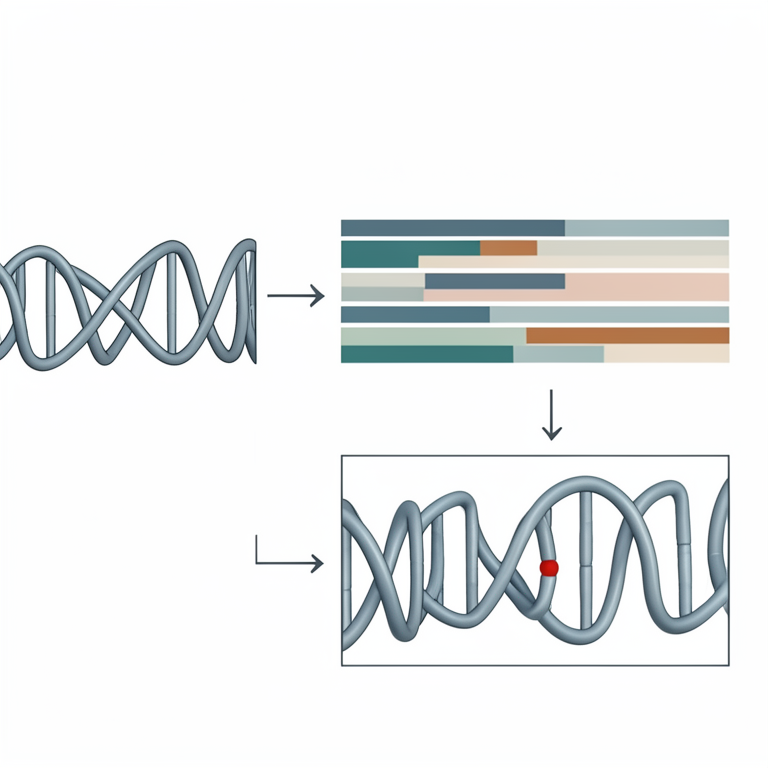
Disease Gene Identification Workflow
AI-generated conceptual illustration (human DNA and genomic sequences). It explains the idea and does not show study data.
View source evidence ↗Figures & tables
From the original paper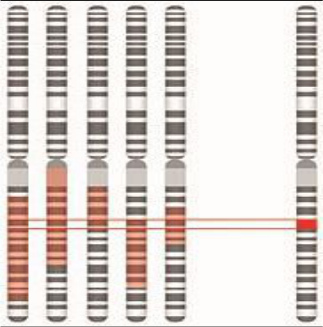 Figure 1
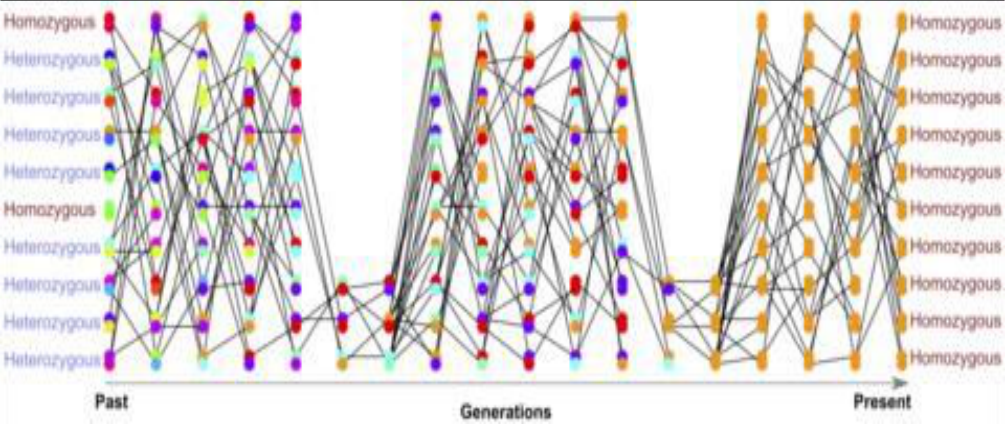 Figure 2
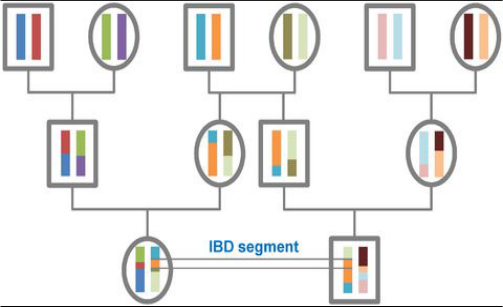 Figure 3
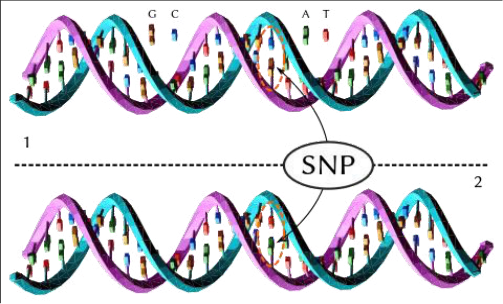 Figure 4
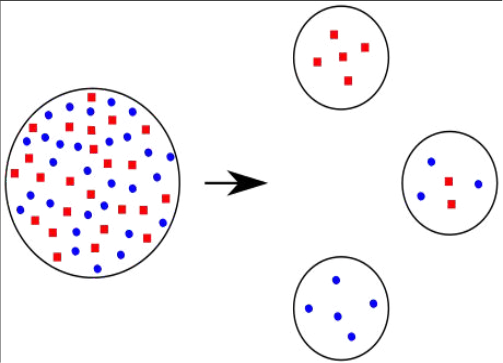 Figure 5
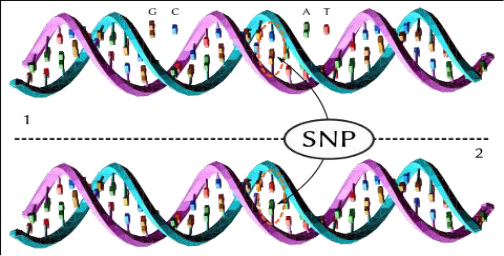 Figure 6
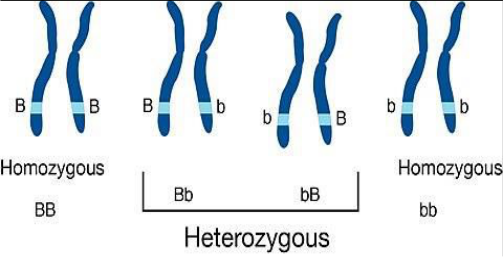 Figure 7
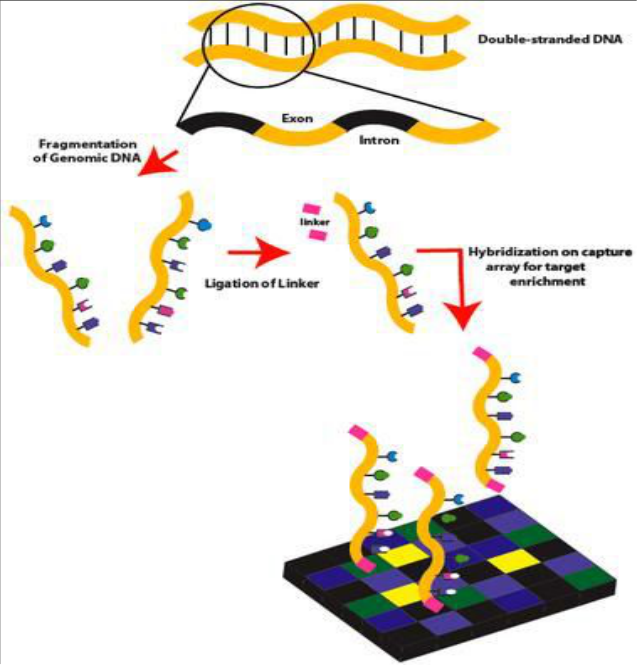 Figure 8
Introduction
Currently, with the extend in handy facts and the improvement of novel molecular biology techniques, new strategies for the identification of sickness genes are evolving. Linkage research and mutation screening are turning into less difficult and the wide variety of recognized (disease) genes is growing rapidly. 2003 noticed the completion of the human genome sequence and the quantity of genes is now set to 20,000-25,000 [1,2] . With all the genetics science in place, identification of disease-related mutations in Mendelian single-gene problems ordinarily relies upon on having the proper sufferers and families. The genetic evaluation of complicated ailments nonetheless stays a tough task, however, and most genes for multifactorial sickness continue to be to be discovered. Genetic mapping via linkage is a mainstay of human genetics research. While positional data reduces the wide variety of genes that are candidates for inflicting the disease, this discount is frequently now not adequate for speedy sickness gene identification. The goal of candidate gene prioritization strategies is to select these genes for special mutation evaluation that are most probable to be the purpose of the disease. This is specifically applicable given that positional techniques might also depart up to a hundred special genes as candidates. Hence extra facts to be used for prioritization is essential. Databases have come to be a core supply for contemporary gene hunters. Retrieval structures such as the National Center for Biotechnology Information's Entrez [3] , the Sequence Retrieval System [4] and Maarten's Retrieval System [5] grant handy and quickly get admission to a series of regularly used databases. The essential center of attention of these retrieval structures is to fetch a set of database entries that meet the person query. Identification of a disorder gene is most in all likelihood to be profitable when positional and purposeful routes are integrated. Integration of facts primarily based on genomic context, such as in the University of California, Santa Cruz genome browser and Ensembl [6,7] , resulted in step via step interfaces (e.g EnsMart [8] ) which extract facts based totally on chromosomal position, gene expression [9] and gene ontology (GO) [10] . Enrichment for ailment candidate genes the usage of these database interfaces, however, relies upon closely on the operation capabilities of the researcher. Alternative strategies have been developed systematically to discover datasets for the most possibly candidate sickness genes. This paper provides an overview of such strategies and their accessibility.
Human disease gene identification methods
Disease gene identification strategies frequently comply with the identical average procedure. DNA is first accumulated from quite a few sufferers who are believed to have the equal genetic disease. Then, their DNA samples are analyzed and screened to decide in all likelihood areas the place the mutation should probably reside. These methods are referred to below. These probably areas are then lined-up with one some other and the overlapping vicinity need to include the mutant gene. If ample of the genome sequence is known, that area is searched for candidate genes. Coding areas of these genes are then sequenced till a mutation is determined or any other affected person is discovered, in which case the evaluation can be repeated, doubtlessly narrowing down the area of interest. The variations between most disorder gene identification techniques are in the 2d step (where DNA samples are analyzed and screened to decide areas in which the mutation may want to reside).
Pre-genomics techniques
Without the resource of the whole-genome sequences, pregenomics investigations appeared at pick out areas of the genome, regularly with solely minimal know-how of the gene sequences they had been searching at. Genetic methods successful of presenting this kind of data consist of Restriction Fragment Length Polymorphism (RFLP) evaluation and microsatellite analysis.
Loss of heterozygosity (LOH)
Loss of heterozygosity (LOH) is method that can solely be used to evaluate two samples from the identical individual. LOH evaluation is frequently used when figuring out cancercausing oncogenes in that one pattern consists of (mutant) tumor DNA and the different (control) pattern consists of genomic DNA from non-cancerous cells from the identical individual. RFLPs and microsatellite markers grant patterns of DNA polymorphisms, which can be interpreted as living in a heterozygous vicinity or a homozygous location of the genome. Provided that all persons are affected with the equal ailment ensuing from a manifestation of a deletion of a single replica of the equal gene, all humans will include one vicinity the place their manage pattern is heterozygous however the mutant pattern is homozygous -this location will incorporate the disorder gene [1,2] .
Post-genomics techniques
With the introduction of modern-day laboratory methods such as High-throughput sequencing and software program successful of genome-wide analysis, sequence acquisition has come to be increasingly more much less luxurious and timeconsuming, as a result presenting extensive advantages to science in the structure of extra environment friendly disorder gene identification techniques.
Identity by descent mapping
Identity via descent (IBD) mapping typically makes use of single nucleotide polymorphism (SNP) arrays to survey regarded polymorphic websites at some stage in the genome of affected humans and their mother and father and/or siblings, each affected and unaffected. While these SNPs likely do no longer reason the disease, they furnish precious perception into the make-up of the genomes in question. A area of the genome is viewed equal by way of descent if contiguous SNPs share the equal genotype. When evaluating an affected man or woman to his/her affected sibling, all same areas are recorded (ex. Shaded in crimson in above figure).
Given that an affected sibling and an unaffected sibling do no longer have the identical disorder phenotype, their DNA have to through definition be distinctive (barring the presence of a genetic or environmental modifier). Thus, the IBD mapping effects can be similarly supplemented with the aid of getting rid of any areas that are equal in each affected humans and unaffected siblings [3] . This is then repeated for a couple of families, as a consequence producing a small, overlapping fragment, which theoretically consists of the sickness gene. In genetics, a single-nucleotide polymorphism is a germline substitution of a single nucleotide at a specific position in the genome. Although certain definitions require the substitution to be present in a sufficiently large fraction of the population, many publications do not apply such a frequency threshold.
Homozygosity/autozygosity mapping
Homozygosity/Autozygosity mapping is a effective technique, however is solely legitimate when looking for a mutation segregating inside a small, closed population. Such a small population, perhaps created by using the founder effect, will have a constrained gene pool, and consequently any inherited ailment will possibly be a end result of two copies of the equal mutation segregating on the same haplotype. Since affected folks will likely be homozygous in the regions, searching at SNPs in a place is an sufficient marker of areas of homozygosity and heterozygosity. Modern day SNP arrays are used to survey the genome and perceive giant areas of homozygosity. Homozygous blocks in the genomes of affected men and women can then be laid on pinnacle of every other, and the overlapping area have to comprise the sickness gene [4] . This evaluation is regularly prolonged by means of examining autozygosity, an extension of homozygosity, in the genomes of affected individuals [5] . This can be completed with the aid of plotting a cumulative LOD rating alongside the overlaid blocks of homozygosity. By taking into consideration the populace allele frequencies for all SNPs by means of autozygosity mapping, the outcomes of homozygosity can be confirmed [5] . Furthermore, if two suspicious areas show up as a end result of homozygosity mapping, autozygosity mapping can also be capable to distinguish between the two (ex. If one block of homozygosity is a end result of a very non-diverse area of the genome, the LOD score will be very low). In population genetics, the founder effect is the loss of genetic variation that occurs when a new population is established by a very small number of individuals from a larger population. It was first fully outlined by Ernst Mayr in 1942, using existing theoretical work by those such as Sewall Wright. As a result of the loss of genetic variation, the new population may be distinctively different, both genotypically and phenotypically, from the parent population from which it is derived. In extreme cases, the founder effect is thought to lead to the speciation and subsequent evolution of new species. A haplotype is a group of alleles in an organism that are inherited together from a single parent. Zygosity is the degree to which both copies of a chromosome or gene have the same genetic sequence. In other words, it is the degree of similarity of the alleles in an organism.
Tools for Homozygosity Mapping 1. HomSI: a homozygous stretch identifier from nextgeneration sequencing data [6] A tool that identifies homozygous regions using deep sequence data.
Genome-wide knockdown studies
Genome-wide knockdown research are an instance of the reverse genetics made feasible with the aid of the acquisition of complete genome sequences, and the introduction of genomics and gene-silencing technologies, mostly siRNA and deletion mapping. Genome-wide knockdown research contain systematic knockdown or deletion of genes or segments of the genome [7] . This is commonly finished in prokaryotes or in a tissue lifestyle surroundings due to the huge variety of knockdowns that need to be performed [8] . After the systematic knockout is done (and perchance proven by way of mRNA expression analysis), the phenotypic effects of the knockdown/knockout can be observed. Observation parameters can be chosen to goal a distinctly particular phenotype [8] . The ensuing dataset is then be queried for samples which show off phenotypes matching the disorder in querythe gene(s) knocked down/out in stated samples can then be regarded candidate disorder genes for the man or woman in question.
Whole exome sequencing
Whole exome sequencing is a brute-force strategy that entails the use of contemporary day sequencing technological knowhow and DNA sequence meeting equipment to piece collectively all coding parts of the genome. The sequence is then in contrast to a reference genome and any variations are noted. After filtering out all acknowledged benign polymorphisms, synonymous changes, and intronic adjustments (that do now not have an effect on splice sites), solely probably pathogenic variations will be left. This approach can be mixed with different strategies to similarly knock out probably pathogenic versions have to extra than one be identified [9] . Exome sequencing, also known as whole exome sequencing (WES), is a genomic technique for sequencing all of the protein-coding regions of genes in a genome. It consists of two steps: the first step is to select only the subset of DNA that encodes proteins. These regions are known as exonshumans have about 180,000 exons, constituting about 1% of the human genome, or approximately 30 million base pairs. The second step is to sequence the exonic DNA using any high-throughput DNA sequencing technology.
Future: Integration and Standardization
The various methods for identifying my candidate disease genes in humans cover different concepts. They use functional and literature data, gene-specific characteristics, anatomybased gene/protein expression data or phenotype comparison analyses. In light of the comparable enrichment levels achieved with the different methods, it is likely that they can complement each other.
The results discussed here suggest that the phenotype is a powerful source for revealing biological function and that special attention is needed for the standardization of the description of phenotypes. Various approaches to a more systematic description of phenotype data have been proposed and await further development. Essential to the improvement of the candidate disease gene identification methods will be the establishing of standard vocabularies that can be used across databases and species. A further challenge will be to develop, refine and integrate these methods into a system that aids in elucidation and understanding of the mechanisms of (complex) disease.
Figures and tables from the paper
References
16 in the original paper- Baker SJ, Fearon ER, Nigro JM, Hamilton SR, Preisinger AC, Jessup JM et al. "Chromosome 17 deletions and p53 gene mutations in colorectal carcinomas". Science,1989:244(4901):217-21.
- Bell R, Herring SM, Gokul N, Monita M, Grove ML, Boerwinkle E et al. High-resolution identity by descent mapping uncovers the genetic basis for blood pressure differences between spontaneously hypertensive rat lines". Circ Cardiovasc Genet,2011:4(3):223-31.
- Broman KW, Weber JL. "Long homozygous chromosomal segments in reference families from the centre d'Etude du polymorphisme humain". Am. J. Hum. Genet,1999:65(6):1493-500.
- Zeliha Görmez; Burcu Bakir-Gungor, Mahmut Şamil Sağıroğlu. "HomSI: a homozygous stretch identifier from next-generation sequencing data". Bioinformatics,2014:30(3):445-447.
- Sudheer Menon. "Preparation and computational analysis of Bisulphite sequencing in Germfree Mice" International Journal for Science and Advance Research In Technology,2020:6(9):557-565.
- Sudheer Menon, Shanmughavel Piramanayakam, Gopal Agarwal. "Computational identification of promoter regions in prokaryotes and Eukaryotes" EPRA International Journal of Agriculture and Rural Economic Research (ARER),2021:9(7):21-28.
- Sudheer Menon. "Bioinformatics approaches to understand gene looping in human genome" EPRA International Journal of Research & Development (IJRD),2021:6(7):170-173.
- Sudheer Menon. "Insilico analysis of terpenoids in Saccharomyces Cerevisiae"international Journal of Engineering Applied Sciences and Technology, ISSN No. 2455-2143,2021:6(1):43-52.
- Sudheer Menon. "Computational analysis of Histone modification and TFBs that mediates gene looping" Bioinformatics, Pharmaceutical, and Chemical Sciences (RJLBPCS),2021:7(3):53-70.
- Sudheer Menon Shanmughavel piramanayakam, Gopal Prasad Agarwal. "FPMD-Fungal promoter motif database: A database for the Promoter motifs regions in fungal genomes" EPRA International Journal of Multidisciplinary research,2021:7(7):620-623.
- Sudheer Menon, Shanmughavel Piramanayakam, Gopal Agarwal. Computational Identification of promoter regions in fungal genomes, International Journal of Advance Research, Ideas and Innovations in Technology,2021:7(4):908-914.
- Sudheer Menon, Vincent Chi Hang Lui, Paul Kwong Hang Tam. Bioinformatics methods for identifying hirschsprung disease genes, International Journal for Research in Applied Science & Engineering Technology (IJRASET),2021:9(7):2974-2978.
- Luo J, Emanuele MJ, Li D, Creighton CJ, Schlabach MR, Westbrook TF, Wong KK et al. "A genome-wide RNAi screen identifies multiple synthetic lethal interactions with the Ras oncogene". Cell,2009:137(5):835-48.
- Fortier S, Bilodeau M, Macrae T, Laverdure JP, Azcoitia V, Girard S et al. "Genome-wide interrogation of Mammalian stem cell fate determinants by nested chromosome deletions". PLOS Genet,2010:6(12):e1001241.
- Chen WJ, Lin Y, Xiong ZQ, Wei W, Ni W, Tan GH et al. "Exome sequencing identifies truncating mutations in PRRT2 that cause paroxysmal kinesigenic dyskinesia". Nat. Genet,2011:43(12):1252-5.
- Johnson GC, Esposito L, Barratt BJ, Smith AN, Heward J, Di Genova G et al. "Haplotype tagging for the identification of common disease genes". Nat Genet,2001:29(2):233-7.
Cited by 5
From OpenAlex, OpenCitations and reference lists read by Scinovex
- A survey on improving pattern matching algorithms for biological sequences ↗
Belal A. Hamed, Osman Ali Sadek Ibrahim, Tarek Abd El‐Hafeez · Concurrency and Computation Practice and Experience · 2022
Summary Pattern matching is a highly useful procedure in several stages of the computational pipelines. Furthermore, some research trends in this research domain contributed to growing biological databases and updated them throughout time. This article proposes an comparison and analysis of different algorithms for match equivalent pattern matching like complexity, efficiency, and techniques. Which algorithm is best for which DNA…
❝ 13 - Computational Identification of Upregulated Genes in Breast, Prostate and Colorectal Cancer and the Cellular Signaling Process ↗
Sudheer Menon · Research Journal of Life Sciences Bioinformatics Pharmaceutical and Chemical Sciences · 2021
Cancer is considered as the deadliest disease all around the globe as it imparts a massive death toll among the public of all races, sexes and age groups. According to SEER and IARC, 14.2 million new cases of cancer are diagnosed annually. The annual rate in developed countries is 6.2 million (45% of the total cases) along with mortality rate…
❝ 0PDF - Structural and Functional Characteristics of Mirna in Colon Cancer and the Identification of Targets by Insilico Methods ↗
Sudheer Menon · Research Journal of Life Sciences Bioinformatics Pharmaceutical and Chemical Sciences · 2021
MicroRNAs (miRNA) are single-stranded RNA molecules with a length of 21-23 nucleotides that inhibit mRNA translation and promote mRNA degradation. miRNA is an endogenous regulator of gene expression that is involved in cancer biology processes such as cell growth, proliferation, differentiation, and apoptosis. Dysregulation of miRNA has been linked to colorectal cancer in several studies. Depending on the cellular context…
❝ 0PDF - An insight to bioinformatics methods in natural product drug discovery ↗
Sudheer Menon, Binu P. Thomas · International Journal of Clinical Biology and Biochemistry · 2021
The disclosure of new drug drugs is one of the superior errands—experimentally, financially, and socially—in the biomedical examination. Advances in informatics and computational science have expanded efficiency at many phases of the medication revelation pipeline. By and by, drug revelation has eased back, to a great extent because of the dependence on little atoms as the essential wellspring of novel
- Bioinformatics approaches for cross-species liver cancer analysis based on single-cell RNA sequencing data in rats mice and human insights causative genes and pathways ↗
Sudheer Menon · International Journal of Molecular Biology and Biochemistry · 2021
In this research, we first recognized 2322 differentially expressed genes via way of means of evaluating gene expression profiles for 2 control, adenoma, and carcinoma samples by the use of an F-test. These genes have been sooner or later mapped to the rat chromosomes through the use of a unique visualization tool, the Chromosome Plot. Using the equal plot, we