
Research article · 2021 · Full text
International Journal of Agriculture Extension and Social DevelopmentOverview of domestic poultry farming in Madagascar
Volume 4(2) · Pages 22–28 · DOI: 10.33545/26180723.2021.v4.i2a.100 ↗
Research areasLivestock and Poultry ManagementLivestock Farming and ManagementAnimal Nutrition and Physiology
Abstract
Author-writtenPoultry farming plays an important nutritional and economic role in developing countries. The purpose of this study is to provide an overview of domestic poultry production in Madagascar. The composition and distribution of livestock, the husbandry practices adopted by farmers and the limitations of the poultry system are discussed. It was found that the majority of the livestock is composed of chickens, ducks, geese and turkeys of various indigenous breeds. Then, a predominance of the traditional type of breeding is observed. Finally, the existence of constraints (sanitary and husbandry) limits the development of the sector. Thus, various support actions along the value chain will be necessary to improve the Malagasy poultry sector
Summary
Source-checkedPlain-language reading of the full paper, prepared with AI and checked against the text. Each point links to the authors' own words.
Why it matters
- Village poultry farming is a primary method of production in developing countries, representing over 77% of the domestic poultry population in Africa. View evidence ↗
- In Madagascar, village poultry farming is accessible to all families, including the poorest, because it requires minimal investment and attention. View evidence ↗
- Poultry farming supports rural livelihoods in Madagascar by providing a source of easily mobilized cash for basic necessities, seeds, and emergency expenses. View evidence ↗
The question
- The study aims to provide a comprehensive overview of the poultry sector in Madagascar due to a lack of accurate existing data. View evidence ↗
What they did
- The synthesis describes the species raised, their distribution, husbandry practices, and the constraints hindering the sector's development. View evidence ↗
What they found
- The total domestic poultry population in Madagascar is estimated at 29 million head. View evidence ↗
- Chickens dominate the livestock at 83% (24,213,522 head), followed by ducks at 13% (3,774,515 head), and geese and turkeys each at 2%. View evidence ↗
- Approximately 77.4% of farmers (1,875,313 people) practice poultry farming, with an average of ten birds per farm. View evidence ↗
- The Analamanga region has the highest poultry density at 10%, correlating with its high human population. View evidence ↗
- Village poultry farming is the predominant system, used by 95% of producers, while commercial farming is restricted to about 5%. View evidence ↗
- Newcastle disease is a major health constraint, causing up to 44.3% of annual mortality in village poultry, despite the availability of vaccines. View evidence ↗
- Indigenous Malagasy chickens are smaller than commercial breeds, with females weighing 1 to 1.5 kg and males weighing 2 to 2.5 kg. View evidence ↗
What it means
- The authors conclude that the development of the poultry sector is hindered by poor sanitary practices and the current breeding systems. View evidence ↗
Visual summary
1 visualsIllustrations explain the paper; they do not show study data.
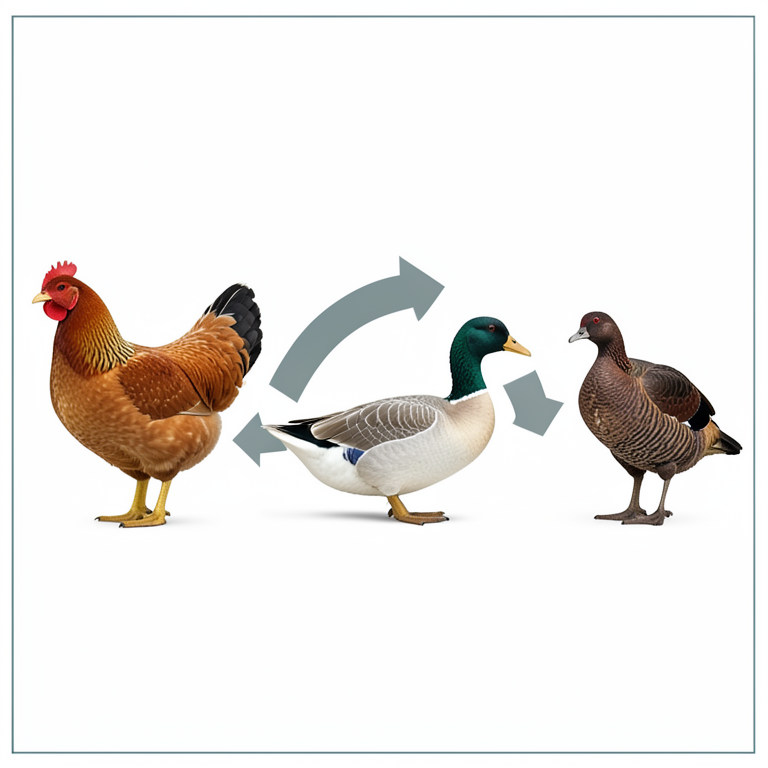
Poultry Species Composition
AI-generated conceptual illustration (domestic poultry (chickens, ducks, geese, and turkeys)). It explains the idea and does not show study data.
View source evidence ↗Figures & tables
From the original paper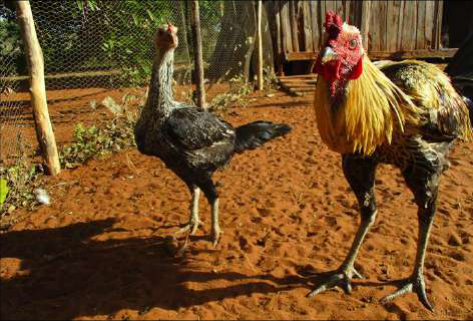 Figure 1
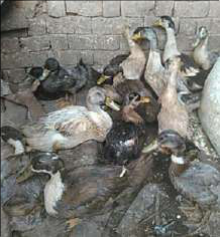 Figure 2
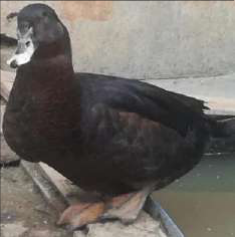 Figure 2
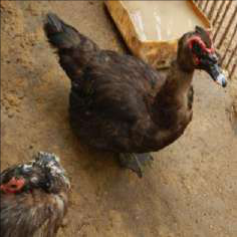 Figure 2
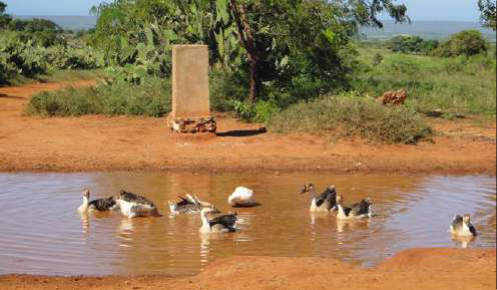 Figure 3
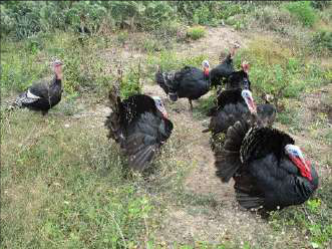 Figure 4
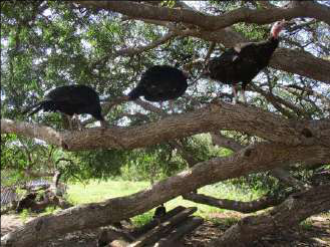 Figure 4
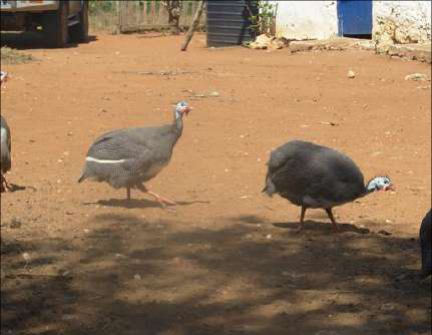 Figure 5
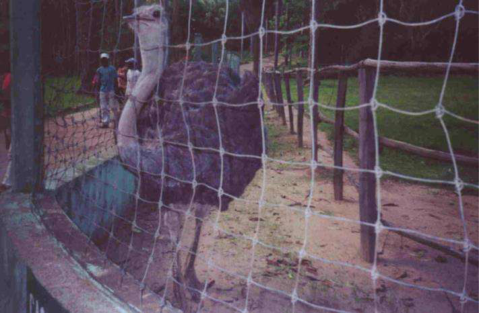 Figure 6
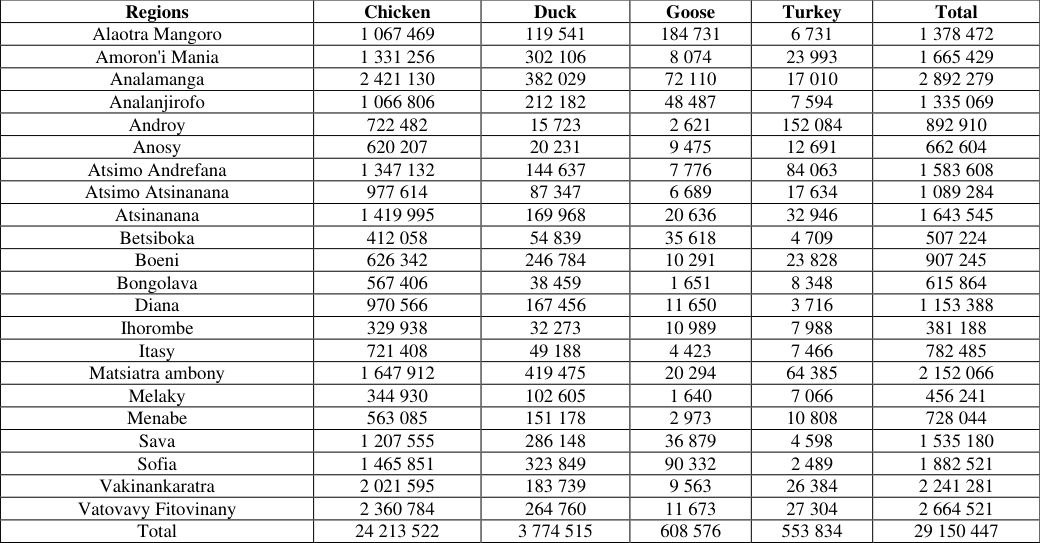 Table 1
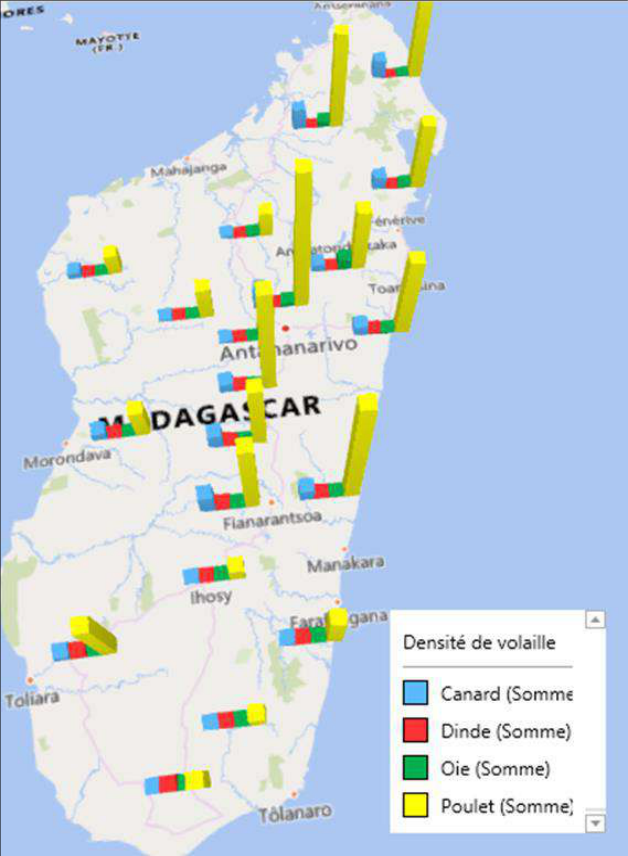 Figure 7
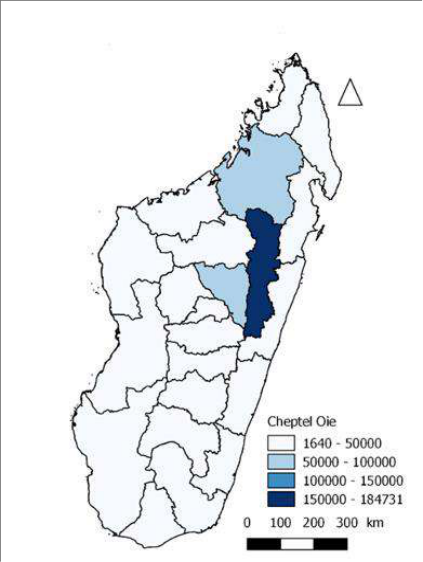 Figure 8
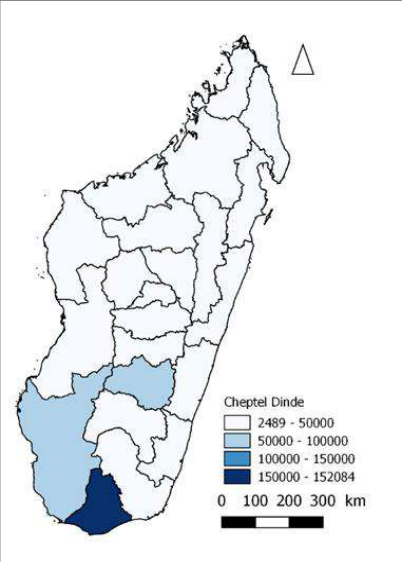 Figure 8
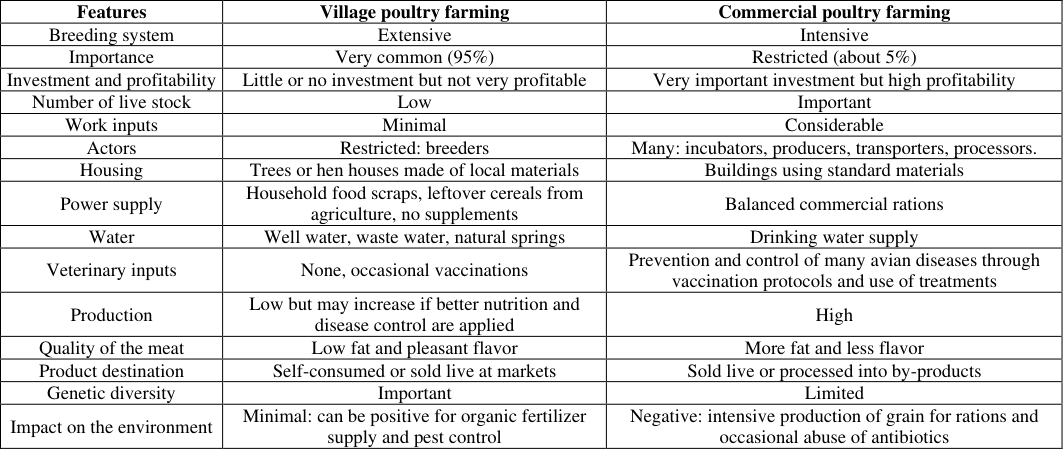 Table 2
Introduction
Village poultry farming, commonly called family poultry farming or traditional poultry farming, is an important activity in developing countries [1,2] . It is based on the exploitation of small numbers of poultry, generally of local breed and marked by the mixing of species [3][4][5][6] . Village poultry farming is the leading form of poultry production in many developing countries [7] . In Africa, it accounts for more than 77% of the domestic poultry population [8] , although there are variations from one country to another: 30% in Zimbabwe, 53% in Côte d'Ivoire, 70% in Kenya, 80% in Nigeria, 86% in Tanzania, 99% in Ethiopia [9] , 90 to 95% in Mali [10] , 99% in Niger [11] and 95% in Madagascar [12] . In Madagascar, village poultry farming is an activity within the reach of all farming families, even the poorest [13] . It is easy to practice without a large investment and does not require any particular attention [14] . This type of livestock farming contributes to the livelihoods of rural populations since it constitutes a source of regular and easily mobilized income for poultry farmers [15][16][17] . Poultry is used as a source of cash for the purchase of basic necessities and seeds [18] as well as to cover the family's cash needs in case of major problems [19] . It is also a high quality animal protein resource. In addition, poultry farming is closely linked to agriculture. Poultry manure provides organic fertilizer for agriculture. On the other hand, poultry find their food by wandering only between the places of the village to feed on grass seeds, insects, grass, fallen seeds, remains of vegetables and fruits valorizing the remains of the harvest and kitchen waste [20] . Therefore, poultry farming contributes greatly to poverty alleviation and improvement of household food security and is an excellent means to fight poverty [21,22] . Despite the importance of the village poultry sector, there is little accurate data on the activity in Madagascar. Hence the objective of this synthesis to provide an overview of the sector in the country. In other words, it describes the species of domestic poultry raised, their geographical distribution, the way they are raised, and the factors that hinder the development of the poultry sector in Madagascar.
Varieties of domestic poultry species and breeds in Madagascar
In the backyard in Madagascar, the livestock consists mainly of chickens, palmipeds (goose and duck) and turkeys. However, other species such as quail, guinea fowl, pigeon and ostrich also exist in small numbers.
Chickens
The domestic chicken (Gallus gallus domesticus) is one of the most widely distributed domestic animal species in the world. Among the reasons for this global distribution are their easy portability, expansion through human migration and agricultural practices [23,24] . They are also widely accepted by populations from diverse cultural and religious www.extensionjournal.com backgrounds [25] . It is commonly accepted that chickens widespread in the world today originate mainly from the domestication of the red jungle fowl (Gallus gallus species) in Asia [26] . Native chicken is a species adapted to harsh environmental conditions and includes large-scale, smallscale, free-range village production systems [27] . Sometimes it is referred to as traditional, salvage, backyard, village, local or family chicken [28] . Around the world, many indigenous or local chickens have been reported [27] . In Madagascar, the local chicken is called "Akoho gasy" (Figure 1). It consists of a multitude of varieties that is very little known. Consequently, the possibility of integrating it into a program to improve the productivity of the poultry industry based on endogenous genetic resources is limited [29] . On the other hand, some varieties of local breed ecotypes that have already been identified in other African countries, such as the naked neck and feathered tarsus [30,31] , are observed in Malagasy village poultry production. The local chickens are intended for local consumption for both meat and eggs.
The ducks
The duck is robust, a very good fodder user and easy to flock, especially in wetlands [17] . Among domesticated poultry species in Madagascar, the duck was ranked second after the chicken [32] . Three types of duck are raised in Madagascar: common duck (Anas platyrhyncos), Muscovy duck (Cavuna moschata) and mule duck. The common duck and Muscovy duck are native to Southeast Asia and South America respectively [33] . On the other hand, the mulard duck is a hybrid resulting from the crossing between common duck and Muscovy duck [34] . In most tropical countries, local duck breeds have been selected to adapt to regional conditions [17] . In contrast, in Madagascar, the characteristics of local breeds are poorly known. However, the existence of ducks common to two varieties is noted, white and dark plumage. In the local language, the common duck (Figure 2a), the mulard duck (Figure 2b) and the Muscovy duck (Figure 2c) are respectively called "Gana", "Sarin-dokotra" and "Dokotra". The "Gana" and the "Dokotra" are raised for meat, eggs, feather and down production. On the other hand, the "Sarindokotra" is a sterile animal, but it grows rapidly and fattens up very quickly, producing good quality meat [35] . Thus, it is intended mainly for the production of foie gras.
Geese
The goose was one of the first animals to be domesticated. Despite this, it has never been commercially exploited to the same extent as the chicken. In general, domesticated breeds of geese are much larger than their wild ancestors, although in many cases they have retained their ability to fly. Crosses between domestic breeds derived from two wild goose species (Anser anser and Anser cygnoides) are fertile and have in fact resulted in a number of recognized breeds [36] .
The Malagasy domestic goose, originally from Asia and descended from the wild swan goose (Anser cygnoides), is exploited for its meat and for the production of feathers and down. It is called "Gisa" in the local language (Figure 3).
Little is known about the characteristics of the local breeds. However, knowledge of the morphological characters of local ecotypes of goose species is important if they are to be fully exploited [37] . www.extensionjournal.com
Turkey
The turkey (Meleagris ocellata), native to Latin America, was introduced to Europe in the 16th century and then to tropical Africa: Ghana, Ivory Coast and Madagascar. The breeds raised by rural producers have a black plumage, distinct from the white plumage breeds usually used in intensive breeding. In Madagascar, the turkey is known locally as "Vorontsiloza", "Kolokoloka" (Figure 4). It produces mainly meat and is raised only for meat production. Turkey meat has a high content of protein, vitamins and minerals [38] . On the other hand, it has a low content of fat and saturated fatty acids, making it a "healthy" meat [39,40] .
The guinea fowl
The Malagasy guinea fowl (Numida meleagris) is derived from a wild species from Africa and is locally called "Akanga", "Tomena" or "Tomendry" and "Vitro" (Figure 5).
Quail
Originally, the quail was part of the wild fauna, but over time humans have domesticated it because of the quality of its meat and the exceptional virtues of its eggs, which are used for consumption, ornamental purposes and as a remedy [41] . There are various breeds of quail, but the common quail (Coturnix Coturnix) and the Japanese quail (Coturnix japonica) are those raised in Madagascar. In Madagascar, it is called in local language "Papelika".
The ostrich
The ostrich is a recently introduced species in Madagascar (Figure 6). Its production system requires a high level of inputs with the objective of producing chicks, meat, skins and feathers [42] .
Fig 6:
Fig 6:
Poultry population in Madagascar and geographical distribution
Poultry farming, all species combined, is practiced by 1,875,313 farmers, i.e., nearly 77.4%, and a farm raises, on average, about ten poultry, generally as a secondary activity, in addition to farming [32] . The density of poultry varies according to the region and is strongly associated with the distribution of the human population (Figure 7). The Analamanga region, which is the most populated, has the highest density of poultry (10%). According to the latest census of the Ministry of Agriculture (Table 1), Livestock and Fisheries [32] , domestic poultry is estimated at 29 million head, of which chicken is in first place with 83% of the livestock (24,213,522 head), followed by ducks (13%, 3,774,515 head), geese (2%, 608,576 head) and turkey (2%, 553,834 head). www.extensionjournal.com Poultry farming is present throughout the country [43] . However, their importance varies from one region to another. For chicken, three regions (Analamanga, Vakinankaratra and Vatovavy Fitovinany) each have a flock of over 2 million head, while eight regions (Matsiatra Ambony, Atsimo Andrefana, Amoron'i Mania, Alaotra Mangoro, Atsinanana, Analanjirofo, Sofia and Sava) have a flock of over 1 million head. The other regions have a small number of animals, with less than one million head (Table 1). In addition, duck farming is important in four regions (Matsiatra Ambony, Amoron'i Mania, Analamanga, Sofia) with more than 300,000 head recorded [32] . Among domestic poultry, geese and turkeys appear to be less important except in the Alaotra Mangoro and Androy regions respectively [32] . Guinea fowl are raised in the south and west of the island in the wild, while quail are raised in the vicinity of the capital. Ostrich farming is located in the western and central parts of Madagascar, particularly in Morondava, Mahajanga and Antsirabe. Figure 8 shows the number of chickens, ducks, geese and turkeys by region.
| Regions | Chicken | Duck | Goose | Turkey | Total |
|---|---|---|---|---|---|
| Alaotra Mangoro | 1 067 469 | 119 541 | 184 731 | 6 731 | 1 378 472 |
| Amoron'i Mania | 1 331 256 | 302 106 | 8 074 | 23 993 | 1 665 429 |
| Analamanga | 2 421 130 | 382 029 | 72 110 | 17 010 | 2 892 279 |
| Analanjirofo | 1 066 806 | 212 182 | 48 487 | 7 594 | 1 335 069 |
| Androy | 722 482 | 15 723 | 2 621 | 152 084 | 892 910 |
| Anosy | 620 207 | 20 231 | 9 475 | 12 691 | 662 604 |
| Atsimo Andrefana | 1 347 132 | 144 637 | 7 776 | 84 063 | 1 583 608 |
| Atsimo Atsinanana | 977 614 | 87 347 | 6 689 | 17 634 | 1 089 284 |
| Atsinanana | 1 419 995 | 169 968 | 20 636 | 32 946 | 1 643 545 |
| Betsiboka | 412 058 | 54 839 | 35 618 | 4 709 | 507 224 |
| Boeni | 626 342 | 246 784 | 10 291 | 23 828 | 907 245 |
| Bongolava | 567 406 | 38 459 | 1 651 | 8 348 | 615 864 |
| Diana | 970 566 | 167 456 | 11 650 | 3 716 | 1 153 388 |
| Ihorombe | 329 938 | 32 273 | 10 989 | 7 988 | 381 188 |
| Itasy | 721 408 | 49 188 | 4 423 | 7 466 | 782 485 |
| Matsiatra ambony | 1 647 912 | 419 475 | 20 294 | 64 385 | 2 152 066 |
| Melaky | 344 930 | 102 605 | 1 640 | 7 066 | 456 241 |
| Menabe | 563 085 | 151 178 | 2 973 | 10 808 | 728 044 |
| Sava | 1 207 555 | 286 148 | 36 879 | 4 598 | 1 535 180 |
| Sofia | 1 465 851 | 323 849 | 90 332 | 2 489 | 1 882 521 |
| Vakinankaratra | 2 021 595 | 183 739 | 9 563 | 26 384 | 2 241 281 |
| Vatovavy Fitovinany | 2 360 784 | 264 760 | 11 673 | 27 304 | 2 664 521 |
| Total | 24 213 522 | 3 774 515 | 608 576 | 553 834 | 29 150 447 |
Table text extracted from the original PDF; superscript letters are shown inline. The original table image is below.
View original table image
Conducting poultry farming in Madagascar
Malagasy poultry farming is conducted in both extensive and intensive modes. Village poultry farming generally follows the extensive mode, is marked by the exploitation of small numbers and by the mixing of species. Thus, it is easy to practice but not very profitable. On the other hand, commercial poultry farming is practiced according to an intensive system and oriented towards the production of a single product with the exploitation of flocks of a very large number of poultry. Since livestock are more concentrated and larger than in the village sector, commercial poultry farming is much more difficult to manage. Consequently, it is located around urban and peri-urban areas (Table 2). Village poultry farming is of the traditional type. However, it is further subdivided into three modes of production. Firstly, extensive free-range farming where the poultry roam without care or food supply with or without the presence of a habitat. Secondly, extensive backyard rearing where the birds are confined in a house at night and released during the day. A distribution of supplementary feed is made by the breeders. This is the practice adopted by the vast majority of producers. Third, improved extensive rearing where the birds are kept in a fenced area with access to housing, care and feed [44] .
| Features | Village poultry farming | Commercial poultry farming |
|---|---|---|
| Breeding system | Extensive | Intensive |
| Importance | Very common (95%) | Restricted (about 5%) |
| Investment and profitability | Little or no investment but not very profitable | Very important investment but high profitability |
| Number of live stock | Low | Important |
| Work inputs | Minimal | Considerable |
| Actors | Restricted: breeders | Many: incubators, producers, transporters, processors. |
| Housing | Trees or hen houses made of local materials | Buildings using standard materials |
| Power supply | Household food scraps, leftover cereals from agriculture, no supplements | Balanced commercial rations |
| Water | Well water, waste water, natural springs | Drinking water supply |
| Veterinary inputs | None, occasional vaccinations | Prevention and control of many avian diseases through vaccination protocols and use of treatments |
| Production | Low but may increase if better nutrition and disease control are applied | High |
| Quality of the meat | Low fat and pleasant flavor | More fat and less flavor |
| Product destination | Self-consumed or sold live at markets | Sold live or processed into by-products |
| Genetic diversity | Important | Limited |
| Impact on the environment | Minimal: can be positive for organic fertilizer supply and pest control | Negative: intensive production of grain for rations and occasional abuse of antibiotics |
Table text extracted from the original PDF; superscript letters are shown inline. The original table image is below.
View original table image
Limits of Malagasy village poultry farming: The case of local chicken farming
Village poultry farming is technically and production-wise very basic, with a lack of food supply and inadequate sanitary and medical prophylaxis. Moreover, it uses indigenous breeds that are never subjected to genetic improvement. Neglect of sanitary aspects leads to vulnerability of poultry to various diseases [36] . Indeed, in village poultry farming, farmers do not follow vaccination programs against diseases that affect their poultry nor do they take measures to control parasitic infestations. This leads to massive mortality in the flock, resulting in low productivity. Several diseases such as fowl pox, fowl pasteurellosis and Newcastle disease threaten village poultry. However, the severity of Newcastle disease, which sometimes ravages the entire flock, results in significant losses to poultry farmers and makes Newcastle disease the main health constraint in chicken farming [45] . In Madagascar, vaccines are available to prevent the occurrence of fowl pox, fowl pasteurellosis and Newcastle disease. They are produced locally by IMVAVET and named respectively VARAVIA®, AVICHOL® and PESTAVIA®. Despite the existence of vaccines, Newcastle disease continues to strike Malagasy village poultry, particularly chicken, causing up to 44.3% of the mortality recorded annually [43] . On the other hand, decreases in the productivity of local chicken flocks in Madagascar could lead to increased poverty, degenerate household food security and protein intake of rural communities. In addition, the breeding practices adopted lead to generally poor growth and reproductive performance compared to exotic breeds that are already improved. For example, indigenous Malagasy chickens are known to be small in size compared to commercial breeds. The female weighs only 1 to 1.5 kg and the male weighs only 2 kg to 2.5 kg [46] . From the point of view of feeding, the availability of Basic Palatable Food Resources (BPFR) is currently a limiting factor in increasing the size of the roaming poultry flock, unless regular supplementation is used.
Conclusions
In conclusion, village poultry farming is spread throughout the national territory and occupies the first place among poultry productions in Madagascar. It includes various varieties of little-known local breeds that are really adapted to the climatic conditions of the island. But the neglect of the sanitary side and the type of breeding system adopted are brakes for the development of the sector. However, poverty alleviation and improvement of the nutritional situation of local communities could be effectively addressed, to a large extent, by strengthening family poultry farming. Thus, support actions along the entire value chain are needed to improve the sector. Upstream, innovations must be made in the breeding system for profitable productivity. Downstream, a better knowledge of the ecology of microbial agents responsible for poultry diseases
Acknowledgement
www.extensionjournal.com (bacteria, viruses, parasites) is necessary in order to develop strategies for health improvements.
Figures and tables from the paper
References
47 in the original paper- Copland JW, Alders RG. The Comparative Advantages of Village or Smallholder Poultry in Rural Development. In: (ACIAR) CACfIAR, editor. Proceedings of an international conference, Dares Salaam, Tanzania, October 2005-9, 5-7.
- Alders R, Spradbrow P. Newcastle disease in village chickens, a field manual. Maputo, Mozambique 2000, 46.
- Guèye EF. Gender issues in family poultry production systems in low-income food-deficit countries. American Journal of Alternative Agriculture 2003;18:185-195.
- Kabatange MA, Katule AM. Rural poultry production systems in Tanzania Ile-Ife 1990, 171-176.
- Traoré B. Caractérisation des élevages avicoles traditionnels en zone soudanienne et soudanoguinéenne du Mali Senegal 1997, 133-139.
- Njue SW, Kasiiti JL, Macharia JM, Garcheru SG, Mbugua HCW. Health management improvements of family poultry production in Africa: survey results from Kenya. Characteristics and parameters of family poultry production in Africa: Publication of FAO/IAEA Coordinated Research Programme 2002, 39-45.
- Moussa Amadou B, Idi A, Benabdeljelil K. Aviculture familiale rurale au Niger: alimentation et performances zootechniques. Communications en Aviculture Familiale 2010;19:1-50.
- Sonaiya EB. Family poultry, food security and the impact of HPAI. World Poultry Science Journal 2007;63:132-138.
- Kitalyi AJ. Village chicken production in rural Africa, household food security and gender issues: Animal Production and Health Paper No. Food and Agricultural Organisation of the United Nations, Rome 1998, 142.
- Kounta AOS. Note technique surly development de l'aviculture au Mali. Tropicultura 1992;10:103-105.
- Illa Kane S. Contribution à l'évaluation du Programme Spécial Sécurité Alimentaire (PSSA) de la FAO: Cas de l'élevage de la pintade Galon en milieu rural au Niger. Dakar, Sénégal 2005, 93.
- Ocean Consultant. Filière aviculture traditionnelle. (MAEP) 2004, 7.
- Bell JG. The village chicken and disease control. Tanzanian Veterinary Journal 1992;29:44-46.
- Boko KC, Kpodekon TM, Dahouda M, Marlier D, Mainil JG (2012) Contraintes techniques et sanitaires delà production traditionnelles de pintade en Afrique subsaharienne. Ann Méd Vét 1992;156:25-36.
- Maminiaina OF. Caractérisation des virus de la maladie de Newcastle (APMV-1) circulant sur les hautes terres de Madagascar 2011.
- Mbolanantenaina R. Aviculture familiale à Madagascar: productivité et de croissance du poulet autochtone dans la zone forestière de Moramanga 2016.
- Sonaiya EB, Swan SEJ. Production en aviculture familiale, un manuel technique 2004.
- Idi A, Ganda IO. Revue du secteur avicole: Niger 2010, 69.
- Bagnol B. The social impact of Newcastle disease control. Proceedings of an International Workshop (Alders, R.G. and Spradbrow, P.B., Eds.). SADC Planning Workshop on Newcastle Disease Control in Village Chickens. 6-9 March 2000. ACIAR Procédions. Maputo, Mozambique 2001;103:69-75.
- Ayssiwede S et al. Elevage des poulets traditional ou indigènes au Sénégal et en Afrique Subsaharienne: état des lieux et contraintes. Ann Méd Vét 2013;157:103119.
- Idi A. La méléagriculture au Niger: rapport final de l'activité Connaissance des systèmes de production des pintades au niger. INRA 1996, 23.
- Ambali AG, Abubakar MB, James TE. An assessment of poultry health problems in Maiduguri, Borno State, Nigeria. Trop Vet 2003;21:138-145.
- Pitt JC. The ecology of chickens: An examination of the introduction of the domestic chicken across Europe after the Bronze Age 2017.
- Wragg D, Mwacharo JM, Alcalde JA, Hocking PM, Hanotte O. Analysis of genome-wide structure, diversity and fine mapping of Mendelian traits in traditional and village chickens. Heredity (Edinb) 2012;109:6-18.
- Ideris A, Ibrahim AL, Spradbrow PB. Vaccination of chickens against Newcastle disease with a food pellet vaccine. Avian Pathology 1990;19:371-384.
- Tixier-Boichard M, Bed'hom B, Rognon X. Chicken domestication: From archeology to genomics. Comptes Rendus Biologies 2011;334:197-204.
- Manyelo TG, Selaledi L, Hassan ZM, Mabelebele M. Local Chicken Breeds of Africa: Their Description, Uses and Conservation Methods. Animals (Basel) 2020, 10.
- Padhi MK. Importance of Indigenous Breeds of Chicken for Rural Economy and Their Improvements for Higher Production Performance. Scientifica (Cairo) 2016, 2604685.
- Hondonougbo PV. Caractérisations phénotypiques des populations de pintades (Numida meleagris) locales élevées au Bénin 2017.
- Bessadok A, Khochlef I, El Gazzah M. Etat des ressources génétiques de la population locale du poulet en Tunisie. Tropicultura 2003;21:67-172.
- Fotsa JC. Characterization of local chicken populations (Gallus gallus) in Cameroon [Docteur D'agroparistech et de Doctor of phylosophy (Ph.D)]: University de Dschang 2008, 301.
- MAEP. Recensement de l'agriculture, campagne agricole 2004-2005, TOME IV: Cheptel animal 2007, 110.
- Sauveur B, Carville HD. Le canard de Barbarie. Institut National de Recherches Agronomiques (INRA) 1990.
- Gret et al. Comment élever des palmipèdes destinés au gavage? Fiche produit n° 1998;10:19.
- Van Der Meulen SJ, Den Dikken G. L'élevage de canards. SérieAgrodok, 1ère Edition n° 2000;033:84.
- FAO. Goose Production. FAO Animal production and health Rome 2002, 154.
- Macharia JW, Mberu MN, Wamuyu L, Imboma T, Lichoti JK et al. Phenotypic analysis of underutilized poultry species in Kenya. Livestock Research for Rural www.extensionjournal.com Development 2017, 29. Article #99. Retrieved February 10, 2021, from http://www.lrrd.org/lrrd29/5/somm29099.html
- Oblakova M, Ribarski S, Oblakov N, Hristakieva P. Chemical composition and quality of turkey -broiler meat from crosses of layer light (LL) and meat heavy (MH) turkey. Trakia Journal of Science 2016;14:142147.
- Ascherio A, Willett WC, Rimm EB, Giovannucci EL, Stampfer MJ. Dietary iron intake and risk of coronary disease among men. Circulation 1994;89:969-974.
- Baggio SR, Vicente E, Bragagnolo N. Cholesterol oxides, cholesterol, total lipid, and fatty acid composition in turkey meat. J Agric Food Chem 2002;50:5981-5986.
- Bro E, Ponce F. Régime alimentaire des Phasianidés en plaine de grandes cultures et gestion de leur habitat. Faune Sauvage 2004;263:4-12.
- Rakotondravao R, Ravelotahiana JA, Rafaliarison J, Ranarison J, Razafindraibe H et al. Rapport national sur l'Etat des Ressources génétiques Animales. Centre National de Recherche Appliquée au Développement Rural 2003.
- Maminiaina OF, Koko M, Ravaomanana J, Rakotonindrina S. Épidémiologie de la maladie de Newcastle en aviculture villageoise à Madagascar. Revue scientifique et technique de l'Office International des Epizooties 2007;26:691-700.
- Logtené MY. Revue du secteur avicole République du Tchad: Division de la production et de la santé animales de la FAO 2007, 72.
- Al-Shammari A, Hamad M, Al-Mudhafar M, Raed K, Ahmed A. Clinical, molecular and cytopathological characterization of a Newcastle disease virus from an outbreak in Baghdad, Iraq. Veterinary Medicine and Science 2020, 6.
- Ndriamboavonjy J. Les perspectives de production de viandes avec la poule de race locale. Ingeniorat Agronome: Antananarivo, Madagascar 1979, 79.
- Eman M EL-Rawy, Afaf A Khader, Manal S Mahmoud, Eman SA Zaki, Selim S Salma, Wafaa S Abd El-Moneim, et al. Preparation and evaluation of combined oil adjuvant vaccine against duck pasteurellosis and Riemerella anatipestifer infection in ducks. Int J Vet Sci Anim Husbandry. 2020;5(1):18-21.
Cited by 4
From OpenAlex, OpenCitations and reference lists read by Scinovex
- Economic impact of chicken diseases and other causes of morbidity or mortality in backyard farms in low-income and middle-income countries: a systematic review and meta-analysis ↗
Violeta Muñoz‐Gómez, Alexandra P. M. Shaw, Kuban Abdykerimov, Mahmoud N. Abo‐Shehada, Faraz Bulbuli, Duriya Charypkhan et al. · BMC Veterinary Research · 2025
BACKGROUND: Backyard chicken farming is usually subsistence and predominates in low-income countries and, to a lesser extent, in middle-income countries. Chicken flocks are generally raised by households in a low-input, low-output system in contact with other flocks, livestock, and wildlife. This low biosecurity setting predisposes chickens to diseases and injuries. A systematic review was conducted to assess the impact of…
❝ 21PDF - Economic impact of chicken diseases and other causes of morbidity or mortality in backyard farms in low-income and middle-income countries: A systematic review and meta-analysis ↗
Violeta Muñoz‐Gómez, Alexandra P. M. Shaw, Kuban Abdykerimov, Mahmoud N. Abo‐Shehada, Faraz Bulbuli, Duriya Charypkhan et al. · Research Square · 2023
Abstract Background: Backyard chicken farming is usually subsistence and predominates in low-income countries and, to a lesser extent, in middle-income countries. Chicken flocks are generally raised by households in a low-input, low-output system in contact with other flocks, livestock and wildlife. This low biosecurity setting predisposes chickens to diseases and injuries. A systematic review was conducted to assess the impact…
❝ 4PDF - Effects of Ethanol Bark Extract of Mahogany (Swietenia macrophylla) on Clinico-Pathological Parameters of Cockerels Challenged with Kudu 113 NDV Strain ↗
Hauwa’u Umar Mungadi, Samiru Ladan Argungu, Y.A. Adamu, Usman Musa · Asian Journal of Biological Sciences · 2024
Background and Objective: Newcastle disease (ND) is an economically important disease and a major threat to the poultry industry.This study was carried out to investigate the effects of ethanol bark extract of mahogany (Swietenia macrophylla) in the management of ND in chickens challenged with Kudu 113, a velogenic strain of Newcastle Disease Virus (vNDVirus).Materials and Methods: Ethanol bark extraction of…
❝ 0PDF - Introduction du test sur Membrane Chorioallontoïque de l’oeuf de poule pour les produits cosmétiques dans un contexte malgache ↗
Eugénie Josephine, Helga Rim Farasoa, Rabarisoa Herilalaina · Science Technologie Développement · 2022
Les produits naturels de soin et de bien être intéressent de plus en plus les consommateurs, entre 2015 et 2019 par exemple, la croissance mondiale enregistrée pour cette part de marché a été de 10 (...)
❝ 0PDF