
Research article · 2021 · Full text
International Journal of Advanced Biochemistry ResearchAssociation of lipoprotein (a) and high-sensitive C-reactive protein in preeclampsia
Volume 5(1) · Pages 30–33 · DOI: 10.33545/26174693.2021.v5.i1a.62 ↗
Research areasPregnancy and preeclampsia studies
Abstract
Author-writtenBackground: Preeclampsia is a hypertensive disorder associated with substantial perinatal morbidity and mortality. Neonates born to hypertensive mothers are at increased risk of prematurity and foetal growth restriction. Timely prediction and accurate diagnosis is the key to limiting the morbidity and mortality caused by preeclampsia. Early identification of PE using inflammatory biomarkers could reduce PE related comorbidities. Aim: To compare levels inflammatory markers: hsCRP and Lipoprotein (a) levels in preeclamptic pregnant women, with the levels of inflammatory markers among women with normal pregnancy at a tertiary care teaching hospital. Material and Methods: This comparative cross-sectional study included 50 Preeclamptic women and 50 apparently healthy singleton pregnant women matched for gestational age and parity. Data was analyzed in SPSS V:16. To find association between inflammatory markers and blood pressure levels, statistical tests like chi-square, independent student t–test were applied. Results: Lp (a) and hsCRP levels were significantly higher among preeclamptic group compared to normal pregnancy group and these levels had moderate positive correlation with SBP (r=0.650) and DBP (0.627) among preeclamptic women. Conclusion: Increased levels of lipoprotein (a) and hsCRP are found in the present study, which are correlating with the progression of preeclampsia by causing endothelial dysfunction and inflammatory cascade. Also, earliest detection of Lp (a) and hsCRP in pregnancy could help to detect preeclampsia and to prevent its further complications.
Summary
Source-checkedPlain-language reading of the full paper, prepared with AI and checked against the text. Each point links to the authors' own words.
Why it matters
- Preeclampsia is a hypertensive condition during pregnancy that can lead to significant morbidity and mortality for both the mother and the newborn. View evidence ↗
- Infants born to mothers with hypertensive disorders face a higher risk of fetal growth restriction and premature birth. View evidence ↗
- Because inflammation is believed to play a role in preeclampsia, using inflammatory biomarkers for early detection may help reduce associated complications. View evidence ↗
The question
- The study aimed to compare the levels of high-sensitivity C-reactive protein (hsCRP) and Lipoprotein (a) between pregnant women with preeclampsia and those with normal pregnancies. View evidence ↗
What they did
- This cross-sectional study took place from September 2020 to February 2021 in Chitradurga, involving 60 preeclamptic women and 60 matched healthy pregnant women. View evidence ↗
- Preeclampsia was defined as blood pressure exceeding 140/90 mmHg after 20 weeks of pregnancy, accompanied by proteinuria or other specific organ dysfunctions. View evidence ↗
- Lipoprotein (a) and hsCRP levels were measured using immunoturbidimetric methods via the Cobas-e411 and VITROS 4600 analyzers, respectively. View evidence ↗
- The researchers used independent sample t-tests to compare variables between groups and Pearson's correlation coefficient to assess linear associations. View evidence ↗
What they found
- Serum Lipoprotein (a) levels were significantly higher in the preeclamptic group (43.25±12.3 mg/dl) compared to the normal pregnancy group (23.75±5.43 mg/dl), with p < 0.001. View evidence ↗
- Serum hsCRP levels were significantly higher in the preeclamptic group (7.54±2.44 mg/dl) than in the normal pregnancy group (5.8±3.0 mg/dl), with p < 0.001. View evidence ↗
- The preeclamptic group had significantly higher mean systolic blood pressure (159.36±6.33 mmHg vs 120.52±6.79 mmHg) and diastolic blood pressure (99.72±5.98 mmHg vs 81.4±2.6 mmHg) than the normal group (p < 0.001). View evidence ↗
- In preeclamptic women, Lipoprotein (a) showed a moderate positive correlation with systolic blood pressure (r=0.650) and diastolic blood pressure (r=0.627), both statistically significant (p < 0.001). View evidence ↗
- hsCRP levels also showed a moderate positive correlation with systolic (r=0.523) and diastolic (r=0.528) blood pressure in the preeclamptic group (p < 0.001). View evidence ↗
What it means
- The authors conclude that elevated levels of Lipoprotein (a) and hsCRP correlate with preeclampsia progression by contributing to an inflammatory cascade and endothelial dysfunction. View evidence ↗
- The authors suggest that early detection of these markers during pregnancy could help identify preeclampsia and prevent further complications. View evidence ↗
- The authors state that prospective studies are necessary to determine the actual predictive value of Lipoprotein (a) and hsCRP for preeclampsia. View evidence ↗
Visual summary
1 visualsIllustrations explain the paper; they do not show study data.
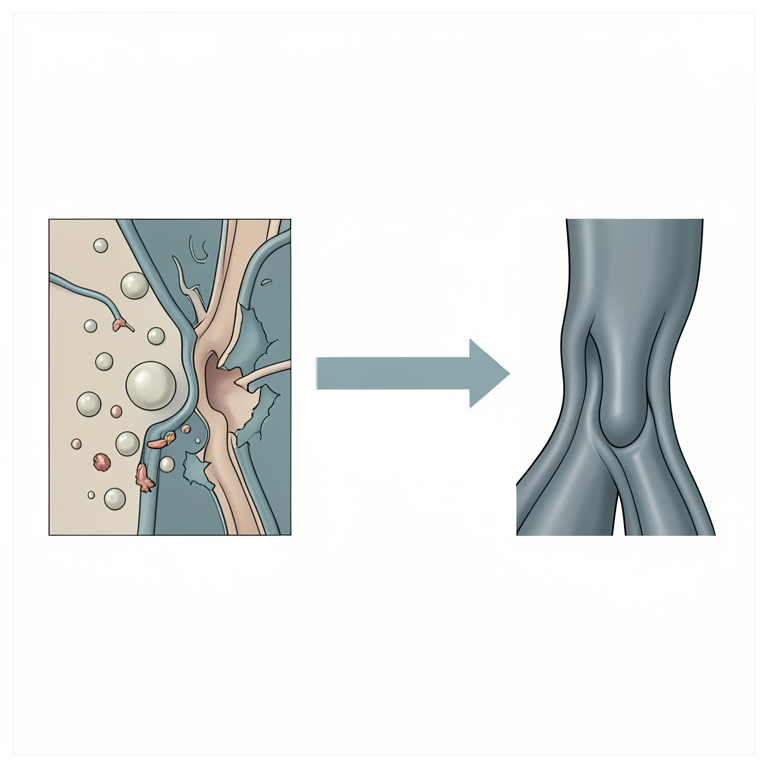
Pathophysiological Pathway of Preeclampsia
AI-generated conceptual illustration (human placenta and blood vessels). It explains the idea and does not show study data.
View source evidence ↗Figures & tables
From the original paper Table 1
 Table 2
 Table 3
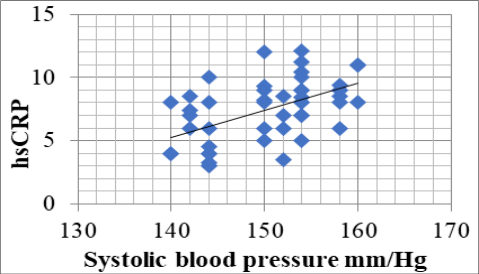 Figure 1
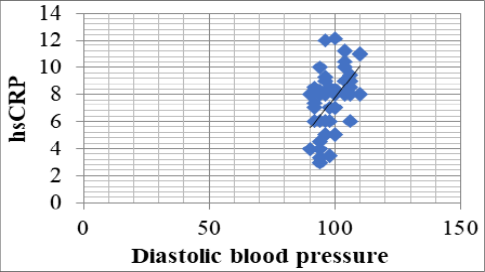 Figure 1
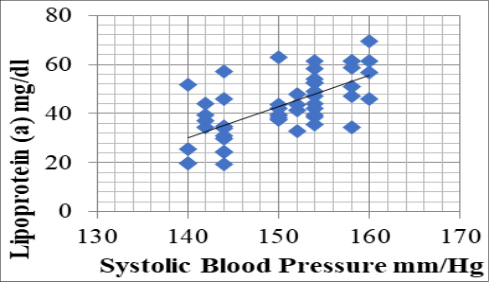 Figure 2
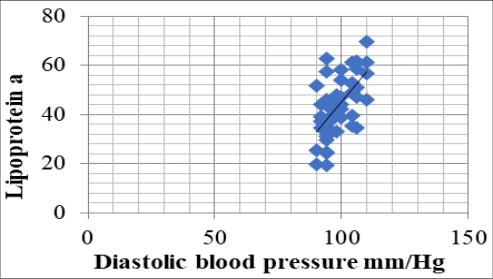 Figure 2
Introduction
Hypertensive disorders are the commonest complications in pregnancy, occurring in about 10% of pregnancies globally [1] . Neonates born to hypertensive mothers are at increased risk of prematurity and foetal growth restriction [1] . Preeclampsia (PE) occurs in 5-14% of pregnancies and 20% of high-risk pregnancies [1][2][3][4] . PE is defined as blood pressure >140/90 mmHg after 20 weeks of pregnancy and either proteinuria ≥300mg/24h or protein: creatinine ratio ≥0.3 or one of the following: thrombocytopenia, elevated liver transaminases, pulmonary edema, new onset renal insufficiency, or cerebral or visual disturbances [2] . Unrecognized PE can lead to serious complications, including eclampsia [2][3][4] . Its burden is greatest in developing countries (15% maternal deaths) compared to 2% in the developed world. This difference is attributed to inadequate prenatal care in poor regions of the world, and subsequently missing timely detection of preeclampsia at early stages. Therefore, timely prediction and accurate diagnosis are key to limiting morbidity and mortality caused by PE [1][2][3][4][5][6] . As there is increasing scientific evidence of the role of inflammation in PE, it is hypothesized that the early identification of PE using appropriate inflammatory biomarkers could substantially reduce preeclampsia related comorbidities [5,6] . Such studies on inflammatory markers in pre-eclampsia in Central Karnataka are scarce. Hence, the present study was conducted to compare the levels of inflammatory markers such as high-sensitivity C-reactive protein (hs-CRP) and Lipoprotein (a) [Lp(a)] levels in pregnant women diagnosed with mild or severe PE, with the levels of inflammatory markers among women with normal pregnancy at a tertiary care teaching hospital in Chitradurga.
Material and Methods
After obtaining institutional ethics committee clearance, this comparative cross-sectional study was conducted from September 2020 to February 2021, at a tertiary care teaching hospital in Chitradurga. A total of 60 diagnosed cases of preeclampsia along with 60 age, parity and gestational age matched singleton normal pregnant women attending an antenatal clinic or admitted and treated in obstetrics wards of the Basaveshwara Medical College Hospital, during the study period was selected by the simple random sampling method. They were included in the study after explaining the purpose of the study and obtaining their informed consent. Preeclampsia was defined as blood pressure >140/90mmHg after 20 weeks of pregnancy and either proteinuria ≥300 mg/24h or protein: creatinine ratio ≥0.3 or one of the following: thrombocytopenia, elevated liver transaminases, pulmonary edema, new onset renal insufficiency, or cerebral or visual disturbances [2] . Exclusion criteria consisted of pregnancy with renal disease, multiple pregnancies, gestational trophoblastic disease, Pregnant women with chronic hypertension, diabetes, pregnancy with cardiovascular diseases, and patients with a history of acute or chronic liver diseases. Patients taking corticosteroids. Patients having chronic inflammatory disorders like rheumatoid arthritis, tuberculosis, osteoarthritis, inflammatory bowel disease, patients on drugs like diuretics, patients on magnesium or other metal containing medications. Information was collected by interview technique, clinical examination and investigations, in a pre-formed semistructured questionnaire that included participant's sociodemographic details, clinical history, natal history, anthropometric measurements of height and weight as per WHO guidelines [8] . Blood pressure was recorded in supine posture after a rest period of 10 minutes with the standard mercury sphygmomanometer, by a single observer. An average of two readings was noted [8] . Under aseptic precautions, 5 ml of venous blood sample was collected from the antecubital vein in a plain vacutainer for both study groups. This blood sample was allowed to clot and serum was separated by centrifugation at 5000 rpm for 5 minutes. The serum was used to estimate sodium, potassium, magnesium and calcium levels. Under aseptic precautions, 5 ml of venous fasting blood sample was collected from an antecubital vein in plain vacutainer both from study groups. This blood sample was allowed to clot and serum was separated by centrifugation at 5000 rpm for 5 minutes. The serum was used to estimate lipoprotein (a) and hs-CRP levels. Analysis was done in the central laboratory of the hospital. lipoprotein (a) was measured by using Cobas-e411 auto-analyzer (Roche Diagnostics GmbH, Mannheim, Germany) which applied immunoturbidimetric method and hsCRP was measured by using VITROS 4600 -Dry Chemistry Analyzer which applied immune-turbidimetric assay
Statistical analysis
Data was compiled in an MS Office Excel spreadsheet and analyzed using SPSS V:16 (Statistical Package for Social Service). Qualitative data variables were expressed in frequency and percentages. Quantitative data variables are expressed in mean and standard deviation. Pearson's Chisquare test was used to find the association between categorical variables. Independent sample t-test was applied to find the significance of association between continuous variables such as systolic blood pressure (SBP), diastolic blood pressure (DBP), hsCRP, Lp (a), among the two study groups. The Bivariate Correlations procedure computes Pearson's correlation coefficient was applied to measure the linear association between continuous variables. Associations with a p-value of < 0.05 were considered to be statistically significant.
Results
The study included 60 pre-eclamptic patients (The preeclamptic group) and 60 singleton pregnant women with normal pregnancy (Normal singleton pregnancy group). The mean age among pre-eclamptic patients was 21.94±1.62 years and the comparative group was 22.35±1.71 years. The study groups were comparable with respect to age and parity (p>0.05). Incidence of pre-eclampsia was higher among primigravida (65%) when compared to multigravida women (35%). (Table 1) Table 2 shows that the average height of the pre-eclamptic group was 152.88±4.84 cms and of the normal pregnancy group was 151.18±3.86 cms. The difference in height was not found to be statistically significant. The average weight of the pre-eclamptic group was significantly greater (51.92± 2.01 kg) compared normal pregnancy group weight (50.58±1.93 kg). Whereas, there was no statistical difference in BMI between the two groups. The average systolic and diastolic blood pressure level among the preeclamptic group was 150.36±6.33 mmHg, and 98.72±6.79 mmHg, respectively, which was significantly higher when compared to that of the normal singleton pregnancy group (120.52±6.79 mmHg and DBP was 80.0±4.63 mmHg, respectively). Accordingly, the average levels of serum lipoprotein a as well as serum HS CRP were significantly greater among the preeclamptic group (43.25±12.3 and 7.54±2.44 mg/dl respectively) when compared to the normal pregnancy group (23.75±5.43 and 5.8±3.0 mg/dl respectively). (Table 2) The correlation of serum lipoprotein levels and HS CRP levels with systolic blood pressure and diastolic blood pressure is shown in table 3. Serum lipoprotein (a) had moderate positive correlation with SBP (r=0.650) and DBP (0.627). These associations were found to be statistically significant. Serum HS CRP also had a moderate positive correlation with SBP (r=0.523) and DBP (0.528). These associations were found to be statistically significant.
| Correlation of | with | ‘r’ value | ‘p’ value |
|---|---|---|---|
| Serum lipoprotein (a) | Systolic blood pressure (mm Hg) | 0.650 | <0.001 |
| Diastolic blood pressure (mm Hg) | 0.627 | <0.001 | |
| HS CRP level | Systolic blood pressure (mm Hg) | 0.523 | <0.001 |
| Diastolic blood pressure (mm Hg) | 0.528 | <0.001 |
Table text extracted from the original PDF; superscript letters are shown inline. The original table image is below.
View original table image
| Parameters | Pre-eclamptic group | Normal singleton pregnancy group | t Value | p Value |
|---|---|---|---|---|
| Weight in kg (Mean±SD) | 51.92±2.01 | 50.58±1.93 | -3.38 | <0.001 |
| SBP in mmHg (Mean±SD) | 159.36±6.33 | 120.52±6.79 | 30.58 | <0.001 |
| DBP in mmHg (Mean±SD) | 99.72±5.98 | 81.4±2.6 | 17.44 | <0.001 |
| Serum Lipoprotein (a) (mg/dl) Mean±SD | 43.25±12.3 | 23.75±5.43 | 10.24 | <0.001 |
| Serum HS CRP (mg/dl) Mean±SD | 7.54±2.44 | 5.8±3.0 | 3.008 | <0.001 |
Table text extracted from the original PDF; superscript letters are shown inline. The original table image is below.
View original table image
| Parameters | Pre-eclamptic group | Normal singleton pregnancy group |
|---|---|---|
| Age in years | 21.94±1.62 | 23.8±2.6 |
| Gravida | ||
| Primigravida | 39 (65%) | 32 (53.3%) |
| Multigravida | 21 (35%) | 28 (46.7%) |
| Gestation age in weeks | 32.91± 3.42 | 31.85 ± 2.94 |
Table text extracted from the original PDF; superscript letters are shown inline. The original table image is below.
View original table image
Discussion
Preeclampsia is a pregnancy specific hypertensive disorder of widespread vascular endothelial malfunction and vasospasm that occurs after 20 weeks of gestation and can present as late as 4-6 weeks postpartum [2] . The age of preeclamptic group was 21.94±1.62 years and the normal pregnancy group was 23.8±2.6years. Preeclampsia was found in higher percentage among primigravida compared to multigravida, whereas this association was not significant. These findings are similar to studies conducted by Sayyed AAK et al., and Prerna B et al [9, 10] .
The average levels of weight, average levels of systolic and diastolic blood pressure levels were significantly higher among the preeclamptic group compared to the normal pregnancy group. (Table 2) These results are comparable with the studies conducted elsewhere [11][12][13] . Patho-physiologically, the hallmark of preeclampsia includes increased vasoconstriction resulting in maternal hypertension and reduced uteroplacental blood flow, disturbed vascular endothelial integrity with increased vascular permeability, and activation of the coagulation cascade [5,7,13,14] . Inflammatory cells are activated in preeclampsia and International Journal of Advanced Biochemistry Research http://www.biochemjournal.com localized to the site of vascular injury and associated with higher levels of pro-inflammatory molecules, cytokines and adhesion molecules [5,7,13,14] .
In the present study, the average lipoprotein (a) levels were significantly higher among preeclamptic group (43.25±12.3 mg/dl) compared to normal pregnancy group 23.75±5.43 mg/dl). (Table 2, Figure 2). Endothelial cell dysfunction is a key feature of the pathogenesis of pre-eclampsia. Although, the cause of endothelial cell injury is multifactorial, poor placental perfusion plays a major role. In pre-eclampsia, characteristic pathological lesions in the placenta are fibrin deposits, acute atherosis and thrombosis. The combination of direct effect of oestrogen on lipid synthesis in the liver, as well as a state of relative insulin resistance in pregnancy results in hyperlipidemias state, leading to increased coagulation and vasoconstriction. The similarity between the lesions of pre-eclampsia and atherosclerosis, together with the antifibrinolytic properties of Lp(a) has led to speculations of a common pathophysiological pathway [4] . The findings of Lp (a) in the present study are comparable with the studies conducted elsewhere [10,12] .
In the present study, the average hsCRP levels were significantly among preeclamptic group (7.54±2.44 mg/dl) compared to normal pregnancy group (5.8±3.0 mg/dl). (Table 2, Figure 1) Similar results are found in studies conducted by Bej P et al and Vasava SN et al [12,13] . As there is increasing evidence that activation of inflammation is a major contributor in the pathogenesis of PE, the biochemical markers of inflammation are sensitive in predicting preeclampsia. During normal pregnancy, the innate immune system is activated, and maternal inflammatory response is stimulated. In PE, the systemic maternal inflammatory response is enhanced, and it is characterized with more generalized intravascular inflammatory reaction. Intravascular leukocytes and the clotting and complement systems are involved in the pathogenesis of PE [6] . hsCRP is one of the markers of systemic inflammation and tissue damage and its levels are found to be higher in women with PE. The hepatic synthesis of hs-CRP increases in response to inflammatory cytokines such as IL-10 and IL-6 which are responsible for inflammatory reactions and maternal endothelial activation in pre-eclampsia [9,10] . As there is evidence that there is an association between first-trimester hsCRP levels and subsequent preeclampsia which supports the hypothesis that systemic inflammation is involved in the pathogenesis of preeclampsia, this biomarker has gained significance as it is easily available and is a cost-effective test as compared to other markers of inflammation [4,9,10,12,13] .
Conclusion
Increased levels of lipoprotein (a) and hsCRP are found in the present study, which are correlated with the progression of preeclampsia by causing endothelial dysfunction and inflammatory cascade. Also, the earliest detection of Lp(a) and hsCRP during pregnancy could help to detect preeclampsia and to prevent its further complications, which would go a long way in preventing the adverse unfavourable outcomes due to preeclampsia. Prospective studies on lipoprotein (a) and hsCRP are needed to find their predictive value in preeclampsia. Increased levels of lipoprotein (a) and hsCRP are found in the present study, which are correlated with the progression of preeclampsia by causing endothelial dysfunction and inflammatory cascade. Also, the earliest detection of LP (a) and hsCRP during pregnancy could help to detect preeclampsia and to prevent its further complications, which would go a long way in preventing the adverse unfavourable outcomes due to preeclampsia. Prospective studies on lipoprotein (a) and hsCRP are needed to find their predictive value in preeclampsia.
References
14 in the original paper- American College of Obstetricians and Gynecologists. Clinical management guidelines for obstetriciangynecologists, ACOG practice bulletin number 202. Gestational hypertension and preeclampsia. Obstet Gynecol. 2019;133(76):168-86.
- Armaly Z, Jadaon JE, Jabbour A, Abassi ZA. Preeclampsia: Novel mechanisms and potential therapeutic approaches. Frontiers in physiology. 2018;25(9):973.
- Fanshawe AE, Ibrahim M. The current status of lipoprotein (a) in pregnancy: A literature review. Journal of cardiology. 2013 Feb 1;61(2):99-106.
- Jannesari R, Kazemi E. Level of high sensitive Creactive protein and procalcitonin in pregnant women with mild and severe preeclampsia. Advanced biomedical research. 2017;6:140.
- Haedersdal S, Salvig J, Aabye M, Christian W, Thorball, Ruhwald M, et al. Inflammatory Markers in the Second Trimester Prior to Clinical Onset of Preeclampsia, Intrauterine Growth Restriction, and Spontaneous Preterm Birth. Inflammation. 2013;36(4):907-13.
- Oancea MD, Costin N, Pop DM, Ciortea R, Trif I, Mihu D. Evaluation of Inflammatory Markers in Pregnant Women at Risk, for the Prediction of Preeclampsia. Acta Medica Marisiensis. 2014;60(3):94-98.
- Stepwise approach to noncommunicable disease riskfactor surveillance: Methods, challenges, and opportunities. American journal of public health. 2016 Jan;106(1):74-8.
- Sayyed AA, Pratinidhi SA. High sensitive C reactive protein as an inflammatory indicator in preeclampsia. International Journal of Research in Medical Sciences. 2020 Aug;8(8):3002.
- Bansal P, Shaker IA, Bansal AK, Kaushik G. Assessment of Inflammatory Markers in Preeclampsia. Indian J Med Biochem. 2018;22(2):138-142.
- Mehta B, Kumar V, Chawla S, Sachdeva S, Mahopatra D. Hypertension in Pregnancy: A Community-Based Study. Indian J Community Med. 2015;40(4):273-8.
- Bej P, Chhabra P, Sharma AK, Guleria K. Determination of risk factors for pre-eclampsia and eclampsia in a tertiary hospital of India: A case control study. Journal of family medicine and primary care. 2013;2(4):371.
- Vasava SN, Maheshwari AV, Kayal S, Dholakiya J, Mehta K, Sharma H. A Comparative Study of High Sensitive C-Reactive Protein (hs-CRP) and Urinary Calcium/Creatinine Ratio in Normal Pregnancy and Pregnancy Induced Hypertension in Gujarat, India. 2018;22(3):1-8.
- Blood Flow and Trophoblast Function. Int J Mol Sci. 2019;20(13):3263.
- Guerby P, Tasta O, Swiader A, Frédéric PO, Bujold E, Parant O, et al. Role of oxidative stress in the dysfunction of the placental endothelial nitric oxide synthase in preeclampsia. Redox biology. 2021;40:101861.
Cited by 8
From OpenAlex, OpenCitations and reference lists read by Scinovex
- Inflammatory markers and their association with preeclampsia among pregnant women: A systematic review and meta-analysis ↗
Ananda Puttaiah, J. P. Akshaykirthan, Deepthy Melepurakkal Sadanandan, Manjunath S. Somannavar · Clinical Biochemistry · 2024
❝ 22 - Canine distemper: A fatal disease seeking special intervention ↗
Sheikh Tj, Rajeev Ranjan, Amit Kumar Jha, Suman Kumar · Journal of Entomology and Zoology Studies · 2021
Canine distemper (CD) is acute and highly infectious viral disease. It is caused by single-stranded RNA virus with a lipoprotein envelope, is a Morbillivirus in the family Paramyxoviridae. Its fatality rate is second only to that of rabies affect carnivores and domestic dogs of any breed and age. CD virus can infect a wide range of carnivore’s including members of
- The Role of C-reactive protein (CRP) and soluble endoglin (sEng) plasma levels as risk factors for predicting the development of preeclampsia in pregnant women ↗
Anak Agung Ngurah Jaya Kusuma, Endang Sri Widiyanti, I Made Darmayasa, I Gede Indra Kumara, I Gede Bagus Arya Maharta, Arlando Martino Anapaku et al. · Intisari Sains Medis · 2024
Background: Preeclampsia is a complex and life-threatening pregnancy complication that contributes to substantial maternal and fetal morbidity and mortality. One pathogenesis of preeclampsia is the imbalance of angiogenesis and antiangiogenesis factors with an increased inflammatory response in preeclampsia. C-reactive protein (CRP), an inflammatory marker, and soluble endoglin plasma levels (sEng), an antiangiogenic protein, play a role in the pathogenesis of…
❝ 0PDF - Honey and its health benefits in our day-to-day life ↗
C Kirthana, Luqman Ahmed Hashim, Deoraj Sharma · International Journal of Molecular Biology and Biochemistry · 2023
Since ancient times, honey has been valued for its healing properties as a natural ingredient. Due to the strong antioxidant and anti-inflammatory effects that flavonoids and phenolic acids have, they have a significant impact on human health. Honey has antibacterial properties and anticancer effects against several tumor types by influencing various biochemical pathways involved in cellular proliferation. The decrease in
- Dyslipidemia and its concept in Unani medicine: A review ↗
Farooqui Shazia Parveen, Mohd Aleemuddin Quamri, Khaleel Ahmed, Arisha Shahid · International Journal of Unani and Integrative Medicine · 2022
Dyslipidemia is a condition characterised by an excess of potentially atherogenic lipids and lipoproteins. Dyslipidemia as a disease is not directly described in Unani texts. Clinical manifestations of dyslipidemia, on the other hand, are closely associated with signs and symptoms of cold temperament derangement (Su-e-Mizaj Barid Maddi) caused by a disturbance in the kamiyat (quantity) and kafiyat (quality-composition) of Ratubat…
❝ 0PDF - Assessment of lactate dehydrogenase and lipid profile in premenopausal and postmenopausal women in rural regions (Kirkuk government) ↗
Noori Mohammed Aziz, Ali Hassan Awad · International Journal of Chemical Research and Development · 2022
The aim of this study aims to measure the levels of lipid profile in in after menopausal women which is an signal of the rise the probability of heart and blood vessels disease the research included 100 women included 50 after-menopausal women aged between 50-60 years and the second group included 50 pre-menopausal women aged 33-43 years Samples were collected
- Study of dyslipidemia in blood serum and sweat fluid of men with diabetic nephropathy in Mosul city ↗
Shaymaa ABD Alrazak A Altony, Eman Adel Hadi · International Journal of Chemical and Biological Sciences · 2022
The objective of this study was the determine Creatinine, eGFR, Total cholesterol (TC), Triglycerides (TG), High Density lipoproteins-cholesterol (HDL-C), low Density lipoproteins-cholesterol (LDL-C), Very Low-Density lipoproteins-cholesterol (VLDL-C) and Atherogenic Index (AI) in Serum Blood and Sweat fluid. The results showed increased in Creatinine, Total cholesterol, Triglycerides, very low-Density lipoproteins-cholesterol and Atherogenic Index in Serum and Sweat fluid. Also, increased in
- Effect of low intensity resistance training on BMI and lipid profile among middle aged overweight Indian men ↗
Baiju P Jose · International Journal of Advanced Academic Studies · 2022
In spite of considerable decrease in mortality rates over the past sixty years, Hypokinetic diseases continue to remain as a fatal factor in determining mortality. The aim of this study was to examine the effects of a Low Intensity Resistance training on blood lipids and BMI among middle aged overweight Indian men. Twenty-four males (Height: 167.67±5.84, Weight: 86.10±8.79, BMI: 31.24±1.96)…
❝ 0PDF