
Research article · 2021 · Full text
International Journal of Horticulture and Food ScienceA review on current nutraceuticals in the management of osteoarthritis
Volume 3(1) · Pages 22–28 · DOI: 10.33545/26631067.2021.v3.i1a.56 ↗
Research areasPharmacological Effects of Medicinal PlantsBotanical Studies and ApplicationsEssential Oils and Antimicrobial Activity
Abstract
Author-writtenOsteoarthritis (OA) is a progressive degenerative joint syndrome that has a major impact on joint function and quality of life. Nutraceuticals and nutritional supplement derived from herbs have long been used in traditional remedy and there is considerable evidence that nutraceuticals may play an important role in irritation and joint demolition in OA. We review the biological effects of some medicinal fruits and herbs like pomegranate, green tea, cat’s claw, devil’s claw, ginger, Indian olibaum, turmeric and ananas. So in an attempt to understand the essential molecular targets involved in irritation and the joint destruction process and to summarize their toxicities and efficacy for OA management. So far there is insufficient reliable evidence on the effectiveness of ginger, turmeric and ananas. Pomegranate and green tea only have preclinical evidence of efficacy due to the bee deficient in of clinical data. In vivo and clinical studies are required to understand their targets and efficacy in OA. There is strong clinical evidence of the efficacy of devil’s claw in relieving pain. However, high-quality clinical trials are required to determine its effectiveness. No severe side effects have been reported for any fruits and herbs. Overall, these studies discover and support the use of nutraceuticals to provide symptomatic relief to patients with OA and to be used as accessory therapy for OA management. More high-quality trials are needed to provide perfect answers to questions related to their efficacy and safety for OA prevention and/or treatment.
Summary
Source-checkedPlain-language reading of the full paper, prepared with AI and checked against the text. Each point links to the authors' own words.
Why it matters
- Osteoarthritis (OA) is a degenerative joint syndrome that significantly impairs joint function and the overall quality of life. View evidence ↗
- The pathology of OA is characterized by the erosion of articular cartilage, inflammation of the synovium, and resorption of subchondral bone. View evidence ↗
- Joint destruction in OA is driven by an overproduction of proinflammatory molecules, such as IL-1β and TNFα, which disrupt the balance of matrix synthesis and degradation. View evidence ↗
The question
- The review aims to evaluate the efficacy, toxicities, and molecular targets of several nutraceuticals, including pomegranate, green tea, cat's claw, devil's claw, ginger, salai, turmeric, and Ananascomosus, for the management of OA. View evidence ↗
What they did
- The authors conducted a literature search using the Pubmed database, selecting scientific data directly linked to osteoarthritis. View evidence ↗
- Glucosamine sulfate and chondroitin sulfate were intentionally excluded from the review because they have been extensively covered in other recent reviews. View evidence ↗
What they found
- In mouse models of collagen-induced arthritis, pomegranate fruit extract (PFE) was found to delay the onset and reduce the incidence of the disease. View evidence ↗
- Epigallocatechin-3-gallate (EGCG) from green tea inhibits nitric oxide (NO) production in human OA chondrocytes by suppressing iNOS mRNA expression via NF-κB/p65 inhibition. View evidence ↗
- A combination of cat's claw extract and a mineral supplement improved WOMAC and VAS scores after 8 weeks compared to placebo, and reduced rescue medication use by 23–28%. View evidence ↗
- In a study of 89 OA patients, a daily dose of 2010 mg of devil's claw for 8 weeks significantly reduced pain compared to placebo at both 30 days (p=0.018) and 60 days (p=0.012). View evidence ↗
- A 3-week crossover study of 75 patients found that while ginger extract (170 mg 3x/day) initially showed improvement, there was ultimately no significant difference between ginger and placebo. View evidence ↗
- A 90-day study of 75 patients showed that both 100 mg and 250 mg daily doses of 5-Loxin significantly improved pain and physical function scores in knee OA. View evidence ↗
What it means
- The authors conclude that nutraceuticals can provide symptomatic relief and serve as accessory therapy for the management of OA. View evidence ↗
- The authors state that more high-quality trials are necessary to definitively determine the efficacy and safety of these nutraceuticals for the prevention and treatment of OA. View evidence ↗
Visual summary
1 visualsIllustrations explain the paper; they do not show study data.
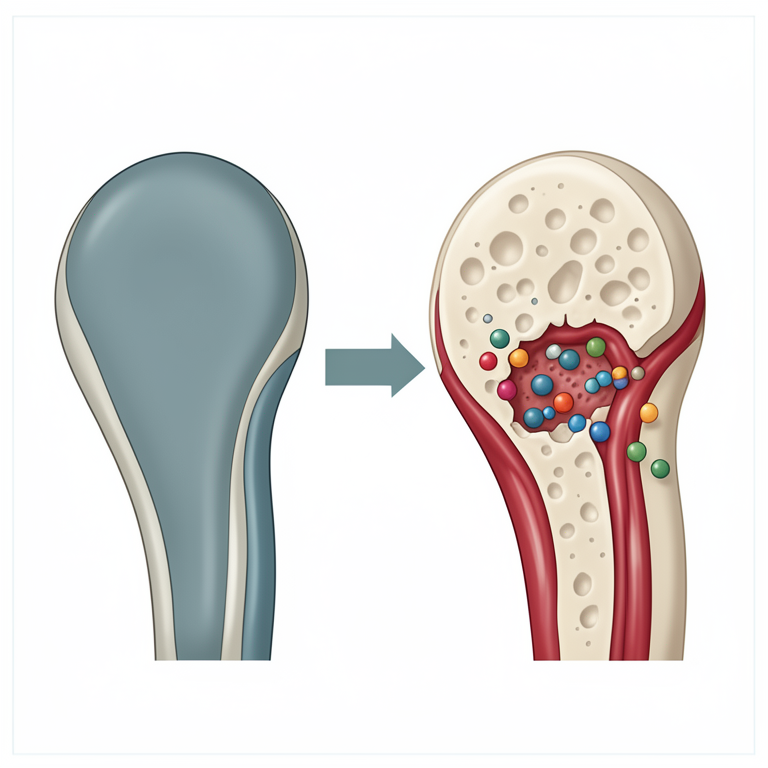
Molecular Pathogenesis of OA
AI-generated conceptual illustration (human knee joint articular cartilage and synovium). It explains the idea and does not show study data.
View source evidence ↗Figures & tables
From the original paper Figure 1
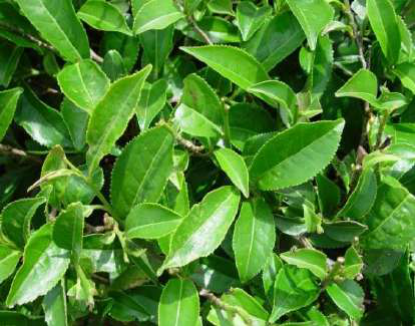 Figure 2
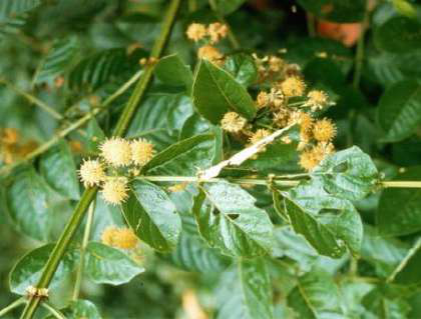 Figure 3A
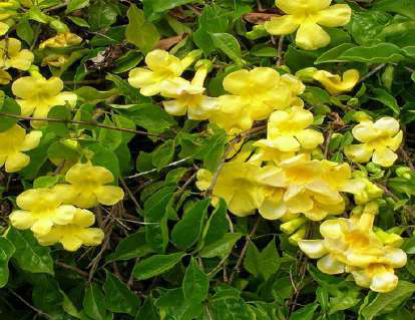 Figure 3B
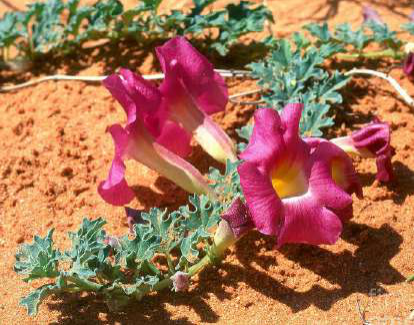 Figure 4
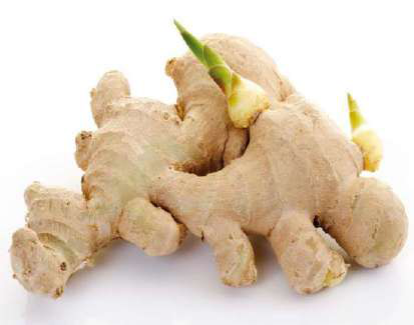 Figure 5
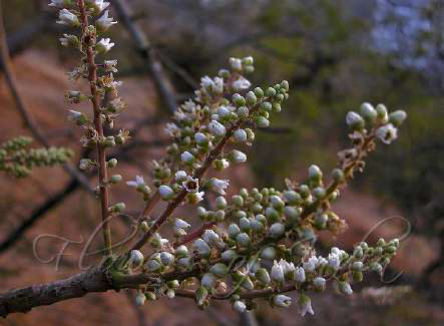 Figure 6
Introduction
Osteoarthritis (OA) is one among the foremost prevalent and disabling chronic diseases affecting older people. A high prevalence of OA among older people and ladies and therefore the moderate to severe impact on lifestyle pose a big public ill health. OA involves the erosion of articular cartilage, inflammation of synovium , and resorption of the underlying subchondral bone. These pathological changes are related to an excessive production of proinflammatory molecules like interleukin 1β (IL-1β) and tumor necrosis factor α (TNFα), which shift the balance between the synthesis and degradation of matrix components leading to progressive destruction of the joint tissue. Today, a cure for OA remains elusive. Nonpharmacological management includes physiotherapy, aerobic exercises, muscle strengthening, weight reduction, walking aids, knee braces, footwear and insoles, electromagnets, thermal modalities and acupuncture. For OA treatment and prevention, glucosamine and chondroitin sulfate, two of the molecular building blocks found in articular cartilage, are the foremost commonly used dietary supplements. In randomized trials of variable quality, these compounds show efficacy in reducing symptoms, but neither has been shown to arrest progression of the disease or regenerate damaged cartilage. Pharmacological management of OA has targeted symptoms of the disease instead of the underlying cause; analgesics and nonsteroidal anti-inflammatory drug drugs (NSAIDs) represent the mainstay of treatment [Altman, 2009]. These drugs generally decrease pain and stiffness and improve function. Although, any beneficial effects to the underlying cartilage and bone associated with the use of these drugs have not been demonstrated, they remain among the most widely prescribed drugs for OA therapy [1] . The term 'nutraceutical' was coined from 'nutrition' and 'pharmaceutical' in 1989 by DeFelice and was originally defined as 'a food (or a part of the food) that gives medical or health benefits, including the prevention and/or treatment of a disease. Zeisel distinguished whole foods from the bioactive chemical compounds derived from them and available during a nonfood matrix by using the terms 'functional foods' and 'nutraceuticals' respectively.
However, the term nutraceuticals has no regulatory definition and isn't recognized by the US Food and Drug Administration (FDA), which uses the term 'dietary supplements' instead. OA as a chronic disease may be a perfect paradigm of pathology of treatment, which might be addressed by nutraceuticals and dietary supplements. First, because nutraceuticals only have limited effects on their biological target and significant differences are often reached over time through a buildup effect during which daily benefits add up and the time window for intervention is longer in chronic diseases. Second, nutraceuticals could provide a safer alternative because generally their use is barren of adverse effects, although this is often not universal. Public interest in the benefits provided by nutraceuticals such as medicinal herbs for OA is high and 47% of older adults use nonprescribed alternative medications (dietary supplements) for OA management [2,3] . The objective of this review is to debate the scientific evidence supporting the efficacy of Punica granatum (pomegranate fruit), tea (green tea), Uncaria tomentosa/ Uncaria guianensis (cat's claw), Harpagophytum procumbens (devil's claw), common ginger (ginger), salai, turmeric (turmeric) and Ananascomosus in an effort to know the pivotal molecular targets involved in inflammation and therefore the joint destruction process and to summarize their toxicities and efficacies for OA management. We have purposely not considered use of glucosamine sulphate and chondroitin sulphate because these compounds are the most topic of various recent reviews. For this review a literature search was performed of the Pubmed database and the scientific data with a direct link to OA were selected. We tried to incorporate all the relevant references but the list might not be complete [4] .
Punica granatum (pomegranate)
Pomegranate fruit [PF, Figure 1] has been used for hundreds of years to confer health benefits in many cultures. it's native to semitropical Asia and is now being cultivated in Afghanistan, India, China, Russia, Japan and therefore the us. Modern use of PF-derived products includes treatment of AIDS [Lee and Watson, 1998], cancer, cosmetic use, allergic symptoms, cardiovascular conditions, oral hygiene and as ophthalmic ointment. Edible parts of the PF are composed of 80% juice and 20% seed. PF itself may be a rich source of two sorts of polyphenolic compounds: anthocyanins (such as delphinidin, cyanidin, and pelargonidin) and hydrolyzable tannins (such as punicalin, pedunculagin, punicalagin, gallagic, and ellagic acid esters of glucose), which account for 92% of the antioxidant activity of the entire fruit. Anthocyanins are potent antioxidants, provide the brilliant color of the pomegranate juice, and their administration is reported to significantly decrease the malondialdehyde, hydroperoxide levels, lipid peroxidation and also enhance the activities of catalase, SOD , peroxidase and glutathione reductase within the liver. Punicalagin has been shown to downregulate the expression of IL-2 from anti-CD3/anti-CD28-stimulated murine splenic CD4+ T cells and suppress mixed leukocyte reaction without exhibiting cytotoxicity to the cells via inhibition of nuclear factor of activated T cells. This means that PF might be a possible candidate for the therapeutics of immune pathologies. We reported that pomegranate fruit extract (PFE)-derived bioavailable compounds suppress COX-2 enzyme activity and IL-1β-induced prostaglandin E2 (PGE2) and gas (NO) production in OA chondrocytes [5] . We showed the inhibitory effects of PFE on IL-1β-induced proteoglycan breakdown in cartilage explants in vitro. We also studied the efficacy of PFE in suppressing joint inflammation and damage employing a collagen-induced arthritis mouse model. Consumption of PFE potently delayed the onset and reduced the incidence of collagen-induced arthritis in mice. Histopathology of the arthritic joints from PFE-fed mice demonstrated reduced joint infiltration by the inflammatory cells, and therefore the destruction of bone and cartilage was alleviated with the decrease level of IL-6. Activation of mitogen-activated protein kinases (MAPKs) and nuclear factor (NF)-κB is intimately related to the increased expression of critical mediators of inflammation involved in OA pathogenesis, including the expression of IL-6 and IL-8. We recently showed that inhibition of IL-6 and IL-8 by PFE in PMACI (phorbol12-myristate 13-acetate plus calcium inophore A23187)-stimulated KU812 cells was mediated by inhibition of NF-κB, cJun-N-terminal kinases (JNKs) and therefore the extracellular regulated kinase (ERK)-MAPK pathway [6] . We also showed that PFE (6.25-25 mg/liter) inhibits the IL-1β-induced expression of MMP-1, MMP-3 and MMP-13 mRNA and proteins in OA chondrocytes, which was mediated by inhibiting the activation of p38-MAPK and JNK, thereby reducing the available pool of activated c-Jun and activating transcription factor 2. Our recent study showed that PFE inhibits the IL-1β-induced activation of MKK3 and therefore the p38α-MAPK isoform and DNA binding activity of the runt-related transcription factor 2 in human chondrocytes. These results provide a crucial insight into the molecular basis of the reported cartilage protective and arthritis inhibitory effects of pomegranate. Overall, these data indicate that consumption of PF could also be beneficial and useful in developing adjunct preventive and/or therapeutic approaches to the prevention and treatment of OA. However, clinical trials showing the advantage of pomegranate fruit or its extracts on inflammation and OA are lacking. supported published evidence, further in vivo evaluation and clinical testing for the efficacy of PF in OA are needed [6,7,8,9] .
Camellia sinensis (green tea)
Tea may be a widely consumed beverage throughout the planet and is reported to possess significant healthpromoting effects. Green tea [Figure 2] contains proteins (15%), amino acids (4%), fiber (26%), other carbohydrates (7%), lipids (7%), pigments(2%), minerals (5%), and phenolic compounds (catechins; 30%). The principal catechins found in tea are epicatechin (6.4%), epicatechin3gallate (13.6%), epigallocatechin (19%) and epigallocatechin-3-gallate (EGCG; 59%), and account for 30-40% of its dry weight. Green tea catechins, especially EGCG, have been reported to have antimutagenic, anticancer, antidiabetic, antiinflammator, antibacterial, antiviral, antiobesity and neuroprotective effects [10,21] . The strong antioxidant activity of tea catechins has been widely demonstrated in vitro and in vivo. Several studies have shown that EGCG blunts reactive oxygen species (ROS) mediated cytotoxicity in human chondrocytes. EGCG has been reported to increase the activities of catalase, superoxide dismutase, and glutathione peroxidase, which are essential components of a robust antioxidant defense system [11] . High levels of nitrates/nitrites are found within the synovia and serum of patients with OA. Studies from our laboratory have shown that EGCG inhibits NO production in IL-1βstimulated human OA chondrocytes by suppressing the expression of inducible nitric oxide synthase (iNOS) mRNA, which was mediated in part by inhibition of NF-κB/p65. COX-2 is the rate limiting enzyme in the production of PGE2 and we reported that EGCG inhibited the PGE2 production via inhibition of COX-2 expression in IL-1β-stimulated human OA chondrocytes. However, Koeberle and colleagues reported that microsomal prostaglandin-E synthase 1 (mPGES1) is a molecular target of EGCG, and inhibition of mPGES-1 is seemingly the predominant mechanism underlying suppression of cellular PGE2 biosynthesis by EGCG in vitro. Age-related accumulation of advance glycation end products (AGEs) produced by the nonenzymatic glycation of macromolecules could be an important contributing factor for the development of OA. We recently reported that EGCG inhibited AGE-stimulated expression and production of TNFα and MMP-13 and this inhibitory effect was mediated a minimum of partially via suppression of p38-MAPK, JNK, and NF-κB activation in human OA chondrocytes. EGCG has also been reported to inhibit the degradation of human cartilage pro teoglycan and type II collagen and selectively inhibit the expression of ADAMTS-1,-4 and -5 (A Disintegrin And Metalloproteinase with Thrombospondin Motifs), which are known to cleave aggrecan Previously we showed that EGCG significantly inhibited the expression and activities of MMP-1 and MMP-13 in OA chondrocytes at physiologically achievable doses. We and others have also shown that EGCG inhibits NF-κB activation by inhibition of proteosome activity, inhibition of IκBα phosphorylation or inhibition of IKK-β kinase activity in human OA chondrocytes. We have also shown that EGCG selectively inhibited IL-1β-induced activation ofJNK, without significantly inhibiting the phosphorylation of p38-MAPK or ERK p44/ p42 in human OA chondrocytes. Activator protein (AP)-1 transcription factor is a heterodimer of Jun and Fos proteins and plays an important role in the inflammatory response. EGCG was found to inhibit the activation and DNA binding activity of AP-1 in human OA chondrocytes. This could be overcome by repeated administration of EGCG due to its reported low toxicity and high tolerance by humans, even when given in doses as high as 1600 mg, which can achieve a maximum human plasma level of 7.6 μmol/liter. These studies means that a pharmaceutically prepared formulation of tea catechins could reach plasma levels like effective in vitro doses and may be used as adjunct therapy for the treatment and prevention of OA. Currently, there's sufficient in vitro and in vivo data available showing the anti-inflammatory and antiarthritic potential of tea and its constituent EGCG. Hence, more in vivo and clinical studies are required to guage its efficacy for OA. [12,13,14]
Uncaria tomentosa and Uncaria guianensis (cat's claw)
Cat's claw may be a vine from the basin of the Amazon. There are two species, U. tomentosa [Figure 3A] and U. guianensis [Figure 3B] that are traditionally used in South America for their antiinflammatory properties. Cat's claw bark contains oxindole alkaloids (virtually absent in U. guianensis), polyphenols (flavonoids, proanthocyanidins, and tannins), quinovic acid α-glycosides, pentacyclic alkaloids, and sterols. Traditionally, the bark of cat's claw is prepared as a decoction, said to be beneficial in the treatment of arthritis, bursitis, lupus, chronic fatigue syndrome, and for stomach and intestine disorders. The most investigated of the active constituents in U. tomentosa extract for immune-modulating and anti inflammatory effects are pentacyclic oxindole alkaloids. However, the antioxidant and anti inflammatory effects of the extracts of U. tomentosa and U. guianensis appear to be independent of their alkaloid content as in several assays both species of Uncaria were reported to be a robust radical scavenger. We reported that U. guianensis together with Lepidium meyenii had ch"art-10">This action was mediated partially through upregulation of organic phenomenon of the anabolic insulinlike protein 1 in IL-1β-stimulated chondrocytes [15] . Pretreatment with a hydroalcholic extract (500 μg/ml) of U. tomentosa inhibited COX-1 and COX-2 via inhibition of the activation of NF-κB in Jurkat T cells. Uncaria has been found to inhibit lipopolysaccharide (LPS)-induced iNOS gene expression, TNFα, PGE2 and NO production, and cell death via inhibiting the activation of NF-κB. Recent studies support the use of Uncaria alone or in combination with other medicinal herbs for OA managemen. The available animal toxicological data didn't indicate any severe toxicity by the oral intake of Uncaria. In some cases, mild nausea and diarrhea may occur upon ingestion of crude extracts. Several other groups have documented the security and pharmacological profile of cat's claw in animal models and also showed that cat's claw was non-toxic in vitro. In another study, a mixture of a natural mineral supplement (Sierrasil, Sierra Mountain Minerals Inc., Bozeman, MT, USA) with a cat's claw extract (Vincaria, Rainforest Nutritionals Inc., Raleigh, NC, USA) showed therapeutic potential in mild to moderate knee OA. The Western Ontario and McMaster Universities Arthritis Index (WOMAC) and visual analog scale (VAS) scores were improved after 8 weeks compared with placebo. Rescue medication use was 28-23% lower in the herbomineral combination. Comparison of Reparagen (Rainforest Nutritionals, Inc., Raleigh, NC, USA) (1800 mg/day), a mix of U. guianensis and L. meyenii with glucosamine sulfate (1500 mg/day) was also studied in patients with OA during a multicenter, randomized, double-blind trial. Reparagen and glucosamine sulfate produced substantial improvements in pain, stiffness and performance in patients with mild to moderate OA as evidenced by improved WOMAC and VAS scores [16] .
Harpagophytum procumbens (devil's claw)
For more than 50 years preparations of H. procumbens [devil's claw, Figure 4] are utilized in Europe for the treatment of rheumatic entities. Devil's claw is native to the southern a part of the African continent and should be found in Namibia, Botswana, South Africa , Angola, Zambia, and Zimbabwe. Historically, devil's claw has been used as an analgesic, for fevers and allergies, appetite stimulation, wounds and skin rashes, dyspepsia, liver and kidney disorders, as diuretic and sedative, and to treat degenerative disorders of the musculoskeletal system. The major chemical constituents of devil's claw are iridoid glycosides (primarily harpagoside, harpagide, and procumbide), sugars (mainly the tetrasaccharide, stachyose), triterpenoids (oleanolic and ursolic acid), phytosterols (primarily βsitosterol), aromatic acids (caffeic, cinnamic, and chlorogenic acids), and flavonoids like luteolin and kaempferol. Harpagoside, harpagide, and procumbide, found within the tubers of the plant, appear to be the foremost therapeutically important constituents. Wholeplant extracts appear to possess a far better therapeutic effect than those prepared from isolated parts. The flavonoids and plant phenols present in devil's claw extracts could also be the constituents liable for the observed antioxidant activity. Devil's claw has been found to scavenge both superoxide and peroxyl radicals. A recent study also showed that both root tuber extract of devil's claw and tincture are effective as radical scavengers and inhibit LPS-induced nitrite levels in RAW 264.6 macrophages. Significant antioxidant effects by an aqueous extract of devil's claw and by the flavonoid constituents lutteolin and kaempferol have also been noted. A dried aqueous extract (5 and 10 mg/kg) of devil's claw has been shown to exert a significant dosedependent analgesic and anti-inflammatory effect in rats. However, carrageenan-induced paw edema wasn't suffering from harpagoside, suggesting harpagoside might not have an antiinflammatory effect a minimum of within the doses utilized in vivo. In vitro data also demonstrated that the active principle (sum of coactive constituents) of devil's claw inhibits not only inflammatory mediators such as iNOS and COX-2 mediated PGE2 production or leukotriene release. Devil's claw extract appears to be safe when utilized in appropriate dosages. The side effects are few, usually limited to gastrointestinal upset, dyspepsia and loss of taste; no long-term toxicities or drug-interactions are known. Devil's claw extract exerts a peripheral analgesic effect because it has been demonstrated to decrease pain in knee and hip OA. The effectiveness of certain devil's claw preparations has been tested with a daily dose of 360 mg of harpagoside (a coactive ingredient) in the treatment of painful OA of the hip, knee and nonspecific low back pain. Multivariate analysis confirmed that in all groups, both the generic and disease-specific outcome measures improved by week 4 and further by week 8. H. procumbens powder was equally effective as diacerhein in reducing pain as measured employing a 100 mm VAS. This study constitutes moderate evidence that 4 months' daily use of 2610 mg H. procumbens powder is not significantly different from 100 mg diacerhein, producing comparable improvements in pain. Studies on devil's claw extracts, containing 50-100 mg harpagoside daily, have shown the simplest results. In a clinical study, 89 patients with OA were randomized to receive placebo or devil's claw at a complete daily dose of 2010 mg/day for 8 weeks. The study identified that after 30 and 60 days of treatment, patients who received devil's claw had a big reduction in pain (p = 0.018 after 30 days and p = 0.012 after 60 days of treatment) compared with placebo. Effectiveness, safety and tolerability of Harpagophytum was studied in rheumatic disorders including OA for 8 weeks (259 patients). There were statistically significant (p <0.0001) improvements in patient assessment of global pain, stiffness, function and quality of life. There were also statistically significant reductions in mean pain scores for hand, wrist, elbow, shoulder, hip, knee and back pain. Unfortunately, the results of many of the studies are of questionable value because of methodological flaws. However, devil's claw appears to be effective in the reduction of pain. More high-quality trials are needed to assess the effectiveness and efficacy of devil's claw to determine whether this is a beneficial remedy for the treatment of OA [17] .
Zingiber officinale (ginger)
Ginger, the rhizome of Z. officinale [Figure 5], is one among the foremost widely used species of the Zingiberaceae (Zingiberaceae) and may be a common condiment for various foods and beverages. Ginger features a long history of medicinal use dating back 2,500 years in China and India for conditions like headaches, kinetosis , nausea, vomiting, vascular conditions, cold and arthritis, and as a antimicrobial and antifungal. Characterized in traditional Chinese medicine as spicy and hot, ginger is claimed to warm the body and treat cold extremities, improve a weak and tardy pulse, address a pale complexion, and strengthen the body after blood loss [18] . The major constituents of ginger include volatile oils, oleoresin (gingerol), linolic acid and trace elements like magnesium, phosphorus, and potassium [19] . The pungent phenolic constituent of ginger, [6] -gingerol, inhibited LPS-induced iNOS expression and production of NO and other reactive nitrogen species in macrophages and blocked peroxynitrite-induced oxidation and nitration reactions in vitro. Ginger is on the US FDA's generally recognized as safe (GRAS) list. The British Herbal Compendium documents no adverse effects of ginger consumption. A randomized, placebo-controlled, crossover study comparing ginger extracts and ibuprofen was performed and included 75 people with OA of the hip or knee. Patients received 170 mg ginger extract, 400 mg ibuprofen, or placebo 3 times per day and were followed for 3 weeks. The study revealed significant improvement in symptoms for both groups before crossover; however, at the study's end there was no difference between ginger and placebo. No side effects were noted within the ginger group. A randomized, double-blind, placebo-controlled trial studied the consequences of ginger within the treatment of knee OA in 261 patients. During the treatment period patients ingested 255 mg of EV.EXT 77, a patented ginger and galangal, a spice that's closely associated with ginger and is of the ginger extract, which contained 500-4000 mg of dried ginger rhizomes and 500-1500 mg of dried galangal rhizomes and was given twice daily. The primary endpoint of the study was pain on standing after 6 weeks. Within the ginger extract group 63% versus 50% within the placebo group showed improvement. The study did not show improvement in quality of life, decrease within the consumption of the rescue analgesic (acetaminophen). The dosage of medicines utilized in this study was based empirically on what's typically consumed in Europe. Those receiving the ginger extract experienced more gastrointestinal side effects (116 events in 59 patients, 45%) than those that received placebo (28 events in 21 patients, 16%). While a big number of patients experienced side effects, they were mild and mostly gastrointestinal conditions, dyspepsia, and nausea. In some studies, consumption of ginger extract was found to alleviate pain and associated symptoms in patients with OA. at the present , ginger extract appears to be of limited efficacy for OA and current evidence is weak. However, these results are strong enough to advocate and support further studies using different doses and duration of treatment to assess the efficacy of ginger extract alone or together with other drugs for the treatment of OA [20] .
. The Boswellia spp., which is native to India, Ethiopia, Somalia, and therefore the Arabic peninsula, produce a natural resin that's referred to as olibanum (frankincense). The resin of B. carteri and B. serrata [Figure 6] is used for the treatment of arthritis and other inflammatory diseases in the traditional medicine system in many countries. Besides their renowned anti-inflammatory activity, boswellic acids are extensively investigated for his or her chemopreventive effects [20] . B. frereana extracts have also been reported to inhibit IL-1β and oncostatin M induced MMP-9 and MMP-13 expression in cartilage explants culture. Further, boswellic acids have been reported as inhibitors of 5lipoxygenase, the key enzyme for leukotriene biosynthesis in inflammatory disorders and human leukocyte elastase a member of serine proteases subfamily, which can hydrolyze collagen IV and elastin of the extracellular matrix [21] . Thus, its use could also be beneficial in inhibiting the progression of OA. Recently, we studied the efficacy of a herbal-leucine mix (HLM) containing B. serrata as one of the constituents. HLM was found to be an effective antiinflammatory agent, as evidenced by strong inhibition of iNOS, MMP-9 and MMP-13 expression and NO production in IL-1β-stimulated OA chondrocytes in vitro. IL-1β-induced cartilage matrix breakdown was also inhibited by HLM, as evidenced by inhibition of glycosaminoglycan (GAG) release from human cartilage explants in vitro. These inhibitory effects of HLM on the inflammatory and cartilage catabolic factors were mediated by inhibiting the activation of NF-κB in human OA chondrocytes. A novel composition of B. serrata extract (Aflapin, Indian Patent Application No. 2129/CHE/2008) showed anti-inflammatory and antiarthritic potential during a rat model. Aflapin showed significant protection from IL-1β-induced death of human primary chondrocytes, improved glycosaminoglycans production and inhibited MMP-3 production [22] . A randomized clinical test of multiplant ayurvedic drugs containing B. serrata demonstrated the potential efficacy and safety within the symptomatic treatment of knee OA over 32 weeks of therapy. B. Serrata extract alone with Oacetyl-11keto-β-boswellic acid (AKBA) (Aflapin) or AKBA (30%; Loxin) alone was tested in patients with knee OA. Both treatments were effective in reducing pain and significantly improved physical functioning and stiffness scores. However, Aflapin was more effective than Loxin. In a double-blind, placebo-controlled trial, Boswellia demonstrated a beneficial effect on knee OA. Thirty patients got either 1000 mg Boswellia daily or placebo in three divided doses for 8 weeks. Patients in the Boswellia group experienced a significant decrease in pain and swelling and increase in range of motion compared with placebo. B. serrata extract containing 5-Loxin with 3-Oacetyl-11-keto-β-boswellic acid (30%) inhibited the 5lipoxygenase enzyme. A 90-day, placebocontrolled study was conducted to evaluate the efficacy and safety of 5-Loxin in the treatment of OA of the knee with 75 patients. The patients received either 100 mg (n = 25) or 250 mg (n = 25) of 5-Loxin daily or a placebo (n = 25) for 90 days. Both doses of 5-Loxin conferred clinically and statistically significant improvements in pain scores and physical function scores in patients with OA. A significant reduction in synovia MMP-3 was also noted [23] .
Conclusion
It concluded that, Pomegranate and green tea only have preclinical evidence of efficacy due to the bee deficient in of clinical data. In vivo and clinical studies are required to understand their targets and efficacy in OA. There is strong clinical evidence of the efficacy of devil's claw in relieving pain. However, high-quality clinical trials are required to determine its effectiveness. No severe side effects have been reported for any fruits and herbs. Overall, these studies discover and support the use of nutraceuticals to provide symptomatic relief to patients with OA and to be used as accessory therapy for OA management. More high-quality trials are needed to provide perfect answers to questions related to their efficacy and safety for OA prevention and/or treatment.
Figures and tables from the paper
References
22 in the original paper- Abramson SB. the role of NSAIDs in the treatment of osteoarthritis. In Brandt, K.D., Doherty, M. and Lohmander, L.S. (eds), Osteoarthritis. Oxford: Oxford University Press 2003, 251-258.
- Ameye LG, Chee WS. Osteoarthritis and nutrition from nutraceuticals to functional foods: a systematic review of the scientific evidence. Arthritis Res Ther 2006;8:R127.
- Palaniswamy R. A Guide to Medicinal Plants of Asian Origin and Culture. Newbury, UK: CPL Press. Piscoya 2003.
- Akhtar N, Mark JSM, Haqqi TM. Effect of a HerbalLeucine mix on the IL-1βinduced cartilage degradation and inflammatory gene expression in human chondrocytes. BMC Complement Altern Med 2011;11:66
- Moayadi A. Mixtures of pomegranate seed oils for cosmetics. Japanese Patent: JP 2004083544 A2 20040318. 2004.
- Aggarwal BB, Shishodia S. Suppression of the nuclear factor-κB activation pathway by spice-derived phytochemicals: reasoning for seasoning. Ann N Y Acad Sci 2004;1030:434-441.
- Ahmed S, Marotte H, Kwan K, Ruth JH, Campbell PL, Rabquer BJ et al. Epigallocatechin-3-gallate inhibits IL-6 synthesis and suppresses trans signaling by enhancing soluble gp 130 production. Proc Natl Acad Sci U S A 2008;105:14692-14697.
- Ahmed S, Wang N, Hafeez BB, Cheruvu VK, Haqqi TM. Punica granatum L. extract inhibits IL-1betainduced expression of matrix metalloproteinases by inhibiting the activation of MAP kinases and NFkappaB in human chondrocytes in vitro. J Nutr 2005;135:2096-2102.
- Ahmed S, Rahman A, Hasnain A, Lalonde M, Goldberg VM, Haqqi TM. Green tea polyphenol epigallocatechin-3-gallate inhibits the IL-1 betainduced activity and expression of cyclooxygenase-2 and nitric oxide synthase-2 in human chondrocytes. Free Radical Biol Med 2002;33:1097-1105.
- Moon HS, Lee HG, Choi YJ, Kim TG, Cho CS. Proposed mechanisms of (-)-epigallocatechin-3-gallate for anti-obesity. Chem Biol Interac 2007;167:85-98.
- Osterburg A, Gardner J, Hyon SH, Neely A, Babcock G. Highly antibiotic-resistant Acinetobacter baumannii clinical isolates are killed by the green tea polyphenol (-)-epigallocatechin-3gallate (EGCG). Clin Microbiol Infect 2009;15:341-346.
- Ahmed S, Wang N, Lalonde M, Goldberg VM, Haqqi TM. Green tea polyphenol epigallocatechin-3-gallate (EGCG) differentially inhibits interleukin-1 betainduced expression of matrix metalloproteinase-1 and - 13 in human chondrocytes. J Pharmacol Exp Ther 2004;308:767-773.
- Akhtar N, Haqqi TM. Epigallocatechin-3-gallate suppresses the global interleukin-1beta-induced inflammatory response in human chondrocytes. Arthritis Res Ther 2011;13:R93.
- Aguilar JL, Rojas P, Marcelo A, Plaza A, Bauer R, Reininger E et al. Anti-inflammatory activity of two different extracts of Uncaria tomentosa (Rubiaceae). J Ethnopharmacol 2002;81:271-276.
- Andriamanalijaona R, Kypriotou M, Baugé C, Renard E, Legendre F, Raoudi M et al. Comparative effects of 2 antioxidants, selenomethionine and epigallocatechingallate, on catabolic and anabolic gene expression of articular chondrocytes. J Rheumatol 2005;32:19581967.
- Anonymous. Devil's claw tuber 2008. http://www.altcancer.com/phyto/devils_claw.htm (Accessed 6 January 2012).
- Afzal M, Al-Hadidi D, Menon M, Pesek J, Dhami MS. Ginger: an ethnomedical, chemical and pharmacological review. Drug Metabol Drug Interact 2001;18:159-190.
- Minoia C, Sabbioni E, Ronchi A, Gatti A. Trace element reference values in tissues from inhabitants of the European Community. IV. Influence of dietary factors. Sci Total Environ 1994;141:181-195.
- Altman RD, Marcussen KC. Effects of a ginger extract on knee pain in patients with osteoarthritis. Arthritis Rheum 2001;44:2531-2538.
- Moussaieff A, Mechoulam R. Boswellia resin: from religious ceremonies to medical uses: a review of invitro, in-vivo and clinical trials. J Pharm Pharmacol 2009;61:1281-1293.
- Nuti E, Casalini F, Avramova SI, Santamaria S, Cercignani G, Marinelli L et al. N-Oisopropyl sulfonamido-based hydroxamates: design, synthesis and biological evaluation of selective matrix metalloproteinase-13 inhibitors as potential therapeutic agents for osteoarthritis. J Med Chem 2009;52:47574773.
- Morelli V, Naquin C, Weaver V. Alternative therapies for traditional disease states: osteoarthritis. Am Fam Physician 2003;67:339-344.
Cited by 6
From OpenAlex, OpenCitations and reference lists read by Scinovex
- Efficacy and safety of native type II collagen in modulating knee osteoarthritis symptoms: a randomised, double‐blind, placebo‐controlled trial ↗
Cheng Luo, Wei Ke Su, Ying Song, Shalini Srivastava · Journal of Experimental Orthopaedics · 2022
PURPOSE: Knee osteoarthritis (OA) is the most common form of clinical arthritis in middle-aged and older individuals. Undenatured or native type II (TII) collagen derived from the chicken sternum has a good therapeutic effect on relieving severe pain of OA. Hence, the present study aimed to investigate the efficacy and safety of TII collagen (Native CT-II®) in individuals with knee…
❝ 20PDF - Unlocking the mechanistic potential of clinically proven natural products against Arthritis ↗
Md. Abdul Karim Jiyad, Md. Sakibul Alam, Priya Devi, Mohammad Shakawat, Nabila Ishrat, Sabrina Alam Mrittika et al. · Pharmacological Research - Natural Products · 2025
❝ 2 - Prevalence of multiple diseases in Shivpuri area of Lucknow with special reference to Wajaul Mufassil Arthritis ↗
Amreen Fatima, Vijay Bhan Singh, MN Khan · International Journal of Unani and Integrative Medicine · 2023
The Shivpuri is a village of scheduled caste is dominated population in Block Bakshi Ka Talab (B.K.T.) in Lucknow U.P. India. The village is much backward than expected and lack health facilities as well as education and employment due to which people fall prey to all types of infections and most people suffer from malnutrition and other complications. The SCSP
- Effectiveness of structured teaching programme on knowledge regarding home care management of osteoarthritis among elderly in selected rural areas, at Medchal, Telangana ↗
R Sharmila · International Journal of Advance Research in Nursing · 2024
Osteoarthritis condition that mainly affects older adults. Osteoarthritis is a preventable and treatable joint disease. People with osteoarthritis must work hard to move, which can lead to inability to walk. The joint problems tend to get gradually worse over time and can limit your normal activities, although treatment can help keep the condition under control. Osteoarthritis is the leading cause
- Pathophysiological understanding of Asthivaha Srotas Dushti WSR to the osteoarthritis and osteoporosis ↗
Neeta P Giri, Smita Paul, Ashutosh Kumar Jain · Journal of Pharmacognosy and Phytochemistry · 2023
The World Health Organization defines osteoporosis as a progressive systemic skeletal disease characterized by low bone mass and microarchitectural damage of bone tissue, with consequent increase in bone fragility and susceptibility to fracture. Osteoporosis is considered a serious public health problem. According to the 2001 census, there are approximately 163 million Indians above the age of 50. This number is
- Understanding osteoarthritis and possible management: A review ↗
Dr. Md. Gheyasuddin, Khalid Eqbal, Dr. Md. Najmuddin · International Journal of Advanced Academic Studies · 2021
The most frequent kind of arthritis in the world is osteoarthritis (OA). Primary osteoarthritis and secondary osteoarthritis are the two types of osteoarthritis. Age, female gender, obesity, anatomical characteristics, muscular weakness, and joint damage (occupation/sports activities) are all risk factors for OA. Around 3.3 to 3.6 percent of the world's population suffers from OA. It is the 11th most debilitating