
Research article · 2020 · Full text
International Journal of Horticulture and Food ScienceA review on nutritional values and pharmacological importance of Ficus carica
Volume 2(1) · Pages 55–59 · DOI: 10.33545/26631067.2020.v2.i1a.48 ↗
Research areasPhytochemistry and biological activities of Ficus speciesSaffron Plant Research StudiesGinger and Zingiberaceae research
Abstract
Author-writtenFicus carica is the most popular member of the genus Ficus, and the family Moraceae. In the Mediterranean region it is so widely used, both fresh and dried, that it is called “the poor man’s food.” The dried fruits of F. carica have been reported as an important source of vitamins, minerals, carbohydrates, sugars, organic acids, and phenolic compounds. The plant has been used in traditional medicine for a wide range of ailments related to digestive, endocrine, reproductive, and respiratory systems, and also cancer. Additionally, it is also used in gastrointestinal tract and urinary tract infection. Phytochemical studies on the leaves and fruits of the plant have shown that they are rich in phenolics, organic acids, and volatile compounds. However, there is little information on the phytochemicals present in the stem and root. Reports on the biological activities of the plant are mainly on its crude extracts which have been proven to possess many biological activities. Some of the most interesting therapeutic effects include anticancer, hepatoprotective, hypoglycemic, hypolipidemic, and antimicrobial activities. Thus, studies related to identification of the bioactive compounds and correlating them to their biological activities are very useful for further research to explore the potential of F. carica as a source of therapeutic agents.
Summary
Source-checkedPlain-language reading of the full paper, prepared with AI and checked against the text. Each point links to the authors' own words.
Why it matters
- Ficus carica, commonly known as the fig, is a widely used plant in the Mediterranean region, where it is often referred to as 'the poor man's food'. View evidence ↗
- The plant has a long history of use in traditional medicine to treat various conditions affecting the respiratory, reproductive, endocrine, and digestive systems, as well as cancer. View evidence ↗
- Global fig production exceeds 1 million tons, with approximately 80% produced by Turkey, Egypt, Algeria, Iran, Morocco, Spain, and the USA. View evidence ↗
The question
- The review aims to highlight the importance of identifying bioactive compounds in Ficus carica and linking them to biological activities to explore its potential as a source of therapeutic agents. View evidence ↗
What they did
- Information for this review was gathered through library searches and electronic databases, including PubMed, Google Scholar, Science Direct, and Web of Science. View evidence ↗
What they found
- Raw figs consist of 79% water, 19% carbohydrates, and 1% protein, with negligible fat content. View evidence ↗
- When dehydrated to 30% water, the carbohydrate content of figs increases to 64%, while protein and fat reach 3% and 1%, respectively. View evidence ↗
- Flavonoids extracted from leaves (at an efficiency of 25.04 mg/g) demonstrated concentration-dependent scavenging effects on superoxide anion and hydroxyl free radicals. View evidence ↗
- An oral dose of 500 mg/kg of leaf extract provided hepatoprotective effects in rat models by reducing serum levels of ALT, AST, total bilirubin, and malondialdehyde. View evidence ↗
- In rat models of constipation, fig paste treatment increased fecal pellet weight, number, and water content, while also increasing intestinal transit length. View evidence ↗
- Ethanol extracts of Ficus carica reduced normal body temperature at doses of 100, 200, and 300 mg/kg, indicating antipyretic activity. View evidence ↗
- Aqueous leaf extracts showed hypoglycemic effects in diabetic rats induced by streptozotocin, which also helped prevent weight loss. View evidence ↗
- The palmitoyl derivative of AGS, isolated from fig latex, is a potent inhibitor of cancer cell lines including DU-145, Jurkat, and DG-75. View evidence ↗
- Latex extracts from Ficus carica exhibit strong anti-proliferative and anti-angiogenic activities. View evidence ↗
- Ficin, a protease mixture in fig latex, shows hemostatic effects by shortening prothrombin time and activated partial thromboplastin time. View evidence ↗
What it means
- The authors conclude that Ficus carica is a valuable source of traditional medicine for treating conditions like diabetes, cancer, and liver disease, while also providing significant nutritional value. View evidence ↗
- The plant is considered a promising candidate for the development of new pharmaceutical drugs and future clinical applications. View evidence ↗
- The authors note that there is currently limited information regarding the phytochemicals found in the roots and stems of the plant. View evidence ↗
Visual summary
1 visualsIllustrations explain the paper; they do not show study data.
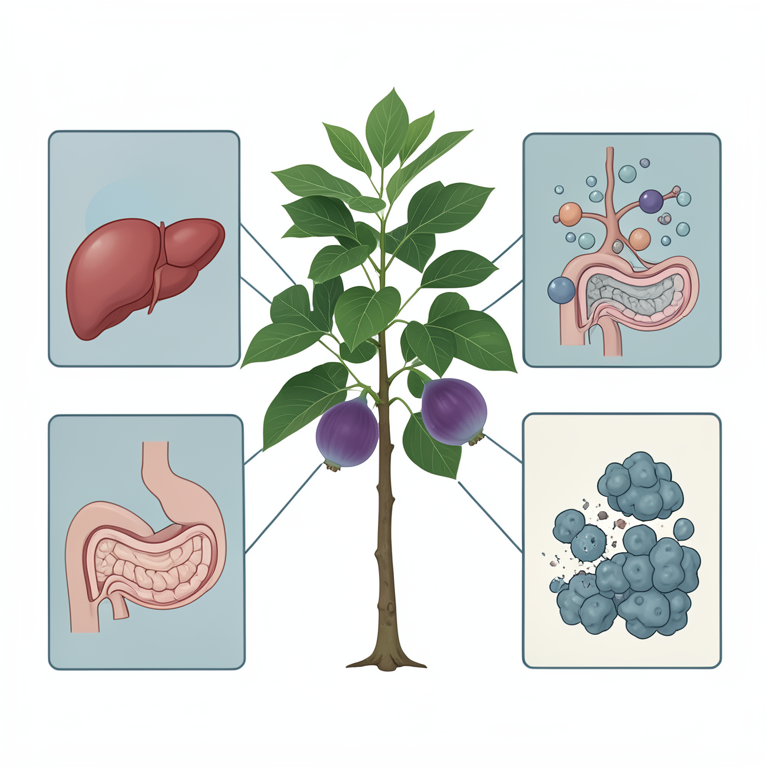
Therapeutic Spectrum of Ficus carica
AI-generated conceptual illustration (Ficus carica (common fig plant)). It explains the idea and does not show study data.
View source evidence ↗Figures & tables
From the original paper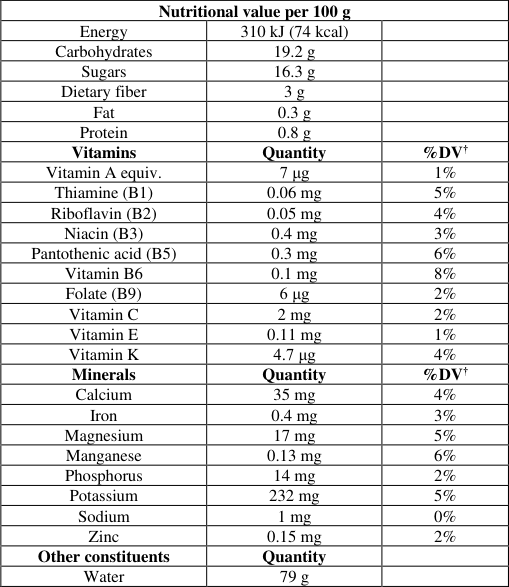 Table 2
 Figure 1
 Figure 2
Introduction
Plants are an essential component of the universe. Human beings have used plants as medicine from the very beginning of time. After various observations and experimentations medicinal plants were identified as a source of important medicine, therefore, treatment through these medicinal plants, began in the early stages of human civilization (Marwat et al., 2009) [12] . The genus Ficus (Moraceae) comprises one of the largest genera of angiosperms with more than 800 species of trees, shrubs, hemiepiphytes, climbers, and creepers in the tropics and subtropics worldwide (Mawa et al., 2013) [13] . F. carica is an important plant of this genus and commonly referred to as fig. F. carica is thought to have originated in western Asia and from there slowly spread through the Mediterranean region (Trad et al., 2014). Total world fig production is over 1 million tons (Trad et al., 2014). Turkey, Egypt, Algeria, Iran, Morocco, Spain, and the USA yielded about 80% of total production ("FAOSTAT," n.d.). The world fig exchanges are more important as dried (77%). Turkey, USA, and Spain are the main exporters of dried figs ("Fruits," n.d.). The therapeutic utilities of F. carica have been indicated in the traditional systems of medicine such as Ayurveda, Unani, and Siddha (Badgujar et al., 2014) [1] . It has been used to cure disorders of the endocrine system (diabetes), respiratory system (liver diseases, asthma, and cough), gastrointestinal tract (ulcer and vomiting), reproductive system (menstruation pain), and infectious diseases (skin disease, scabies, and gonorrhea). Fresh plant materials, crude extracts, and isolated components of Ficus carica have shown a wide spectrum of biological (pharmacological) activities (Badgujar et al., 2014) [1] . Besides medicinal use, fruits are one of the oldest forms of food known to man. There are many references to fruits in ancient man. There are many references to fruits in ancient literature. Vedas state that the fruits form the base of the Food of Gods. According to Qur'an, the fruits like grape, date, fig, olive and pomegranate are gifts and heavenly fruits of God. The people in ancient times regarded fruits to be endowed with magic or divine properties (Marwat et al., 2009) [12] . As food, F. carica is an important constituent of a Mediterranean diet. The fruit is highly nutritious and is consumed fresh or dried around the world (Solomon et al., 2006) [22] .
They are an excellent source of minerals, vitamins, and fiber. Like other fruit, figs contain sugars and organic acids that influence their quality. They have high amounts of crude fibre (5.5%, w/w) and polyphenols (Vinson, 1999) [25] , (Vinson et al., 2005) [26] , which are good for human health.
Materials and methods
All the available information on Ficus carica was compiled from electronic databases such as Academic Journals, Ethnobotany, Google Scholar, PubMed, Science Direct, Web of Science, and library search. [4] [4] Native to the Mediterranean and western Asia, it has been sought out and cultivated since ancient times and is now widely grown throughout the world, both for its fruit and as an ornamental plant. [4] . (Vinson, 1999) [25] reported significant antioxidant activity in dried fruits of Ficus carica. Dried figs are in vitro antioxidants after human consumption. These findings suggest that dried fruits should be a greater part of the diet as they are dense in phenol antioxidants and nutrients most probably fiber. (Yang et al., 2009) [27] designed the method to study the ultrasonic assisted extraction of total flavonoids from the fruit of Ficus carica and their scavenging activities against hydroxyl and superoxide anion free radicals (Chawla et al., 2012) [3] . The optimum conditions for extracting total flavonoids from the leaves of Ficus carica were found to be the following: ethanol concentration 40%, material-to-liquid ratio 1:60 (g/ml), extraction temperature 60 C, and length of ultrasonic treatment of 50 min. Under these optimum conditions, the extraction efficiency of total flavonoids reached as high as 25.04 mg/g. The total flavonoid extract from the leaves had marked scavenging effects on both hydroxyl and superoxide anion free radicals in a concentration-dependent fashion. (Patil et al., n.d.) [18] Shown that, the immunomodulatory effect of ethanol extract of the leaves of Ficus carica was studied in mice. This study was carried out with the help of various hematological and serological tests. Administration of extract remarkably ameliorated both cellular and humoral antibody response. Thus, the ethanol extract of the leaves of Ficus carica possess promising immunostimulant properties.
Taxonomical Classification ("Common fig," 2021)
Taxonomical Classification ("Common fig," 2021)
Free radical scavenging activity
Free radical scavenging activity
Immunostimulant
Immunostimulant
Antipyretic
The significant antipyretic effect of an ethanol extract of Ficus carica was demonstrated in a study (Vikas and Patil, 2010) [24] , where this extract was effective at dose of 100, 200, and 300 mg/kg in reducing normal body temperature.
Anti-inflammatory
Petroleum ether (PEE), chloroform (CE), and ethanol (EE) extracts of Ficus carica leaves are reported for antiinflammatory activity against carrageen an-induced rat paw edema. The EE exhibits greater anti-inflammatory effect than PEE and CE of Ficus carica as compared with the standard drug, indomethacin (Patil and Patil, 2011) [17] .
Antispasmodic and anti-platelet
The aqueous ethanol extract (AEE) of Ficus carica fruit was studied for antispasmodic effect on rabbit jejunum preparations and for anti-platelet effect using ex vivo model of human platelets. When AEE is tested in isolated rabbit jejunum, it produced relaxation in a spontaneous way. AEE also inhibits the adenosine 50-diphosphate and adrenalineinduced human platelet aggregation. This study exhibits the remarkable spasmolytic property in the ripe dried fruit of Ficus carica along with anti-platelet activity that provides sound pharmacological basis for its medicinal use in the gut motility and inflammatory disorders (Gilani et al., 2008) [10] .
Hepatoprotective
The methanol extract of the leaves of Ficus carica was evaluated for hepatoprotective activity in CCl4-induced liver damage in a rat model. The extract of 500 mg/kg (oral dose) exhibited a significant protective effect reflected by lowering the serum levels of aspartate aminotransferase (AST), alanine aminotransferase (ALT), total serum bilirubin, and Malondialdehyde equivalent, an index of lipid peroxidation of the liver (Mohan et al., 2007) [14] .
Ant constipation effect
Constipation is one of the most common gastrointestinal complaints worldwide. This study examined the effects of fig paste for the treatment of Loperamide-induced constipation in a rat model. For this purpose, animals were divided into one normal control group and four experimental groups (0, 1, 6, and 30 g/kg). Loperamide (2 mg/kg, twice per day) was injected intraperitoneally to induce constipation in the four experimental groups. [11] .
Hypoglycemic
The hypoglycemic effect of an aqueous extract of leaves has been demonstrated in streptozotocin-induced diabetic rats (Nicotra et al., 2010) [16] , where weight loss was prevented in these animals. Additionally, treatment resulted in an increase in the survival index that correlated with increased plasma insulin levels. A similar activity has also been reported for the fruit of Ficus carica (El-Shobaki et al., 2010) [5] .
Hypocholesterolemic activity
The leaves of fig have hypocholesterolemic activity. Chloroform extract is prepared from the aqueous decoction of fig leaves. It causes decline in the levels of total cholesterol and decrease in the total cholesterol/HDL cholesterol ratio, together with a reduction of the hyperglycemia. In addition to this, the cell content of cholesterol in HepG2 cells appreciates the reduction of blood cholesterol level in streptozotocin induced diabetic rats (Canal et al., 2000) [2] .
Anticancer effect
Bioactive compounds like 6-O-acyl-b-D-glucosyl-bsitosterols, i.e., AGS (acyl moiety: Palmitoyl, linoleyl, stearyl, and oleyl) were isolated from fig latex. Palmitoyl derivative of AGS acts as the most potent inhibitor for various cancer cell lines as compared with linoleyl, stearyl, and oleyl derivatives. AGS is reported for in vitro inhibition of DG-75, Jurkat, and DU-145 cancer cell lines. Thus, AGS is the most potent anticancer agent (Rubnov et al., 2001) [20] . 5.12. Anti-angiogenic activity (Mostafaie et al., 2010) [15] Investigated the anti-angiogenic and anti-proliferative potentials of Ficus carica latex extract using human umbilical vein endothelial cells (HUVECs).
The results clearly indicated that latex extracts of Ficus carica contain strong anti-angiogenic and anti-proliferative activities. Therefore, latex extract could be an ideal candidate as a potential agent for the prevention of angiogenesis in cancer and other chronic disorders. (Richter et al., 2002) [19] found that ficin (mixture of proteases) present in latex of Ficus carica possessed the significant hemostatic effect by shortening the activated partial thromboplastin time and the prothrombin time. This showed that the hemostatic potency of Ficus proteases was based on the activation of human coagulation factor X.
Haemostatic effect
Haemostatic effect
Conclusion
Ficus carica has emerged as a good source of traditional medicine for the treatment of various ailments such as anemia, cancer, diabetes, leprosy, liver diseases, paralysis, skin diseases, and ulcers and also have important nutritional value. It is a promising candidate in pharmaceutical biology for the development/ formulation of new drugs and future clinical uses.
Figures and tables from the paper
| Nutritional value per 100 g | — | — |
|---|---|---|
| Energy | 310 kJ (74 kcal) | |
| Carbohydrates | 19.2 g | |
| Sugars | 16.3 g | |
| Dietary fiber | 3 g | |
| Fat | 0.3 g | |
| Protein | 0.8 g | |
| Vitamins | Quantity | %DV† |
| Vitamin A equiv. | 7 μg | 1% |
| Thiamine (B1) | 0.06 mg | 5% |
| Riboflavin (B2) | 0.05 mg | 4% |
| Niacin (B3) | 0.4 mg | 3% |
| Pantothenic acid (B5) | 0.3 mg | 6% |
| Vitamin B6 | 0.1 mg | 8% |
| Folate (B9) | 6 μg | 2% |
| Vitamin C | 2 mg | 2% |
| Vitamin E | 0.11 mg | 1% |
| Vitamin K | 4.7 μg | 4% |
| Minerals | Quantity | %DV† |
| Calcium | 35 mg | 4% |
| Iron | 0.4 mg | 3% |
| Magnesium | 17 mg | 5% |
| Manganese | 0.13 mg | 6% |
| Phosphorus | 14 mg | 2% |
| Potassium | 232 mg | 5% |
| Sodium | 1 mg | 0% |
| Zinc | 0.15 mg | 2% |
| Other constituents | Quantity | |
| Water | 79 g |
Table text extracted from the original PDF; superscript letters are shown inline. The original table image is below.
View original table image
References
23 in the original paper- Badgujar SB, Patel VV, Bandivdekar AH, Mahajan RT. Traditional uses, phytochemistry and pharmacology of Ficus carica: A review. Pharm. Biol 2014;52:14871503. https://doi.org/10.3109/13880209.2014.892515
- Canal JR, Torres MD, Romero A, Pérez C. A chloroform extract obtained from a decoction of Ficus carica leaves improves the cholesterolaemic status of rats with streptozotocin-induced diabetes. Acta Physiol. Hung 2000;87:71-76. https://doi.org/10.1556/APhysiol.87.2000.1.8
- Chawla A, Kaur R, Sharma AK. Ficus carica Linn.: A Review on its Pharmacognostic, Phytochemical and Pharmacological Aspects. Int J Pharmacol Res 2012, 215-232.
- Common fig, 2021. Wikipedia.
- El-Shobaki FA, El-Bahay AM, Esmail RSA, El-Megeid AAA, Esmail NS. Effect of figs fruit (Ficus carica L.) and its leaves on hyperglycemia in alloxan diabetic rats. World J. Dairy Amp Food Sci 2010;5:47-57.
- Figs, dried, uncooked Nutrition Facts & Calories [WWW Document], n.d. URL https://nutritiondata.self.com/facts/fruits-and-fruitjuices/1889/2 (accessed 4.2.21).
- Fruits : Tropical and Subtropical : Volume I by T K Bose & S K Mitra: New Hardcover 3rd Edition | Vedams eBooks (P) Ltd 2001. [WWW Document], n.d. URL https://www.abebooks.com/9788185971810/FruitsTropical-Subtropical-Volume-Bose-8185971811/plp (accessed 4.2.21).
- Gilani AH, Mehmood MH, Janbaz KH, Khan AU, Saeed SA. Ethnopharmacological studies on antispasmodic and antiplatelet activities of Ficus carica. J. Ethnopharmacol 2008;119:1-5. https://doi.org/10.1016/j.jep.2008.05.040
- Lee HY, Kim JH, Jeung HW, Lee CU, Kim DS, Li B, et al. Effects of Ficus carica paste on loperamideinduced constipation in rats. Food Chem. Toxicol. Int. J. Publ. Br. Ind. Biol. Res. Assoc 2012;50:895-902. https://doi.org/10.1016/j.fct.2011.12.001
- Marwat S, Khan Mir, Khan Muhammad, Fazl-urRehman, Ahmad M, Zafar M et al. Fruit Plant Species Mentioned in the Holy Quran and Ahadith and Their Ethnomedicinal Importance. Am.-Eurasian J Agric Env. Sci 2009;5:284-295.
- Mawa S, Husain K, Jantan I. Ficus carica L. (Moraceae): Phytochemistry, Traditional Uses and Biological Activities. Evid. Based Complement. Alternat. Med 2013, e974256. https://doi.org/10.1155/2013/974256
- Mohan GK, Pallavi E, Kumar BR, Ramesh M, Venkatesh S. Hepatoprotective activity of Ficus carica Linn. leaf extract against carbon tetrachloride-induced hepatotoxicity in rats. Undefined 2007.
- Mostafaie A, Mansouri K, Sc, M, Norooznezhad AH, Sc, B, Mohammadi-Motlagh HR. Anti-Angiogenic Activity of Ficus carica Latex Extract on Human Umbilical Vein Endothelial Cells. Cell J 2010, 12.
- Nicotra G, Vicentini S, Mazzolari A. Ficus carica. Nutrafoods 2010;9:27-30. https://doi.org/10.1007/BF03223339
- Patil Vikas, Patil Vijay. Evaluation of antiinflammatory activity of Ficus carica Linn. leaves. Indian Jouranl Nat. Prod. Resour 2011, 2.
- Richter G, Schwarz HP, Dorner F, Turecek PL. Activation and inactivation of human factor X by proteases derived from Ficus carica. Br. J. Haematol 2002;119:1042-1051. https://doi.org/10.1046/j.13652141.2002.03954.x
- Rubnov S, Kashman Y, Rabinowitz R, Schlesinger M, Mechoulam R. Suppressors of cancer cell proliferation from fig (Ficus carica) resin: isolation and structure elucidation. J. Nat. Prod 2001;64:993-996. https://doi.org/10.1021/np000592z
- Solomon A, Golubowicz S, Yablowicz Z, Grossman S, Bergman M, Gottlieb HE, et al. Antioxidant activities and anthocyanin content of fresh fruits of common fig (Ficus carica L.). J. Agric. Food Chem 2006;54:77177723. https://doi.org/10.1021/jf060497h
- Trad M, Bourvellec CL, Gaaliche B, Renard CMGC, Mars M. Nutritional Compounds in Figs from the Southern Mediterranean Region. Int. J Food Prop 2014;17:491-499. https://doi.org/10.1080/10942912.2011.642447
- Vikas V, Patil V. evaluation of anti-pyretic potential of ficus carica leaves. Undefined 2010.
- Vinson J. The functional food properties of figs. Cereal Foods World 1999;44:82-87.
- Vinson JA, Zubik L, Bose P, Samman N, Proch J. Dried fruits: excellent in vitro and in vivo antioxidants. J. Am. Coll. Nutr 2005;24:44-50. https://doi.org/10.1080/07315724.2005.10719442
- Yang XM, Yu W, Ou ZP, Ma H, Liu WM, Ji XL. Antioxidant and immunity activity of water extract and crude polysaccharide from Ficus carica L. fruit. Plant Foods Hum. Nutr. Dordr. Neth 2009;64:167-173. https://doi.org/10.1007/s11130-009-0120-5
Cited by 14
From OpenAlex, OpenCitations and reference lists read by Scinovex
- Antioxidant potential, antimicrobial activity, polyphenol profile analysis, and cytotoxicity against breast cancer cell lines of hydro-ethanolic extracts of leaves of (Ficus carica L.) from Eastern Morocco ↗
Aziz Tikent, Salah Laaraj, Toufik Bouddine, Mohamed Chebaibi, Mohamed Bouhrim, Kaoutar Elfazazi et al. · Frontiers in Chemistry · 2024
Introduction Many beneficial compounds found in fig leaves can be used in tea and medicine. These compounds aid with digestion, reduce inflammation, and treat diabetes and bronchitis. Chetoui, Malha, Ghoudane, and Onk Hmam fig leaf hydro-ethanol extracts from Eastern Morocco were analyzed for metabolites and biological activities. Methods, results, and discussion: HPLC-UV examination revealed that the leaf extract included mainly…
❝ 23PDF - A Comparative Study of Traditional Sun Drying and Hybrid Solar Drying on Quality, Safety, and Bioactive Compounds in “Pingo de Mel” Fig ↗
Bárbara R. Henriques, Cláudia M. B. Neves, Marwa Moumni, Gianfranco Romanazzi, Carine Le Bourvellec, Susana M. Cardoso et al. · Antioxidants · 2025
Figs are highly perishable, with significant losses due to overripening or failure to meet market standards. Drying is essential to extending their shelf life and reducing food waste. This study evaluated the impact of traditional sun drying and hybrid solar drying on the quality of dried “Pingo de Mel” figs. Sun drying required 5–7 days, while the hybrid solar drying…
❝ 14PDF - A Polysaccharide from Ficus carica L. Exerts Immunomodulatory Activity in Both In Vitro and In Vivo Experimental Models ↗
Lin Ye, Qin-Qiu Zhang, Shang Lin, Qing Rong Zhang, Jing Yan, Ding‐Tao Wu et al. · Foods · 2024
L. (FCP) exert multiple biological activities. As a biological macromolecule, the available knowledge about the specific structures and mechanisms of the biological activity of purified 'Brunswick' fig polysaccharides is currently limited. In the present study, chemical purification and characteristics were identified via chemical and instrumental analysis, and then the impact of FCP on immunomodulation activity in vitro and in vivo…
❝ 13PDF - Phyto-chemical screening, insecticidal potential and detoxifying enzyme inhibition of Ficus auriculata (Lour.) extracts, against the mosquito vector and non-target aquatic predator ↗
Prabhakaran Vasantha‐Srinivasan, S P Shanmugapriya, Yeon Soo Han, Radhakrishnan Narayanaswamy, Sengodan Karthi, Mohamed Farouk Elsadek et al. · Biocatalysis and Agricultural Biotechnology · 2023
❝ 8 - Nutritional Value, Antinutritional Factors, and Protein Quality of Brosimum alicastrum Seeds: A Sustainable Protein Source ↗
Hani Farhana Nazir, Raúl Tapia‐Tussell, Matthew G. Nosworthy, Oscar Abel Sánchez‐Velázquez, Adam Dowle, Idolo Ifie et al. · Journal of Agricultural and Food Chemistry · 2025
High Resolution Image Download MS PowerPoint Slide This study evaluated the nutritional and antinutritional (ANFs) composition and protein profiles of different components of Ramon ( Brosimum alicastrum ) seed, including the seed coat, fruit, and both roasted and green (unprocessed) seeds. Proximate composition, mineral content, ANFs quantification, amino acid profile, in vitro protein digestibility, SDS-PAGE, proteomics, and gluten ELISA were…
❝ 7PDF - Unveiling three Diaporthe species associated with diseased figs (Ficus carica L.) in Malaysia ↗
Abdul Omar Nur‐Shakirah, Masratul Hawa Mohd · Physiological and Molecular Plant Pathology · 2024
❝ 3 - A comprehensive review on phytoconstituents, bioactivities, and clinical studies on Ficus carica L. (Moraceae) and its role in human health and disease management ↗
Faisal Alsenani, Muath Alsufyani, Majed Taib, Wesam Abdulghani Almalki, Faris Bdirah · 2023
Many studies have been published about the chemical compounds produced by Ficus carica Linn. and benefits toward the health. F. carica used since ancient time and widely for medicinal purpose, the leaves decoction was consumed as a tea. The benefits of F. carica components are still under investigation by many researchers around the globe. This review provides a summary of…
❝ 3PDF - Unveiling the Anti-inflammatory Properties of Ficus Fruits: A Promising Frontier for Potential Therapeutic Benefits ↗
Madhu Bala Durairajan, Francis Jegan Raj, S. Anish Ruban, Parimelazhagan Thangaraj · Springer eBooks · 2025
❝ 2 - Ficus auriculata Lour., an underutilized nonconventional alternative fruit to Ficus carica with nutraceutical potential ↗
Saurav Chandra Bhatt, Vijay Kumar, Vijay Kumar, Bindu Naik, Arun Kumar Gupta, Per E. J. Saris et al. · Discover Sustainability · 2024
Ficus auriculata (Timla) is an underutilized wild fruit compared to the more commonly consumed fruit of the same genus, Ficus carica (Anjeer) . This review focuses on the industrial and pharmaceutical benefits of F. auriculata while highlighting its potential as a valuable alternative to F. carica. Based on the vast literature found in Scopus database, both fruits have significant nutritional…
❝ 2PDF - Pharmaceutical potentials of Ficus carica bioactive compounds ↗
Zainab Razak, M. A. Hasan · International Journal of Pharmacy and Pharmaceutical Science · 2023
Ficus carica, commonly known as the fig, has long been valued for its nutritional and medicinal properties. This review explores the pharmaceutical potentials of its bioactive compounds, focusing on their antioxidant, anti-inflammatory, antimicrobial, anticancer, and antidiabetic activities. The rich phytochemical profile of figs, including polyphenols, flavonoids, tannins, and saponins, has been linked to a range of therapeutic benefits, making them
- New Host Association of Greenidea ficicola (Takahashi, 1921) (Hemiptera: Aphididae): with Fig Tree Ficus carica in Algeria ↗
Amine Akrich, Kada Righi, Fatiha Righi Assia · Jordan Journal of Agricultural Sciences · 2026
The hairy-tailed fig aphid, Greenidea ficicola (Hemiptera: Aphididae), was first recorded on the common fig, Ficus carica L., 1753, in Algeria. This aphid was collected in the spring of 2022 from F. carica and Ficus retusa L., 1767 trees in agricultural orchards and urban parks throughout the Mostaganem and Mascara provinces in northwest Algeria. Different stages (nymph and adult) and…
❝ 0PDF - Potencial antidiabético de extractos de Higo (Ficus Carica) para el tratamiento de la diabetes mellitus tipo II ↗
A. Cadena · Polo del Conocimiento · 2025
La medicina tradicional ha sido el apoyo de la humanidad durante cientos de años, brindando un sinfín de soluciones para diversas enfermedades al igual que una gran cantidad de beneficios nutricionales para la salud. Esta se enfoca en el uso de plantas medicinales, donde se puede encontrar un sin número de componentes químicos con propiedades medicinales únicas. En ese contexto,…
❝ 0PDF - IN SILICO IDENTIFICATION OF NOVEL BIOACTIVE COMPOUNDS FROM MEDICINAL PLANTS AGAINST DIABETIC FOOT ULCER ↗
Sonesh Kumar K, Sarah Di Souza, V. Anantha Bhairavi, R Sathishkumar · International Journal of Research in Ayurveda and Pharmacy · 2024
Diabetes mellitus is a chronic lifestyle disease with imbalanced insulin levels in patients, resulting in adverse conditions like renal failure, blindness, heart attack and stroke. Diabetic foot ulcers are the most dangerous complication characterised by a pathological triad of infection and vascular disease in the foot. The lower leg of a diabetic patient is more susceptible to infection, resulting in…
❝ 0PDF - Fig Production and Processing: A Pakistan Perspective ↗
Aijaz Hussain Soomro, Tahseen Fatima Miano · Springer eBooks · 2023
❝ 0