
Research article · 2021 · Full text
International Journal of Research in AgronomyManagement of soil borne fungi on coffee
Volume 4(1) · Pages 47–58 · DOI: 10.33545/2618060x.2021.v4.i1a.63 ↗
Research areasPlant Pathogens and Fungal Diseases
Abstract
Author-writtenSoil borne fungi can be very importan on coffee plantations and in the nursery. One of the key measure to get vigorous plants in the field is the quality of the seedling and the site of planting. The great majority of the diseases on seedlings came from the nursery. Another source of pathogens is to plant in soil that has suffered clearing of forests. The soil's organic matter contains soil pathogens that attack coffee seedlings after planting. Sometimes plants can die. The main soil borne disease of coffee are: Rhizoctoniosis, Rosellinia root rot, Ceratocystis canker stain and Coffee Wilt Disease. For these reasons the main measures of integrated control is exclusion of the pathogen and avoidance.
Summary
Source-checkedPlain-language reading of the full paper, prepared with AI and checked against the text. Each point links to the authors' own words.
Why it matters
- Soil-borne fungi are significant threats to coffee production, affecting both the nursery stage and established plantations. View evidence ↗
- The primary soil-borne diseases impacting coffee include Rhizoctoniosis, Rosellinia root rot, Ceratocystis canker stain, and Coffee Wilt Disease. View evidence ↗
- These diseases are economically critical because they cause seedling damage, planting failures, and overall weak production. View evidence ↗
The question
- The paper aims to review the management of these fungi, focusing on integrated control through pathogen exclusion and avoidance. View evidence ↗
What they did
- The review examines Rhizoctoniosis, caused by Rhizoctonia solani, which manifests as damping-off in both pre- and post-emergence seedlings. View evidence ↗
- The review details Rosellinia root rot, primarily caused by the fungus Rosellinia bunodes. View evidence ↗
- The review analyzes Ceratocystis canker stain, which is caused by the Ceratocystis fimbriata sensu lato complex. View evidence ↗
- The review covers Coffee Wilt Disease (CWD), caused by Gibberella xylarioides (also known as Fusarium xylarioides). View evidence ↗
What they found
- Rhizoctoniosis causes brown lesions in the neck region of the stem, typically measuring between 1 and 3 cm. View evidence ↗
- Rosellinia bunodes can cause tree losses of up to 50% when plantations are established in areas with abundant cassava roots. View evidence ↗
- Ceratocystis canker stain can reduce the plant population by 20% to 50% in renewed plantations in mountainous South American regions. View evidence ↗
- Coffee Wilt Disease has severely impacted Uganda, affecting 90% of C. canephora farms with estimated annual losses of US $ 3 million. View evidence ↗
- In Ethiopia, CWD losses ranged from 44% in Gera to 61% in Bebeka, with some producers experiencing total loss (100%). View evidence ↗
- Resistant varieties are the best long-term control for canker stain; C. canephora and the C. arabica var. Bourbon selection show resistance. View evidence ↗
What it means
- The author concludes that the most effective method for controlling these soil-borne diseases is the use of resistant varieties. View evidence ↗
- The author recommends prohibiting the entry of coffee seeds into American countries to prevent the dissemination of these diseases. View evidence ↗
- A significant limitation is the lack of resistant germplasm available for breeding against Rhizoctoniosis and Rosellinia root rot. View evidence ↗
Visual summary
1 visualsIllustrations explain the paper; they do not show study data.
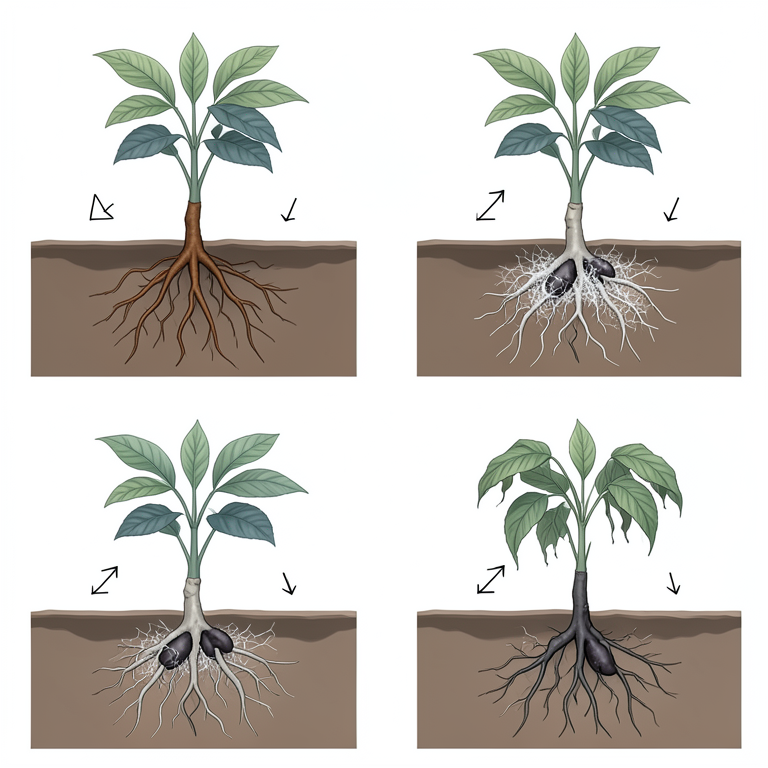
Major Coffee Soil Fungi
AI-generated conceptual illustration (coffee plants). It explains the idea and does not show study data.
View source evidence ↗Figures & tables
From the original paper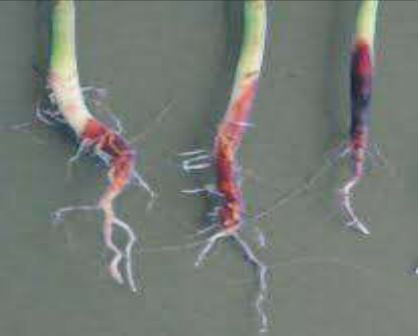 Figure 1
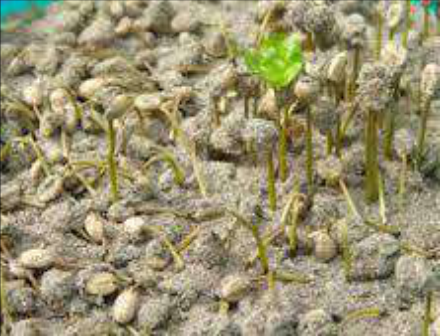 Figure 1
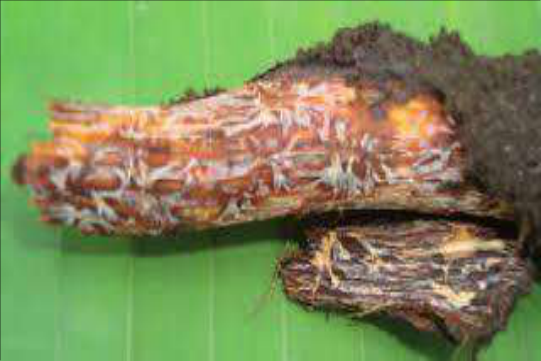 Figure 1
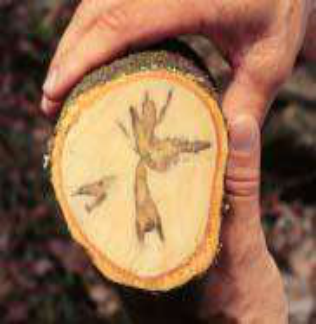 Figure 1A
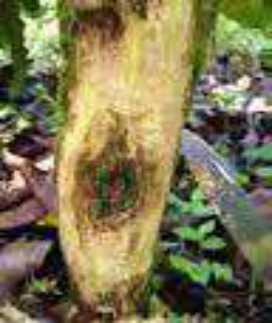 Figure 1A
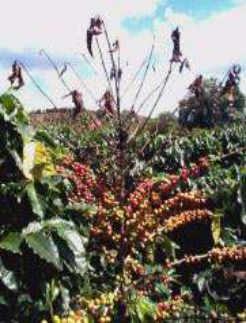 Figure 1A
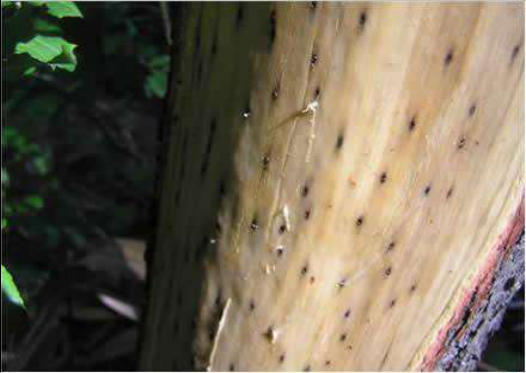 Figure 2
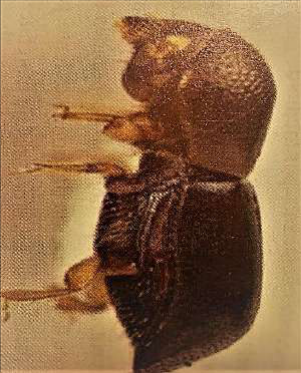 Figure 2
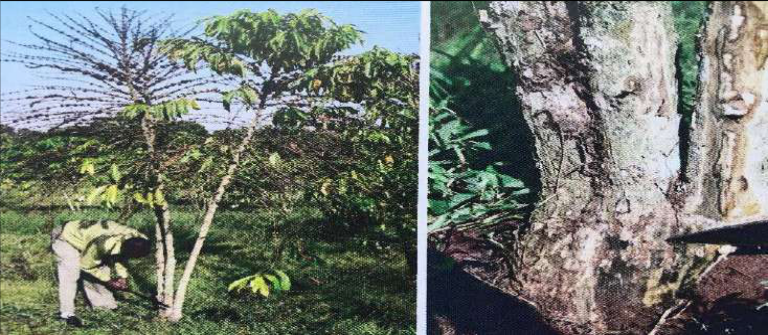 Figure 1
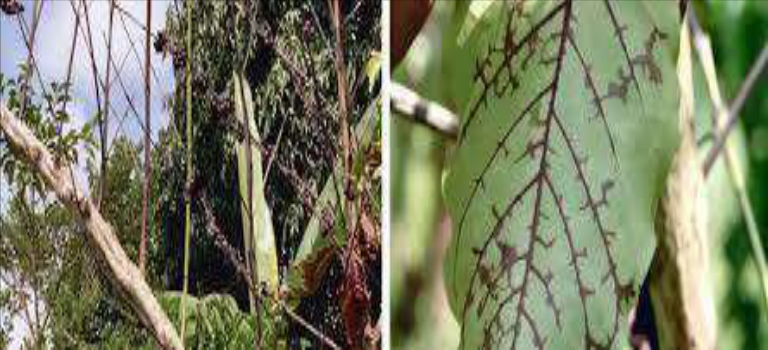 Figure 2
 Figure 3
Introduction
Rhizoctoniosis is a serious disease in nurseries and seedlings, causing damping-off in pre and post emergence. The disease is caused by the fungus Rhizoctonia solani. Seedlings in the field, in a permanent planting area, can be attacked about a year after planting, which determines a great delay or death in relation to the normal development of the healthy plant. The disease is of great economic importance, causing damage to coffee seedlings, planting failures or weak seedling production. The disease can attack coffee plants in the field for up to a year after planting, especially when the coffee plantation is done in areas of devastated forest (Zambolim et al. 1997; 1999; 2000) [53] .
Symptoms
The attack, when in pre-emergence, causes the seedlings to die before they reach the soil surface; however, the most common infection occurs in post-emergence. The stem is attacked in the neck region, where brown lesions are noted, which can reach 1 to 3 cm in length. The disease tends to rotate the stem, in which the necrotic region is observed to be strangulated due to rot of the bark, due to the penetration of the mycelium into the tissues. As a consequence, there is an interruption of the sap circulation, which causes the aerial part of the seedling to wilt and, later, its death. When the lesion reaches the wood, it can cause the stem to break in the attacked region, causing the seedling to tip over. The pathogen obtains sugars and pectin for its growth, by means of pectinolytic enzymes. Consequently, tissue death and maceration occur as the hyphae advance into the host's tissues. The fungus cannot attack cellulose and lignin, so fibrous plants remain upright despite being dead. Under conditions of high humidity, the mycelium of the fungus develops brown or gray color. The fungus attack the seedlings on the lower part of the stem, where a light brown, sometimes reddish constriction occurs, which distorts and affects the functioning of the vascular bundles, which prevents the arrival of water on the cotyledonal leaves and the first true leaves (Gaitán, 2003) [26] . The tipical symptoms of the disease is in the Figure 1. The disease manifests itself up to a year after planting. The lesion appears on or just above the soil surface. The stricken region, which is characterized by strangulation, covers 1 to 2cm or more of the stem. At the upper limit of the lesion, scar tissue is formed, which covers an appreciable area of dead wood. The swelling comes from the accumulation of descending sap. It is believed that this injury is caused by the infection that occurred late in the nursery (Gaitán, 2003) [26] . Photo: G. Hoyos, Cenicafé.
Etiology
Damping-off or ''The Mal del Talluelo'' is a very heterogeneous complex of a group of fungi, where the Rhizoctonia solani Kühn fungus stands out. The pathogen is very important in the production of coffee seedlings and sometimes in the field conditions in plants till one year. It is a fungus that inhabits the soil, with great saprophytic capacity, and can live in cultural debris from one year to the next, in the form of sclerotia (Mora, 1992) [39] . In C. canephora there is another species described as the causative agent of rhizoctoniosis, Rhizoctonia bataticola, which causes the same symptoms. The assexual classification of the fungus is (Gaitán et al., 2015) [27] : Kingdom -Fungi; Phylum -Basidiomycota; Class -Hyphomycetes; Subclass incertais sedis; Order -Agonomycetales; Family -Agonomycetaceae; Genera -Rhizoctonia; Genera and Espécie -R. solani. The sexual phase the fungus is classified in the Kingdom -Fungi; Phylum -Basidiomycota; Class -Agaricomycetes; Subclass Incertae sedis; Order -Cantharellales; Family -Ceratobasidiaceae; Genera -Thanatephorus; Genera and Species -Thanatephorus cucumeris (A. B. Frank) Donk, 1956. The Rhizoctonia solani fungus is divided into three groups according to the number of nuclei per cell: (i) the genus Rhizoctonia is multinucleated with three or more nuclei per cell with wide hyphae of 6 to 10 µm and the telemorph is Thanatephorus cucumeris Donk., which produces basidia with four apical sterigmas where basidiospores that are very labile ovoid form and hyalines; (ii) Binucleate Rhizoctonia constitutes the other group whose sexual status is Ceratobasidium Rogers and the hyphae have an average wide size of 4 to 7 µm; (iii) The last group presents the perfect state of Waitea Warcoup and Talbot and they have multinucleated mycelium and include R. oryzae and R zeae, of great relevance in world food security crops.
Epidemiology
The fungus is an inhabitant of the soil and survives from one season to another in the soil by means of sclerotia, as mycelium colonizing crop residues or as a saprophyte (Galindo et al., 1983) [28] . Rain is the main agent in the dissemination of sclerotia or mycelial fragments from the soil to the first leaves of the plant. The pathogen needs a film of water to cause infection, and when the leaves dry, the growth of the mycelium is stopped. The incubation period at 18°C to 24°C, with a range that oscillates from 16°C to 30°C is 36 to 72 hours. Soil very humid and poorly drained soil favor the development of the disease (Mora, 1992) [39] . Nursery seedlings and plants in the field are favored by excess moisture, high nitrogen content and shade. The attack is severe during spring and summer, due to the abundance of rain and optimal temperatures between 25 ° C and 28 ° C. Deep planting favors the faster manifestation of the pathogen, especially when the pit is filled prematurely. Sowing seeds treated with fungicides in washed sand without organic matter does not provide a favorable environment for the development of the fungus.
The disease appears at sowing and in nursery when contaminated substrate with the pathogen are used. Soils from old coffee plantations and forests rich in organic matter usually contain the fungus inoculum. Infection of seedlings in the growth phase occurs by hyphae or by the germination of sclerotia that colonize the hypocotyl región (Flentje et al., 1963; Dodman et al., 1968) [22,17] . High humidity (above 90%) and temperatures of 18 ° C to 28 ° C are favorable to the attack of the pathogen in sowing and nursery conditions. In these conditions, the inoculum of the fungus spread when sprinkler irrigations are made. Soils contaminated with the fungus are also responsible for the spread of the pathogen to the nurseries. Forest soil used to prepare nurseries for coffee seedlings to growth is the main source of contamination. The light affects the initiation of the perfect state of the fungus, which grows and develops under conditions of continuous indirect or intermittent light. This condition favors the formation and release of basidia and basiodiospores; dark conditions do not favor the formation of basida. The fungus need a film of water, permanent dew and little light to infect the plants.
Disease management
There is no resistant varieties of coffee to the disease. To control the disease must be preventive using cultural practices (Zambolim et al., 1997; 1999; Solano & Brenes, 2012; Coedero, 2013) [53,48,15] . The main measures are: (i) Avoid terraces originating from forest or 'capoeira' rich in organic matter to form seedlings and sand rich in organic matter to form seedlings in nurseries and sowing; (ii) Organic compounds, when used in the formation of the seedling substrate, must be well decomposed and free of the pathogen; (iii) It is recomended to use artificial substrate with appropriate fertilization because it is free of pathogens; (iv) Spray the substrates used for seed germination and seedling growth with appropriate fungicides; (v) Treat the seeds with protectant and / or systemic fungicides before sowing; (vi) As another option to formation the seedlings use soil originating from the B horizon without organic matter, mix it with washed sand in a 3: 1 ratio and fertilizers; (vii) Fill the plastic bags, which must have the size of at least 22.0 x 11.0 Introduction Rosellinia root rot has been observed for a long time in most coffee regions in the world. The disease is caused by Rosellinia bunodes (Berk. & Br.) Sacc. The disease is of great concern for the coffee grower as it is difficult to eradicate when installed in the fields. It usually occurs in new coffee plantations, planted in recently cleared land, appearing in plant ridges. The plants dies from a center where there are decaying tree trunks and remains of old forest, especially in tropical regions. In addition to the coffee tree, numerous cultivated plants are attacked by the disease (cacao citrus, avocado, rubber tree inga, macadamia, yam, cassava, banana, plantain, forest trees, serveral species of noncomercial trees, fruit trees and any type of vegetable that allows their survival. There are no data on the damage that the disease causes to coffee growing. The disease is restricted to rich in decomposing organic matter. Today it is difficult to find this disease in the field because it is prohibited to deforest to form coffee crops or any other agricultural activity. The fungus is a soil inhabitant in the forest soils. The disease was diagnosed in the roots of the coffee by Berkeley and Broome in plantations in Ceylan now Sri Lanka, in the year 1870. Some time later, Zimmerman identified and verified the pathogenic relationship between Rosellinia bunodes Berk. & Br. (Sacc.) and samples obtained from roots of coffee trees, obtained on the island of Java, in the year 1902. The pathogen that attacks coffee is Roselinia bunodes Berk. & Br. (Sacc.) causing black root rot in Central America (Costa Rica, Honduras, Guatemala and El Salvador) and also India, Brazil and Colombia (Caicedo, 2003) [5] ; R. pepo (Fernandez & Lopes, 1964) [20] causing star-shaped rot in South America; and R. arcuata Petch. the causal agent of black root in India (Kannan, 1995). In the coffee zone of Colombia, the presence of these pathogens dates back to the 30s and their incidence increased as coffee crops were established in forest areas on soils with abundant organic matter, former cocoa crops and in a cassava production system. Losses of up to 50% of trees are recorded due to R. bunodes attack when a coffee plantation is established on abundant cassava roots generating focus that is difficult to manage (Castro, 1999). All varieties of coffee are susceptible to the disease.
Symptoms
The external symptoms are similar to those caused by Ceratocystis fimbriata Ellis. & Halst. The coffee plants affected are located in foci. The first symptoms in the aerial part appear in coffee trees with three to five years old are yellowing, withering and falling of the leaves, death of the branches and death of the coffee plants. The primary site of infection is at the root collar área, where the bark is superficially cracked and mass of mycelium can be found as black dots or short lines embedded in the internal wood when caused by R. bunodes or as a white stellate mycelium growth under the bark of affected roots when caused by R. pepo (Gaitán et al., 2015) [27] . There may be abundant flowering, but some of the flowers may fall before fertilization. The coffee cherries are small and malformed, some remaining green and others the seed do not form. In a short time, the leaves fall off, leaving the bare branches, which dry quickly, with the death of the coffee tree. Safe diagnosis of the disease requires examination of the root system. The roots located immediately below the surface of the soil show the typical symptoms of blackening and disorganized bark. On the surface of the roots, whitish and branched filaments are observed, which are the rhizomorphs of the pathogen (Figure 1). Subsequently, the rhizomorphs become dark, presenting a series of nodes along their branches. Under the bark, thick black layers are formed, which appear as streaks when the bark is cracked. From the lower surface of this layer, black branches leave and invade the wood. Making transversal cuts in the roots, these branches appear as black punctuations and, through longitudinal cuts, black lines are observed. The death of the plants occurs in focus (Fernández & López, 1964) [20] . https://www.google.com/search?q=Imagen+deLlaga+estrellada+en+el+ cultivo+de+cafeto+causada+por+Rosellinia+pepo+en+cafeto&r
Etiology
The genera Rosellinia was originally described por De Notaris in 1844, on the surface of wood in decomposition. Rosellinia belongs to the class Ascomycetes, subclass Hemiacomycetes, Order Sphaeriales and family Xylariaceae. The especies identified in coffee roots in Colombia was is R. bunodes (Berk. & Br.) Sacc. and R. pepo Pat. (Lópes, 1965; Gaitán, 2015) [27] .
The fungi have two forms the ascosporic (teleomorphic) Rosellinia spp.; and the conidial (anamorph) Dematophora sp., which is rarely found in nature (Bermudez & Carranza, 1992) [3] . Asci are hyaline, cylindrical, 9 -12 x 250 -350 micrometers, long stalked, and unitunicate with eight ascospores. Ascospores are elipsoidal, without celular appendages. Several dark reddish to brown synemata arise from a common enlarded base, are 1. [27] .
The genus Dematophora form with white mycelium, with dilations next to the septa in the old hyphae. Rosellinia is still characterized by the production of rhizomorphs on the surface of the attacked organ. Rhizomorphic cords are forms of resistance.
Epidemiolgy
Both species R. bunodes and R. pepo are soilborne, facultative saprophytes that become pathogenic on dead stumps or log on newly cleared land and spread nearby living trees, thereby affecting a circle of trees around the infection center by root contact (López & Fernández, 1966) [36] . The pathogen start to colonize with a thin, brilhiant white mycelium that superficially invades the larger roots, changing progressively until it turns gray. R. bunodes mycelium then form black masses on the wood and black stripes and dots under the bark; R. pepo produce dense gray, cottony mycelium superficially over the root and fan-or star-shaped mycelium under the bark. After the substrate have been consumed, synnemata emerge from the root or on the infested soil. Rosellinia spp. can survive saprophytically for several years on rotted roots in the soil. Infested soil and disease root debris may be transported by farm operations. Cassava debris left on the soil is a rich médium for fungal growth. R. bunodes and R. pepo are related to residues of shade trees, especially Inga spp. The residue of this plant specie become sources of initial infection from where they advance by contact between roots and generate foci of several affected trees (Castro, 1999). Optimum natural conditions for development of Rosellinia spp. include soils rich in organic matter, temperaturas of 20 -28 0 C, soil moisture of 70 -80%, and pH of 4,0 -7,0. Extremely well-drained or flooded soils have strong inhibitory effects on pathogen growth. Inoculated seedlings develop the disease after 9 days on seedlings and 20 days on plantlets, when the pathogen reaches the root collar. The mycelium initially develops on the root surface and then penetrates the cells until reaching conducting vessels and the medulla. Black mycelia colonize the conducting vessels, forming the black stripes and dots in the roots that characterize the disease (Gaitán et al., 2015) [27] . Rosellinia species are native to virgin forests surviving on roots, logs, rotten stumps and other plant residues, in a shady and humid environment, which can become pathogenic. They are natural forest dwellers. After the trees are felled, rhizomorphs develop on the decomposing stumps and roots. Under favorable conditions, the fungus extends its rhizomorphs in the soil, until it reaches the roots of the coffee trees planted in the newly cleared lands. The penetration of the rhizomorphs of the pathogen in healthy plants usually takes place in the roots located close to the surface of the soil. In order for penetration to occur, injuries are essential. Rhizomorphs grow on and under the bark; its black branches invade the wood, where they emit secondary branches in different directions, which penetrate inside the cells. This distribution results in the destruction of protective tissues and conductive vessels, with symptoms appearing in the aerial part and leading the plant to death. The roots die and, in a humid and shady environment, conidia and periteciums can appear successively. Few plants die in the first year after planting. Usually coffee trees die in rows, which gradually widen as the fungus reaches other plants. High temperatures, high precipitation and little sunstroke favor the development of the fungus. Excess of humidity do not favor fungus growth (Fernández & López, 1964) [36] . Directly solar radiation and very high temperatura inhibit the growth of the pathogen (Castro & Esquivel, 1991) [14] . The R. pepo infection occurs in a similar way to R. bunodes. The pathogen condenses its mycelium at various points along the roots, forming gray-white fans or stars that turn dark as they age (Realpe, 2001). Both fungus species can be disseminatet by the root contact, soil transport, shoes. Cacao, cassava, trees of the forest, fruit trees, platano, pineple and tomato are hosts of the two pathogens (Caicedo, 2003) [5] . The disease occurs in foci in the field.
Disease management
Resistance in coffee varieties is unknown. The management of the disase must be preventive. Plants with symptoms and signals of the disease must be removed from the field. Care should be taken to avoid spread inoculum (contaminated soil and roots) in the growth area. So all affected trees and their neighbors should be uprooted and destroyed, and care should be taken to prevent movement of remaining fragments of diseased roots in the soil. Foci of affected trees must be isolated by trenching, and immediate replanting must be avoid. Wait one ou more year to plant coffee seedlings in the contaminated field (Castro, 1999).
The soil affected to the pathogen should be exposed to the solar radiation of at least six months to reduce the amount of inoculum of the pathogen from the soil (Aranzazu et al., 1999) [1] . Soil form forest should not be usesd to form seedlings to avoid inoculation of the pathogen; one should also avoid these soils for filling pits in the field; remove stumps, roots and tree trunks after logging. To form coffee seedlings it is recomended to use artificial substrates because it is free of pathogen.
Ceratocystis canker stain Introduction
Canker stain is caused by the complex Ceratocystis fimbriata sensu lato, is one of the most important disease of coffee. The disease was first reported in 1900 from Indonesia, where it ws discovered on the Island of Java. The disease subsequentely appeared in Colombia in 1932 (Caicedo, 2003; Gaitan et al., 2015) [5] . Canker stain is now found in various part other parts of Central and South America, as well as in Indian coffee-growing áreas. The disease is widely distributed worldwide, being present in Ecuador, Colombia, Guyana, Peru, Costa Rica, Mexico, Guatemala, the Dominican Republic, Trinidad, Jamaica, Haiti, the Philippines, Sri Lanka, Fidji and New Guinea. In Brazil and West Africa it affects other crop species such as citros, cacao, mango, forrest trees (Castro, 1999). The disease was diagnosticated in Colombia since 1930 (Caicedo, 2003) [5] . Malaguti (1956) [5] . All the varieties of coffee are susceptible to the disease (Castaño, 1953a; Castro, 1999).
Symptoms
The fungus causes canker stain and wilt diseases, mainly in fruit, forest, and ornamental trees. It affects plants of any growing age.
The first apparent symptom of canker stain is the yellowing of the mature leaves, which present dark green areas between the ribs, later the leaves wilt, take on a reddish, uniform coloration, slightly curl on their vertical axis, remain hanging and dry in one to two months. After wilt, an accelerated death occurs throughout the plant. Foliar wilt appear three months to a year and then generalized to the whole coffee plantation. Diseased plant dies in a period of a few weeks (Fgure 1A, B and C).
The structures of the fungus are located in vascular roots, therefore, the disease is considered vascular. The affected plant emits tylosae that obstruct the xylem-carrying vessels and imposes a supply of water to the various tiles of the plant, causing the water deficiency.
Source: Barba et al., 1961 [2] . The primary site of infection, as seen by vascular streaking, is the root collar or other parts of the stem where dark sunken lesions can bark. When the bark is removed, darkly colored lesions with a steaked pattern can be found in the infected wood which can also extend into the roots. In advanced stages of the disease, lesions girdle the trunks, resulting in tree death.
Common sites for infection are the pruning wounds created when plants are refuvenated by stem stumping, then new shoots become infected wilt and die.
In the branches, stem and superficial roots there are dried, and depressed areas that shows perforations caused by insects (Figure 2), which are ambrosial beetles (Coleoptera -Curculionidae -Scolytinae). Ambrosia beetles are common insects present in the bult log of injured, weakened, dead or recently felled trees. Losses have not been quantified, their economic importante is well recognized. Ambrosia beetles attack weakened, dying, and recently cut or killed trees. They can attack freshly cut lumber and lumber in decks before it is dried, and they can cause pinhole defects and dark staining in the outer wood. Galleries are formed in the sapwood or heartwood and damage the wood. Because ambrosia beetles tunnel into the wood, they are considered wood borers rather than bark beetles. Adults introduce ambrosia fungi that stain the wood, and lower its value. Ambrosia beetles feed on the fungus rather than the wood. The most obvious sign of an ambrosia beetle attack is the fine, white boring dust that accumulates at the base of the tree and in the bark crevices. Adults bore straight into the tree, creating perfectly round, small-diameter holes. If the bark is removed, the entrance points of adult ambrosia beetles and galleries are distinctive and are often surrounded by a dark brown or black fungal stain. Ambrosia beetles are small, roughly 2 mm long, elongated and cylindrical insects that can be found in branches, trunks and superficial roots. These beetles have a forced symbiosis with the fungi, which grow in galleries or tunnels that they themselves drill into the xylem of the tree that hosts them. In their larval stage, beetles feed on fungi until they reach adulthood and emerge carrying symbiote fungi in structures called micangia Carraro -Moreira, 1997).
Perforations are detected by sawdust and gummy exudates accumulated at the foot or trunks of plants (Figure 2). On the bark, multiple bluish-brown spots are observed that grow in a cortical and medullary direction, intersected by galleries, where the different stages of the insects of the Taxa Scolytidae develop in the different stages of development. In Florida, the red bay leaf ambrosia beetle (Xyleborus glabratus) is the main vector of the fungus (Raffaelea lauricola) that causes the disease called laurel wilt. In coffee cultivation, the insect is Xyloborus sp. This insect disseminate the fungus C. fimbriata through the galleries (spots) where the mycelium of the fungus is found in the asexual and sexual phase. These spots can appear from the base of the trunk to the area of the fork and branches, also when discovering the root area, necrotic areas with perforations of the insect can be observed. No apparent symptoms are observed in the fruits, although the leaves detach from the side and remain hanging. The disease is classified as a monocyclic, with a spread pattern that is typically to the monomolecular type epidemiological curve. Ceratocystis spp. in the C. fimbriata sensu lato species complex have close associations with causal insects such as picnic beetles.and flies that feed onwounded plant tissue. The insects of the Scolytidae family are the natural disseminators of the disease. In their life cycle, the beetles excavate deep galleries in the wood, usually reaching the heartwood. Their association with ambrosia fungi is a dependent mutuallism making of this group of beetles the most highly evolved within the order. Ceratocystis spp. produce fruity odors that are attractive to these insects, and when the fungi are present on the surface of the lesions, their spores attach to the insect that carries them to fresh wounds. Damage caused by ambrosia beetles can vary greatly among places. In some areas, aggressive control programs are required to reduce economic damage to wood products. The symbiosis is made possible due to special ectodermal structures that preserve and nourish the spores during the transportation to new hosts. Upon feeding a suitable host, the ambrosia beetles excavate a complex gallery system. The fungi sprout and grow in the gallery walls producing nutritious spores eaten by adults and larvae Ceratocystis spp. that cause canker stain of coffee, but it is most likely that these fungi are transmitted by insect. This is another major source of inoculum of Ceratocystis spp. causing canker stain.
The propagules of C. fimbriata are disseminated by strong winds, floods and irrigation. In addition to the movement of materials, agricultural equipment, as well as animals and workers.
Canker stain is reported in all coffee growing regions of the world, with some exceptions. The fungus has the ability to to attack multiple hosts and also the ability to survive as a saprophyte in the Rain Forest Biome, where the conditions for coffee growing create an environment conducive to perpetuate itself indefinitely.
The fungus that causes the disease spreads from the soil to the plant in the first twenty centimeters, mainly due to the rain. It penetrates the plant tissue due to wounds in cuts of tillage tolos and galleries made by insects. Micro-organism is present in most high-altitude coffee plantations, with poor drainage and old plantations.
The disease is favored by rain, high humidity, cold temperatures at night (18°C) and warm during the day (28°C). The dispersa lis by the conidia, mycelium, and ascospores which can survive for several years in the soil and in remains of wood colonized by the pathogen. The fungus lesions develop at the base of the stem, in the first twenty centimeters, as a result of the entrance of the fungus by the wounds caused by the weeding and pruning machetes. The attack on the branches is also caused by the entrance of the fungus, product of the spread in the pruning tools, not disinfected for this purpose. It is common in coffee plantations with good technology to have incidence rates of 10%, which in a population of 5000 plants per hectare translates into a considerable number of plants, which is detrimental to yield per area. If the epidemic has not been dealt with since the beginning, insect populations and sexual structures in the long term, reproduce quickly and the incidence of disease is magnified.
Disease management
The most important strategy that can be applied to manage canker stain is to avoid any form of injury to the tree trunk. The fungus invades the host by disseminating agents, which are the tillage tools, or galleries produced by ambrosial insects when penetrating the host (Brenes, 2018). The best way to avoid the establishment of this fungus is by prevention. It is recommended to avoid causing unnecessary wounds to the tree and to apply fungicide in a preventive way in any cut caused to the trunk or branches, whether in pruning and weeding practices or due to some factor that cracks, tears or causes injury to the coffee tree.
It is also recommended to disinfect pruning and weeding tools, several times during the work day. The working tools can be disinfected with various products, some as old as Formol, diluted in 2% water or Sodium Hypochlorite using commercial doses, although currently a wide variety of chemical products are offered to perform an efficient cultural practice. The preventive control of this pathogen is carried out with fungicides from the group of benzimidazoles, chlorothalonil and various triazoles. But there is no fungicides that eliminates the disease once inside the plant tissues. Fungicides should not be aplied in the soil (Castro y Montoya, 1994). Pastes or species of paints based on cupric fungicides can also be used as disinfectants and protectors of pruned plants. All these products should be used as part of an integrated management of the fungus and at the dose recommended by the manufacturer. Disead plants should be eliminated from the field. After the erradication of diseased plants a new seedling can be planted imediately.
Preventive biological control of the pathogen is a practical reality through various species of the fungus Trichoderma spp., which must be used in the field from the production of seedlings and also in the establishment of the new plantation. Ideally, this pathogen should be achieved in the rhizosphere of the coffee crop indefinitely, so that it acts as a true antagonist in this ecological environment.
Other cultural practices that are of great benefit to reduce the intensity of the disease are pruning above forty centimeters and preventing particles of organic matter with the fungus from establishing themselves in the wood. If the plants are infected at the top of the plants it is recomended to cut the the stem 15 cm below the lesión. During the practice of pruning the branches nearby the soil line, it is suggested to cut them, leaving about 2 cm long without causing direct damage to the main stem (Castro, 1998) It is advisable to remove all the pruned material from the plantation and incinerate it to reduce a significant source of inoculum of the fungus. Plants with the characteristic symptoms of the disease, such as irreversible yellowing, must be eradicated from the plantation, since they constitute a source of permanent inoculum; the hole left by the diseased plant must be solarized for a period of four to eight weeks by placing transparent plastic, to reduce the intensity of propagules in the soil, then a fungicide can be added and finally a program of applying biocontroller fungi is established, to establish balance on the ground (Brenes, 2018). canephora. The disease can kill the coffee plants 1 to 2 months after the first symptoms. Outside Africa there are no report of CWD. The major impact on coffee production was in Democratic Republic of Congo and Uganda. In Uganda 90% of C. canephora farms were affected. In Uganda, annual losses have been estimated at US $ 3 million. In Ethiopia, losses varied from 44% in Gera to 61% in Bebeka; however, some producers lost about 100% (Girma, 1997). A very good review of the disease in Africa was published by Flood (2021).
Coffee Wilt Disease (Tracheomycosis
Coffee Wilt Disease (Tracheomycosis
Symptoms
The symptoms of the disease are similar to those caused by Rosellinia bunodes, R. pepo and Ceratocystis fimbriata. The difference is that CWD eliminates the plant with losses in production and increased cost for renovation. Coffee Wilt Disease can manifest at any stage of plant development. Leaves of young plants develop brown necrotic lesions, often along the veins and margins initially. Eventually leaves can dry, shrivel, and fall 3-4 days after the first symptoms. Lower leaves tend to be the first to display sumptoms. In adult plants it is very common chlorosis, wilting, curling, and drying of the leaves. Unilateral dieback and defoliation can also occurs in the field. Dark brown discoloration of the leaf veins may be apparent. Berries of the diseased plants become red and ripen prematurely. Younger branches develop a dark brown-black necrosis that may also be laterelly restricted. Sometimes the symptoms extend to the entire tree. The key sympom the CWD upon removal the bark is the blue-black staining of the vascular tissues. Discoloration is usually more pronounced toward the stem base. But it may extend from below the soil level to the apex of the trees and may be spiral along stems and branches. Along the trunk bark may become swollen with spirall cracks. Small black perithecia ascomata form under rainy conditions. The perithecia may be visible on the surface of the bark and often in the cracks.
Perithecia can be found also on the dead and decaying parts of affected plants. The plants can dies any time between 3 and 15 months after the first external symptoms. But Govindarajan & Subramanian, 1968 pointed out that the plant dies 1 to 2 months after the first symptoms appear. Older and poorly managed trees appear to be more susceptible to the disease (Figure 1, 2 and 3). Ascospores produced on the basis of diseased plants and also on dead cultural branches and stem could act as survival structures in the soil. The fungus can also live on plant residues or on alternative hosts. In Uganda the fungus was isolated from banana roots however it needs to be proved. The primary mode of penetration into the vascular tissues is by the roots directly. How and the time of survival of G. xylarioides in the soil is also unclear. The fungus penetrates the roots also through wound sites and lower stem that form naturally or result from farming practices. Then the fungus colonizes the vascular tissue of the xylem with the blockage of the vessels and toxin production, leading to the wiltlike symptoms and discoloration observed in wood. Microconidia, macroconidia and ascospores are presumably dispersed by air, water, and human activity. Soil and plant debris, particularly wood, are importante sources of inoculum and disease spread. Wood cuttings used for vegetative propagation are exchanged and sold by growers and nurseries to establish new plantings. The efforts to isolate the fungus from infected coffee berries has been unsuccessful. G. xylarioides is restricted to Coffea spp.
There is no information in the literature on the effect of the environment on the disease. The germination of the conidia is favored at a temperature of 30 0 C and does not require liquid water on the leaf surface, only a very humid atmosphere. Under laboratory conditions the maximum growth of the fungus was at 25 0 C in culture medium. Stress produced by the shade of tree plants and marginal areas of low fertility are conditions that favor the disease (Siddiqui, 1965). The disease is more severe in old and under-fertilized plants.
It is very likely that conidia and ascospores are spread by wind, rain, human activities, pruning and harvesting (Jacques, 1954). Wind is the importante way for dissemination of the conidia and ascospores at a long distance. Cultivation practices and splashing raindrops redistribute the pathogen in the coffee plantations (Siddiqui & Corbett, 1968). Spores can germinate in moist environments without the presence of liquid water. Penetration occurs through injuries to the plant cortex. Wounds during cultural practices can serve as a way for penetration of the fungus in the plant tissues (Krantz & Mogk, 1973). The transmittability of the fungus by the seeds still needs confirmation.
Disease management
The most important measure of disease control is to employ resistant varieties. In the 50s and 60s when the disease was very severe in Central and East Africa, C. canephora was the basis for breeding programs aimed at resistance to the disease. In Ethiopia, it was found differences between C. arabica L. lines to the disease (Van der Graaff & Pieters, 1978). Such authors suggested that resistance is quantitative in nature in C. arabica.
There is no evidence of qualitative resistance. But the mechanisms of resistance in coffee plants remains unclear.
In 2001 researchers from Jima Station in Ethiopia demonstrated that coffee varieties resistant to CBD are at some level resistant to CWD (Girma & Hindorf, 2001).
In the absence of resistant varieties the efficient measure to prevent the disease is to adopt the exclusion of the pathogen into disease-free areas. This may be achieved by strict quarentine measures to control the distribution of seeds, vegetative cuttings, clones, seedlings and plantlets produced by nurseries, and soil from the affected areas. New plantings should be established with disease-free material. Others measures to minimize the severity of the disease in the field are: maintaining a vigorous and well-managed crop, minimize the physical damage to coffee trees to reduce the risk of infection and delay subsequente disease development. Avoid wound the stem with cultural measures is very importante to prevent the disease. Cultural measures are also very important when the disease is already installed in the planting areas. Cultural practices included frequent inspection of the crop, along with uprooting and burning of infected material (in situ). Removal of coffee bushes ahead of the infection (to reduce spread between plantations) was considered effective in Cote d'Ivoire; gaps of a few hundred metres were considered enough to confine the disease (Deassus, 1954). Measures such as reducing the source of inoculum by burning the diseased plant on the spot and also the adjacent plants even if you have no symptoms of the disease. In order to prevent the spread of the fungus in the planting fields, it is recommended to leave a 300 m strip around the site from where the sick plants were burned free of plants. Preventing injury to plants and treating pruning tools with disinfectant products before use and between the pruning process.
In infected areas, further spread and crop loss may be reduced or prevented by adopting phytosanitary measures, including in situ removal and destruction, by burning or burying of affected trees that provide foci of infection. Coffee may be replanted with resistant coffee (if available) or an alternate crop or left fallow for at least one year. The planting of non-host plants is recommended to reduce the population of the fungus in the soil.
Coffee plant materials and soil should not be moved within or from affected areas. Coffee wood should not be stored as a source of firewood. Farm implements particularly those used for pruning and weeding around coffee trees, should be routinely cleaned with a suitable disinfectants or fungicide. Care should be taken not to damage the trees because wounds may provide entry points for the fungus. Vigilance is required by growers and local national authorities to monitor disease progress in the field, identify and tackle new outbreaks at an early stage of development, and enforce required management measures.
Concluding remarks
The two soil borne disease most important of coffee are Ceratocystis canker stem (Ceratocystis fimbriata) and Coffee Wilt Disease (Fusarium xylarioides). The first occur in Central and South America, except Brazil and the second is prevalent only in the Africa continent. The main method of control of these diseases is by resistant varieties. For the other two diseases Rhizoctoniosis (Rhizoctonia solani) and Rosellinia root rot (Rosellinia bunodes) there are not any source of coffee resistant germoplam to be bred and to select. Rosellinia root rot is not a problem in Brazil due to the fact that all coffee plantations is growing under sun light and it is forbiden to devaste the forest to growth coffee. In Central America this disease is responsable to kill coffee plants because all coffee plantations in growing under shade tress susceptible to the disease. The coffee breeders of the American continent should be aware of the great importance of Ceratocystis canker stem and Coffee Wilt Disease. There are source of coffee germoplasm resistant to both diseases in Africa continent. Also the government authorities should be aware of the great importance of this disease. Seeds of coffee must be prohibited to enter in the America's country because they can disseminated these diseases.
Figures and tables from the paper
References
54 in the original paper- Aranzazu HF, Cárdenas LJ, Mujica JJ, Goméz QR. Manejo de las Llagas Radicales (Rosellinia sp.). Bogotá, ICACORPOICA, 1999, 35. (Boletin de Sanidad Vegetal No. 25).
- Y Enseñanza para Graduados Turrialba, Costa Rica Noviembre 1961, 59.
- Bermudez M, Carranza-Morse J, Estado anamorfico de. Rosellinia bunodes (Derk. & Dr.) Sacc. y Rosellinia pepo Pat. (Ascomycotina: Xylariaceae), Rev. Biol. Trop 1992;40(1):43-46.
- Bianchini PCL. Las llagas del café en Costa Rica Rev. Biol. Trop 1955;3(2):203-235.
- Caicedo BLC. Lagas Radicales. Rosellinia bunodes Berk. y Br. Sacc. y Rosellinia pepo Pat. In: Vallejo et al., (Eds.). Enfermedades del Cafeto en Colombia. Cenicafé 2003,100106.
- Castro CBL. Antagonismo de algunos aislamientos de Trichoderma koningii, originarios del suelo colombiano contra Rosellinia bunodes, Sclerotinia sclerotiorum y Phytium ultimum. Fitopatología Colombiana 19(2):7-17. Bogotá, Colombia 1995.
- Castro CBL. Las Llagas del Cafeto. Avances Técnicos CENICAFE N° 268 1999, Pp. 1-8.
- Castro C, BL Y Cortina HA. Evaluación de resistencia a Ceratocystes fimbriata Ell. Halst. Hunt. En progenies F5 de café Bourbon resistente x Caturra 2009;60(2):115-125.
- Castro CBL, Montoya REC. El zoqueo de cafetales y su relación con la infección por Llaga Macana. (Avance Tecnico N° 240. Cenicafé, Chinchiná, Colombia 1997, 8.
- Castro CBL. Incidencia de la Llaga Macana Ceratocystes fimbriata (Ellis, Halst) Hunt. En la práctica de poda de ramas bajeras del café Avances Tecnólógicos. Ceneicafe N° 250 1998, 8.
- Castro CBL, Montoya RE. Evaluación de fungicidas para el control de Ceratocystis fimbriata en café. Cenicafé 45(4):137-153. Chinchiná, Colombia 1994.
- Castro CBL, Chaves CB. Evaluación del daño económico ocasionado por la Macana del cafeto Ceratocystes fimbriata, (Ellis, Halts) Hunt. In XX Congreso Nacional de Fitopatología y Ciencias Afines: ASCOLFI 1999 65.
- Castro, C.B.L. Las llagas del cafeto. Avances Tecnicos Cenicafé No 1999;268:1-8.
- Castro CBL, Esquivel RVH. Las Lagas Radicularis del cafeto. Avance Técnicos Cenicafé No 1991;163:1-4.
- Cordero CM. Cómo controlar los hongos que causan el Mal del Talluelo?, Cuadernillo Numero 2. Control del Mal de Talluelo. Asociación El Bálsamo. Sitio web: www.elbalsamo.org 2013, pp. 15.
- Deassus E. La tracheomycosis de Cafeier. Bull. Sci. Minist.Colon. Sect. Agron. Trop 1954;5:345-348.
- Dodman RL, LR Barker y JC, Walke R. Modes of penetration by different isolates of Rhizoctonia solani. Phytopathology 1968;58(3):1-33.
- Duque OH, Castro LB, Montoya REC. Importancia Económica de la Llaga Macana del Cafeto. Avances Técnicos. CENICAFE 2003, 314. 4.
- Felix JA. La Carbunculariose. Bull. Sci. Minist. Colon. Sect. Agron. Trop 1954;5:296-344.
- Fernández BO, López DS. Llagas radiculares negras (Rosellinia bunodes) y estrelada (Rosellinia pepo) del cafeto. I. Patogenicidad e influencia de la clase de inóculo en la infección. Cenicafé 1964;15:126-144.
- Figuieres E. Sur une maladie três grave du cafeier em Oubangi. Rapport 11 sect., Janvier 1941.
- Flentje NT, Dodman RL, Kerr A. The mechanism of host penetration by Thanatephorus cucumeris. Australian J. Biol. Sci 1963;16:784-799.
- Flood J. A study of Tracheomycosis or vascular Wilt Disease of coffee in Zaire. Report presented to Zairean Coffee Organization (OZACAF) and the International Coffee Organization (ICO) 1996, 13.
- Flood JL, Gil LF, Waller JM. Coffee diseases: a clear and a presente danger. In: Baker, P.S. Ed. Coffee Futures, Chinchiná (Colombia), CABI-FEDERACAFÉ-USAID-ICO 2001, 82-93.
- Flood J. Coffee wilt disease. Burleigh Dodds Series in Agricultural Science, CABI, UK 2021. Doi.org/10.19103/AS.2021.0096.25
- Vallejo, E.F.G. et al., (Eds). Cenicafé 2003, 85-90.
- Gaitán ALB, Cristancho MA, Caicedo BLC, Rivillas CA, Gómez GC. Compendium of coffee diseases and pests. The American Phytopathological Society 2015, 79.
- Galindo JJ, Abawi GS, Thurston HD, Galvez GE. Source of inoculum and development of bean web blight in Costa Rica. Plant Disease Report 1983;67:1016-1021.
- Girma AS, Hindorf H. Recent investigation of coffee Tracheomicosis G. xylaroides/F. xylarioides in Ethiopia. In: Colloque Scientifique International sur le Café, 19 Trieste, Mayo 14 -18, 2001. Paris (Francia), ASIC 2001, 7.
- Girma AS. Coffee wilt disease in Ethiopia. In: International Workshop of Tracheomycosis, Kampala, July 1977. Proceedings.
- Govindarajan TS, Subramanian S. Fusarium wilt in India. Indian Coffee 1968;32(9):270-291.
- Guillemat J. Quelques observarions sur la trachéomycose du Coffea excelsa. Revue de Botanique Appliquée et d'Agriculture Tropicale 1946;26:542-550.
- Heim R, Saccas AM. La tracheomicose des Coffee et Robusta des plantations de L'Oubangui-Chari. Revue de Mycologia. Supplement Colonial 1950;15:97.
- Jacques FA. La Carbunculariose. Costa de Marfil. Ministerio da Agricultura 1954, p. 296-344 (Boletin Science n. 5).
- Krantz J, Mogk M. Gibberella xylarioides Heim et Saccas on arábica coffee in Ethiopia. Phytopathologische zeitschrift 1973;78(4):365-366.
- Berk. Y Sacc. Manizales, Universidad de Caldas, Facultad de Agronomía 1965.
- Moller WJ, Devay JE, Backman PA. Efect of some ecological factor on Ceratocystes fimbriata canker on stone fruits. Phytopathology 1969;59:938-942.
- Mora BB. Epidemiology and agronomical management of Rhizoctonia Web Blight in common bean. 1992. Thesis Ph.D. Plant Pathology Dpto. University of Florida 1992, 145.
- Mora JR. Control biológico de la pudrición radicular por Fusarium oxysporum en semilleros de café usando endomicorriza y Trichoderma harzianum. Zamorano Carrera de Ciencia y Producción Agropecuaria. Tesis 2001, 25.
- Phiri N, Baker P. Coffee Wilt in Africa: Final Technical Report of the Regional Coffee Wilt Programme (20002007). Wallingford, UK: CABI Publishing 2009, 233.
- Pieters R, Van der Graaff, Pieters NA. Resistance to Gibberella xylaroides in Coffea arabica: evaluation of screening methods and evidence for the horizontal nature of resistance. Netherlands Journal Plant Pathology 1980;86:3743.
- Realpe QCE. Estudios biológicos de Rosellinia pepo Pat. causante de la llaga estrellada en la macadamia. Manizales, Universidad de Caldas, Facultad de Agronomía 2001, 88. (Tesis: Maestría en Fitopatología).
- Rutherford M, Flood J. Epidemiology and Variability of Gibberella xylarioides, the Coffee Wilt Pathogen. UK Department for International Development (DFID) Crop Protection Programme Project R8188. Final Technical Report. Egham. UK: CABI Publishing 2005.
- Saccas AM. Recherches experimentales sur la tracheomycose des caffeiers em Oubanghui-Chari. Agronomic Tropical 1956;11(1):7-38.
- Siddiqui MA. A note on coffee bark disease in East Africa. Kenya coffee 1965;30(356):345-346.
- Siddiqui RB, Corbett DCM. Coffee bark diseases in Malawi. II. Properties of the causal organismo and conditions favouring the disease. Transactions of the British Mycological Society 1968;51(1):129-135.
- Solano M, Brenes D. Evaluación de métodos de curación de sustratos para la prevención del Mal de Talluelo. Revista Forestal Mesoamericana Kurú 2012;9(22):63-65.
- Stewart RB. Some diseases occurring in Kaffa province, Ethiopia. Alemaya, Imperial Ethiopian College of Agriculture and Mechanical Arts 1957, 15-16.
- University of Florida-IFAS. Escarabajos ambrosiales (Coleoptera: Curculionidae: Scolytidae. TREC. Tropical Fruit Entomology 2014. http://trec.ifas.ufl.edu/tropicalentomology/factsheets/ ambrosia_beetles_es.shtml
- Updhyay HP. A Monograph of Ceratocystis and Ceratocystiopsis. University of Georgia Press, Athens, GA, USA 1981.
- Van der Graaff & Pieters, N.A., Pieters, R. 1978. Resistance levels of Coffea arabica to Gibberella xylaroides and distributuion patterns of the disease. Netherlands Journal of Plant Pathology 1981;84:117-120.
- Zambolim L, Vale FXR, Pereira AA, Chaves GM. Café (Coffea arabica L.): Controle de doenças -doenças causadas por fungos, bactérias e vírus. In: Vale, F.X.R.; Zambolim, L. (Eds.) Controle de doenças de plantas: grandes culturas. Vol. 1. Viçosa, MG. UFV 1997, 83-140.
- Zambolim L, Vale FXR, Pereira A, Chaves GM. Manejo integrado das doenças, Viçosa, MG. Anais...Viçosa, MG: UFV 1999, 134-215.
- Zambolim L, Vale FXR. Perdas na produtividade e qualidade do cafeeiro causadas por doenças bióticas e abióticas: Zambolim, L. Café: produtividade, qualidade e sustentabilidade. Viçosa, MG: UFV 2000, 239-261.
Cited by 7
From OpenAlex, OpenCitations and reference lists read by Scinovex
- Exploring the vital role of phytohormones and plant growth regulators in orchestrating plant immunity ↗
Ayesha Shafqat, Sonia Abbas, Madieha Ambreen, Ayesha Siddiqa Bhatti, Humaira kausar, Tabassum Gull · Physiological and Molecular Plant Pathology · 2024
❝ 37 - Tea, coffee and green tea consumption and mental health outcomes: A systematic review and meta-analysis of observational and intervention studies on stress and related conditions ↗
Mitesh Ikar, Sunil Sable · Journal of Pharmacognosy and Phytochemistry · 2023
This review aims to examine the effects of tea, coffee, and green tea consumption on human cognitive performance and mental health. Tea, coffee, and green tea are widely consumed beverages worldwide and contain various bioactive compounds that may influence cognitive function and mental health. Research has suggested that caffeine, the primary psychoactive compound in coffee and tea, can improve cognitive…
❝ 13PDF - Modelo productivo para el cultivo de cacao (Theobroma cacao L.) en el departamento de Boyacá ↗
Yeirme Yaneth Jaimes Suárez, Genaro Andrés Agudelo Castañeda, Eliana Yadira Báez Daza, Felipe Montealegre Bustos, Roberto Antonio Coronado Silva, Gersaín Antonio Rengifo Estrada et al. · Corporación Colombiana de Investigación Agropecuaria (Agrosavia) eBooks · 2022
El departamento de Boyacá está surgiendo como productor de cacao a nivel de Colombia. Sin embargo, este sistema productivo tiene una baja productividad, la cual está determinada por una pobre adopción de tecnologías, así como por malas prácticas de manejo de las plantaciones que, en su gran mayoría, se establecieron a través de programas de fomento, especialmente en la provincia…
❝ 7PDF - Rhizospheric Fungal Communities and Their Role in Biocontrol of Fusarium in Robusta Coffee (Coffea canephora) in Vietnam ↗
Ha Thu Nguyen, Cristina Bez, Minh Quang Tran, Linh Thi-Ngoc Tran, Van Thi-Thuy Pham, Iris Bertani et al. · The Plant Pathology Journal · 2026
Rhizospheric microbial communities are critical to the health and productivity of coffee plantations. This study investigated the microbiome of robusta coffee (Coffea canephora) across three major cultivation areas in Vietnam (Dak-Nong, Dak-Lak, and Gia-Lai) to assess its role in Fusarium suppression. Using ITS ampliconbased metagenomics and culture-dependent approaches, we analyzed fungal community structure in relation to location, plant age, and…
❝ 0PDF - Inoculation with Trichoderma in Coffea arabica Seedlings: Effects on Morphological Indices and Seedling Quality Under Nursery Conditions ↗
Alina Alexandra Camacho-Villalobos, Luiz Paulo Amaringo-Cordova, Tatiana Mildred Ucañay-Ayllón, Noelito Salgado-Veramendi, Jhoffre David Flores-Jaramillo, Uriel Aldava-Pardave · Plants · 2026
Microbial inoculants such as Trichoderma have been proposed as sustainable tools to improve seedling quality in coffee nurseries; however, their effectiveness may vary according to formulation and genotype. This study evaluated three treatments: a solid Trichoderma formulation (1 kg m−3 of substrate) based on a multispecies consortium (T. harzianum, T. asperellum, and T. viride; 5 × 10⁹ conidia g−1), a…
❝ 0PDF - Multi-source environmental diversity mapping to assess potential level of soil degradation on coffee plantations: Ende Regency, East Nusa Tenggara ↗
Charly Mutiara, Sri Wahyuni, Mujiyo Mujiyo, Ongko Cahyono, Widyatmani Sih Dewi, Aktavia Herawati et al. · IOP Conference Series Earth and Environmental Science · 2024
Abstract This study investigates the potential level of soil degradation from coffee plantation land use in the Ende district of Flores, East Nusa Tenggara. Given its significant economic role in the region, coffee cultivation has been noted for its detrimental impact on soil quality and health. The main goal of this study is to thoroughly assess the level of soil…
❝ 0PDF - An analysis of growth and performance of Indias agriculture export ↗
Vipin Mittal · International Journal of Research in Finance and Management · 2023
Recent developments in the international trade scenario and corresponding alterations in India’s foreign trade policies have depicted far-reaching implications for India’s agricultural sector in general and agricultural exports in particular. Indian Agriculture product has occupied an important place in the world agriculture product. India used to be the central place of export for many agricultural commodities. The present study has…
❝ 0PDF