
Research article · 2018 · Full text
International Journal of Research in AgronomyStudy on growth and yield production of bean (Phaseolus vulgaris) under alkaline soil condition
Volume 1(2) · Pages 01–06 · DOI: 10.33545/2618060x.2018.v1.i2a.51 ↗
Research areasAgriculture, Soil, Plant SciencePlant responses to water stressSoybean genetics and cultivation
Abstract
Author-writtenCommon bean (Phaseolus vulgaris) growth was evaluated under alkaline soil condition (pH 8.0). 15 varieties at primary growth stage and 4 varieties on sowing to maturity stage tested at Tokyo University of Agriculture (TUA), Tokyo, Japan in 2012, and 2013, respectively. The study was aimed to develop selection method on tolerant varieties of common bean under alkaline soil condition. The leaf area, SPAD value and nutrients uptake at primary growth stage was affected by alkaline soil condition, but the influence was varied by varieties. The identical tolerant varieties at primary growth stage were tested at harvest (maturity stage) which was included control plant. The variety of Jabino was evaluated tolerant variety on alkaline soil condition. The result was suggested that selection of tolerant variety on alkaline soil condition, most of varieties possible to evaluate at primary growth stage.
Summary
Source-checkedPlain-language reading of the full paper, prepared with AI and checked against the text. Each point links to the authors' own words.
Why it matters
- The common bean is a critical legume crop that provides essential calories and protein for people in many developing nations. View evidence ↗
- In the Bamyan region, soils are often alkaline with a pH above 8.0 due to high calcium carbonate (CaCO3) content. View evidence ↗
- Soils with a pH greater than 8.0 can hinder legume growth by reducing nodulation and nitrogen fixation. View evidence ↗
The question
- The researchers aimed to create a method for selecting common bean varieties that are tolerant to alkaline soil conditions. View evidence ↗
What they did
- Plants were grown in either a control soil (pH 6.4 ± 0.3) or an alkaline treatment soil adjusted to pH 8.0 using calcium hydroxide. View evidence ↗
- Alkaline tolerance was measured using a Relative Value (RV) percentage, comparing the growth of treated plants to control plants. View evidence ↗
What they found
- Jabino and Haibushi Nansei varieties consistently showed the highest relative growth values across both primary sampling periods. View evidence ↗
- The study found that leaf area could serve as a useful indicator for selecting bean varieties tolerant to alkaline soils. View evidence ↗
- In alkaline conditions, Kentucky Wonder (15.45 g p-1) and Jabino (13.47 g p-1) produced significantly more dry matter than other tested varieties. View evidence ↗
- Nutrient uptake in seeds differed significantly between alkaline treatment and control for iron (Fe), potassium (K), and phosphorus (P). View evidence ↗
What it means
- The authors concluded that the Jabino variety is resistant to pH 8.0 conditions. View evidence ↗
- The authors suggest that most tolerant varieties can be identified during the primary growth stage. View evidence ↗
- Because the study was limited to a greenhouse environment in Tokyo, the authors recommend further research in natural field conditions. View evidence ↗
Visual summary
2 visualsIllustrations explain the paper; charts are replotted from the paper's own table values.
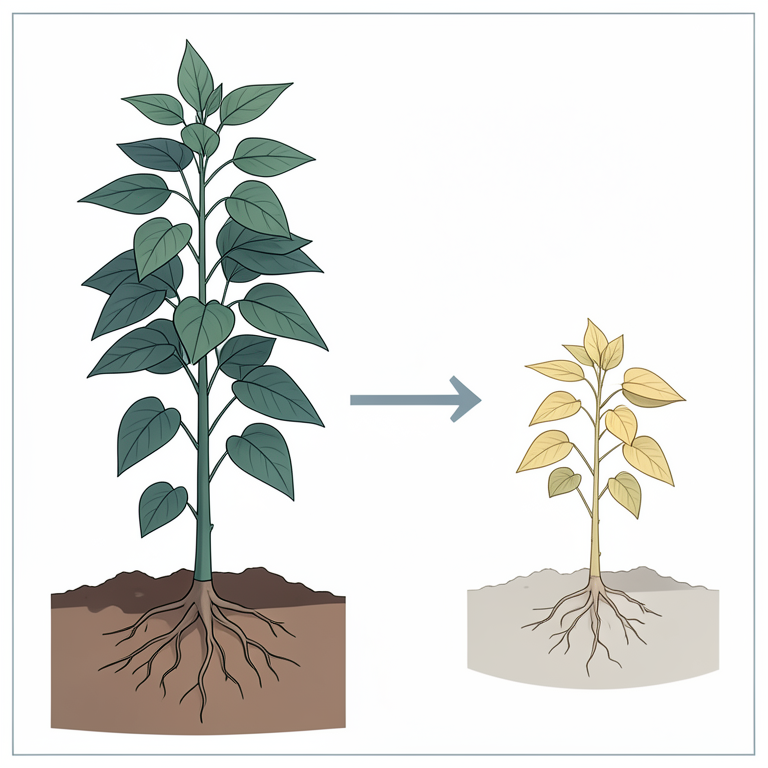
Experimental Setup Comparison
AI-generated conceptual illustration (common bean plants (Phaseolus vulgaris) in soil). It explains the idea and does not show study data.
View source evidence ↗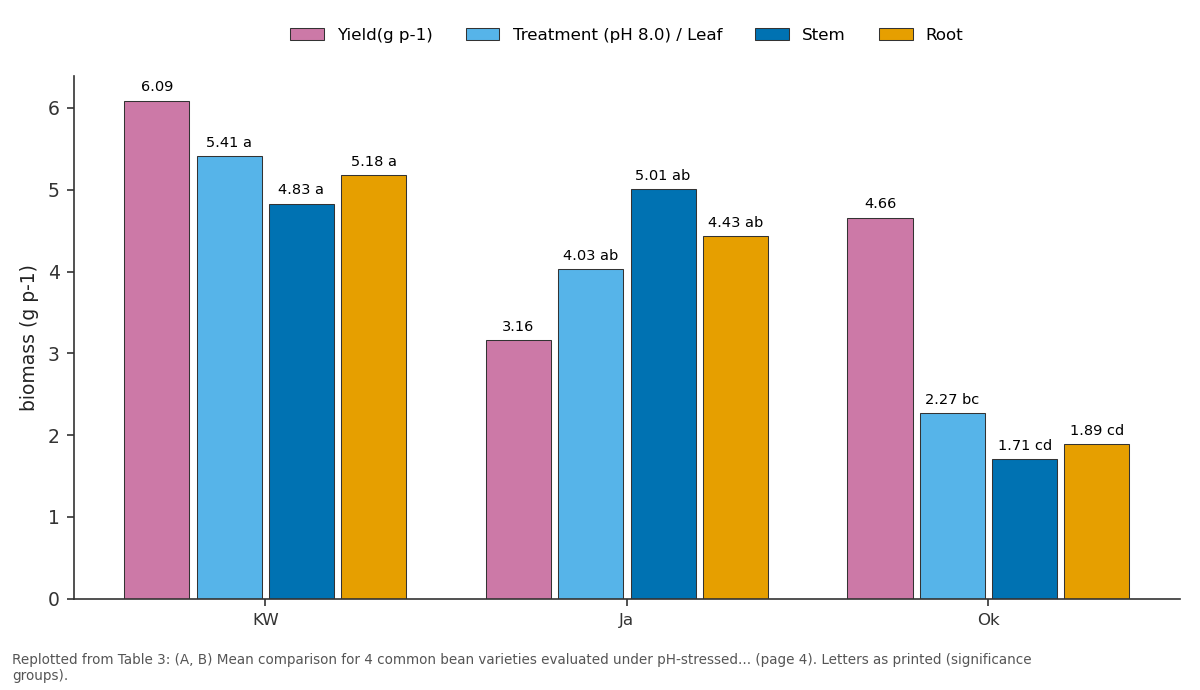
Yield(g p-1) and Treatment (pH 8.0) / Leaf and more: KW vs Ja vs Ok
Replotted from Table 3 (page 4) of the original paper. Every bar is the paper's own table value.
View source evidence ↗Figures & tables
From the original paper Table 1
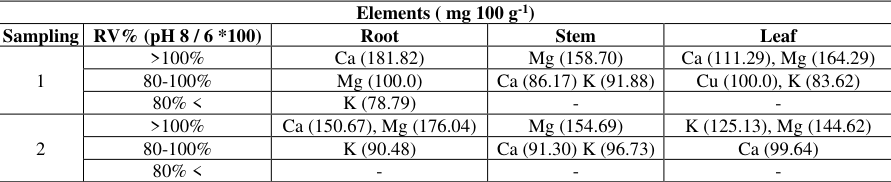 Table 2
 Table 3
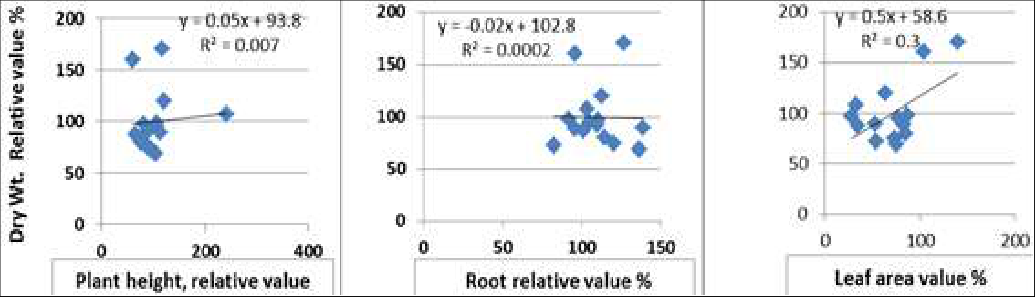 Figure 2
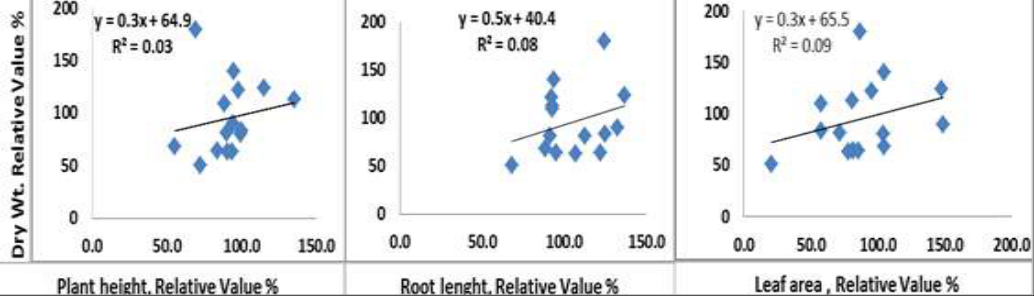 Figure 1
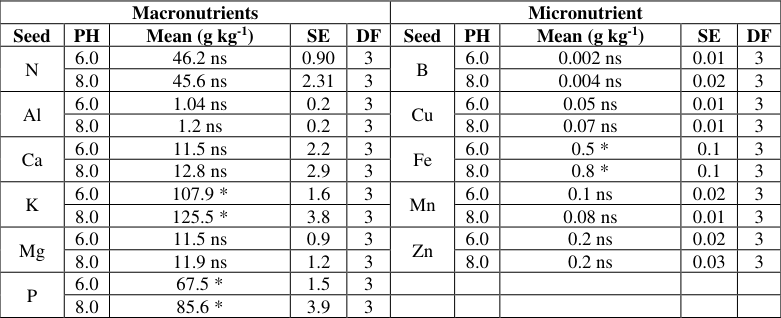 Table 4
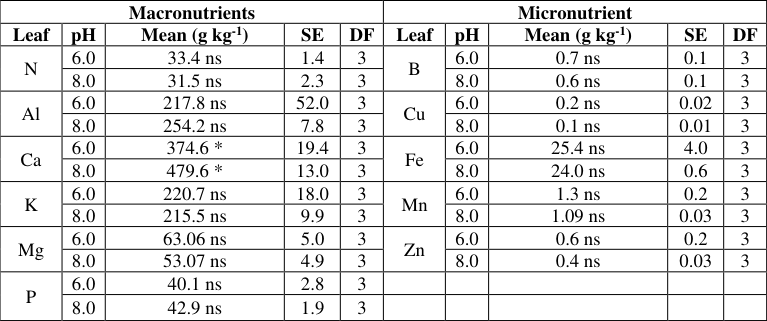 Table 5
Introduction
Common bean (Phaseolus vulgaris) is a major legume crop and important source of protein and calories in many developing countries (FAO 2012). Afghanistan was exported 5502 t of pulses to the world in 2011 (Agriexchange 2013) [1] . Major staple crops and pulses planted area in Afghanistan was 110,043 ha on 2002 (FAO 2003). And pulses yield was estimated 1.3 tha -1 (ICARDA 2002) [15] . Annual growth productivity of major pulses in Afghanistan indicated higher than the average of world, and it was raised 998 to 1073 kg ha -1 during 1991 -1993 to 2005 -2007. Legumes are important secondary crops such as common bean, chick pea, grass pea, mung bean, and garden pea and forage legumes in Afghanistan especially in Nangarhar and Bamyan provinces (FAO 1997) [7] . Bamyan is mountainous and agriculturally least productive areas in the country. Most of the land is barren and inaccessible, with water shortages and poor soil quality characterizing. Most fields are snow-fed irrigated by water from the melting snow following winter, or by springs. In general, there is a single crop season and agricultural productivity is limited by difficult terrain, poor soil quality and harsh climatic conditions including severely cold winters, annual spring flooding and propensity to drought in the summer months (UNDP 2015) [26] . The dominant crops cultivate in Bamyan are wheat, barley, legumes and potato. There is little marketing surrounding these crops. The legumes production has been challenging such as dry condition, short period of rainfall, and poor soil condition. Beside of mentioned difficulties the pulses production estimated more than 62.2 t including 47% of common bean in the province (Hussaini 2012) [10] . There are the shortage of good quality seeds and fertilizers with traditional agricultural methods. Also there are few studies and locally researches for scientific indication of the related problems in Bamyan. The alkaline soil more than pH 8.0 is covered in the Bamyan region, which is caused by high contain of CaCO3 in the soils (Bell 2011). Calcareous soils are extensive and dominate the cropland areas. Soil fertility issues associated with calcareous soils are soluble P by precipitation, poor availability of mineral micronutrients such as Zn, Fe, Mn and Cu and lime is induced B deficiency (Lynch and Clair 2004). However, there is strong decline in the activity of Jack bean in the pH range of 7-10 (Avinash and Gaikwad 2011) [2] . Highly alkaline soils (pH > 8.0) reduce nitrogen fixation and affect nodulation by reducing the colonization of soil and the legumes rhizosphere by rhizobia (Bordeleau and Prevost 1994) [3] . Rough seeded lupine (Lupinus pilosus Murr.) was more tolerant of high pH than the other Lupinus species. Bitter vetch (Vicia ervilia L.) modulated poorly at all levels of solution pH. Addition of bicarbonate decreased shoot growth, nodulation and N concentrations in shoots of most species, early nodulation of Cyprus vetch (Lathyrus ochrus L.) DC was not affected by the bicarbonate treatment (Tang and Thomson 1996). Iron-deficiency chlorosis is a common problem when soybean is grown on calcareous soils in the North-Central region of the USA (Goos and Johnson 2000) [9] . In general, at higher pH (> 6) decrease in uptake of micronutrients might be responsible for decreased yield of crop species tested (Fageria and Baligar 2010) [8] . Iron deficiency chlorosis is a common problem for soybean [Glycine max (L.) Merr.] on calcareous soil may result in yield loss (Lingenfelser 2005). Iron chlorosis represents a major constraint for the majority of legumes, particularly those intended for the production of seeds (Mahmoudi et al., 2005) [19] . The yields of grain legumes are often limited by the lower availability of Fe in the calcareous soils (Karouma et al. 2006). The alkali stress and salt concentration have significant interactive effects on alfalfa seeds germination rate (Gao et al. 2011). Some legumes are relatively tolerant against such condition. Such mechanisms and physiology of common bean to alkali and drought condition might be useful information to variety selection of common bean variety or landraces under alkaline soil condition. This study aimed to realize the responses and growth of common bean under alkaline soil condition. Selection method established under high pH soil condition of common bean varieties.
Materials and Methods Experiment 1: primary growth of common bean under alkaline soil condition
The experiment carried out in a greenhouse at Tokyo University of Agriculture (TUA), Tokyo, Japan, during 20 May -25 July 2012, using fifteen varieties of common bean was (Kentucky wonder, Manzunaru, Jabino, Purpu King Oko (Sakata seed Co. Japan), Haibushi Nansei and Naribushi (Futaba Seed Co. Japan), Hatsu Midori, Kurotane Kingugasa, Kentucky 101, Satsukimidori No. 2, Yellow Baron, Purple hope (Taki Sakata seed Co. Japn), and Sama Sekira (Yukijirushi seed Co. Japn). The most of tested varieties were used Japan origin because of the difficulty of collection and import from Afghanistan by deterioration of security. The primary growth of tested varieties was observed under higher alkaline soil condition with the pH 8.0. The alkaline soil of pH 8.0 (treatment) was adjusted by Ca (OH) 2 chemical using namely kanto loam subsoil with pH 6.4 ± 0.3 (control). The Kanto loam soil is distributed to Tokyo, Kanto region, Japan. The 3 kg alkaline soil (pH 8.0) was filed with pot (30 cm diameter and 21 cm height). The ten pots with each variety were used, and another 10 pots with Kanto loam subsoil in each variety was used for control. The N. P. K fertilizer (8: 8: 8) was applied 7 g per pot according to the 200 kgh -1 at planting. The water was applied appropriately when soil had dried. The three seeds were sown in pots on 27 May, and then one moderate plant for experiment was selected after germination. The experiment was laid out by Complete Randomized Design. Plants were supported by stakes 2 cm in diameter and 1.8 m height and whole plants were harvested on 25 and 50 days after planting (here in after 1 st and 2 nd sampling respectively). The growth measurements were taken as the SPAD value, fresh weight; leaf area, root length and plant height, and then dry weight of leaf, shoot and roots were observed after drying by oven at 80°C by 4 days. The nutrient uptake in the plant of Al, B, Ca, Cu, Fe, K, Mg, Mn, S and Zn was measured as bellow method. The dried leaf stem and root were made with powder and then analyzed using routine analysis method by Inductively Coupled Plasma (ICP) (Shimadzu Co., Japan) and NCH analyzers (Sumigraph NC -22 F, Sumica Chemical Analysis Service Lst.) (Anderson and Ingram 1993). The dry weight of primary growth was showed by relative values (RV) at 1 st and 2 nd sampling. The growth rate of RV (%) was calculated by pH 8.0 (treatment) and control; RV = (treatment / control) x 100; this is an indicator of alkaline tolerance (Chaugool, et al. 2013) [5] . RV of primary growth in tested varieties was classified in three groups with > 100%, > 80 -100% and 80%<; this RV% showed bigger, moderate and feeble growth under alkaline soil condition.
Experiment 2: Grain yield and biomass production of common bean under high pH condition
The experiment was conducted in green house same as experiment 1 at TUA during 1 May to 15 Aug 2013. The grain yield and biomass production under alkaline soil condition was observed at maturity (seed harvesting) growth stage. Four common bean varieties was evaluated to alkaline soil by strong (Jabino), moderate (Kentucky Wonder and Oko) and feeble (Hatsu Midori) plant growth in primary stage selected from experiment 1, were obtained from Japan seed bank. The experiment laid out in RCBD with 3 replications of four varieties in two pH levels. The soil pH adjusted to 8.0 for alkaline soil condition and control as like experiment 1. The 11 kg alkaline soil was filed with pots (30 cm diameter and 35 cm height). The five pots with each variety were used, and another five pots with Kanto loam subsoil in each variety was used for control. The seeds sown, selection of the tested plant and cultivation method had done as like experiment 1, and whole plants were harvested on 15 August. The maturity growth stage was measured in root, stem, leaf and pods, pod yield, number of pod per plant, 100 grain weight and number of seed per plant and dry matter. The dried leaf, stem, and root were made with powder and then analyzed using routine analysis method by ICP and NCH analyzer as like experiment 1 on nutrients uptake by the plants, under alkalinity. The outputted data from ICP and NCH analyzers as ppm, transformed to g kg -1 concentration in dry matters, the absorption of nutrients elements compared the treatments with control. For assessing on biomass production and yield components (such as seed weight, No of Pod and seed) at maturity stage in 105 days after planting (DAP), the data statically compared between 2 pH and 4 varieties using t-test, LSD and Tukey HSD tests by SPSS.
Result and Discussion Experiment 1: primary growth of common bean under alkaline soil condition
The classification of tested varieties based on growth relative values (RV) by dry weight of 1 st and 2 nd sampling was shown in Table 1. At 1 st sampling, the RV > 100% (bigger growth), > 80 -100% (moderate growth) and 80%< (feeble growth) were included 6, 4 and 5 varieties respectively. Bigger growth was Jabino, Purple Hope, Haibushi Nansei, Kentucky wonder, Kurotane Kingugasa and Oko variety. Moderate growth was Puropu King, Sama Sekira, Yellow Baron and Manzunaru variety. Feeble growth was Kentucky 101, Naribushi, Nerina, Satsukimi dori No. 2 and Hatsu Midori variety. The different results compared to 1 st sampling was observed in the 2 nd sampling. The bigger, Moderate and feeble growth were included 4, 7 and 4 varieties at 2 nd sampling, respectively. The bigger RV varieties were thought suitable to alkaline soil condition. The bigger-RV shown in 1 st and 2 nd sampling was Jabino and Haibushi Nansei variety. Those Varieties might be adapting to alkaline soil condition. The RV 80%< showed varieties of Naribushi and Hatsu midori variety was thought weak to alkaline soil condition because of low growth RV. Correlation in RV of dry weight of plant and plant height, root length and leaf area at 1 st sampling is shown in fig. 1. The Plant height, root length and leaf area was shown positive correlation with RV. Correlation in RV of dry weight of plant and plant height, root length and leaf area at the 2 nd sampling is shown in Fig. 2. The positive correlation between RV and growth parameter was shown in leaf area but not in root length and plant height had small correlation. The results suggested that leaf area might be an indicator of variety selection for alkaline soil condition. At the 1 st sampling the nutrients content (mg 100 g -1 ) in the plant organs focused on Ca, K and Mg is shown in table 2 and classified on nutrients uptake relative values (RV) shown as RV > 100% (bigger growth), > 80-100% (moderate growth) and 80% < (feeble growth). On the plant roots the element of Ca concentered as bigger growth, Mg as moderate growth and K as feeble growth. On the plant stem the Mg concentrated as bigger growth, and Ca and K moderate growth. Furthermore, on the plant leaf the elements of Ca and Mg concentrated as bigger growth K as moderate growth (Table 2). Also at the 2 nd sampling on the plant roots the elements of Mg and Ca concentered as bigger growth, and, K as moderate growth. On the plant stem the element of Mg concentrated as bigger growth, Ca and K as moderate growth. Also on the plant leaf the elements.
| Elements ( mg 100 g-1) | — | — | — | — |
|---|---|---|---|---|
| Sampling | RV% (pH 8 / 6 *100) | Root | Stem | Leaf |
| 1 | >100% | Ca (181.82) | Mg (158.70) | Ca (111.29), Mg (164.29) |
| 80-100% | Mg (100.0) | Ca (86.17) K (91.88) | Cu (100.0), K (83.62) | |
| 80% < | K (78.79) | - | - | |
| 2 | >100% | Ca (150.67), Mg (176.04) | Mg (154.69) | K (125.13), Mg (144.62) |
| 80-100% | K (90.48) | Ca (91.30) K (96.73) | Ca (99.64) | |
| 80% < | - | - | - |
Table text extracted from the original PDF; superscript letters are shown inline. The original table image is below.
View original table image
| Sampling | Range of RV | Varieties |
|---|---|---|
| 1st | > 100% | Jabino, Purple Hope, Haibushi Nansei, Kentucky wonder, Kurotane kingugasa, OKo |
| 80 - 100% | Puropu King, Sama Sekira, Yellow Baron, Manzunaru | |
| 80%< | Kentucky 101, Naribushi, Nerina, Satsukimi dori No. 2, Hatsu Midori | |
| 2nd | > 100% | Jabino, Puropu King, Haibushi Nansei, Yellow Baron, |
| 80 - 100% | Kentucky 101, Nerina, Satsukimidori No. 2, Oko, Purple Hope Manzunaru, Kuretane kingugasa | |
| 80%< | Kentucky wonder, Naribushi, Hatsu midori, Sama Sekira |
Table text extracted from the original PDF; superscript letters are shown inline. The original table image is below.
View original table image
Experiment 2: Grain yield and biomass production of common bean under high pH condition
The result of this experiment on comparison of biomass production and yield components between 4 varieties the LSD and Tukey tests, displayed the significantly different on total dry matter, number of seed per pod (SPPD) and 100 seed weight (HSW) of the plants. Kentucky wonder and Jabino produced the highest dry matter of 15.45 g p -1 and 13.47 g p -1 respectively in alkaline treatment, which is significantly different from other varieties. In addition, Jabino made highest 100 seed weight (29.6 gr) significantly different from other varieties, afterward the Oko produced (21.8 gr) of 100 seed weight. It means that Jabino resisted with alkaline soil condition than other varieties (Table 3 A, B). Seeing on elements uptake on the plants parts at maturity stage assessed as procedure of 1 st experiment. Considering on nutrients uptake by the plants seeds, treatments compared with control, shown significantly difference on concentration of Fe, K, and P (Table 4). Using t test the means of treatments matched with control, exposed significant difference just on concentration of Ca, but other elements not differed meaningfully (Table 5). Entirely at this study different response of 15 common bean varieties to alkali stress observed. Uptake of micronutrients significantly decreased at primary growth stages and relatively at maturity stage of the plants. Similar reported by Algeria (1998), availability of Fe, Zn, Mn, Cu, B and P were poor at early growth stage. As reported USDA (1998) [27] at maturity stage Mn, Cu, Zn and B were inadequate on the leaf. Same as report of Hopkins (2005) [14] availability of P was poor in primary growth stages, but differed at maturity stage in this study. Such as report of Slatni (2007); Zaiter (1992) [29] , in this study too Fe deficiency varied among verities, likewise seed yield variances amongst bean varieties under pH 8.0. Also some varieties were sensitive to alkali stress at pH 8.0, Similar with report of Goenaga (2013) [12] . The more significant finding from this study was variation on dry matter production and uptake of micronutrients in primary growth stage. Alkaline stress of common bean varied between different growth stages. This study implied that tolerance of common bean at different growth stages varied between varieties as well. Different response of varieties at different growth stages indicated that screening at one stage does not guarantee the selection of a variety tolerant to all stages. Also the result of this study displayed that pH 8.0 affected the elements uptake, 100 seed weight and dry matter production of common bean and suggested that selection of tolerant variety on alkaline soil condition, most of varieties possible to evaluate at primary growth stage. Between the varieties Jabino could be identified the pH 8.0 resistance variety in this study. It might be use as a chick variety in similar alkaline studies. Since this study conducted under climate of Tokyo in the green house, so further research recommended under the natural alkaline soil condition in the field.
| Macronutrients | — | — | — | — | Micronutrient | — | — | — | — |
|---|---|---|---|---|---|---|---|---|---|
| Leaf | pH | Mean (g kg-1) | SE | DF | Leaf | pH | Mean (g kg-1) | SE | DF |
| N | 6.0 | 33.4 ns | 1.4 | 3 | B | 6.0 | 0.7 ns | 0.1 | 3 |
| 8.0 | 31.5 ns | 2.3 | 3 | 8.0 | 0.6 ns | 0.1 | 3 | ||
| Al | 6.0 | 217.8 ns | 52.0 | 3 | Cu | 6.0 | 0.2 ns | 0.02 | 3 |
| 8.0 | 254.2 ns | 7.8 | 3 | 8.0 | 0.1 ns | 0.01 | 3 | ||
| Ca | 6.0 | 374.6 * | 19.4 | 3 | Fe | 6.0 | 25.4 ns | 4.0 | 3 |
| 8.0 | 479.6 * | 13.0 | 3 | 8.0 | 24.0 ns | 0.6 | 3 | ||
| K | 6.0 | 220.7 ns | 18.0 | 3 | Mn | 6.0 | 1.3 ns | 0.2 | 3 |
| 8.0 | 215.5 ns | 9.9 | 3 | 8.0 | 1.09 ns | 0.03 | 3 | ||
| Mg | 6.0 | 63.06 ns | 5.0 | 3 | Zn | 6.0 | 0.6 ns | 0.2 | 3 |
| 8.0 | 53.07 ns | 4.9 | 3 | 8.0 | 0.4 ns | 0.03 | 3 | ||
| P | 6.0 | 40.1 ns | 2.8 | 3 | |||||
| 8.0 | 42.9 ns | 1.9 | 3 |
Table text extracted from the original PDF; superscript letters are shown inline. The original table image is below.
View original table image
| Macronutrients | — | — | — | — | Micronutrient | — | — | — | — |
|---|---|---|---|---|---|---|---|---|---|
| Seed | PH | Mean (g kg-1) | SE | DF | Seed | PH | Mean (g kg-1) | SE | DF |
| N | 6.0 | 46.2 ns | 0.90 | 3 | B | 6.0 | 0.002 ns | 0.01 | 3 |
| 8.0 | 45.6 ns | 2.31 | 3 | 8.0 | 0.004 ns | 0.02 | 3 | ||
| Al | 6.0 | 1.04 ns | 0.2 | 3 | Cu | 6.0 | 0.05 ns | 0.01 | 3 |
| 8.0 | 1.2 ns | 0.2 | 3 | 8.0 | 0.07 ns | 0.01 | 3 | ||
| Ca | 6.0 | 11.5 ns | 2.2 | 3 | Fe | 6.0 | 0.5 * | 0.1 | 3 |
| 8.0 | 12.8 ns | 2.9 | 3 | 8.0 | 0.8 * | 0.1 | 3 | ||
| K | 6.0 | 107.9 * | 1.6 | 3 | Mn | 6.0 | 0.1 ns | 0.02 | 3 |
| 8.0 | 125.5 * | 3.8 | 3 | 8.0 | 0.08 ns | 0.01 | 3 | ||
| Mg | 6.0 | 11.5 ns | 0.9 | 3 | Zn | 6.0 | 0.2 ns | 0.02 | 3 |
| 8.0 | 11.9 ns | 1.2 | 3 | 8.0 | 0.2 ns | 0.03 | 3 | ||
| P | 6.0 | 67.5 * | 1.5 | 3 | |||||
| 8.0 | 85.6 * | 3.9 | 3 |
Table text extracted from the original PDF; superscript letters are shown inline. The original table image is below.
View original table image
| A | Control (pH 6.0) | — | — | — | — | Treatment (pH 8.0) | — | — | — | — |
|---|---|---|---|---|---|---|---|---|---|---|
| Variety | Leaf | Stem | Root | Whole | Yield(g p-1) | Leaf | Stem | Root | Whole | Yield (g p-1) |
| KW | 9.01 | 8.66 | 5.97 | 23.64 | 6.09 | 5.41a | 4.83a | 5.18a | 15.45a | 1.05a |
| Ja | 5.91 | 11.36 | 6.65 | 23.93 | 3.16 | 4.03ab | 5.01ab | 4.43ab | 13.47ab | 1.76ab |
| Ok | 5.69 | 5.06 | 4.23 | 14.98 | 4.66 | 2.27bc | 1.71cd | 1.89cd | 5.87cd | 2.76abd |
| HM | 2.56 | 2.49 | 1.29 | 6.35 | 2.33 | 1.30cd | 1.29d | 0.79d | 3.38d | 1.90abcd |
Table text extracted from the original PDF; superscript letters are shown inline. The original table image is below.
View original table image
References
28 in the original paper- Agriexchange [online] http://agriexchange.apeda.gov.in/ (browsed Nov 28 2013) 2013.
- Avinash K, Gaikwad SM. Jack bean-mannosidase (Jb - man) tolerance to alkali, chelating and reducing agents and energetics of catalysis and inhibition. J Biol Macromolecules 2011;49:1066-1071.
- Bordeleau LM, Prevost D. Nodulation and nitrogen fixation in extreme environment. Plant and soil 1994;161:115-125.
- Chand R. SAARC Agricultural vision 2020;23:197-208. National center for agricultural economics and policy research, New Delhi 2010.
- Chaugool J, Naito H, Kasuga SH, Ehara H. Comparison of Young Seedling Growth and Sodium Disribuion among Sorghum Plants under Salt Stress. Plant prod. Sci 2013;16(3):261-270.
- FAO. A special report FAO / WFP, Crop and food supply assessment mission to Afghanistan 1997. http://www.fao.org/docrep/004/w6059e/w6059e00.HTM
- Fageria NK, Baligar VC. Growth and nutrient concentration of common bean, lowland rice, corn, soybean and wheat at different soil pH on an inceptisol. J plnt. Nutrn 2010;22:1495-1507.
- Goos RJ, Johnson BE. A Comparison of three methods for reducing iron -deficiency chlorosis in soybean. Agronomy Journal 2000;92:1135-1139
- Hussaini SMB. Effect of high pH soil condition on the growth of common bean. Thesis for M. Sc. in crop science. Tokyo university of Agriculture. Tokyo. Japan 2014.
- Fageria NK, Zimmermann FJP. Influence of pH on growth and nutrient uptake by crop species in an oxisol. Commun. Soil Sci. Plant Anal. 29: 2675 -2682. 179, 74001-970 Goiânia, GO, Brazil 1998.
- Goenaga RT Ayala, Quiles A. Yield Performance of Cowpea Plant Introductions Grown in Calcareous Soils. Hort. Technology 2013;23:247-251.
- Ghanbari AA, Shakiba MR, Toorchi M, Choukan R. Morpho-physiological responses of common bean leaf to water deficit stress. Department of Plant Eco-physiology, Faculty of Agriculture, University of Tabriz, Tabriz, Iran 2013;3:487-492.
- Hopkins B, Jason E. Phosphorus availability with alkaline/ Calcareous Soil. 6: 88-99. Western Nutrient Management Conference. Salt Lake City, UT. University of Idaho 2005.
- ICARDA. Seed assessment on soil and water in Afghanistan 2002. http://www.icarda.org/afghanistan/PDF/NA_SoilWater.pdf.
- Krouma AM, Slatni T, Abdelly C. Importance of iron use efficiency of nodule in common bean for iron deficiency cholorosis. Laboratory of Plant Adaptation to Abiotic Stress, Centre of Biotechnology, Borj Cedria Ecopark, BP 901, Hammam Lif 2050, Tunisia 2008;166:525-528.
- Krouma AM, Drevon JJ, Abdelly C. Genotypic variation of N2 -fixing common bean in response to iron deficiency. J. Plant Physiol 2006;163:1094-1100. www.elsevier.de/jplph.
- Lingenfelser JE, Jr. Schapaugh WT, Schmidt JP. Comparison of genotype and cultural practices to control iron deficiency, chlorosis in soybean. Communications in Soil science and plant analysis 2005;36:1047-1062. Taylor & Francis, Inc. ISSN 0010-3624.
- Mahmoudi H, Riadh K, Gharsallia M, Mokhtar L. Differences in responses to iron deficiency between two legumes: lentil (Lens culinaris) and chickpea (Cicer arietinum). Journal of Plant Physiology. Technique (INRST), BP-95, 2050 Hammam-Lif, Tunisia 2005;162:1237-1245.
- Rosales MA, Cuellar-Ortiz SM, de la Paz Arrieta-Montiel M, Acosta-Gallegos J, Covarrubias AA. Physiological traits related to terminal drought resistance in common bean Phaseolus vulgaris L. Journal of the Science of Food and Agriculture 2012;93:324-331.
- Rosales MA, Ocampo E, Rocío RV, Yadira OC, Acosta GJ, Covarrubias AA. Physiological analysis of common bean. cultivars uncovers characteristics related to terminal drought resistance 2012. DOI: 10. 1016.
- Rosales MA, Sonia MCO, Marıa DLPAM, Jorge AG, Covarrubiasa AlA. Physiological traits related to terminal drought resistance in common bean (Phaseolus vulgaris L.) 2012. www.wileyonlinelbrary.com DOI: 10.1002 5761. Society of Chemical Industry
- Sponchiado BNJW, White JA Castillo , Jones PG. Root growth of four common bean cultivars in relation to drought tolerance in environments with contrasting soil types. Centro International de Agricultura Tropical (CIAT), AA 6713, Cali, Colombia 1988;25:249-257.
- Slatni T, Krouma AM, Samir A, Chiraz C, Houda G, Chedly A. Growth, nitrogen fixation and ammonium assimilation in common bean. subjected to iron deficiency. Springer Science 2007;312:49-57.
- Tang, Thomson. Effects of solution pH and bicarbonate on the growth and nodulation of a range of grain legume species. Thomson Cooperative Research Centre for Legumes in Mediterranean Agriculture. The University of Western Australia, Nedlands, W. A. 6907, Australia 1996;186:321-330.
- UNDP. Regional Rural Economic Regeneration Strategies (RRERS) 2015. http://www.undp.org.af/publications/RRERS/Bamyan%20P rovincial%20Profile.pdf (Browsed 27 April 2015).
- USDA. Natural resources conservation. National soil survey center in cooperation with the soil quality institute, NRCS, USDA, and the National Soil. Tilth laboratory, Agricultural research service, USDA 1998. http://urbanext.illinois.edu/soil/sq_info/ph.pdf
- Vallijo, Porfirio Ramirez, James D Kelly. Traits related to drought resistance in common bean. Centaro de genitica, colegu de postgradudos. Montecillo, Mexico 56230. Department of crop and science, Michigan state University, E. lansing M1. 48824. USA 1998;99:127-136.
- Zaiter HZ, Coyne DP. Leaf chlorosis and seed yield of dry beans grown on high-pH calcareous soil following foliar iron sprays. Hort. sci. Department of horticulture, University of Nebraska, Lincoln, NE 68583-0724 R. B 1992;27:983-985.
Cited by 1
From OpenAlex, OpenCitations and reference lists read by Scinovex
- Effect of Organic and Inorganic Fertilizers on Yield and Yield Components of Common Bean (Phaseolus vulgaris L.) in Badakhshan, Afghanistan ↗
Abdul Shahir Qadiri, Abdul Mahbob Mutawakel, Maqsoodullah Saeedi · Journal for Research in Applied Sciences and Biotechnology · 2023
For a high and usable yield of common bean, key challenges include the high expense of inorganic fertilizers and their excessive usage. Concurrently, integrated crop management methods are worldwide needs for agriculture and the environment. Because of this, the present study was carried out at the Research Farm of the Agriculture faculty at Badakhshan University in Afghanistan in order to…
❝ 2PDF