
Research article · 2021 · Full text
International Journal of Veterinary Sciences and Animal HusbandrySeroprevalence of toxoplasmosis among one-hampered camels (Camelus dromedarius) in AL Butana plain, Sudan
Volume 6(2) · Pages 04–08 · DOI: 10.22271/veterinary.2021.v6.i2a.327 ↗
Research areasAnimal Diversity and Health StudiesToxoplasma gondii Research Studies
Abstract
Author-writtenSudan is the second largest camel populated country in the world. Samples were collected at Great Butana (part of five states) from four sites: two camel markets: Tamboul and Wadnimir (Gezira state) and two Small-scale livestock production (semi-intensive management): Showak (Gadarif state), Girba (Kasala state). Six hundred camels of different breed, gender and age were examined during the three seasons to determine the prevalence of toxoplasmosis. Hematological method by latex agglutination test was used to examine the venous blood samples. The overall prevalence [180 infected animals (30%)] was higher in the two camels' market additionally, high prevalence was reported in old animals group. Seasonality has no significant variation however, higher prevalence incidence was in autumn. Gender's effect reported high prevalence in females than males. It could be concluded that such results can aid in updating such disease epidemiology. However, further studies are required for better and continual evaluation of such disease occurrence and management.
Summary
Source-checkedPlain-language reading of the full paper, prepared with AI and checked against the text. Each point links to the authors' own words.
Why it matters
- Sudan has one of the world's largest camel populations, with over 3.3 million animals owned by pastoralists. View evidence ↗
- Toxoplasmosis is a parasitic disease in camels that is significant for both economic reasons and public health. View evidence ↗
- Humans in rural areas can contract toxoplasmosis by consuming raw camel milk or undercooked meat, or through placental transmission. View evidence ↗
The question
- The study aimed to determine the current prevalence of Toxoplasma gondii in the blood of camels within the Great Butana region of Sudan. View evidence ↗
What they did
- Researchers conducted a cross-sectional survey of 600 camels across four locations: Elgirba, Tamboul, Elshowak, and Wadnimir. View evidence ↗
- The presence of Toxoplasma antibodies in the camels' sera was detected using the Latex Agglutination Test (LATEX). View evidence ↗
- Chi-square tests were used to analyze the association between positive test results and various risk factors. View evidence ↗
What they found
- The overall seroprevalence of toxoplasmosis among the 600 examined camels was 30%, with 180 animals testing positive. View evidence ↗
- There was no significant difference in prevalence between locations, though Tamboul had the highest rate at 31.3%. View evidence ↗
- Gender did not significantly affect infection rates, although females showed a higher prevalence than males. View evidence ↗
- Age was a significant factor, with camels older than 10 years showing a significantly higher infection rate compared to younger groups. View evidence ↗
- Seasonality did not have a significant effect, but the highest incidence was observed in autumn at 34.5%. View evidence ↗
What it means
- The authors conclude that these findings help update the epidemiological understanding of toxoplasmosis in the region. View evidence ↗
- The authors suggest that future research should utilize more accurate, sensitive, and rapid diagnostic methods. View evidence ↗
Visual summary
1 visualsIllustrations explain the paper; they do not show study data.
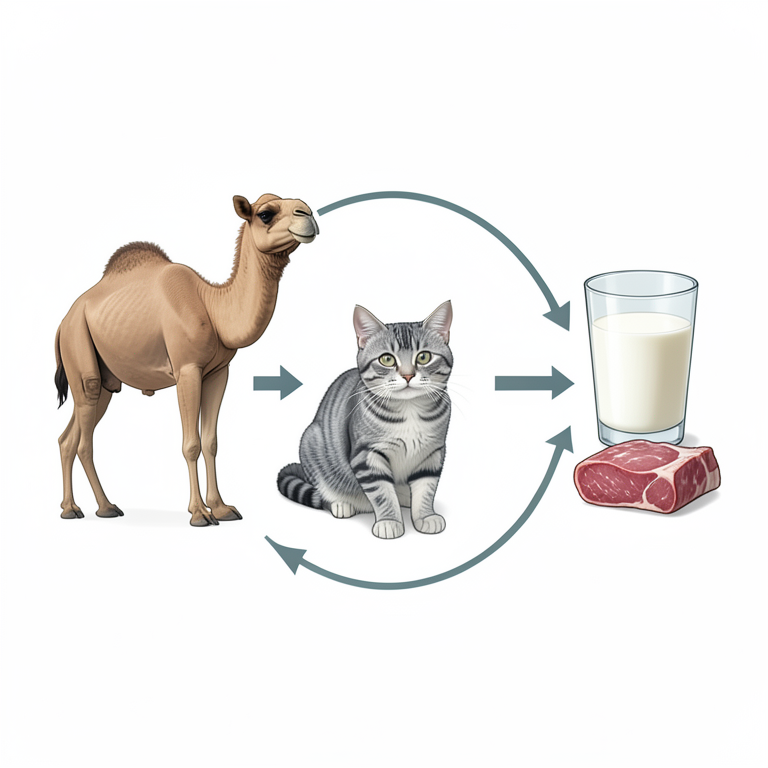
Transmission Cycle
AI-generated conceptual illustration (Dromedary camels (Camelus dromedarius) and domestic cats). It explains the idea and does not show study data.
View source evidence ↗Figures & tables
From the original paper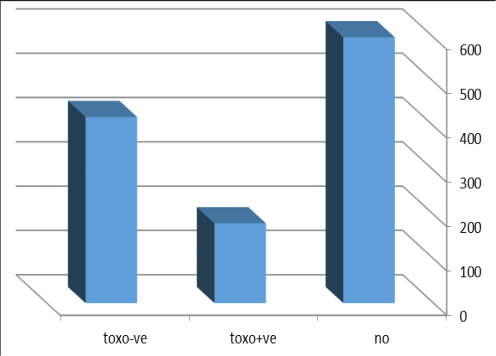 Figure 1
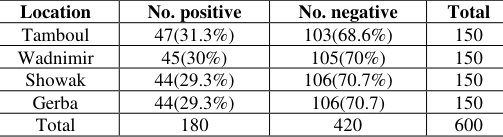 Table 1
 Table 2
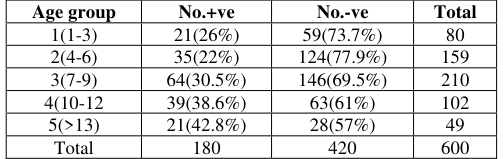 Table 3
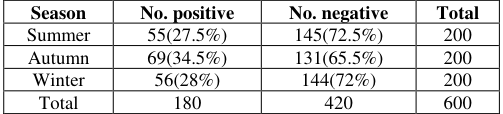 Table 4
Introduction
Sudan is the second largest camel populated country in the world with a camel population over 3.3 million camels owned by pastoralists (FAO, 2015) [15] . In Sudan, Camels belt extends between latitudes 12-16 N (Eisa and Mustafa, 2011) [9] . Beside camel's products (e.g. milk and meat), camels play a central role in the livelihood of pastoralists by determining the owners' wealth and social status (FAO, 2002) [12] . However, camels suffer from various common parasitic diseases that have public health and economic importance including toxoplasmosis (Parsani et al., 2008; Tabassam et al., 2019; Alireza et al., 2019) [25,31,3] . Toxoplasmosis is a widespread zoonotic parasitic disease worldwide (Zemene et al., (2012) [36] ; Gebremedhin et al., (2013) [14] ; Walle et al., (2013) [34] ; Utuk et al., 2012 [33] ; Dehkordi et al., 2013) [7] . Infected animals may exhibit calcification of the heart, obscured vision, and difficulty in walking in addition to its implication in increasing the susceptibility of the intermediate hosts to predation. Furthermore, its ability to maintain a benign coexistence with its host, high infection rate with its worldwide distribution and hence, causes considerable economic losses to animals' industry. Therefore, all such features allowed it to be widely regarded as one of the most successful parasites on earth (Tonouhewa et al., 2017 and references therein) [32] . Moreover, camels could acquire T. gondii infection through ingestion or inhalation of sporulated oocysts shed by cats or wild felids. However, humans, particularly in pastoral and rural communities, could become infected via drinking raw, unpasteurized milk (Dehkordi et al., 2013) [7] , ingesting raw or undercooked meat (Hilali et al., 1995; Muksin et al., 2011) [16,23] and by passage of tachyzoites through the placenta to the fetus (Petersen, 2007) [26] . With regard to the Clinical manifestations in infected humans with the organism, they varied from congenital infection and abortion to fetal encephalitis and eye disease (Kula J. and J. Adem, 2016) [21] .
Several reports revealed worldwide spread prevalence of toxoplasmosis among camels in as in Africa: in Ethiopia (Muksin et al., 2011) [23] , in Egypt (Elsheikha et al., 2009) [11] ; in Asia, such as, in Saudi Arabia (Al-Anazi, 2012) [2] , in China (Wang et al., 2012) [35] ; in Europe such as in Italy (Villari et al., 2009); in South America as in Brazil (Ragoz et al., 2009) [27] and in United States of America (Dubey and Jones, 2008) [8] ; overall, the seroprevalence of human toxoplasmosis in Nigeria is estimated at 32% (Ohiolei and Isaac, 2016) [24] . In Sudan, few reports were revealed from literature survey indicated the Seroprevalence of Toxoplasma gondii in farm animals such as camels, cattle, and sheep (Abbas et al., 1987; Bronstein and Musa, 1987; Khalil and Elrayah, 2011) [1,4,20] . At Butana area, it was demonstrated that the presence of developmental stages of Toxoplasma gondii in camel meat and isolated Toxoplasma oocysts from kittens fed cameline meat (Elamin et al. (1992;) [10] Ishag (2006) [17] ; Medani and Mohamed, 2016) [22] . Such reported Toxoplasma prevalence among Sudanese camels deserves high concern into its public health impact especially among nomads who consume raw cameline milk and liver and into its economic impact. Because of camels' social, ecological and economic importance in Sudan, the present study however, attempted to diagnose T. gondii in naturally infected camels in Great Butana (three states), Sudan as step towards better public health management.
Materials and Methods
Materials and Methods
Study area
The current study was conducted in Al-Butana plain, a semiarid clay region covers most of Kassala, Gadaref and parts of Gezira, Khartoum and River Nile States in Sudan. It lies between Latitude 13 40' and 17 50' North and Longitude 32 40' and 36 00' East. The region is bound by the Main River Nile on its northwestern border, the Blue Nile on its southwestern edge, the Atbara River in the northeast and by the railway connecting Kassala and Sennar on the south. The area is composed of mountainous ranges intersecting the plain to the western and southern borders. It is crossed by many seasonal rivers namely, Atbara, Seitite, BaSalam, Gash and Rahad Rivers. Small temporary seasonal valleys do run through these plains during the rainy season. The rainfall in Butana region is highly variable from one year to the other. It ranges between 600 mm/year in the southeast to less than 100mm/year in the northwest. As always in the semiarid regions, rainfall is the most important climatic factor in Butana because people and their livestock depend on this factor which supports the growth of the vegetation for their animals. The annual mean temperature ranges from 32 °C during the day to 16 °C at night in January (winter) and from 46 °C during the day to 27 °C at night in the rest of the year. Two vegetation zones are existing in the area, namely semidesert Acacia shrub and short grasslands of the North Central Sudan and secondly, the low woodland savannah of Central Sudan. The vegetation of Butana is constantly changing as a result of annual rainfall, accidental fire outbreaks and expansion of agriculture and grazing (Saint-Martin et al., 1992).
Camel population
Camel population in Sudan was estimated to be 4.623 million heads (Ministry of Animal Resources and Fisheries 2011). In Butana plain, pastoralists depend solely on Camels breeding, an activity that, contribute significantly their livelihood. Pastoralists and agro-pastoralists living in this fragile environments of the deserts breed different ecotypes of camels. Three camel management systems were identified for breeding of one humped camel in this region namely, Traditional nomadic system (Shuiep et al 2008) [30] ; Transhumance or semi-nomadic system (Eisa and Mustafa 2011) [9] and Sedentary or semi-sedentary system (Shuiep and El Zubeir, 2012) [29] .
Study design and sample collection
The study adopted a cross-sectional herd base survey, in which 600 animals were examined from four locations namely Elgirba, Tamboul, Elshowak and Wadnimir. Blood samples taken from each animal, understory conditions after camels restrain, by jugular venipuncture into a plain vacationer (Becton -Dickinson, France). The blood samples were left to clot at 37 o C and sera were decanted into plastic tubes. Separated sera were stored at -20 o C until used. Structure and test questionnaire were used to collect data from examined animals. Variables such as camels' breed and age and location, physiological status, and husbandry system were recorded for each animal. Seropositivity of test camels for Toxoplasma infection was assessed using Latex Agglutination Test (LATEX). According to manufacture instruction, serum samples and Toxoplasma antigen (Spin react, S.A. /S.A.U., Ctra. Santa Coloma, Spain) were kept one hour at room temperature before beginning of the test. A total of 50 μl of each serum to be tested was placed on a LAT plate. Then, the vial of antigen was shacked gently and 25 μl of antigen was added. The antigens and the serum were mixed on the plate with a stirrer and spread over the entire circle. The plate then, was rotated manually for 4 minutes and the reading was taken immediately. Any agglutination was considered as positive, whereas no reaction (negative) was indicated as the absence of Toxoplasma antibody in the sera.
Statistical analysis
The study variables were pre-coded for entry into Excel and then exported to the Statistical Package for the Social Sciences software (SPSS version 20) for analysis. Descriptive analyzes is an initial step used to describe the data sets in terms of frequency and proportion for the categorical variables of the study using SPSS analysis package. Considering its relevance to this study the analytical statistical tool, chi-square test was applied. The chi-squared test has applied to screen for an association between antibody seropositive results and the several risk factors included in the study.
Results and Discussion
Nevertheless Sudan is the second in camel production worldwide however, little is known about camels' productivity and health problems despite such social, ecological and economic importance. The goal of this study is to evaluate the recent prevalence of T. gondii in camel's blood in Great Butana, Sudan. Out of 600 camels sera collected from 4 locations (Tamboul, Wadnimir, Showak and Girba) and tested by toxo_latex agglutination for Toxoplasma antibodies, 180 were positive giving an overall prevalence of 30%. (Fig. 1). the infection rate recorded for different locations is depicted in Table (1). No significant difference (p>0.05) was observed for locations, the prevalence of toxoplasma antibodies was 31.3% in Tamboul, followed by Wadnimir (30%), Showak (29%) and Girba (29%). Table (2) through (4) illustrated, the seroprevalence of seropositive for Toxoplasma according to variable concerning study animals, namely sex, age, and season. Chi-square was done to assess between seropositive Toxoplasma and the factors. Results showed that gender has no significant effect on Toxoplasma gondii infection. Higher infestation was reported in female than male (Value=0.525). (p>0.05). To assess the effect of age on Toxoplasma gondii infection, examined camels were categorized into five age groups: 1-3 years; 4-6 years; 7-9 years; 10-12 years and >13 years old. The results (Table 3) show that the older animals (>10 years) recorded significant higher infection rate (p<0.01) when compared to other groups. As shown from Table (4), seasonality has no significant effect (p>0.05) on Toxoplasma gondii infection among examined camels. Higher incidence rate was reported in autumn 69(34.5%) followed by winter 56(28. %) and then summer 55(27.5%). In Butana, as always in the semiarid regions, rainfall is the most important climatic factor that enhances the growth of the vegetation for the livestock. Thirty percent seropositive camels might indicate naturally T. gondii infection circulating in Butana. Such infection could be recently acquired or recuperated from previously T. gondii infection. In the same region, seroprevalence has been reported in camels, sheep and goats (Elamin et al., 1992: Khalil and Elrayah, 2011) [10,20] . Therefore, variations in such prevalence could be due to several factors such as the samples size, differences in sensitivity of the diagnostic methods, differences in the density of cats and wild felids and in climatic conditions beside the differences in studies' dates. Notwithstanding, the prevalence of T. gondii infection in the present results assumed that such animals can easily be contaminated with tachyzoites of T. gondii. However, camel species can also shed tachyzoites from their milks. Therefore, such findings are important in terms of public health. For instance, in such rural areas of Sudan, consumption of camel raw milk and uncooked camel's liver is common. Additionally, the higher prevalence of T. gondii in autumn (rainy season and more vegetation) could mean that the levels of contaminated milk consumption could be higher compared with summer and winter for instance. Furthermore, T. gondii transmission by blood-sucking arthropods, such as ticks should not be excluded. Ten tick species were collected from such camels (data in process for publication). It seems, however, as the could-be ticks role in transmission of the disease to their hosts influences by the higher temperature and relative humidity that provide appropriate conditions for the higher prevalence of T. gondii. Therefore, it would be worth recommending that it is essential performing detailed inspection for the presence and ways of infection of Toxoplasma in such region. Moreover, camel is not one of the primary hosts of T. gondii, however, the high prevalence of this parasite in camel species could be due to the close contact of these animals with infected primary hosts such as cats (Zhu et al., 2012). In fact, in such area, camels are found on pastures associated with other animals such as sheep, goats, cats and dogs. High seroprevalences were observed in wild animals and small ruminants in many areas of the world (Dubey and Jones 2008; Tonouhewa et al., 2017) [8,32] . Therefore, the influence on acquiring toxoplasmosis in such camels could increase due to the contamination of the field with oocysts from such domestic and stray animals. Studies stated that camels themselves can shed T. gondii into their milk and can be easily transferred to humans. Therefore, drinking raw milk and eating undercooked meat could be risk factors that had strongest influence in pressure of infection with T. gondii (Cook et [17,13,31,3] . Bearing in mind that Butana is semi-arid region, the high prevalence scored in the present study was expected. That is because, shortage of raining this year favors camel migration in search of feed and browsing feeding habit. Therefore, the availability of such high viable T. gondii cysts in camels meat ready for human consumption could augment the potential of toxoplasmosis transmission to humans via consumption of raw milk and/or undercooked camel meat such as camel's liver that commonly consumed uncooked by pastoralists in Butana. Apparently, in such epidemiological study, it would be valuable should the risk factors for acquiring and transmission of T. gondii being more concerned of (Zhu et al., 2019). For instance, results showed that sex, herd size and production system had no significant association with T. gondii seropositivity of the camels while location, age, history of abortion, presence of domestic cats and presence of wild felids were found to be significantly associated with T. gondii infection hence, independent predictors of T. gondii seropositivity (Gebremedhin et al., 2014) [15] . Additionally, isolation of such parasites from camels' tissues and the limited knowledge of camel's owners about toxoplasmosis could suggest the need for prevention measures and pastoralists education. Toxoplasmosis, a global zoonotic disease, can infect humans and wide range of hosts. It therefore, causes severe public health problems and has great veterinary and economic importance worldwide. Ismail et al., (2016) proved the possibility of developing an improving preventive and treatment program to reduce the overall severity of such disease. Furthermore, to unravel the impact of camel toxoplasmosis deserves further investigation. It is therefore, reasonable to consider risk factors for occurrence of T. gondii and should have priority in future investigations. Generally, as future work, it would be pleasant should such investigation performed with more accurate, specific, sensitive, inexpensive, rapid and safe diagnostic methods and consider better management measures. Risks of such diseases especially among labors, family members' and consumers of raw and undercooked meat in addition to managing such risks of disease transmission should be evaluated precisely to mitigate such risks.
Figures and tables from the paper
| Location | No. positive | No. negative | Total |
|---|---|---|---|
| Tamboul | 47(31.3%) | 103(68.6%) | 150 |
| Wadnimir | 45(30%) | 105(70%) | 150 |
| Showak | 44(29.3%) | 106(70.7%) | 150 |
| Gerba | 44(29.3%) | 106(70.7) | 150 |
| Total | 180 | 420 | 600 |
Table text extracted from the original PDF; superscript letters are shown inline. The original table image is below.
View original table image
| Sex | No.+ve | No.-ve | Total |
|---|---|---|---|
| Male | 30(27.5%) | 79 (72.4%) | 109 |
| Female | 150(30.5%) | 341(69.4%) | 491 |
| Total | 180 | 420 | 600 |
Table text extracted from the original PDF; superscript letters are shown inline. The original table image is below.
View original table image
| Season | No. positive | No. negative | Total |
|---|---|---|---|
| Summer | 55(27.5%) | 145(72.5%) | 200 |
| Autumn | 69(34.5%) | 131(65.5%) | 200 |
| Winter | 56(28%) | 144(72%) | 200 |
| Total | 180 | 420 | 600 |
Table text extracted from the original PDF; superscript letters are shown inline. The original table image is below.
View original table image
References
37 in the original paper- Abbas B, ELE Zubair, Yassin T. Survey for certain zoonotic diseases in camels in Sudan. Rev. E'lev. Med. Vet. Pays Trop 1987;40:31-33.
- Al-Anazi AD. Antibodies in sera from camels in western and southern region of central province, Saudi Arabia. J Egypt Soc Parasitol 2012;42:659-664
- Alireza Sazmand, Anja Joachim, Domenico Otranto. Zoonotic parasites of dromedary camels: so important, so ignored. Parasites Vectors 2019;12:610 https://doi.org/10.1186/s13071-019-3863-3
- Bronstein S, Musa BE. Prevalence of antibodies to some Viral pathogens, Brucella abortus, and Toxoplasma gondii in Serum from camels (Camelus dromedaries) in Sudan. J Vet. Med 1987;34:364-370.
- Boyer KM, Holfels E, Roizen N, Swisher C, Mack D, Remington J et al. Risk factors for Toxoplasma gondii infection in mothers of infants with congenital toxoplasmosis: Implications for prenatal management and screening. Am. J Obstet. Gynecol 2005;192:564-571.
- Cook AJC, Gilbert RE, Buffolano W, Zufferey J, Petersen E, Jenum PA et al. Sources of Toxoplasma infection in pregnant women: European multicentre casecontrol study. Br. Med. J 2000;321:142-147.
- Dehkordi FS, Rahimi E, Abdizadeh R. Detection of Toxoplasma gondii in Raw Caprine, Ovine, Buffalo, Bovine, and Camel Milk Using Cell Cultivation, Cat Bioassay, Capture ELISA, and PCR Methods in Iran. Foodborne Pathogens and Diseases 2013;10(2):120-125. DOI: 10.1089/fpd.2012.1311
- Dubey JP, Jones JL. Toxoplasma gondii infection in humans and animals in the United States. Int. J Parasitol 2008;38(11):1257-1278.
- Eisa MO, Mustafa AB. Production systems and dairy production of Sudan camel (Camelus dromedarius): A review. Middle-East Journal of Scientific Research 2011;7:132-135.
- Elamin EA, Elias S, Daugschies A, Rommel M. Prevalence of Toxoplasma gondii antibodies in pastoral camels (Camelus dromedarius) in the Butana plains, mideastern Sudan. Vet Parasitol 1992;43:171-175. 10.1016/0304-4017(92)90158-6.
- Elsheikha MH, Azab SM, Abousamra KN, Rahbar HM, Elghannam MD, Raafat D. Seroprevalence of and risk factors for Toxoplasma gondii antibodies among asymptomatic blood donors in Egypt. J Parasitol 2009;104:1471-1476. 10.1007/s00436-009-1350-z.
- FAO. Production Yearbook, Rome: Food and Agriculture Organization of the United Nations 2002, 56.
- FAO-OMS. Joint FAO/WHO food standards program codex committee on food hygiene. Forty-seventh session Boston, Massachusetts, United States of America 2015.
- Gebremedhin EZ, Abebe AH, Tessema TS, Tullu KD, Medhin G, Vitale M et al. Seroepidemiology of Toxoplasma gondii infection in women of child-bearing age in central Ethiopia. BMC Infect Dis 2013;13:101110. 10.1186/1471-2334-13-101.
- Gebremedhin EZ, Abdurahaman M, Hadush T, Tessema TS. Seroprevalence and risk factors of Toxoplasma gondii infection in sheep and goats slaughtered for human consumption in Central Ethiopia. BMC Res. Notes 2014;7:696.
- Hilali M, Fatani A, Al-Atiya S. Isolation of tissue cysts of Toxoplasma, Isospora, Hammondia and Sarcocystis (Camelus dromedarius) from camel meat in Saudi Arabia. Vet Parasitol 1995;58:353-356. 10.1016/03044017(94)00727-T.
- Ishag MY, Magzoub E, Majid M. Detection of Toxoplasma gondii tachyzoites in the milk of experimentally infected lactating She-Camels. J Anim Vet Adv 2006;5:456-458.
- Ishag YI, Maijid AM. Association of diarrhea with congenital toxoplasmosis in calf-camel (Camelus dromedarius). Int J Trop Med 2008;3:10-11.
- Ismael AB, Swelum AA, Nassan MA. Development of Improved Preventive and Treatment Strategies for Controlling of Toxoplasmosis in Saudi Arabia. American Journal of Infectious Diseases 2016;12(2):50-56. DOI:0.3844/ajidsp.2016.50.56
- Khalil MK, Elrayah IE. Seroprevalence of Toxoplasma gondii antibodies in farm animals (camels, cattle, and sheep) in Sudan. J Med Anim Health 2011;3:36-39.
- Kula J, Adem J. Toxoplasmosis and its Current Status in Ethiopia: A Review. Global Veterinaria 2016;17(2):135141, DOI: 0.5829/idosi.gv.2016.17.02.10432
- Medani MYI, Mohamed H. Camel's milk as a source of human toxoplasmosis in Butana area -Sudan. 17th International Congress on Infectious Diseases / International Journal of Infectious Diseases 2016;45S:1477. http://dx.doi.org/10.1016/j.ijid.2016.02.996
- Muksin S, Hailu D, Moti Y. Infection rates, cyst fertility and larval viability of hydatid disease in camels (Camelus dromedarius) from Borena, Kereyu and Harar Ethiopia. Global Veterinaria 2011;7:518-522.
- Ohiolei JA, Isaac C. Toxoplasmosis in Nigeria: the story so far (1950-2016): A review. Folia Parasitologica, 2016;63:030. doi: 10.14411/fp.2016.030
- Parsani HR, Singh V, Momin RR. Common parasitic diseases of camel. Vet World 2008;1:317-318.
- Ragoz AM, Yai LE, Oliveira LN, Dias RA, Goncalves HC, Azevedo SS et al. Isolation of Toxoplasma gondii from goats from Brazil. J Parasitol 2009;95:323-326. 10.1645/GE-1854.1.
- Saint-Martin G, Delimit C, Zubair ARY, Peyre de Fabreques B, Sanger VL, Chamberlin DM et al. Camel Project of Butana. Feasibility Study for an Extension of the On-going Project. MFEPPPU/CIRAD-IEMVT. France 1953.
- Shuiep ES, El Zubeir IEM. The semi intensive camel farming a newly adopted system in Sudan. ISOCARD International Conference. Sultanate of Oman, 29thJanuary-1th February 2012;3:167-169.
- Shuiep ES, El Zubeir IEM, El Owni OAO, Musa HH. Influence of season and management on composition of raw camel (Camelus dromedarius) milk in Khartoum State, Sudan. Tropical and Subtropical Agrosystem 2008;8:101-106.
- Tabassam Fatima, Saba Mehnaz, Min Wang, Jichao Yang, Muhammad Sohail Sajid, Bang Shen et al. Seroprevalence of Toxoplasma gondii in one-humped camels (Camelus dromedarius) of Thal and Cholistan deserts, Punjab, Pakistan. Parasitology Research 2019;118:307-316. https://doi.org/10.1007/s00436-018-6124-z
- Tonouhewa ABN, Akpo Y, Sessou P, Adoligbe C, Yessinou E, Hounmanou YG et al. Toxoplasma gondii infection in meat animals from Africa: Systematic review and meta-analysis of sero-epidemiological studies, Veterinary World 2017;10(2):194-208. doi: 10.14202/vetworld.2017.194-208
- Utuk AE, Kirbas A, Babur C, Balkaya I. Detection of Toxoplasma gondii antibodies and some helminthic parasites in camels from Nevsehir province of Turkey. Isr J Vet Med 2012;(67):106-108.
- Walle F, Nigatu K, Aster T, Tesfu K. Seroprevalence and risk factors for Toxoplasmosis in HIV infected and noninfected individuals in Bahir Dar, Northwest Ethiopia. Parasites Vectors 2013;6:15-23. 10.1186/1756-3305-615.
- Wang H, Wang YH, Zhand DL. Toxoplasma gondii infection in Bacterian camel (Camelus bactrianus) in China. Vet Parasitol 2012, 2013;192:288-289. 10.1016/j.vetpar..09.028.
- Zemene E, Delenasaw Y, Solomon A, Tariku B, Abdi S, Ahmed Z. Seroprevalence of Toxoplasma gondii and associated risk factors among pregnant women in Jimma town, Southwestern Ethiopia. BMC Infect Dis 2012;12:337-243. 10.1186/1471-2334-12-337.
- Zhu C, Cui LL, Zhang LS. Comparison of a commercial ELISA with the modified agglutination test for detection of Toxoplasma gondii antibodies in sera of naturally infected dogs and cats. Iranian J Parasitol 2012;7:89-95.
- Zhu Sophie, Dawn Zimmerman, Sharon L Deem. A Review of Zoonotic Pathogens of Dromedary Camels. EcoHealth 2019;16:356-377. https://doi.org/10.1007/s10393-019-01413-7
Cited by 4
From OpenAlex, OpenCitations and reference lists read by Scinovex
- In vivo antioxidant and immunomodulatory effect of the aqueous extract of Mimela sp. on cyclophosphamide induced immunocompromised mice ↗
Sonam Drema Tukshipa, Jaya Chakravorty, Prveen Prveen · International Journal of Pharmacognosy and Life Science · 2022
Insect and their products have been used as an integral part of local therapies around the globe since decades. Several studies on insects have found it to be highly nutritious and rich in several bioactive compounds possibly attributing to its anti-oxidative, anti-carcinogenic, anti-inflammatory, anti-microbial, anti-diabetic and immune regulating properties. Mimela sp. is a small shiny green beetle highly preferred as…
❝ 9PDF - Toxoplasmosis in camelids: the last 20 years ↗
Amira Djeddou-Benabid, Hind Houssou, Khaled Djeddi, Dounia Ouachtati · Brazilian Journal of Animal and Environmental Research · 2025
Toxoplasmosis is a universal zoonosis caused by an obligate intracellular parasite, Toxoplasma gondii. One of its main manifestations is abortion in humans and animals. The present review aims to clarify the situation of the disease in camelids in different countries across the four continents of the world (Africa, Asia, America and Europe) over the past twenty years. The research strategy…
❝ 2PDF - Sero-Epidemiological Study of Toxoplasmosis in Sheep and Goats in Dammam City, Kingdom of Saudi Arabia ↗
Ahmed Abdel-Rady · Acta Scientific Veterinary Sciences · 2022
Toxoplasma gondii is intracellular protozoan parasite that are distributed worldwide and of major economic importance in the livestock industry especially sheep and goats.Sheep and goats are thought to be biological indicators of environmental contamination with T. gondii oocysts.In addition, in developing countries such as Saudi Arabia, where sheep and goat meat is commonly consumed, T. gondii infection in small ruminants…
❝ 1PDF - Review on the epidemiology and its public health importance on Middle East Respiratory Syndrome corona virus ↗
Sufian Abdo Jilo, Sadik Zakir Abadura, Mohammed Edris Adem, Asefa Desalew Fereda, Belcha Debele Kibi, Habtamu Hibistu Alemu et al. · International Journal of Clinical Biology and Biochemistry · 2023
The Middle Eastern Respiratory Syndrome Mers-Cov is a new zoonotic beta corona virus of the C lineage identified in dromedary camels in East Africa and the Arabian Peninsula that exhibits the dipeptidyl peptidase 4 (DPP4) receptor. It was first described in the Saudi Arabian kingdom of Saud in September of 2012, and worldwide in May of 2019. Camels are usually