
Research article · 2020 · Full text
International Journal of Veterinary Sciences and Animal HusbandryIsolation, identification and antimicrobial Susceptibility patterns of Salmonella isolates from diarrheic calves in Bahir Dar city dairy farms, North West Ethiopia
Volume 5(4) · Pages 03–10
Research areasSalmonella and Campylobacter epidemiologyBacteriophages and microbial interactions
Abstract
Author-writtenCalf diarrhea is a major economic concern in bovine industry all around the world. Thus, this study was conducted to Isolation, Identification and Antimicrobial Susceptibility Patterns of Salmonella Isolates from Diarrheic Calves in Bahir Dar City Dairy Farms. A cross-sectional study was conducted in dairy farms in Bahir Dar city from November 2018- May 2019 with a purposive sampling method the objective of isolating and identifying Salmonella isolates from diarrheic calves. Potential risk factors associated with calf diarrhea and antimicrobial susceptibility patterns of few selected antibiotics were also performed. Fecal samples were directly collected from the rectum of diarrheic calves in order to identify Salmonella based on their cultural and biochemical characteristics. A total of 105 fecal samples were examined for the isolation of Salmonella, of which 12 (11.42%) were positive. Calves age (OR=0.28, P=0.028), body condition (OR=0.30, P=0.034), farm size (OR=0.27, P=0.047), calves kept in their pens with frequency of change of bedding material (OR=10, P=0.01), educational status of calves taker (OR=7.07, P=0.008), time of first colostrum feeding (OR=24, P=0.006), daily milk replacer given (OR=0.12, P=0.02) and feeding up to weaning (OR=0.13, P=0.01) were closely linked with Salmonella infection. Amongst all the antibiotics that were tested, Salmonella was found to be susceptible to ciprofloxacin, chloramphinicol and tetracycline (100%, 83.3%, and 75%) respectively whereas all the isolates showed resistance (100%) to ampicillin, cefoxitin and sulfonamides. In conclusion, Salmonella could be considered as a potential causative agent of diarrhea in calves. Therefore, improved management practices and appropriate antibiotic treatment of diarrheic calves should be employed to prevent the spread of Salmonella infection in healthy animals.
Summary
Source-checkedPlain-language reading of the full paper, prepared with AI and checked against the text. Each point links to the authors' own words.
Why it matters
- Calf diarrhea is a significant global economic problem for the bovine industry. View evidence ↗
- Salmonella is identified as a primary cause of calf diarrhea, specifically referred to as white scour diarrhea. View evidence ↗
- Salmonellosis leads to economic losses via animal mortality and poor growth, and poses a public health risk through human transmission. View evidence ↗
The question
- The study aimed to isolate Salmonella from diarrheic calves in Bahir Dar City dairy farms and determine their antimicrobial susceptibility patterns. View evidence ↗
What they did
- A cross-sectional study using purposive sampling was conducted from November 2018 to May 2019 on calves showing clinical signs of diarrhea. View evidence ↗
- Fecal samples of approximately 25g were collected directly from the rectum of untreated diarrheic calves. View evidence ↗
- Antimicrobial susceptibility was tested using the Kirby-Bauer disk diffusion method with six antibiotics: ampicillin, sulfonamides, chloramphenicol, tetracycline, ciprofloxacin, and cefoxitin. View evidence ↗
What they found
- Out of 105 fecal samples examined, 12 (11.42%) tested positive for Salmonella. View evidence ↗
- Calves aged 4-6 months were 0.28 times less likely to be infected by Salmonella than those aged 0-3 months. View evidence ↗
- Calves fed colostrum more than 12 hours after birth were 24 times more likely to be infected by Salmonella than those fed within 6 hours. View evidence ↗
- Calves in pens where bedding was changed less than once per week were 10 times more likely to be infected by Salmonella than those with more frequent changes. View evidence ↗
- Calves managed by uneducated caretakers were 7.07 times more likely to be infected by Salmonella than those managed by educated caretakers. View evidence ↗
- All Salmonella isolates (100%) showed resistance to ampicillin, cefoxitin, and sulfonamides. View evidence ↗
- The isolates were susceptible to ciprofloxacin (100%), chloramphenicol (83.3%), and tetracycline (75%). View evidence ↗
- All Salmonella isolates exhibited multi-drug resistance (MDR), most commonly to ampicillin, cefoxitin, and sulfonamides. View evidence ↗
What it means
- The authors conclude that Salmonella is a potential cause of calf diarrhea and recommend improved management and appropriate antibiotic treatment to prevent spread. View evidence ↗
- The authors recommend that veterinarians use ciprofloxacin, tetracycline, and chloramphenicol to treat Salmonella-related diarrheal diseases. View evidence ↗
- The authors state that further immunological and molecular techniques are needed to identify specific Salmonella species and strains. View evidence ↗
Visual summary
1 visualsIllustrations explain the paper; they do not show study data.
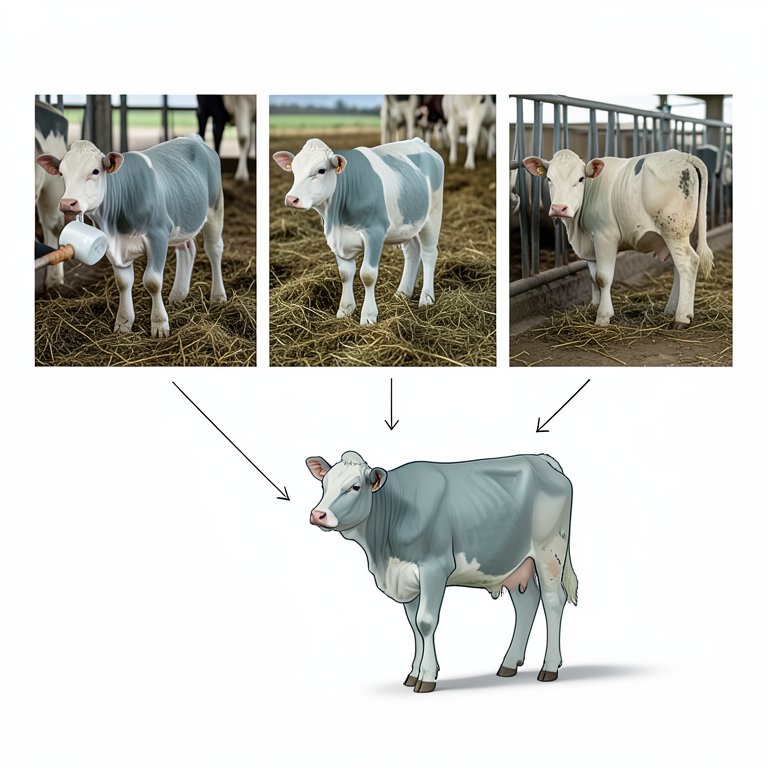
Risk Factors for Salmonella in Calves
AI-generated conceptual illustration (calf calves). It explains the idea and does not show study data.
View source evidence ↗Figures & tables
From the original paper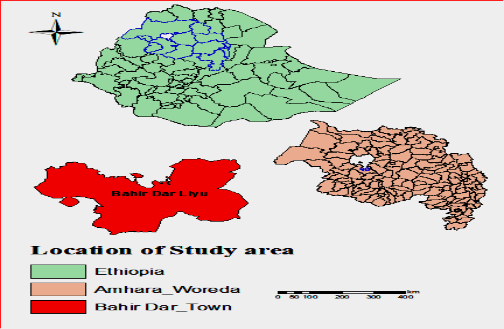 Figure 1
 Table 1
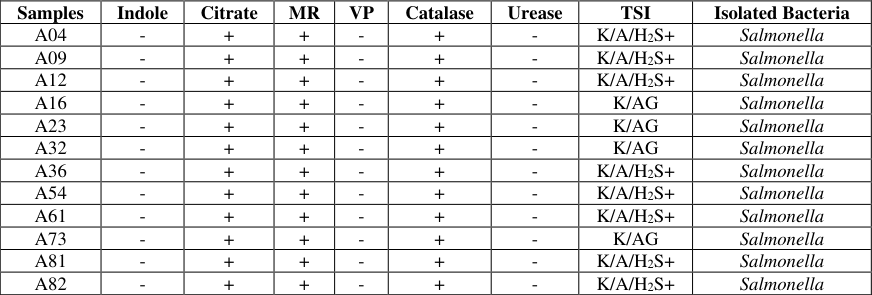 Table 2
 Table 3
 Table 4
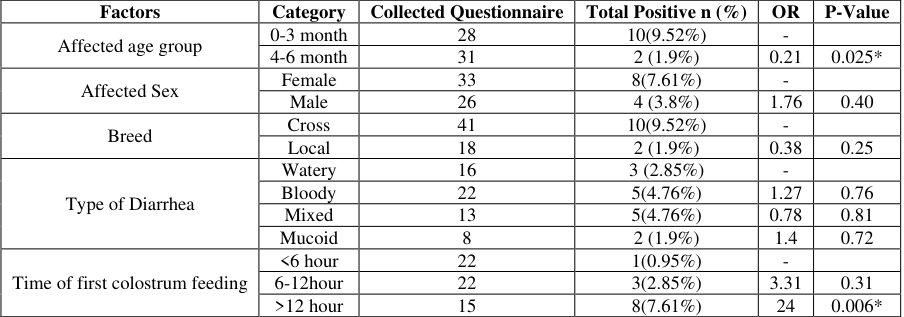 Table 5
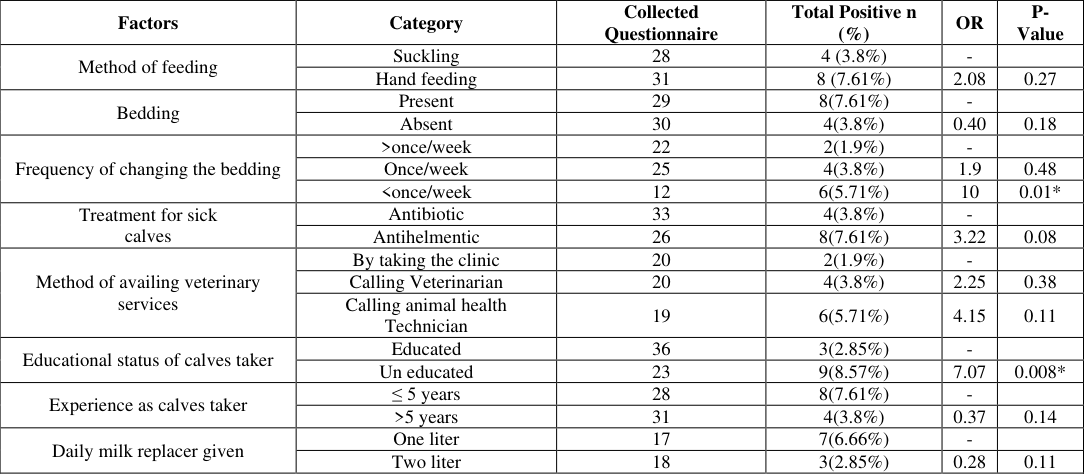 Table 6
Introduction
Newly born calves represent an important source of animal production for either meat or breeding worldwide. Diarrhea is one of the very common disease syndromes in neonatal calves in different countries, and this can have severe impacts both economically and in terms of animal welfare [8] . Calves are at greatest risk of developing diarrhea within the first month of life, and the incidence of diarrhea decreases with age [26] . Several enteropathogens are implicated in neonatal calf diarrhea, and their relative prevalence varies geographically but the most common prevalent infections in most areas are Escherichia coli, Rotavirus, and Corona virus, Clostridium perfringens, Salmonella, and Cryptosporidium. Causes of neonatal calf diarrhea are commonly associated with more than one of these agents, and the causes of most outbreaks are usually multifactorial [16], [4], [8] . Among these organism Salmonella is the main cause for the calves diarrhea as white scour diarrhea. Salmonella is gram negative, rod shaped, flagellated, and motile (except Salmonella Pullorum and Salmonella Gallinarum) oxidaze negative, facultative anaerobe and is classified under the family Enterobacteriaceae [39] . Salmonella is one of the microorganisms of the lower gastrointestinal tract of mammals, including humans, and usually exists as a harmless communal. However, there also exist many pathogenic strains of Salmonella that can cause variety of diseases in both humans and animals [14] .
Salmonellosis is a common bovine disease [30] . The genus Salmonella is divided into two species (S. enterica and S. bongori) and more than 2500 serovars. Serovars can be host adapted, such as bovine host adapted S. Dublin, or not hostadapted, such as S. Typhimurium. The pathophysiology of diarrhea associated with Salmonella infection is complex and involves inflammation and necrosis [30,31] . Salmonellosis is a calf-hood disease that has major impact on the economic viability of cattle operations [23] which is documented by an increase in incidence especially that caused by S. Typhimurium in calves associated with the development of intensive rearing system. Although Salmonella infections may occur at any age in cattle, the associated clinical symptoms are more severe in calves from the first 2 weeks -3 months of their life [3] . Substantial economic losses were manifested through mortality and poor growth of infected animals as well as the hazard of transmission to humans either through the food chain or direct animal contact [29] . Calves are infected by ingestion of the organism from the environment which is contaminated with feces from infected animals. Six hours after ingestion, the organism multiplies in the intestine and can be found in the rectum. The bacteria invade the intestinal mucosa and adhere to the small intestine epithelial cells and overcome host defense mechanisms to enable infection and cause an inflammatory response, and septicemia and pneumonia can follow. Signs of clinical disease are those of diarrhea and dehydration [21] . Infected calves can be either clinical or subclinical, shedding Salmonella in their feces; thus, dairy producers need to be aware that Salmonella can be found on their farms within apparently healthy cows, which is important in terms of food safety risks [6] . Persistence of infection is an important epidemiologic feature of salmonellosis and can be related to serotypes with which animal is infected [20,41] . Different studies conducted in Ethiopia revealed fragmented substantial isolation rate as well as antimicrobial susceptibility of Salmonella in veterinary and public health setups [17] . However, reports from coinciding study on apparently healthy animals at farm level, personnel and equipment used in the farms is limited especially in the current study area. Investigation of the prevalence and antimicrobial resistance of Salmonella from cattle and personal working in dairy farms is of paramount importance to design methods to minimize the possible transmission of Salmonella between humans and cattle. Moreover, it is also important in combating the emergence of antibiotic resistant strains of Salmonella [1] .
Statement of the Problem
Salmonellosis is a widespread disease and can be found on a large number of dairy producers. It could be lead to losses from: milk production decline, death in any age group of livestock, abortions, treatment costs, losses from antibiotic contaminated milk, increased culling, increased cost due to delayed culling while antibiotic residues clear, increased labor for management of sick animals, reduced feed efficiency and the inability to sell animals originating from an infected herd. Salmonella infection in Bahir Dar City dairy farms is also a significant public health risk to farm families and employees. This disease has serious economic, animal health and public health implications. Hence, research on isolation, identification and antimicrobial susceptibility patterns of Salmonella in diarrheic calves in dairy farms plays a great role. Therefore, updated data on Salmonella in diarrheic calves and antimicrobial susceptibility is very important for proper selection and use of antimicrobial agents in a setting.
Objective of the Study
Objective of the Study
Study designs and methods
Study designs and methods
Description of the Study area
The study was conducted from November 2018 -May 2019 in dairy farms in Bahir Dar city which is located 565 kms away from North-West Ethiopia Addis Ababa, and having a latitude and longitude of 11°36'-12°15'N and 37°23'-38°20'E respectively. The City has an elevation of 1840 m above sea level [12] .
Fig 1:
Map of Study Area Bahir Dar City [5] .
Study Animal
Animals that were included in this study were cross and local breeds of dairy calves of both sex up to 6 months of age that were clinically affected with diarrhea and exhibiting signs of systemic disease (e.g. poor appetite, fever, sunken eye, dehydration, and reduced suckle reflex), and defecate pastywatery feces. All diarrheic calves in dairy farms of Bahir dar city were incorporated for sampling during the study period in the study for a period. Fifty-four small sized and five large sized dairy farms were involved in the study period and classified as small (< 20 head of dairy cow) and large (>20 head of dairy cow) [33] . Ages of diarrheic calves were categorized into two age groups: 0-3-month age and 4-6month age, according to [22] . Body condition scoring of examined calves was carried out according to the method described and categorized into three scores as poor, medium and good [11] .
Study design and sampling methodology
A cross sectional study was conducted from November 2018 -May 2019 with a purposive sampling method, i.e., samples was collected from calves that show clinical signs of diarrhea during the study period. The sample size was determined based on availability of clinical case (diarrheic calves). Approximately 25g of fecal sample was collected from nontreated diarrheic calves directly from the rectum by using disposable wrist length gloves and was transferred immediately to sterile universal bottles. Then samples were transported in ice box to the Veterinary Microbiology Laboratory, University of Gondar, for processing. Fecal samples were stored at +4 °C until the time of processing.
Isolation and Identification of Salmonella
The 25 gram of fecal sample was enriched in 225ml of Buffered peptone water (BPW) (Oxoid, England) and incubated at 37°C for 24 h and then transferred in to 1ml of pre-enrichment before inoculation to 10ml tetrathionate broth (Muller-Kaufmannn). In addition, 0.1 ml of the preenrichment media containing bacteria were transferred into 10 ml Rappaport Vassiliadis soy peptone (RVS) broth and incubated at 37°C for 24h. After 24h, a loopful from the selective enrichment broth were inoculated onto xylose lysine deoxycholate (XLD) (Oxoid) agar and incubated at 37°C for (18 -24h). Characteristic Salmonella colonies from examined samples, showed a slightly transparent zone of reddish colour with a black center. The purified cultures of Salmonella were stored at +4°C temporarily as nutrient broth cultures for further identification by biochemical tests. Identification of suspected Salmonella colonies was conducted following standard bacteriological procedures. Thus, Salmonella isolates were preliminarily characterized by IMViC tests: indole, methyl red, Voges-Proskauer, and citrate utilization. The isolates which exhibited the IMViC pattern of -, +, -, +, respectively, catalase positive and TSI test (K/AG or H 2 S+) were presumed as Salmonella isolates [32] .
Antimicrobial Susceptibility Tests
The antimicrobial susceptibility testing of the Salmonella isolates was performed using a panel of six antimicrobial discs: ampicillin (10 μg), sulfonamides (300 μg), chloramphenicol (30 μg), tetracycline (30 μg), ciprofloxacin (5 μg) and cefoxitin (30 μg) (Oxoid Ltd, England) using Kirby-Bauer disk diffusion test according to the Clinical and Laboratory Standard Institute guideline [9] . The inoculum was prepared by making a direct sterile saline water suspension of isolated colonies selected from a 24hour agar plate (nutrient agar). The suspension was adjusted to match with 0.5 McFarland turbidity standard using sterile saline water and a vortex mixer. Sterile cotton swab was dipped into the suspension, rotated several times, pressing firmly on the inside wall of the tube above the fluid level to remove excess inoculums and was swabbed uniformly over the surface of Muller Hinton agar plate. The plates were held at room temperature for 15 min to allow drying. Then Antibiotic discs with known concentration of antimicrobials were placed on the cultured Muller Hinton agar plate of appropriate distance of each disc with flamed forceps, inverted and incubated with agar side up for 18-20 hours at 37ºC. Following incubation, the diameter of zone of inhibition was measured with an electronic digital caliper to the nearest millimeter by holding the plate a few inches above a black nonreflecting surface. For the susceptibility testing, interpretation of the results was depending on categorization of isolates into susceptible, intermediate or resistant according to CLSI guidelines [9] .
Questionnaire survey
Questionnaires were administered to dairy owners to assess the general husbandry practices of calves. Generally, the questionnaire included all practices in the farm that were performed about calves health care, hygiene, and health problem, colostrum feeding time, duration of diarrhea that affect the growth of calves Appendix 5.
Data collection, management and analysis
Data describing the diarrheagenic conditions suggestive of Salmonella infection observed on calves along with age, breed, sex, farm size, body condition and a host risk factor and environmental risk factors of a questionnaire was classified, filtered, and coded using Microsoft Excel (2007).Then data was exported to STATA version 12 (STATA Corporation, College Station, TX) for statistical analysis. Descriptive statistics was performed to look in to the data pattern and then odds ratio of logistic regression analysis was used to measure associations between Salmonella isolates and risk factors such as age, breed, sex, farm size, body conditions, associations were reported as statistically significant if (P <0.05).
Results
Results
Isolation and identification of Salmonella
For isolation of Salmonella, xylose lysine deoxycholate (XLD) (Oxoid) agar were used as selective plating media and the following biochemical tests (IMViC tests: indole, methyl red, Voges-Proskauer, citrate, catalase and TSI) were also used for identification of Salmonella. One hundred five (105) fecal samples were initially screened on XLD agar and after incubation at 37°C colonies that showed a slightly transparent zone of reddish colour with black centers were selected for further biochemical tests. Among the total 105 fecal samples of diarrheic calves during the study, 12 isolates (11.42%) were found to be positive for Salmonella. Calves of 4-6 months age had a 0.28 times less likely probability of infected by Salmonella as compared with calves of age group 0-3 months (OR 0.28, P=0.028). Calves housed in small sized farms had the probability of infected by Salmonella 0.27 times less likely as compared with large farm size (OR=0.27, P=0.047). Calves with good body condition had the probability of being infected by Salmonella 0.30 times less likely as compared with calves of poor body condition after considering another variable constant (OR= 0.30, P=0.034). The results are summarized in Table 1.
| Variables | Category | N No. | Salmonella +Ve (%) | OR | p-value |
|---|---|---|---|---|---|
| Age (month) | 0-3 4-6 | 67 38 | 8(7.61) 4(3.81) | 0.28 | - 0.028* |
| Breed | Cross Local | 59 46 | 10(9.52) 2(1.9) | 0.22 | - 0.061 |
| Sex | Male | 65 | 4(3.8) | 1.26 | - |
Table text extracted from the original PDF; superscript letters are shown inline. The original table image is below.
View original table image
Results of Biochemical tests on Salmonella Isolates
A diverse range of biochemical tests are known for the identification and differentiation of Salmonella. A conventional biochemical test is often used to identify microorganisms; the results were observed by color change and confirmation was made based on the reaction of an enzyme with a specific substrate. Salmonella was identified using the following biochemical (IMViC tests: indole, methyl red, Voges-Proskauer, and citrate utilization with the result -, +, -, + respectively). Further biochemical tests on the isolates yielded the following results: catalase positive, alkaline slant/acidic butt with gas production/ hydrogen sulfide (H 2 S) with TSI test (K/AG or K/A/H 2 S+) Table 4.2.
| Number of antimicrobial resistance | Antimicrobial resistance patterns (number of isolates) | Number of isolates (%) |
|---|---|---|
| Three | AMP,FOX,S3 (12) | 12(100) |
| Four | AMP,FOX,S3,TC (3) | 3(25) |
| AMP,FOX,S3,CN (2) | 2(16.67) |
Table text extracted from the original PDF; superscript letters are shown inline. The original table image is below.
View original table image
Salmonella Key: (MR) Methyl Red, (VP Voges-Proskauer, (+) Positive reaction, (-) Negative reaction, (K/AG) Alkaline Slant and Acidic butt with gas production, (K/A /H2S+) Alkaline Slant and Acidic butt with Hydrogen Sulfide production Antimicrobial Susceptibility Profiles of Salmonella isolates Antimicrobial susceptibility testing was performed for all Salmonella isolates from diarrheic calves using Six (6) antimicrobial impregnated discs (Oxoid, England). Salmonella isolates showed the highest resistance (100%) against ampicillin, cefoxitin and sulfonamides Table 4.3.
However, the isolates were found to be susceptible to ciprofloxacin, chloramphenicol and tetracycline (100 %, 83.3% and 75%) respectively. The summarized susceptibility patterns of Salmonella species (N = 12) the antibiotics that were tested are shown in appendix 4.
Multi Drug-resistance pattern (MDR) of Salmonella isolates
All Salmonella isolates developed MDR to different antibiotics. The most frequent MDR pattern consisting of three drugs were found against ampicillin, cefoxitin and sulfonamides with a resistance of 100%. Three isolates were found to be resistant to four antimicrobial drugs namely ampicillin, cefoxitin, sulfonamides and tetracycline, while two other isolates were found to be resistant to ampicillin, cefoxitin, sulfonamides and chloramphenicol Table 4.4
Questionnaire results
Potential risk factors from the questionnaire were categorized as: (a) host risk factors such as age group of affected calves, time of first colostrums feeding, breed, sex, type of diarrhea and (b) environmental risk factors such as, method of colostrums feeding, feeding up to weaning, daily milk replacer given, frequency of changing of bedding, educational status of calves taker, treatment of sick animal, experience as calves taker, method of availing veterinary services, frequency of feeding and duration of feeding. Most large farms had calving facility (separate calving pen) and were aware of the immunological importance of colostrums (All the farms had the knowledge of benefits of colostrums feeding over ordinary milk). However, a deliberate effort to feed calves with colostrum at the right time (<6 hours) was practiced only in the large sized dairy farms. 0.95% of the calves were positive for Salmonella which were fed colostrums before 6 hours after birth, 2.85% calves were positive for Salmonella which fed colostrums between 6 and 12 hours after birth, and 7.61% calves were positive for Salmonella which were fed colostrums after 12 hours of birth. The associations of various host risk factors in the affected age group of calves was found to be 4-6 months of age which was 0.21 times less likely to be infected by Salmonella compared to age of 0-3 months (OR=0.21, P=0.025). Calves that obtained colostrum > 12 hours 24 times more likely a probability of infected by Salmonella as compared with calves fed colostrum within 6 hours by considering other variable constant (OR=24, P=0.006). Results of various host risk factors which were included in questionnaire are summarized in Table 4.5.1. Results of various environmental risk factors included in questionnaire are summarized in Table 4.5.2. Calves pen with the frequency of changing of bedding <once/week were about 10 times more likely infected by Salmonella as compared with frequency of changing of bedding >once/week after describing other variables constant (OR=10, P=0.01). Calves managed by uneducated calves takers were 7.07 times more likely to be infected by Salmonella compared to calves managed by educated calves taker (OR=7.07, P=0.008).
Calves that obtained daily milk replacer as three liter/day were about 0.12 times less likely to be infected by Salmonella as compared with those that obtained one liter milk replacer/day after describing other variable constant (OR=0.12, P=0.02). Calves fed with milk up to weaning only were about 0.13 times more likely to be infected by Salmonella as compared to calves that obtained feed milk replacer up to weaning (OR=0.13, P=0.01).
Discussion
In the present study, from a total of 105 diarrheic calves, 11.42 % of the isolates tested positive for Salmonella. This finding were found to be in agreement with the report of Sunday [35] (13%) and Manickam [25] (18.33%). In the present study, the Salmonella isolated were lesser than results of Fufa Abunna [17] (43.75%). However, Salmonella isolates found in the present study was much higher than the reports of [36], [15] . The variations in the Salmonella isolates found in the present study in Ethiopia as well as in other countries could possibly be due to variations in climatic conditions, management practices, including hygienic conditions, time of first colostrum feeding and housing system of the farms. Charles [7] indicated that gaps in management includes inadequate nutrition, exposure to severe environment, insufficient attention to the new born calf, or a combination of these factors are often involved in scours outbreaks. This study identified statistically significant associations between calves body condition and the occurrence of calves diarrhea. Calves with good body condition had the probability of being infected by Salmonella 0.30 times less likely as compared with calves of poor body condition after considering other variable constant (OR= 0.30, P=0.034).Thus calves that were fed colostrum after six hours of birth were at a significantly higher risk of being infected with diarrhea due to Salmonella than those calves that were fed colostrum before six hours after birth. Calves that obtained colostrum after 12 hours of birth were 24 times more likely to be infected by Salmonella as compared with calves fed colostrum within 6 hours after birth by considering other variable constant (OR=24, P=0.006). This finding is agreement with that of [24], [40] who found that each hour of delay in colostrum ingestion in the first 12 hours of age increased the probability of a calf becoming ill by 10%. Colostral immunoglobulin (IgG) is absorbed within six hours and declines sharply thereafter. This indicated that in the first six hours, a maximum absorption of colostral immunoglobulin occurs. Therefore, delays in administration could lead to deficiency of colostrum originating maternal antibodies to protect calves from enteric pathogens. The present study compared calves of age 4-6 months had a 0.28 times less likely probability of infected by Salmonella as compared with calves of age group 0-3 months (OR 0.28, P=0.028). This finding is similar to the report of [43] that calves aged between 0-3 months were at a higher risk of diarrhea, particularly during the first week of life and the risk decreased with age. This was well explained by Godden [18] , Mellor and Stafferd [28] , who reported that the structure of the bovine placenta impedes easy acquision of immunoglobulins by unborn calves during pregnancy and therefore calves are born without circulating protective antibodies, therefore they are more susceptible to various pathogens. Herd size with a marked increase in population density commonly resulted in an increase in the incidence of infectious diseases and mortality [27] . The infections of calves with Salmonella were significantly higher in larger herd sizes [34, 38, 27] . Herd size by itself did not have a biological effect on the calf health; rather, it could be a measurement of other factors such as time available in order to observe and care for calves. Another possible explanation for the apparent association between herd size and calf mortality could be that in the case of small herd sizes, sufficient time could elapse between successive births, which would reduce the concentration of infectious agents in the calf-rearing environment. In this study, the large herd size could be the cause for the higher Salmonella isolates. Calves housed in small sized farms had the probability of being infected by Salmonella 0.27 times less likely as compared with large farm size (OR=0.27, P=0.047) which is in agreement with previous reports [42,13] . This could be due to overcrowding of animals in the larger herds, especially those housed indoors, thus increasing animal to animal contact which enhances transmission of pathogens within the herd. The Salmonella isolated were also higher in calves pens which practiced changing the bedding material less frequently. This finding that the frequency of changing of bedding <once/week were about 10 times more likely to be infected by Salmonella as compared with frequency of changing of bedding >once/week after describing other variables constant (OR=10, P=0.01), which is in agreement with report of Wondmu Temesgen [43] and Amoki [2] . Farm ownership and educational status of calves takers could play an important role for the calves welfare and health [44] . Calves managed by uneducated calves takers were 7.07 times more likely to be infected by Salmonella as compared to calves managed by educated calves taker (OR=7.07, P=0.008). The emergence and dissemination of antimicrobial resistance is an important concern in public health, animal health, and food safety. Thus, antimicrobial susceptibility test was performed for all of the bacterial isolates. In this study, most of the bacterial isolates were susceptible to ciprofloxacin, chloramphenicol and tetracycline. In the present study, the resistance profile of ampicillin, cefoxitin and sulfonamides were (100%) higher than reported by Guesh Mulaw [19] who reported (94.4%) and (36.6%) for ampicillin and cefoxitin respectively. Manickam [25] reported (75%) resistance to ampicillin which is lower than found in this study. On the other hand, the sensitivity of Salmonella to tetracycline (75%) was higher than reports of Guesh Mulaw [19] (30.6%) and Manickam [25] (26%). However, the sensitivity of Salmonella isolates to chloramphenicol (83.3%), and ciprofloxacin (100%) agreed with the reports of Guesh Mulaw [19] . Multi drug resistances of three out of the twelve Salmonella isolates obtained in this study showed MDR to ampicillin, sulfonamides and cefoxitin (100%) which could be the consequence of indiscriminate use of antibacterial in clinical practice which agrees well with the finding of constable [10] .
Conclusion and Recommendations
Calves diarrhea is a major cause of productivity and economic loss to cattle producers in various parts of the world. Calves diarrhea causes significant economic loss in the dairy industry due to the treatment costs, labor costs, poor growth performance, high mortality and morbidity. During the present study, isolation and identification of Salmonella from diarrheic calves were conducted in Bahir Dar City Dairy farms. Out of 105 samples, 11.42 % tested positive for Salmonella. Salmonella occurrence was found to be significantly associated with various potential risk factors such as; age group, farm size, body conditions of calves, time of first colustrums of feeding, feeding up to weaning, daily milk replacer given, the frequency of changing the bedding and also the educational status of calves taker. The antimicrobial susceptibility patterns of Salmonella isolates showed susceptibility to chlorampenicol, tetracycline and ciprofloxacin. All Salmonella isolates showed multi drug resistance to ampicillin, cefoxitin and sulfonamides. Therefore, based on the above conclusion, the following points are forwarded as recommendations: Better animal husbandry and management activities should be practiced at various levels of farm management in order to minimize Salmonella infections and the resultant economic losses. Awareness creation for farm owners about the appropriate timing of colostrums feeding practice. Use of effective drugs and treatment of animals by professionals in order to minimize the impact of infection Regular antimicrobial susceptibility tests against Salmonella should be conducted in order to monitor emergence of new MDR strains Veterinarians should be advised to use ciprofloxacin, tetracycline and chloramphenicol in their farms against diarrheal diseases of Salmonella. All farm owners need to avail the services of animal health professionals Salmonella species and strains should be identified using further immunological and molecular techniques.
Figures and tables from the paper
| Samples | Indole | Citrate | MR | VP | Catalase | Urease | TSI | Isolated Bacteria |
|---|---|---|---|---|---|---|---|---|
| A04 | - | + | + | - | + | - | K/A/H2S+ | Salmonella |
| A09 | - | + | + | - | + | - | K/A/H2S+ | Salmonella |
| A12 | - | + | + | - | + | - | K/A/H2S+ | Salmonella |
| A16 | - | + | + | - | + | - | K/AG | Salmonella |
| A23 | - | + | + | - | + | - | K/AG | Salmonella |
| A32 | - | + | + | - | + | - | K/AG | Salmonella |
| A36 | - | + | + | - | + | - | K/A/H2S+ | Salmonella |
| A54 | - | + | + | - | + | - | K/A/H2S+ | Salmonella |
| A61 | - | + | + | - | + | - | K/A/H2S+ | Salmonella |
| A73 | - | + | + | - | + | - | K/AG | Salmonella |
| A81 | - | + | + | - | + | - | K/A/H2S+ | Salmonella |
| A82 | - | + | + | - | + | - | K/A/H2S+ | Salmonella |
Table text extracted from the original PDF; superscript letters are shown inline. The original table image is below.
View original table image
| Antibiotic agent | Disk potency (μg) | Diameter of the inhibition zones of Salmonella according to CLSI (mm) | — | — | Number of isolates (n=12) | — | — |
|---|---|---|---|---|---|---|---|
| S | I | R | S (%) | I (%) | R (%) | ||
| AMP | 10 | ≥17 | 14-16 | ≤ 13 | 0(0.0) | 0( 0.0) | 12(100) |
| S3 | 300 | ≥17 | 13-16 | ≤12 | 0(0.0) | 0(0.0) | 12(100) |
| CN | 30 | ≥18 | 13-17 | ≤12 | 10(83.3) | 0( 0.0) | 2(16.6) |
| TC | 30 | ≥15 | 12-14 | ≤11 | 9(75) | 0( 0.0) | 3(25) |
| CPR | 5 | ≥21 | 16-20 | ≤15 | 12(100) | 0( 0.0) | 0( 0.0) |
| FOX | 30 | ≥22 | -- | ≤21 | 0( 0.0) | 0( 0.0) | 12(100) |
Table text extracted from the original PDF; superscript letters are shown inline. The original table image is below.
View original table image
| Factors | Category | Collected Questionnaire | Total Positive n (%) | OR | P-Value |
|---|---|---|---|---|---|
| Affected age group | 0-3 month | 28 | 10(9.52%) | - | |
| 4-6 month | 31 | 2 (1.9%) | 0.21 | 0.025* | |
| Affected Sex | Female | 33 | 8(7.61%) | - | |
| Male | 26 | 4 (3.8%) | 1.76 | 0.40 | |
| Breed | Cross | 41 | 10(9.52%) | - | |
| Local | 18 | 2 (1.9%) | 0.38 | 0.25 | |
| Type of Diarrhea | Watery | 16 | 3 (2.85%) | - | |
| Bloody | 22 | 5(4.76%) | 1.27 | 0.76 | |
| Mixed | 13 | 5(4.76%) | 0.78 | 0.81 | |
| Mucoid | 8 | 2 (1.9%) | 1.4 | 0.72 | |
| Time of first colostrum feeding | <6 hour | 22 | 1(0.95%) | - | |
| 6-12hour | 22 | 3(2.85%) | 3.31 | 0.31 | |
| >12 hour | 15 | 8(7.61%) | 24 | 0.006* |
Table text extracted from the original PDF; superscript letters are shown inline. The original table image is below.
View original table image
| Factors | Category | Collected Questionnaire | Total Positive n (%) | OR | P- Value |
|---|---|---|---|---|---|
| Method of feeding | Suckling | 28 | 4 (3.8%) | - | |
| Hand feeding | 31 | 8 (7.61%) | 2.08 | 0.27 | |
| Bedding | Present | 29 | 8(7.61%) | - | |
| Absent | 30 | 4(3.8%) | 0.40 | 0.18 | |
| Frequency of changing the bedding | >once/week | 22 | 2(1.9%) | - | |
| Once/week | 25 | 4(3.8%) | 1.9 | 0.48 | |
| <once/week | 12 | 6(5.71%) | 10 | 0.01* | |
| Treatment for sick calves | Antibiotic | 33 | 4(3.8%) | - | |
| Antihelmentic | 26 | 8(7.61%) | 3.22 | 0.08 | |
| Method of availing veterinary services | By taking the clinic | 20 | 2(1.9%) | - | |
| Calling Veterinarian | 20 | 4(3.8%) | 2.25 | 0.38 | |
| Calling animal health Technician | 19 | 6(5.71%) | 4.15 | 0.11 | |
| Educational status of calves taker | Educated | 36 | 3(2.85%) | - | |
| Un educated | 23 | 9(8.57%) | 7.07 | 0.008* | |
| Experience as calves taker | ≤ 5 years | 28 | 8(7.61%) | - | |
| >5 years | 31 | 4(3.8%) | 0.37 | 0.14 | |
| Daily milk replacer given | One liter | 17 | 7(6.66%) | - | |
| Two liter | 18 | 3(2.85%) | 0.28 | 0.11 |
Table text extracted from the original PDF; superscript letters are shown inline. The original table image is below.
View original table image
References
43 in the original paper- Addis Zelalem. Prevalence and an-timicrobial resistance of Salmonella isolated from lactating cows and in contact humans in dairy farms of Addis Ababa: a cross sectional study. BMC Infect Dis. 2011; 11:222.
- Amoki OT. Management of dairy calves in Holleta area, central highlands of, Ethiopia. MSc thesis Faculty of veterinary medicine, Addis Ababa University Debre Zeit, Ethiopia.18p. and Frontiers, Doyle, M. P. and Beuchat, L. R. (Eds). ASM Press, Washington DC, 2001, 187-219.
- Berge Thornburg E, Adaska JM, Moeller RB, Blanchard PC. Antimicrobial resistance in Salmonella enteric sub species enteric serovar Dublin from dairy source calves in the central San Joaquin Valley, California (19982002). J Vet Diagn Invest. 2002; 20:497-500. Biochemistry 71:635-700.
- Blanchard PC. Diagnostics of dairy and beef cattle diarrhea. Vet. Clin. North Am. Food Anim. Pract. 2012; 28(3):443-64.
- CACC. Statistical Reports on Livestock and Farm Implant, Part 4 Central Agricultural Census Commission, Addis Ababa, Ethiopia, 2003, 45-46.
- Callaway T, Keen J, Edrington T, Baumgard L, Spicer L, Fonda E et al. Fecal prevalence and diversity of Salmonella species in lactating dairy cattle in our states. J Dairy. Sci. 2005; 88:3603 3608.
- Charles L, Stoltenow LL, Vincent MS. Calf Scour: Cause, prevention and treatment, 2003. Available at: www.ag.adsu.edu./pubs/ansci/beet/as 776. Pdf.
- Cho YI, Yoon KJ. An overview of calf diarrheainfectious etiology, diagnosis and intervention. J Vet. Sci. 2014; 15(1):1-17. DOI: 10.4142/jvs.2014.15.1.1.
- CLSI. Clinical and Laboratory Standards Institute: Performance Standards for Antimicrobial Susceptibility Testing. 27 th ed. CLSI supplements M100. Wayne, PA. 2017; 32(1):32-40.
- Constable PD. Antimicrobial uses in the treatment of calf diarrhea J Vet. Int. Med. 2004; 18:8-17.
- Croxen M, Finlay B. Molecular mechanisms of Salmonella pathogencity. Nat, Rev Microbiology. 2010; 8:26-38.
- CSA. Center for Statistical Agency. Population and Housing Census of Ethiopia. D. and Weill, F. X. 2010. Supplement 2003-2007 (No. 47) to the WhiteKauffmann-Le Minor scheme. Res. Microbiol. 2011; 161:26-29.
- Davison HC, Sayers AR, Smith RP, Pascoe SJ, Davies RH, Weaver JP et al. Risk factors associated with the Salmonella status of dairy farms in England and Wales. Vet Rec. 2006; 159(26):871-80. Rev Microbiol. 8:26-38.
- Elena S, Whittam T, Winkworth C, Riley M, Lenski R. Genomic divergence of Escherichia coli strains: evidence for transfer and variation in mutation rates. International Microbiology. 2005; 8:271-278.
- Fahumy M, Yousef HM, Solimam YA. Detection of Salmonellae in the feces of Feedlot calves Farms in Egypt, International Journal of Microbiological Research. 2017; 8(1):01-08.
- Foster DM, Smith GW. Pathophysiology of diarrhea in calves. Vet. Clin. North Am. Food Anim. Pract. 2009; 25:13-36.
- Fufa Abunna, Debebe A, Takele B, Dinka A, Bedaso M, Reta D. Isolation, identification and antimicrobial susceptibility profiles of Salmonella isolates from dairy farms in and around Modjo town, Ethiopia, 2017, 92-108.
- Godden S. Colostrum management for dairy calves.In proceedings from the conference calf management Siolheim Hansen Steinkjer, Norway, Europe, 2007, 2022. 19. Guesh Mulaw. Prevalence and antimicrobial susceptibility of Salmonella species from lactating cows in dairy farm of Bahir Dar Town, Ethiopia. 2017; 11(43):1578-1585.
- Hoszowski A, Wasyl D. Typing of Salmonella enterica subsp. enterica serovar Mbandaka isolates. Vet. Microbiol. 2001; 80:139-148.
- Jay LS, Davos D, Dundas M, Frankish E, Light foot, D. Salmonella Ch 8 In: Hocking AD (ed) Food borne microorganisms of public health significance. 6th ed, Australian Institute of Food Science and Technology (NSW Branch), Sydney, 2003, 207-266.
- Lemma M, Kassa T, Tegegne A. Clinically manifested major health problems of cross bred dairy herds in urban and periurban production systems in the central highlands of Ethiopia. Tropical Animal Health and Production. 2001; 33(2):85-93.
- Lorenz I, Fagan J, More S. Calf health from birth to weaning II Management of diarrhea in preweaned calves. Ir. Vet. J. 2011; 64(1):9-13.
- Lorino T, Daudin J, Robin S, Sanaa M. Factors associated with time to neonatal diarrhea in French beef calves. Prev. Vet. Med. 2005; 68:91-102.
- Manickam R, Ponnusamy P. Bacterial species isolated from diarrheic calves and its antibiotic sensitivity pattern International Journal of Science, Environment ISSN 2278-3687 (O) and Technology. 2017; 6(4):2202-2211.
- Meganck V, Hoflack G, Opsomer G. Advances in prevention and therapy of neonatal dairy calf diarrhoea: a systematical review with emphasis on colostrum management and fluid therapy. Acta Vet. Scand. 2014; 56:75.
- Mellado M, Lopez E, Veliz FG, De Santiago MA, Macias-Cruz U, Avendaño-Reyes L et al. Factors associated with neonatal dairy calf mortality in a hot-arid environment. Livestock Science. 2014; 159:149-155.
- Mellor D, Stafford K. Animal welfare implications of neonatal mortality and morbidity in farm animals. Vet J. 2004; 168(2):118-133.
- Mohamed Zahran, Farid A, Abaza A, Faltas R. Fecal shedding of non-typhoidal Salmonella species in dairy cattle and their attendants in Alexandria suburbs. J Am. Sci. 2011; 7(9):623 631.
- Mohler VL, Izzo MM, House JK. Salmonella in calves Veterinary Clinics of North America Food Animal Practice, Maryland Heights. 2009; 25(1):37-54.
- Nielsen L. Review of pathogenesis and diagnostic methods of immediate relevance for epidemiology and control of Salmonella Dublin in cattle Veterinary Microbiology, Barcelona. 2013; 162(1):1-9.
- Quinn PJ, Markey BK, Carter ME, Donnelly WJ, Leonard FC. Veterinary Microbiology and Microbial diseases. Black well Scientific Publications, Oxford, London, 2002, 143-198.
- Seble Awoke, Berhanu Mekbeb. Major Production Problems of Dairy Cows of Different Farm Scales Located in the Capital City Addis Ababa, Ethiopia. J Vet Sci Technol. 2017; 8:483.
- Silva Del Río NS, Stewart P, Rapnicki YM, Chang, Fricke PM. An observational analysis of twin births, calf sex ratio, and calf mortality in Holstein dairy cattle. J Dairy Sci. 2007; 90:1255-1264.
- Sunday Olaogun C, Olalekan Jeremiah T, Afusat Jubril J, Olaoluwa Adewuyi O. Calf Diarrhea: Epidemiological Prevalence and Bacterial Load in Oyo and Ogun States, Nigeria, 2016, 90-96.
- Tadesse Eguale, Epherem E, Wondwossen G, Daniel A, Haile A, Girmay M et al. Fecal prevalence, serotype distribution and antimicrobial resistance of Salmonellae in dairy cattle in central Ethiopia, BMC Microbiology, 2016. Doi 10.1186/s12866-016-0638-2.
- Takele Beyene. Veterinary Drug Residues in Foodanimal Products: Its Risk Factors and Potential Effects on Public Health. J Veterinar Sci Technol. 2016; 7:285. doi:10.4172/2157-7579.1000285.
- Torsein M, Ann Lindberg, Charlotte Hallén Sandgren, Karin Persson Waller, Mats Törnquist, Catarina Svensson. Risk factors for calf mortality in large Swedish dairy herds. Prev. Vet. Med. 2011; 99:136-147.
- Trevejo R, Barr M, Robinson R. Important emerging bacterial zoonotic infections affecting the immunecompromised. Vet. Res. 2005; 36:493-506.
- Trotz-Williams LA, Wayne MS, Leslie KE, Duffield T, Nydam DV, Peregrine AS. Calf-level risk factors for neonatal diarrhea and shedding of Cryptosporidium parvum in Ontario dairy calves. Prev. Vet. Med. 2007; 82:12-28. Typhimurium genes in intestinal colonization of food-producing animals. PLoS genetics, 9: e1003456.
- Van Kessel J, Karns J, Wolfgang D, Hovingh E, Schukken Y. Longitudinal study of a clonal, subclinical outbreak of Salmonella enterica sub sp enteric serovar Cerro in a US dairy herd. Food borne Pathog. Dis. 2007; 4(4):449 461.
- Warnick LD, Kanistanon K, McDonough PL, Power L. Effect of previous antimicrobial treatment on fecal shedding of Salmonella enterica subsp. enterica serogroup B in New York dairy herds with recent clinical salmonellosis. Prev Vet Med. 2003; 56(4):285-97.
- Wondmu Temesgen. Calf morbidity and mortality in small holder dairy farms in Ada'a Liben district of Oromia, Ethiopia. Tropic Anim Health Prod. 2004; 40:369-376.
- Wymann MN, Bonfoh B, Schelling E, Bengaly S, Tembely S, Tanner M et al. Calf mortality rate and causes of death under different herd management systems in peri-urban Bamako, Mali. Livest Sci. 2006; 100:169178. 10.1016/j.livprodsci.2005.08.010
Cited by 1
From OpenAlex, OpenCitations and reference lists read by Scinovex
- Detection of Antimicrobial Resistance by Phenotypic and Genotypic Methods in E. coli Isolated from Diarrhea of Cattle Calves in Mhow, Indore ↗
Ravi Sikrodia, Daljeet Chhabra, Supriya Shukla, Sachin Digambar Audarya, Joycee Jogi, Rakhi Gangil et al. · Indian Journal of Animal Research · 2024
Background: Neonatal calf diarrhoea, a complex illness, continues to be the leading cause of neonatal calf deaths. The complex pathophysiology of infectious calf diarrhoea results in severe losses to the dairy sector, either directly via mortality or indirectly through the costs of prophylaxis and slowed growth in infected calves. Neonatal calf diarrhoea during the first month of life causes between…
❝ 1PDF