
Research article · 2020 · Full text
International Journal of Agriculture and Food ScienceOrganic food consumption and it's association with breast cancer risks in Pakistan
Volume 2(2) · Pages 32–33 · DOI: 10.33545/2664844x.2020.v2.i2a.40 ↗
Research areasCancer Risks and Factors
Abstract
Author-writtenBreast cancer is the most malignancy and dangerous disease among women worldwide and its incidence in Pakistan is steadily increasing. In Asia, Pakistan has the highest rate of breast cancer. This is the second leading cause of death in women. About 90,000 cases are reported annually in our country, and more than 42,000 deaths are caused by it, which is dangerous. Current demographic trends indicate that breast cancer will be a public health concern in Pakistan in the future. Details of breast cancer incidence, mortality and disease severity are limited and without such data, therefore, future health policies or plans for the disease cannot be implemented.
Summary
Source-checkedPlain-language reading of the full paper, prepared with AI and checked against the text. Each point links to the authors' own words.
Why it matters
- Breast cancer is considered the most dangerous malignancy among women globally, with a steadily increasing incidence rate in Pakistan. View evidence ↗
- Pakistan has the highest rate of breast cancer in Asia, where it serves as the second leading cause of death for women, with approximately 90,000 annual cases and over 42,000 deaths. View evidence ↗
- The lack of detailed data on breast cancer mortality, incidence, and severity in Pakistan hinders the implementation of future health policies. View evidence ↗
The question
- The study aims to explore how improving and standardizing daily diets, alongside government health policies, can reduce the risk of breast cancer. View evidence ↗
What they did
- The paper defines organic food as produce grown without pesticides, utilizing compost, manure, and natural fertilizers instead. View evidence ↗
- The author notes a significant increase in pesticide availability in Pakistan, with 2,295 new pesticide companies formed between 1993 and 2016 in regions including Karachi, Lahore, and South Punjab. View evidence ↗
What they found
- The author cites that consumption of organic meat, dairy, and produce was associated with a 25% lower risk of cancer, particularly lymphoma and breast cancer. View evidence ↗
- A 2003 Harvard University study is cited, indicating that eating one egg per day was associated with an 18% reduction in breast cancer risk. View evidence ↗
- The author asserts that breast cancer and other diseases were under control during periods when organic dairy, meat, fruits, and vegetables were widely used. View evidence ↗
What it means
- The author concludes that the consumption of organic products is associated with a reduced risk of breast cancer. View evidence ↗
- The author recommends launching campaigns to promote organic food consumption and the use of natural fertilizers over pesticides in agriculture to reduce future breast cancer risks. View evidence ↗
- The author acknowledges that evidence regarding breast cancer risk is limited because very few studies have investigated the link between organic food consumption and cancer risk. View evidence ↗
Figures & tables
From the original paper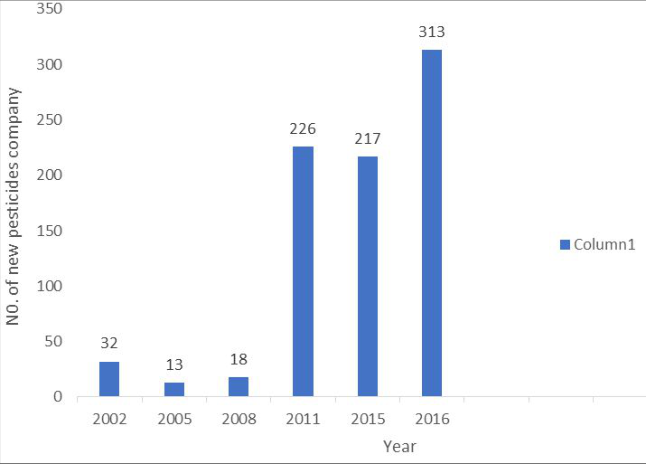 Figure 1
Introduction
The aim of this study is to reduce the risk of breast cancer if we improve and standardize our daily diet along with health policies or government plans. Food is a source of exposure to pesticides. Fruits and vegetables (both conventional and organic) have low levels of pesticide residue. However, eating fresh vegetables and fruits reduces the pesticide residue associated with health risks. organic produce, dairy, meat and other products had a 25% lower risk of cancer, especially breast cancer and lymphoma.
Research on breast cancer at Harvard University in 2003 found that eating one egg per day was associated with 18% reduced the risk of breast Cancer. In fact, organic food is a natural way to control weeds and pest control from the process of growing. This type of food does not use pesticides but uses natural fertilizers, manure and compost. Nowadays consuming food is being produced due to excessive pesticides.
This can be gauged from the fact that by (1993-2016) some areas of Pakistan including South Punjab, Lahore and Karachi, 2295 new pesticide companies have been formed. Which is shown in below (graph).
Methods
Eating organic food can reduce the risk of cancer, possibly due to less use of pesticides. French researcher Julia Baudry said that I noted the study does not prove an organic diet causes a reduction in cancers, but strongly suggests “that an organic-based diet could give to reducing cancer risk." But in a study, people who ate more Fig 1 32 This increase is going to be even greater in the coming years than in previous years.
Results
As long as organic products such as fruits, vegetables, meat and dairy were widely used, breast cancer cases, along with other diseases, were under control. Countries around the world are increasingly using pesticides to meet food shortages in the face of a growing population. However, the Cancer Society of developed countries, such as the United States, France, etc., recommended that fruits and vegetables, along with a healthy diet, consume more whole grains, instead of refined grains and red meat, processed meats and added sugars.
Discussion
Very few studies have investigated the association between organic food consumption and cancer risk, and evidence of breast cancer risk is limited. Although the use of organic factors may explain these results associated with organic foods, but consumption of organic products was associated with a reduced risk of breast cancer. If this deadly risk of breast cancer is to be reduced, a campaign should be launched to ensure the use of organic food among the people, as well as to promote natural fertilizers instead of pesticides in the agriculture sector so that the risk of breast cancer in the coming years can be reduced.
References
1 in the original paper- https://www.nytimes.com//10/23/well/eat/can-eating- organic-food-lower-your-cancer- risk.amp.html#aoh=16063637865256&referrer=https%3A %2F%2Fwww.google.com&_tf=From%20%251%24s 2. www.agripunjab.gov.pk 3. https://academic.oup.com/cdn/article/3/Supplement_1/nzz0 39.P18-038-19/5517295 33
Cited by 9
From OpenAlex, OpenCitations and reference lists read by Scinovex
- Evaluation of patients attending breast clinic in Alyarmook teaching hospital concerning ultrasound, mammography & cytological results during 2021 ↗
Radhwan R Hussein, Farah Qahtan Mahgoob, Jawad K. Al-Diwan · International Journal of Advanced Academic Studies · 2023
Introduction: Breast-related diseases, including breast cancer, have become a significant focus of attention due to their prevalence and impact on women's health. Breast cancer, in particular, is a leading cause of cancer-related deaths among women, affecting approximately 2.1 million individuals annually, according to the World Health Organization. The study's goals were to evaluate the clinical and imaging results of breast…
❝ 0PDF - Assessing urban dwellers' knowledge of terrace gardening in Telangana state
G Charan Tej, P. Lakshmi, B. Savitha, A. Meena · International Journal of Agriculture Extension and Social Development · 2023
India's projected population of 2.0 billion by 2050 poses challenges to food and energy resources, exacerbated by rapid urbanization and farmland conversion. Controlling population growth is gradual, making addressing immediate food needs crucial. Urban agriculture, particularly terrace gardening, emerges as a positive solution on unused urban spaces. This health-conscious practice helps meet urban food demand, eases pressure on traditional agriculture, and promotes environmental benefits and biodiversity preservation.The study, utilizing an ex-post facto design, focused on Telangana, specific
- Integrating pharmacogenomics into personalized medicine for breast cancer ↗
Ufuk Şener, Aysel Berkkan · International Journal of Advanced Research in Medicine · 2023
The advent of pharmacogenomics has ushered in a new era of personalized medicine, offering hope for more effective and tailored treatment strategies for breast cancer. This paper explores the integration of pharmacogenomics into personalized medicine for breast cancer, highlighting the potential to significantly enhance treatment efficacy, reduce adverse drug reactions, and improve patient outcomes. By examining the role of genetic
- Exploring the protective roles of dietary phytochemicals against breast cancer ↗
Andrew Hegeman, Nirav P. Patel · International Journal of Pharmacognosy and Clinical Research · 2022
Breast cancer is a leading cause of morbidity and mortality among women worldwide, necessitating continued exploration of effective prevention strategies. Dietary factors, particularly phytochemicals found in fruits, vegetables, and whole grains, have emerged as potential modulators of breast cancer risk. These bioactive compounds, including flavonoids, carotenoids, glucosinolates, and isoflavones, are known for their antioxidant, anti-inflammatory, and hormone-modulating properties, which may
- Navigating surgical decisions in breast cancer patients with genetic predispositions ↗
Ali Sisay, Tokpa André, Esmail Lamia · International Journal of Case Reports in Surgery · 2022
Breast cancer, a leading cause of cancer-related morbidity and mortality among women globally, is influenced by a combination of environmental and genetic factors. Among these, genetic predispositions, such as mutations in the BRCA1 and BRCA2 genes, significantly increase the risk of developing breast cancer. This paper explores the complexities surrounding surgical decisions for breast cancer patients with genetic predispositions, examining
- The impact of breast cancer on systemic immunity ↗
Nnamdi E Adedipe, Armstrong M Nicholas · International Journal of Immunology Research · 2022
Breast cancer significantly influences systemic immunity, presenting challenges and opportunities for therapeutic intervention. This review explores the multifaceted interactions between breast cancer and the immune system, highlighting mechanisms of immune suppression, evasion, and modulation employed by cancer cells. We discuss the role of chronic inflammation in cancer progression, the alterations in the tumor microenvironment that favor tumor growth while inhibiting
- Evaluating the influence of oncology nursing care on quality of life and risk perception among breast cancer survivors ↗
Victoria Williams, Ofudje Edwin Andrew · International Journal of Surgery Science · 2022
This study aims to evaluate the impact of oncology nursing care on the quality of life (QoL) and risk perception among breast cancer survivors. Recognizing the pivotal role of oncology nurses in the multidisciplinary care team, this research investigates how tailored nursing interventions can improve patient outcomes and perception of health risks post-treatment. Through a mixed-methods approach, incorporating both quantitative…
❝ 0PDF - The relation between gouty arthritis and menopause: A Unani conceptual review ↗
Atqia Asnah, Mohd Ahsan Faroqui, Ghousia Tabassum · International Journal of Unani and Integrative Medicine · 2021
Menopausal stages are progressively associated with an increased prevalence of hyperuricemia, especially from the late transition stage. This association was independent of age and other confounders, indicating menopausal stage per se as an independent risk factor for hyperuricemia. Estrogen has uricosuric properties and with its decline the menopausal women are prone to gouty arthritis. Hormone replacement therapy is touted as…
❝ 0PDF - Evaluation of antioxidant concentrations in organic eating patterns and their link to lowered risk of breast cancer ↗
Josue Mondragon-Morales, Esperanza Guerra-Rosas · International Journal of Molecular Biology and Biochemistry · 2021
This study investigates the association between antioxidant concentrations in organic diets and the risk of breast cancer. By analyzing the dietary patterns and antioxidant intake of individuals consuming predominantly organic foods, this research aims to identify potential correlations between increased antioxidant consumption and reduced breast cancer incidence. The findings contribute to the ongoing debate on the impact of organic eating