
Research article · 2020 · Full text
International Journal of Research in AgronomyProductivity, enzymatic activity and physiological effects in peanut plants associated with arbuscular mycorrhizal fungus and supplemented with seaweed extract
Volume 3(1) · Pages 19–24 · DOI: 10.33545/2618060x.2020.v3.i1a.26 ↗
Research areasPlant Growth Enhancement Techniques
Abstract
Author-writtenPeanuts cultivation (Arachis hypogae L.) has aroused great economic interest. Therefore, use of arbuscular mycorrhizal fungi (FMAs) and natural biostimulants such as soluble seaweed extract (ESA) is spreading in agriculture. These biological agents can stimulate the growth and production of vegetables. The objective of this work was to evaluate the effects on gas exchange, enzymatic activity and production indexes in peanut plants inoculated with mycorrhizal fungi and supplemented with soluble extract of marine algae. The experimental design was completely randomized in a 2x2 factorial scheme, two treatments involving the presence and absence of FMAs and two treatments involving supplementation or not with ESA, T1 consisted of plants associated to FMAs and supplemented with ESA, T2, just FMAs associated plants, T3 plants only supplemented with ESA and T4 control plants (no association with fungi and no supplementation with ESA). The variables evaluated were net assimilation rate of CO2 (A), stomatal conductance (gs), transpiration (E) and internal carbon concentration (Ci), activities of the antioxidative enzymes sod, pod, cat and proline protective osmolyte as well as yield and yield components. This consortium also increased the distribution of biomass with direct effects on the increase of production. The biological agent and the biostimulant collaborated in the activation and kept active the antioxidative system of the peanut plants even under optimal conditions of cultivation. Management practices that maintain the native community of mycorrhizal fungi, such as ESA application in plants associated to FMAs, would be good biotechnological alternatives for the cultivation of IAC Runner 886 peanuts.
Summary
Source-checkedPlain-language reading of the full paper, prepared with AI and checked against the text. Each point links to the authors' own words.
Why it matters
- Peanut cultivation is of significant economic importance because the seeds provide edible oil and vegetable protein. View evidence ↗
- Arbuscular mycorrhizal fungi (AMF) can improve soil fertility and plant growth while reducing the need for fertilizers by helping the plant absorb low-mobility elements like phosphorus. View evidence ↗
- Seaweed extract (ESA) is increasingly used in agriculture as a natural biostimulant and organic nutritional source. View evidence ↗
The question
- The study aimed to evaluate how inoculation with mycorrhizal fungi and supplementation with soluble marine algae extract affect gas exchange, enzymatic activity, and production indexes in peanut plants. View evidence ↗
What they did
- The experiment used the commercial peanut cultivar IAC Runner 886 and was conducted in an agricultural greenhouse at UNESP, Botucatu Campus, SP. View evidence ↗
- The researchers used a completely randomized 2x2 factorial design testing the presence or absence of AMF and the presence or absence of ESA. View evidence ↗
- Plants were supplemented via soil with 50 ml of a 0.3% diluted A. nodosum extract, applied weekly starting 10 days after planting until senescence. View evidence ↗
- AMF inoculation involved applying 100g of inoculum (approximately 5,400 spores per pot) to non-sterile soil at the time of sowing. View evidence ↗
What they found
- Plants associated only with FMAs (T2) showed higher internal CO2 concentration during the reproductive and grain filling periods compared to other treatments. View evidence ↗
- Plants receiving both AMF and ESA (T1) exhibited higher net CO2 assimilation and stomatal conductance after the pre-flowering period. View evidence ↗
- The presence of FMAs (in both T1 and T2 treatments) led to an increase in superoxide dismutase (SOD) enzyme activity. View evidence ↗
- During the final evaluation period, plants treated with both AMF and ESA (T1) accumulated the highest levels of proline. View evidence ↗
What it means
- The authors conclude that combining AMF with ESA supplementation increases CO2 assimilation, stomatal conductance, internal CO2 concentration, biomass distribution, and overall production. View evidence ↗
- The authors recommend applying ESA to plants associated with AMF as a biotechnological alternative to maintain native mycorrhizal fungi and improve the cultivation of IAC Runner 886 peanuts. View evidence ↗
Visual summary
3 visualsIllustrations explain the paper; charts are replotted from the paper's own table values.
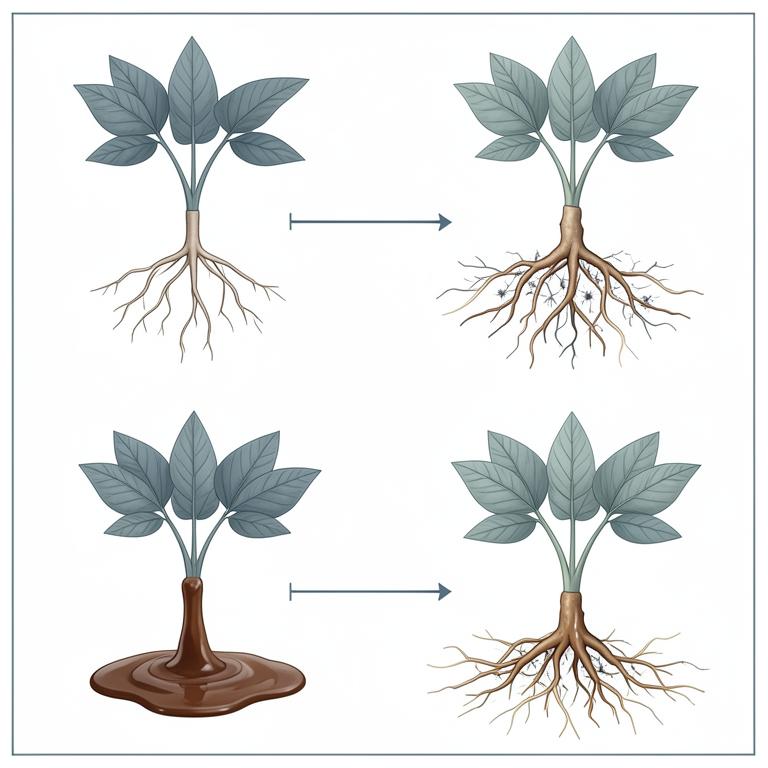
Experimental Treatment Matrix
AI-generated conceptual illustration (peanut plants (Arachis hypogaea) with root-associated fungi). It explains the idea and does not show study data.
View source evidence ↗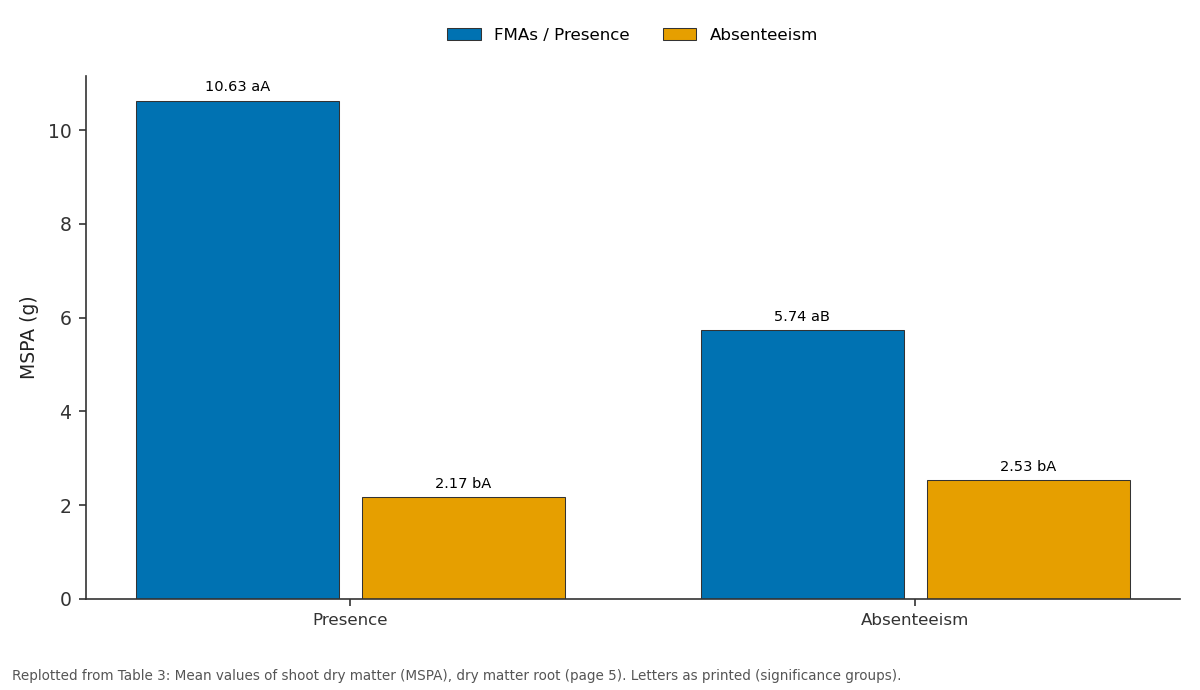
FMAs / Presence and Absenteeism: Presence vs Absenteeism
Replotted from Table 3 (page 5) of the original paper. Every bar is the paper's own table value.
View source evidence ↗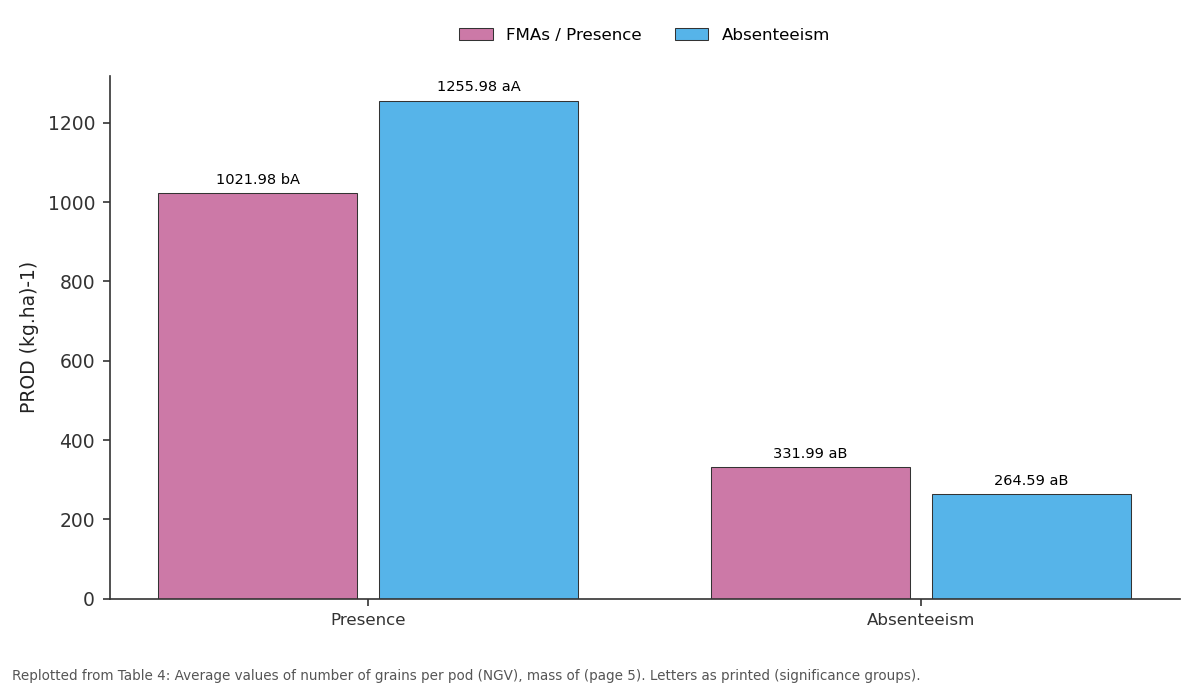
FMAs / Presence and Absenteeism: Presence vs Absenteeism
Replotted from Table 4 (page 5) of the original paper. Every bar is the paper's own table value.
View source evidence ↗Figures & tables
From the original paper Table 1
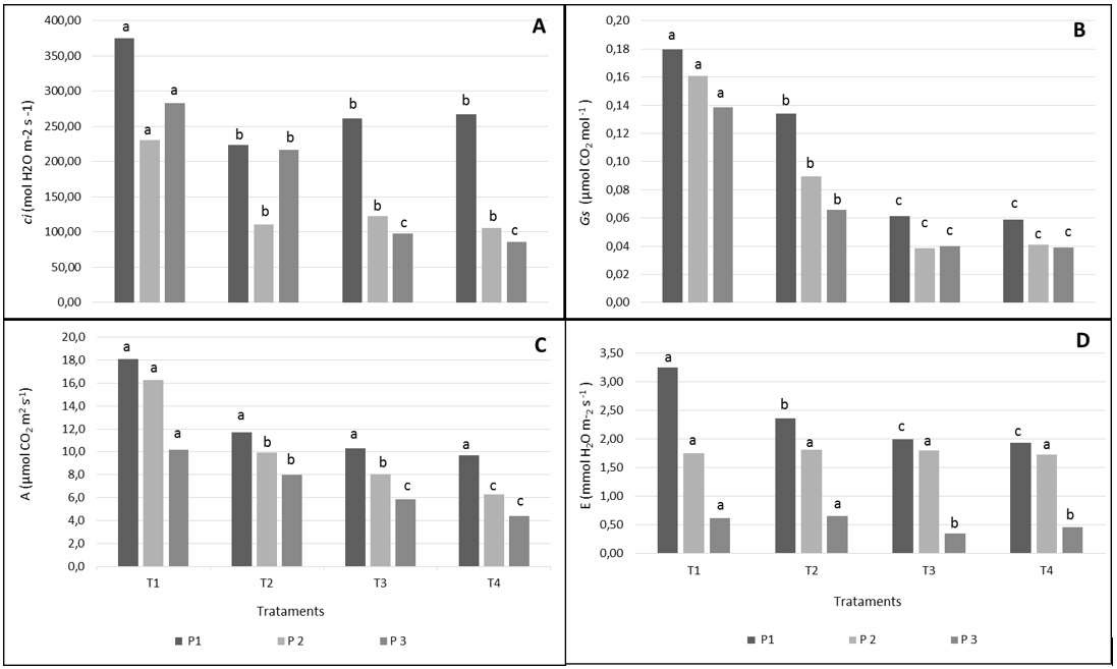 Figure 1
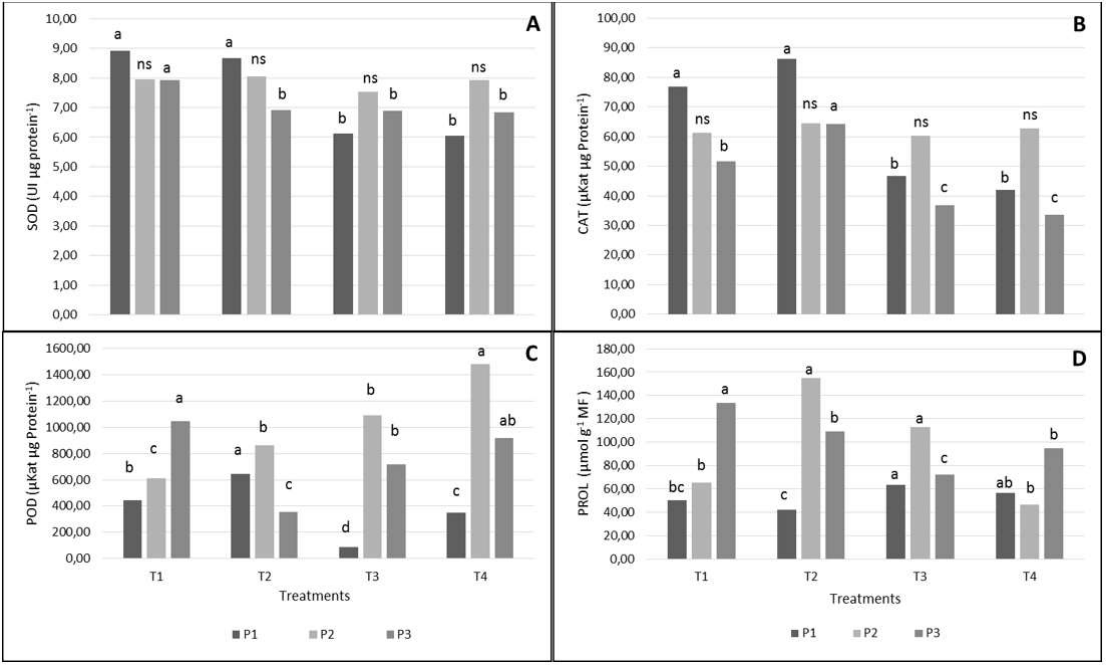 Figure 2
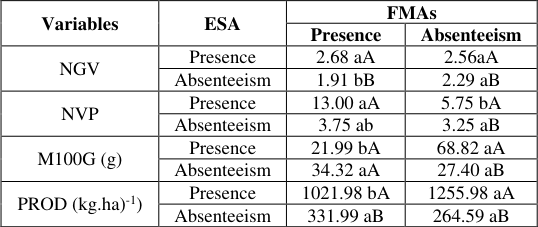 Table 4
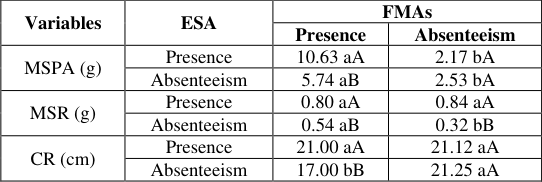 Table 3
Introduction
The peanut crop (Arachis hypogae L.) has aroused great economic interest since its seeds constitute an important source of vegetable protein and edible oil (Barbosa; Homem; Tarsitano, 2014) [4] . The planting recommendation for this crop serves several markets and presents great potential for expansion, whether for in nature consumption, for the industry, for the recovery of degraded pastures and green manure (Nogueira; Távora, 2005) [18] . The association between arbuscular mycorrhizal fungi (AMF) and arbuscular mycorrhizal (AM) roots (Smith; Smith, 2011) [25] is one of several forms of symbiosis found in nature. These so-called associations contribute to soil fertility (Almeida et al., 2014) [2] , promote improvements in plant growth and development and are an option for reducing the supply of fertilizers, as the absorption of elements, especially those with low soil mobility as the P, is facilitated by the hyphae fungal (Fernández-Lizarazo; Moreno-Fonseca, 2016) [6] . Due to the search for organic nutritional sources available to the plants, the use of natural biostimulants based on seaweed extract (ESA) is also increasingly being included in agriculture. Its composition may increase plant growth as the substances present as betaines and compounds with auxin and cytokine action favor the hormonal balance of the plant (Khan et al., 2009; Santaniello et al., 2017) [14,24] . The use of techniques that favor the rapid growth of crops with high added value, the maintenance of the native community of mycorrhizal fungi present in the soil, the ability to select FMAs or efficient combinations of these symbiotic agents by the plant and the consequences of simultaneous root colonization use of biostimulants become important to favor the nutritional status of plants and potential increase in productivity. The aim of this work was to evaluate the effects on gas exchange, enzymatic activity and production indexes in peanut plants inoculated with mycorrhizal fungi and supplemented with soluble extract of marine algae.
Materials and methods
Materials and methods
Installation, location of experiments and cultural dealings
The experiment was developed in an agricultural greenhouse with commercial cultivar* IAC Runner 886 in the Department of Chemistry and Biochemistry of the Institute of Biosciences IB -UNESP, Botucatu Campus, SP. The used soil was characterized as Dark Red Latosol Dystrophic medium texture (Led) with the fertility data presented in the Table 1 and sowing in pots with 30L capacity. The cultural treatments consisted of basic fertilization according to described recommendation by IAC Technical Bulletin 100 (Aguiar et al., 2014) [1] for culture. The equivalent of 1.35 g of urea; 1.62 g of KCl and 2.22 g of diammonium phosphate was applied per pot.
Inoculation of arbuscular mycorrhizal fungi (AMF)
For the inoculation of the arbuscular mycorrhizal fungi (AMF), a mixture of 2 isolates was utilized, which included IAC 5 (Rhizofhagus intraracis) and IAC 44 (Claroideoglomus etunicatum). Both were originally from maize multiplier stocks and had the following structures present: spores, hyphae and pieces of infected roots. The inoculation procedure of the AMF was performed at the start of the experiment in non-sterile soil, with the application of 100g of the innocuous, equivalent to approximately 5,400 spores per pot and applied at the same time of sowing next to the pit.
Application of soluble kelp extract
Supplementation with algae extract was by the addition of 50 ml of a solution of the commercial extract of A. nodosum diluted inconcentration of 0.3% of product via soil. The applications followed the manufacturer's technical recommendations and started at 10 days after planting (DAP) and subsequent weekly applications up to the beginning of plant senescence.
Gaseous exchanges, enzymatic assays, proline content and production components.
For gas exchange, the following variables were evaluated: net assimilation rate of CO 2 (A), stomatal conductance (gs), perspiration (E) and internal carbon concentration (Ci) in the second fully expanded leaf near the apical bud. The values were obtained through a portable Mod gas exchange meter. IRGA LI-6400 between 09:00 and 11:00 am. The photosynthetically active radiation was 1000 μmolm-2. Four plants of each treatment were used during the evaluation periods.
For the determinations of the activities of the antioxidative enzymes, extracts were prepared from the maceration of fresh matter of leaves in liquid nitrogen; Thereafter, 4.0 ml of 100 mM potassium phosphate buffer was added; pH 7.0. The activities of the enzymes catalase (CAT), Superoxide Dismutase (SOD), Peroxidase (POD) and L-proline content were evaluated. The determination of CAT activity was obtained by decreasing the absorbance at 240 nm, due to the consumption of H 2 O 2 by the enzyme present in the crude extract, according to Peixoto et al. (1999) [20] ... The POD activity was determined by the method of Peixoto et al. (1999) [20] ; 0.1 mL of the enzyme extract was added to 4.9 mL of potassium phosphate buffer solution (25 mM, pH 6.8) containing 20 mM of Pyrogallol and 20 mM of 2 O 2 . After incubation for 1 minute, the reaction was quenched with 0.5 mL of H 2 SO 4 and reading the absorbance at 420 nm. For the calculation of the specific activity of the POD enzyme, a molar extinction coefficient of 2.47 mM-1 was used.
The activity of the SOD enzyme was determined by... And (Giannopolitis; Ries, 1977) [9] the reaction was measured by increasing the absorbance at 560 nm, due to the production of blue formazan, resulting from the photoreduction of p-Nitrobluetetrazolium (NBT).
The activities of the CAT and POD enzymes were expressed in μK at μg Prot-1, and that of SOD in UI μg protein-1 , where UI (enzyme activity unit) is defined as the amount of enzyme required to cause 50% inhibition of NBT photo reduction.
For the peanut yield the following components were obtained: Dry matter of the aerial part (MSPA), dry matter of the root system (MSR), root length (CR), number of pods per plant (NVP), number of grains per pod (NGV), weight of 100 grains (M100) and productivity (PROD).
Experimental design and treatments
The experimental design was completely randomized (DIC) in a 2x2 factorial scheme. Two of the treatments involved the presence and absence of AMF and two treatments involved supplementation or not with ESA, with evaluations carried out in three sampling periods denominated P 1 (pre-flowering), P 2 (reproductive) and P 3 (grain filling) in 4 plants per treatment.
The T 1 consisted of plants associated to FMAs and supplemented with ESA, for T 2 , plants only associated with FMAs, for T 3 plants only supplemented with ESA and for T 4 control plants (without association with fungi and nor with ESA supplementation).
Results and Discussion
The association of peanut plants with FMAs (T 2 ) presented higher internal CO 2 concentration (Ci), in the reproductive (P 2 ) and grain filling (P 3 ) periods, when compared to the plants submitted to the other treatments. This indicates the intercellular concentration available by photosynthesis and may be influenced by gs and A. (Taiz; Zeiger, 2006) [27] Among the proposed treatments, the net assimilation values of CO 2 (A) and stomatal conductance (gs), after the pre-flowering period were higher in the T 1 plants and it was also observed that the association with the FMAs maintained A throughout the development period of peanut plants. However, there was a decrease of A e gsin the final third of the development cycle of the plants when they were supplemented with ESA. The influence on stomatal conductance, transpiration and assimilation of CO 2 by ESA is attributed by favouring the absorption of nutrients promoted by FMAs to the plants, enabling the synthesis of hormones, such as ABA, necessary to promote the susceptibility of plants to the formation of symbiosis, development and functionality of the arbusculus (Kiriachek et al., 2009) [15] . As well as the activation of antioxidative, enzymatic and non-enzymatic mechanisms, even in plants not submitted to an abiotic stress condition, these mechanisms being variable according to the involved AMF (Ruiz-Lozano, 2003; Folli-Pereira et al., 2012) [23,7] However, the effects observed in the gas exchange in plants associated with the FMAs are not always perceptible and are variable throughout the development of plants (Augé; Toler; Saxton, 2015) [3] , the responses being differentiated according to the interaction between the FMAs present, the host species and the appropriate edaphoclimatic conditions for the effective establishment of the symbiosis (Fernández-Lizarazo; Moreno-Fonseca, 2016) [6] .
Regarding the application of the ESA and its effects exclusively in the gas exchanges, there are still few works found in the literature. The ESA contributes to the photosynthetic mechanism of some plants by the presence of biostimulating molecules, such as: macronutrients, vitamins, organic compounds, carbohydrates and amino acids (Spann; Little, 2011. Xu; Leskovar, 2015) [26,29] Its application may stimulate the partial closure of the stomata, thus influencing stomatal conductance and on Ci through gene expression, in particular those promoters of ABA synthesis and responsible for stomatal regulation (Santaniello et al., 2017) [24] (Xu; Leskovar, 2015) [29] .
The ABA synthesis influenced by the ESA may have contributed to the better establishment in the association of the peanut plants with FMA due to the beneficial effect of this hormone to the process of root colonization (Ludwig-Müller, 2010). The presence of oligosaccharides resulting from the enzymatic degradation of the alginic acid present in the ESA composition also favours the growth of the fungal mycelium of the FMAs (Khan et al., 2009) [14] . The development of arbuscular mycorrhizae is a complex process as well as the influence caused by biostimulants such as ESA for symbiotic establishment, whose mechanisms of regulation are very variable (Augé; Toler; Saxton, 2015; Lambais; Ramos, 2010) [3,16] and the responses obtained by the interaction of these biological agents may be different in plants maintained under favourable conditions or when subjected to some level of stress (Spann; Little, 2011; Xu; Leskovar, 2015) [26, 29] . This potential response observed for the gas exchanges in T 1 and T 2 seems to demonstrate, in the peanut crop, a positive correlation between the morphophysiological attributes of the host and the degree of mycorrhizal dependence (Quilambo et al., 2005) [22] being, which can be associated with the rusticity of the material, low nutritional requirement (Folli-Pereira et al., 2012) [7] and ecological specificity (Zhu et al., 2001) [31] . The possible interaction between the biostimulant and the presence of mycorrhizae was also hypothesized, thus influencing the activation of the antioxidative system of the peanut plants.
In the presence of FMAs (T 1 and T 2 ), there was an increase in the activity of the SOD enzyme. However, the supplementation of the plants with ESA did not influence the activity of this enzyme as much in plants associated to FMAs (T 1 ) as in plants only supplemented with ESA (T 3 ) in P 1 .
No changes in SOD activity were identified in period 3, however, the supplemented plants showed higher activity of the enzyme.
Greater CAT activity was obtained in T 1 and T 2 plants during P 1 , and in T 2 treatment plants during P 3 . However, no significant influence was observed for SOD and CAT activity by the bioagents during the intermediate period (P 2 ). The association of the plants with the FMAs did not promote the greater activities of the POD enzyme in the T 1 and T 2 treatments and the supplementation with the ESA did not promote an increase in the activity of this enzyme, which were the higher values found in the absence of the biostimulant and the mycorrhiza (T 4 ).
The symbiotic mutualist association between FMA and plants does not fail to represent an invasion to the roots leading to the increase of the activities of antioxidative enzymes such as POD, CAT and SOD by the plant/pathogen interaction (He et al., 2007; Folli-Pereira et al., 2012) [10,7] . SOD acts in the activation of other antioxidative mechanisms, from the action of secondary enzymes to dismutation of the reactive oxygen species (ROS). However, information on the activity of the enzyme in plants associated with mycorrhizal fungi are contradictory (Fernández-Lizarazo; Moreno-Fonseca, 2016) [6] . Folli (2012) [7] reported similar behavior for SOD activity in jatropha plants inoculated with G. clarus when identifying that the variation of the activity of the enzyme occurred by the exogenous application of the amino acid glycine, compound also present in the ESA, in the associated plants.
This indicates that other molecules, among them glycinetatin, can modulate the antioxidant activity of enzymes in plants with different levels of tolerance to some stressor agent. As shown in Figure 2, at P 1 , the proline content of the plants under the T 3 treatment differs from the T 1 and T 2 treatment plants demonstrating that supplementation with biostimulants early in the development of the peanut promoted an increase in the proline content. In P 2 , maintenance of ESA (T 3 ) supplementation and the establishment of symbiosis with FMAs also enabled the plants of these treatments to have the greatest accumulation of the osmoregulator. However, the plants of the T 2 and T 3 treatments had the lowest proline content, demonstrating that these osmoregulators were not available in the last evaluation period. It is observed during the same period that the plants associated with FMAs and supplemented with ESA (T 1 ) accumulated the highest proline content. The humic acids, present in algae extract, also aid the antioxidative mechanisms of plants, although favourable conditions of cultivation since the accumulation of these nonenzymatic antioxidative compounds, like proline, would cause a decrease of the EROS (Zhang; Schmidt, 1999 Van Oosten et al., 2017) [30,28] .
To regulate the activity of antioxidative enzymes in plants associated with FMAs, two mechanisms are proposed: a morphological one consisting of the greater capacity of absorption of nutrients and water by the fungal hyphae and another physiological by which there is production of enzymatic and non-enzymatic compounds, are induced by symbiosis with fungi especially when the plants are subjected to some stressor agent. This osmoregulator, as it has greater performance in maintaining the water status of the plant, which was not necessary due to the optimal water conditions promoted by the study, this would possibly justify the increase of some antioxidative compounds of enzymatic origin of the peanut plants.
The variable effect on the biosynthesis of this osmolyte in mycorrhizal plants is reported in the literature mainly when the plants are submitted to saline or water stress (Garg; Baher, 2013) [8] . However, there is not much information on the influence of colonization on this accumulation when the plants are supplemented with a biostimulant. Since FMAs are complex biological systems and depend on other factors such as soil conditions, species, type or combinations of isolates (Fernández-Lizarazo; Moreno-Fonseca, 2016 Folli-Pereira et al., 2012) [6,7] , the supplementation with ESA was positive as the increase in physiological variables and in addition induction of the antioxidative mechanism of the peanut plants were observed. The interaction between these bioagents allowed the peanut plants to have higher photo assimilates production, guaranteeing the formation, functioning and occurrence of the symbiosis.
Productivity and yield components
The MSPA and MSR variables (Table 3) of the plants associated to mycorrhizal fungi and supplemented with ESA showed the best results, demonstrating that the presence of both biological agents and biofertilizers can improve the growth and development characteristics of the peanut. Supplementation with organic fertilizers in plants associated with FMAs, in some cases, are shown to be more efficient for root growth characteristics (Paszt et al., 2015. Pereira et al., 2013) [19,21] These results demonstrate that there are benefits related to the use of commercial extracts of algae, such as those obtained from A. Nodosum. This effect may be associated with the active compounds of the extract that act synergistically in different concentrations (Hernández-Herrera et al., 2014) [11] . Also, the direct effect of the use of this extract, with application via soil, was verified as this agent altered the microbiological community of the rhizosphere (Craigie, 2011) [5] . The chemical composition of seaweed extract (A. nodosun, in the case of the present work) is rich in amino acids that participate in the synthesis of active compounds and stimulate the growth of aerial and root parts of plants. The humic substances present in these extracts can influence the fertility of the soil, which, by releasing the nutrients, improves its physicalchemical and biological condition. The complex biological system formed by FMAs, when supplemented with ESA, presented higher NVP and NGV values (Table 4). Some production indicators may be led to increase or decrease depending on the crop, in response to host interaction and fungi. However, in cultivated plants, there is often no need for the application of biostimulants, as their effects may not be evident in favourable environments. Thus, for supplementation with ESA, the productive aspects of the crop should be considered such as M100 and PROD (Table 4), especially when it is associated with FMAs. The IAC Runner 886 peanut material presented, for both growth and production variables, to be dependent on FMA colonization (HIPPLER; MOREIRA, 2013). This dependence may be associated with the rusticity of the material or its low nutritional requirement. For the peanut crop, the critical moments that can impact the production are of the flowering and the filling of grains (Jongrungklang et al., 2011) [13] . In these periods, there was still the supply of biostimulant supplementation, thus benefiting the increase of photoassimiliados that were destined to the reproductive organs, and reflected in the production indexes.
| Variables | ESA | FMAs | — |
|---|---|---|---|
| Presence | Absenteeism | ||
| MSPA (g) | Presence | 10.63 aA | 2.17 bA |
| Absenteeism | 5.74 aB | 2.53 bA | |
| MSR (g) | Presence | 0.80 aA | 0.84 aA |
| Absenteeism | 0.54 aB | 0.32 bB | |
| CR (cm) | Presence | 21.00 aA | 21.12 aA |
| Absenteeism | 17.00 bB | 21.25 aA |
Table text extracted from the original PDF; superscript letters are shown inline. The original table image is below.
View original table image
| Variables | ESA | FMAs | — |
|---|---|---|---|
| Presence | Absenteeism | ||
| NGV | Presence | 2.68 aA | 2.56aA |
| Absenteeism | 1.91 bB | 2.29 aB | |
| NVP | Presence | 13.00 aA | 5.75 bA |
| Absenteeism | 3.75 ab | 3.25 aB | |
| M100G (g) | Presence | 21.99 bA | 68.82 aA |
| Absenteeism | 34.32 aA | 27.40 aB | |
| PROD (kg.ha)-1) | Presence | 1021.98 bA | 1255.98 aA |
| Absenteeism | 331.99 aB | 264.59 aB |
Table text extracted from the original PDF; superscript letters are shown inline. The original table image is below.
View original table image
Conclusion
The association with arbuscular mycorrhizal fungi in an individual or combination matter, combined with ESA supplementation promoted an increase in the net assimilation rate of CO 2 (A), Gs and Ci. This consortium also increased the distribution of biomass with direct effects on the increase of production. The biological agent and the biostimulant also collaborated in the activation and kept the antioxidative system of the peanut plants active, even under optimal conditions of cultivation. In view of these observations, managements that maintain the native community of mycorrhizal fungi, such as ESA application in plants associated to FMAs, would be great biotechnological alternatives for the cultivation of IAC Runner 886 peanuts.
Figures and tables from the paper
References
31 in the original paper- Aguiar AT et al. Instruções Agrícolas para as Principais Culturas EconômicasCampinas: Instituto Agronômico, 2014.
- Almeida AQ, DE et al. Nodulação, aspectos bioquímicos, crescimento e produtividade do feijoeiro em função da aplicação de bioestimulante. Semina: Ciências Agrárias, 2014; 35(1):77-88.
- Augé RM, Toler HD, Saxton AM. Arbuscular mycorrhizal symbiosis alters stomatal conductance of host plants more under drought than under amply watered conditions: a metaanalysis. Mycorrhiza, 2015; 25(1):13-24.
- Barbosa RM, Homem BFM, Tarsitano MAA. Custo de produção e lucratividade da cultura do amendoim no município de Jaboticabal, São Paulo. Revista Ceres, 2014; 61(4):475-481.
- Craigie JS. Seaweed extract stimuli in plant science and agriculture. Journal of Applied Phycology. 2011; 23(3):371393.
- Fernández-Lizarazo JC, Moreno-Fonseca LP. Mechanisms for tolerance to water-deficit stress in plants inoculated with arbuscular mycorrhizal fungi. A review. Agronomía Colombiana, 2016; 34(2):179-189.
- Folli-Pereira M, Da S et al. Arbuscular mycorrhiza and plant tolerance to stress. Revista Brasileira de Ciência do Solo. 2012; 36(6):1663-1679.
- Garg N, Baher N. Role of Arbuscular Mycorrhizal Symbiosis in Proline Biosynthesis and Metabolism of Cicer arietinum L. (Chickpea) Genotypes Under Salt Stress. Journal of Plant Growth Regulation, 2013; 32(4):767-778.
- Giannopolitis CN, Ries SK. Superoxide Dismutases I. Occurrence in Higher Plants. Plant Physiology, 1977; 59(2):309-314.
- He Z et al. Changes of antioxidative enzymes and cell membrane osmosis in tomato colonized by arbuscular mycorrhizae under NaCl stress. Colloids and Surfaces B: Biointerfaces. 2007; 59(2):128-133.
- Hernández-Herrera RM et al. Effect of liquid seaweed extracts on growth of tomato seedlings (Solanum lycopersicum L.). Journal of Applied Phycology. 2014; 26(1):619-628.
- Hippler FWR, Moreira M. Dependência micorrízica do amendoinzeiro sob doses de fósforo. Bragantia. 2013; 72(2):184-191.
- Jongrungklang N et al. Rooting traits of peanut genotypes with different yield responses to pre-flowering drought stress. Field Crops Research. 2011; 120(2):262-270.
- Khan W et al. Seaweed Extracts as Biostimulants of Plant Growth and Development. Journal of Plant Growth Regulation, 2009; 28:386-399.
- Kiriachek SG et al. Regulação do desenvolvimento de micorrizas arbusculares. Revista Brasileira de Ciência do Solo. 2009; 33(1):1-16.
- Lambais MR, Ramos AC. Sinalização e transdução de sinais em micorrizas arbusculares. In: SIQUEIRA, J. O. et al. (Eds.). Micorrizas: 30 anos de pesquisas no Brasil. 1. ed. Lavras: UFLA, 2010, 119-132.
- Ludwig-Müller J. Hormonal Responses in Host Plants Triggered by Arbuscular Mycorrhizal Fungi. In: Arbuscular Mycorrhizas: Physiology and Function. 2. ed. Dordrecht: Springer, 2010, 169-190.
- Nogueira R, Távora FJAF. Ecofisiologia do amendoim (Arachis hipogaea L.). In: O agronegócio do amendoim no Brasil. Campina Grande, PB: Empresa Brasileira de Pesquisa Agropecuária, 2005, 16-44.
- Paszt LS et al. The Influence of Bioproducts on Mycorrhizal Occurrence and Diversity in the Rhizosphere of Strawberry Plants under Controlled Conditions. Advances in Microbiology. 2015; 05(01):40-53.
- Peixoto PHP et al. Aluminum effects on lipid peroxidation and on the activities of enzymes of oxidative metabolism in sorghum. Revista Brasileira de Fisiologia Vegetal. 1999; 11(3):137-143.
- Pereira MG et al. Interações entre fungos micorrízicos arbusculares, rizóbio e actinomicetos na rizosfera de soja. Revista Brasileira de Engenharia Agrícola e Ambiental, 2013; 17:1249-1256.
- Quilambo OA et al. Arbuscular Mycorrhizal Inoculation of Peanut in Low-Fertile Tropical Soil. I. Host-Fungus Compatibility. Journal of Plant Nutrition. 2005; 28(9):16331644.
- Ruiz-Lozano JM. Arbuscular mycorrhizal symbiosis and alleviation of osmotic stress. New perspectives for molecular studies. Mycorrhiza. 2003; 13(6):309-317.
- Santaniello A et al. Ascophyllum nodosum Seaweed Extract Alleviates Drought Stress in Arabidopsis by Affecting Photosynthetic Performance and Related Gene Expression. Frontiers in Plant Science, 2017, 8(3).
- Smith SE, Smith FA. Roles of Arbuscular Mycorrhizas in Plant Nutrition and Growth: New Paradigms from Cellular to Ecosystem Scales. Annual Review of Plant Biology. 2011; 62(1):227-250.
- Spann TM, Little HA. Applications of a commercial extract of the brown seaweed Ascophyllum nodosum increases drought tolerance in container-grown 'Hamlin'sweet orange nursery trees. HortScience. 2011; 46(4):577-582.
- Taiz L, Zeiger E. Fisiología vegetal. [Castelló de la Plana]: Universitat Jaume I, 2006.
- Van Oosten MJ et al. The role of biostimulants and bioeffectors as alleviators of abiotic stress in crop plants. Chemical and Biological Technologies in Agriculture, 2017; 4:5.
- Xu C, Leskovar DI. Effects of A. nodosum seaweed extracts on spinach growth, physiology and nutrition value under drought stress. Scientia Horticulturae. 2015; 183:39-47.
- Zhang X, Schmidt RE. Antioxidant Response to HarmoneContaining Product in Kentucky Bluegrass Subjected to Drought. Crop Science. 1999; 39(2):545,
- Zhu YG et al. Phosphorus (P) efficiencies and mycorrhizal responsiveness of old and modern wheat cultivars. Plant and Soil. 2001; 237(2):249-255.