
Research article · 2020 · Full text
International Journal of Statistics and Applied MathematicsA discourse on predicators of medically diagnosed cardiac dysfunctional patients and survival
Volume 5(3) · Pages 145–153
Research areasHealthcare Systems and Public HealthAdvanced Statistical Modeling TechniquesLeadership, Behavior, and Decision-Making Studies
Abstract
Author-writtenThis paper deals with statistical analysis of some predicators influencing the survival of cardiac dysfunctional cases diagnosed in a specialized medical centre with the aim of estimating major contributors of heart failure patients’ period of survival. The design of this research focused on a metropolis where some cohorts were diagnosed over a given period of time. This study used two distinct models of survival analysis to investigate the incidence of heart failure and estimate the relevant factors of the survival of victims. The Kaplan Meier model and the Cox regression model were adopted. The output of the paper was obtained using the SPSS 23.0 to estimate the model parameters yielding the outcomes indicating that the over time, the potency of surviving heart attack is drastically poor. The survivor function connotes the chances that a patient survives from the time of beginning to sometime beyond period. The survival experience of population under investigation is estimated by the Kaplan Meier method. In the paper, Kaplan Meier estimated the probability of surviving the attack within the cohort group at point of diagnosis as 0.42 in 2013 which really decayed in 2019 to 0.006 depicting the reduced chances of the patients surviving the attack over the period; Cox regression analysis uncovered that using α = 0.05, the p-values estimated that age, hypertension and blood pressure contribute to the surviving heart dysfunction inpatients being diagnosed.
Summary
Source-checkedPlain-language reading of the full paper, prepared with AI and checked against the text. Each point links to the authors' own words.
Why it matters
- Congestive cardiac failure is a significant global public health issue that places an increasing burden on medical science and human life. View evidence ↗
- The study was motivated by the steady and deadly increase in heart disorders observed in Nigeria. View evidence ↗
- Heart failure is expected to cause a high economic burden due to its chronic nature and the frequent need for hospitalization. View evidence ↗
The question
- The study aims to identify and estimate the major factors (predicators) that influence the survival period of patients diagnosed with cardiac dysfunction. View evidence ↗
What they did
- The research was conducted in the Warri metropolis of Delta State, focusing on a population of patients with reported heart failure. View evidence ↗
- Patients with heart attack disease were purposively sampled from a specific specialist hospital between 2013 and 2019. View evidence ↗
- The researchers used the Kaplan-Meier model and the Cox regression model to analyze heart failure incidence and survival factors. View evidence ↗
- The analysis measured survival based on age, gender, blood pressure, diabetes status, and hypertension status. View evidence ↗
What they found
- The probability of surviving a heart attack decreased significantly over the study period, falling from 0.42 in 2013 to 0.006 in 2019. View evidence ↗
- Age was a significant predictor of survival (p=0.001), with increasing age increasing the likelihood of not surviving. View evidence ↗
- Hypertension status was a statistically significant factor (p=0.007) that increased the risk of not surviving a heart failure attack. View evidence ↗
- Gender did not have a statistically significant impact on survival time (p=0.071). View evidence ↗
- Diabetes status was not found to be a statistically significant predictor of survival (p=0.898). View evidence ↗
What it means
- The authors conclude that survival rates for heart attack patients are very poor and have not improved over time. View evidence ↗
- The authors recommend that patients diagnosed with heart failure symptoms should be encouraged to seek hospital admission to increase their chances of longevity. View evidence ↗
Visual summary
1 visualsIllustrations explain the paper; they do not show study data.
Survival Rate Decline
AI-generated conceptual illustration (human heart). It explains the idea and does not show study data.
View source evidence ↗Figures & tables
From the original paper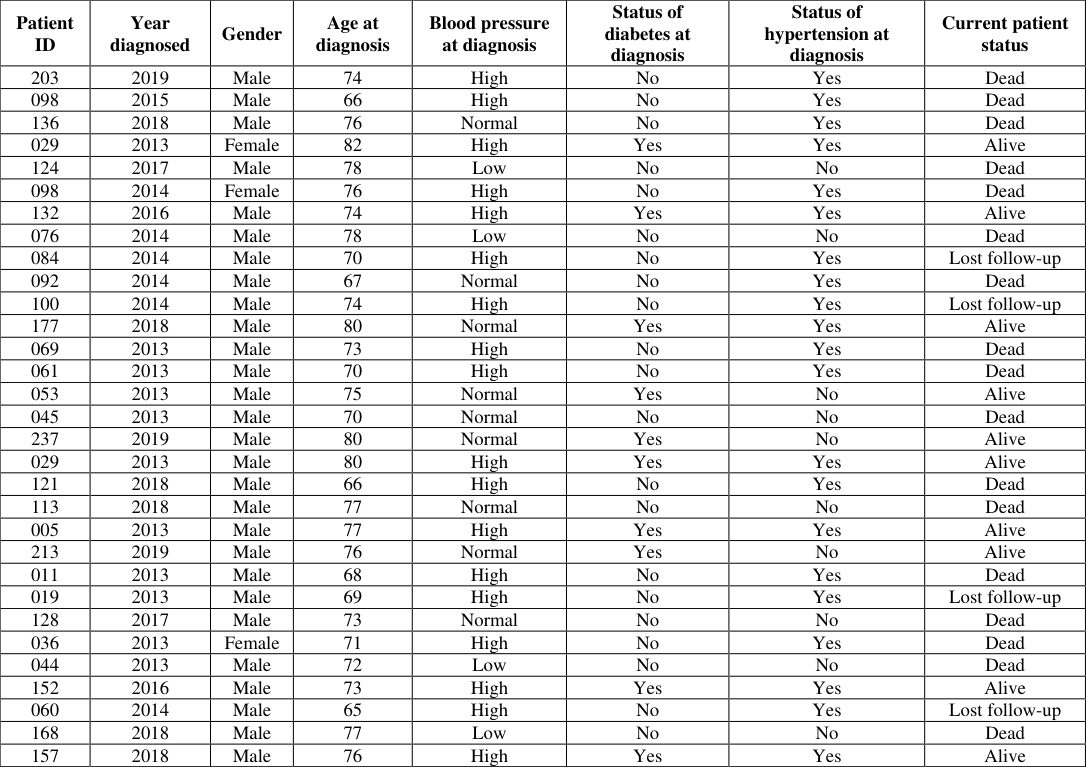 Table 1
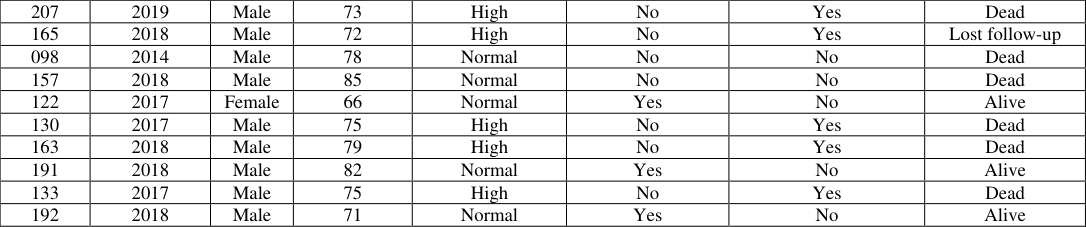 Table 2
 Table 2
 Table 3
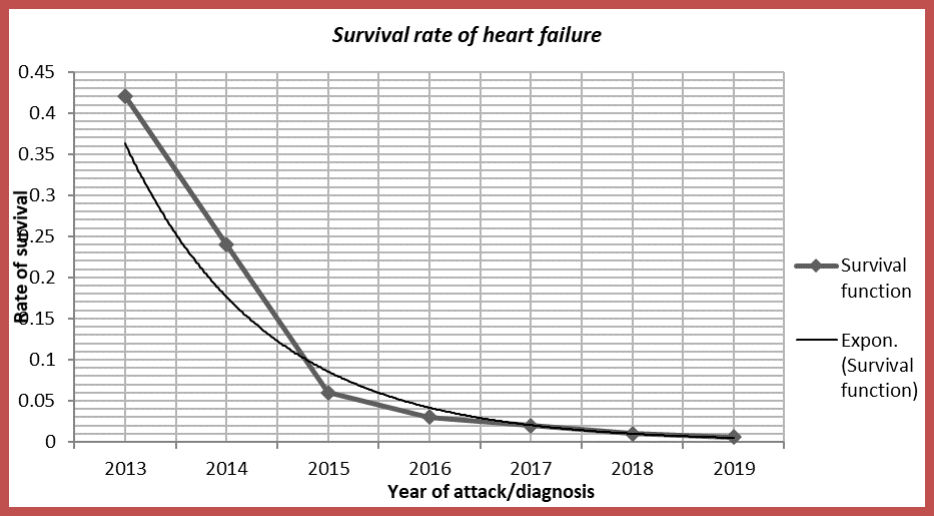 Figure 1
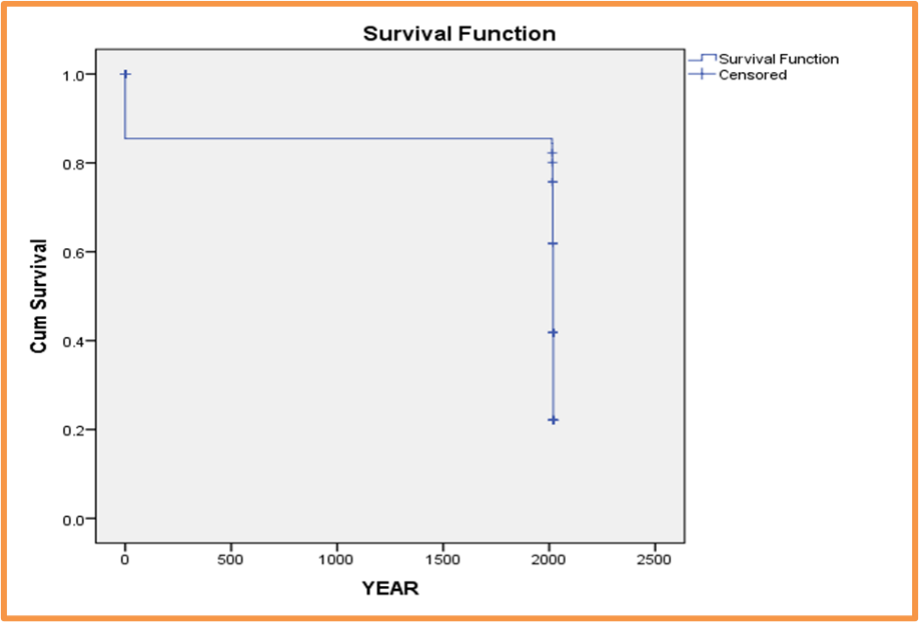 Figure 2
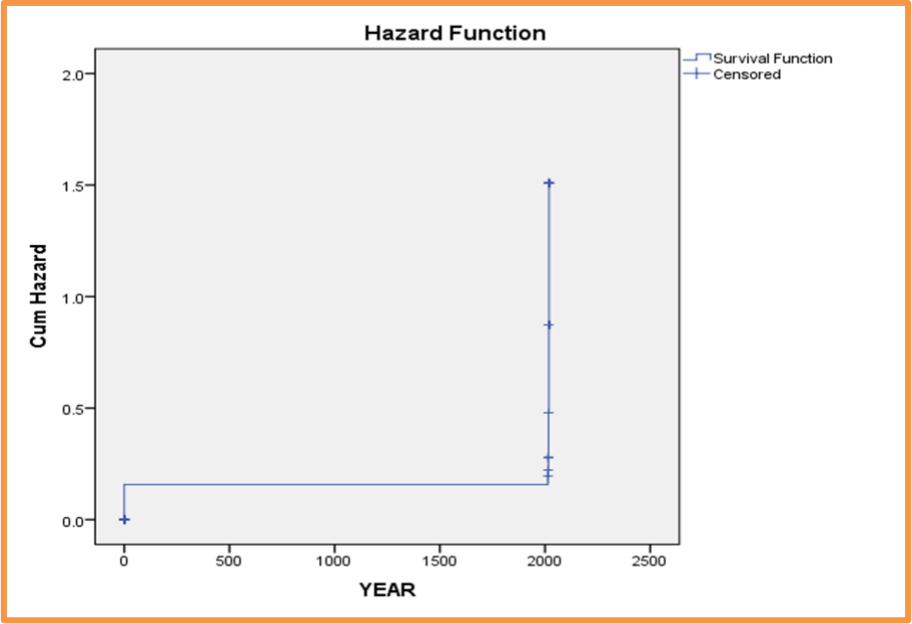 Figure 3
 Table 5
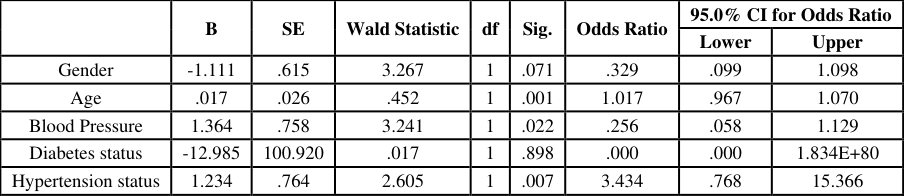 Table 6
Introduction
Congestive cardiac failure emerged as a major public health concern globally which imposes escalating burden on human existence and medical science. This situation occurs when an individual's heart muscle doesn't pump blood as well as it should under certain conditions, such as narrowed arteries (Coronary Artery Disease) or high blood pressure which gradually leave the heart too weak or stiff to fill and pump blood efficiently. According to Sola and Obinna (2016) [17] in Vanguard Newspaper reported on 30th September 2016 on World Heart Day: the increase in the reported cases (confirmed and suspected cases) of cardiac arrests, heart attacks, strokes and other heart-related disorders came into sharp focus in recent health profiles. Heart disorders are making a steady and deadly rise in Nigeria: therefore, the rationale for this paper. Based on the recurrent issues posed by heart failure in the society, it is foreseeable that the burden caused will become heavier in the near future. Jianwei et al. (2018) [10] described heart disorder as a syndrome with symptoms and signs caused by cardiac dysfunction resulting to death and reduced longevity. It is added that the prevalence of heart failure in Western Countries is 1% -2% of the adult population, and 5 -10 per 1000 population per year respectively. In the view of Taylor et al. (2019) [20] , explained heart failure as a common and costly clinical syndrome, however could be controlled and managed effectively. In addition, an increase in cardiovascular risk factors, survival from ischemic heart disease, and ageing population have contributed to a sustained increase in prevalence. In Savarese (2017) [15] it is one of the principal cause of death and disability around the globe, and advancement in age is also a distinct predictor of in-hospital mortality and complications. The prevalence and incidence of heart failure is predicted to continue to rise as the population ages. The economic burden attributable to heart failure is also predicted to be high particularly given the chronic nature of heart failure and the high risk of hospitalization. Lesyuk et al. (2018) [11] found that in the United States, increasing efforts have been made to reduce the 30-day readmission rate, and hospitals with a high readmission ratio is faced with substantial financial penalties from the Centers for Medicare and Medical Services. It would therefore be of benefit to healthcare providers and payers to be able to stratify patients based on risk of future outcomes so as to optimize treatment strategies across patients with different needs. Cardiovascular diseases are the main cause of morbidity and mortality, with heart failure as the most common cause of hospitalizations and morbidity-mortality in the ageing population Fini (2018) [6] . Several pathological conditions precede heart failure, such as arterial hypertension, dyslipidemias and myocardial infarction, which are not controlled from an epidemiological point of view; therefore, these explain the increased incidence of heart failure. Therefore, this paper is geared towards analyzing the factors associated with the risk of survival period of heart failure attack on patients. Various previous studies have examined the prevalence of the health problem and possible associations. This study seeks to evaluate the factors responsible for determining time of patients surviving heart failure in the society. Benatar et al. (2017) [2] compared outcomes of patients whose home health was provided by tele-management with outcomes based upon home visits. The outcomes evaluated included heart failure readmissions, length of stay, heart failure hospitalization charges, and pre-intervention and post intervention quality of life measurements. Finn et al. (2016) evaluated the contribution of age to the survival of heart failure and reported that most of the studies were of moderate size and included selected groups of patients enrolled in randomized clinical trials, or patients referred for cardiac transplantation. They added that all humans lose some bloodpumping ability in their hearts as they grow old, but heart failure results from added stress of health conditions that either damage the heart or make it work too hard. The lifestyle factors that increase the risk of heart attack and stroke are: smoking, overweight, eating foods high in fat and cholesterol and physical inactivity. Many patients were really followed up for a mean of about 307 days and about 1467 calls were made where the sum of 124 cardiovascular cases were recorded and enhancement to therapy were suggested in response to 119 calls. Hospital admissions suggestions were made for 13 patients. Further, there were investigations for 7 patients and a consultation with the patient's general practitioner for 13 patients. However, there was no action taken after 1330 calls. In 63 patients receiving beta-blocker carvedilol, the mean dosage increased from 36 to 42 mg but in the previous year there were 1.8 hospitalizations per patient, while in the follow-up period, there were about 0.2 hospitalizations per patient, Scalvini et al. (2005) [16] . Among the common causes of heart attack is coronary artery disease. This is an anomaly that causes narrowing of the arteries which convey blood and oxygen to the heart. However, there are other conditions that may increase the risk of developing heart attack which include: cardiomyopathy, a disorder of the heart muscle that causes the heart to become weak, congenital heart defect, heart attack and heart valve disease. Again, some kinds of arrhythmias, or irregular heart rhythms, high blood pressure, emphysema, a disease of the lung, diabetes, overactive or underactive thyroid are not left out. Severe forms of anemia, some cancer treatments, such as chemotherapy and drug or alcohol misuse are dangers, Sullivan (2019) [18] .
Mayo Clinic (2020) [12] opined that heart failure often arises after other conditions have damaged or weakened in the heart. In fact, the heart doesn't need to be weakened to cause heart failure but this can occur if the heart becomes too stiff. Here, the major pumping chambers of the heart (the ventricles) may become stiff and not fill properly between beats. In some cases, the heart muscles may be damaged and weakened, and the ventricles deformed (dilate) to the point that the heart cannot pump blood efficiently through the entire body. Wilber (2019) [21] discovered and recommended that victims who experience any of the symptoms associated with heart failure, even if it is mild, should quickly consult a doctor. Once an individual is medically diagnosed, it's important to keep track of symptoms and report any sudden changes as soon as possible. Some of the signs of heart failure include: breathlessness or shortness of breath (Dyspnea), that is when the heart begins to fail and blood backs up in the veins attempting to carry oxygenated blood from the lungs to the heart. As fluid pools in the lungs, it goes to interfere with normal breathing. In turn, victim may experience breathlessness during exercise or other activities. As the condition worsens, shortness of breath may occur when even at rest or asleep. These periods of breathlessness may leave victim feeling exhausted and anxious. Besides, fatigue is another sign. As the case becomes more severe, the heart will be unable to pump the amount of blood required to meet all of the body's needs. Therefore, to compensate, blood is diverted away from less-crucial areas, including the arms and legs, to supply the heart and brain thereby leading to weaknesses (especially in their arms and legs), tiredness and difficulty performing ordinary activities such as walking, climbing stairs or carrying groceries. Chronic Cough or Wheezing is a bad signal where fluid buildup in the lungs may result in a persistent cough or wheezing. This may produce phlegm (a thick, mucous-like substance) that may be tinged with blood. Others are rapid or irregular heartbeat: the heart may speed up to compensate for its failing ability to adequately pump blood throughout the body. Here, victims might feel fluttering in the heart (palpitations) or a heartbeat that seems irregular or out of rhythm. This is described as a pounding or racing sensation in the chest. Lack of appetite is also experienced, where the liver and digestive system become congested and fail to receive a normal supply of blood. This can make you feel nauseous or full, even if you haven't eaten. In Reeva and Spinet (2017) [14] it is stated that heart failure is a chronic disease needing lifelong management. However, with treatment, signs and symptoms of heart failure can improve, and the heart sometimes becomes stronger. Treatment may go a long way helping patients to live longer and reduce their chances of sudden death. Medical scientists sometimes can correct heart failure by treating the underlying cause(s). But for most people, the treatment of heart failure involves a balance of the right medications while in some cases, the use of devices help the heart beat and contract properly. Eduia (2019) [4] outlined two medication processes for maintaining the condition of heart failure among individuals. The medications are outlined below: Angiotensin-converting enzyme (ACE) inhibitors. These drugs help people with systolic heart failure live longer and feel better. ACE inhibitors are a type of vasodilator, drug that widens blood vessels to lower blood pressure, improve blood flow and decrease the workload on the heart. Examples include Enalapril (Vasotec), lisinopril (Zestril) and captopril (Capoten). Another one is Angiotensin II receptor blockers, this drugs include: losartan (Cozaar) and valsartan (Diovan).
They have many benefits as ACE inhibitors. They are alternative for people who can't tolerate ACE inhibitors. Therefore, it is paramount to discuss the influencing factors of the survival time of patients with heart failure. Hence, survival analysis generally deals with a set of methods for analyzing data where the outcome variable is the time until the occurrence of an event of interest. This event can be death, occurrence of a disease, marriage, divorce, etc. In fact, according to Taimur (2019) [19] , survival analysis is used to estimate the lifespan of a particular population under examination. It is also called Time to Event Analysis. The goal is to estimate the time for an individual or a group of individuals to experience an event of interest. Again, Rach (2018) [13] detailed that in survival analysis, we do not need the exact starting points and ending points while Gepp and Kumar (2008) [8] used the survival analysis technique to provide business failure process through the interpretation of the hazard and survival function over time. The Cox regression model was used to interpret and assess the significance of variables that contribute to business failure. Xie and Giles (2007) [2] modelled the length of time that it takes for a patent application to be granted by the U.S. Patent and Trademark Office using two major survival analysis techniques namely the nonparametric Kaplan-Meier and parametric accelerated failure time models. Belloti and Crook (2009) [1] discovered that survival analysis was more effective in predicting defaults than logistic regression. Furthermore, Doghonadze (2012) [3] discussed the determinants of survival of a sample of the Georgian firms on a particular export markets and Janot (2016) [9] compared survival models with other models and revealed that, the model estimated by analysis of survival obtained a better result in classifying a bank as a solvent or insolvent at a time frame of six months prior to bankruptcy.
Material and Methods
Material and Methods
Design and setting
This study employed a descriptive design for the research goal. The research setting was focused on the Warri metropolis, Delta State considering some patients with reported cases of heart failure in the region as the population under study. The purposive method of sampling was adopted to select the group of individual with similar characteristics, that is, those having heart attack disease were sampled for this study from a particular specialist hospital in the region from the period of 2013 -2019.
Data Collection
The paper employed the use of primary care records linked to inpatient, outpatient and mortality data, to report the short term, mid-term, and long term survival rates of people with heart failure in the region to examine the trends over time by year of diagnosis, hospital admission around the time of diagnosis, and socioeconomic group. The Out-Patient Department (OPD) register together with the In-Patient Department (IPD) register was reviewed. Other relevant data needed for the study was obtained; hence the source of data used was secondary in nature.
Statistical Model Specification
Two distinct and meaningful models of the survival analysis were employed to describe the incidence of heart failure in the population and to estimate the relevant predictors of the survival of heart failure. This include both the Kaplan Meier and the Cox regression model.
Kaplan-Meier Estimator (KM)
The Kaplan-Meier estimator known as the product limit estimator, is a non-parametric statistic used to estimate the survival function from lifetime data. In medical research, it is often used to measure the fraction of patients living for a certain amount of time after treatment.
For the first period, Survival function for the first period = 1 -number of event total number of patients (1) for second time and above is given by
2.3.2
The SPSS Approach for estimation follows the algorithm Input the dataset Code the string variables as binary (0 and 1) Click on analyze Select Kaplan-Meier A dialogue box will pop up to fill up Drag the age, diabetes status, hypertension status, blood pressure and gender of patients into factor, outcome (dead or still alive) into the status and drag the months or duration of treatment into the box for time. Select define under the status and select the single value and input "1" as event of being alive as coded in the outcome above. Click on continue Select option, and check on survival table and survival plot and select continue Click on "Ok"
Cox Regression (PH)
The Cox Proportional Hazards Model (Cox regression model) is used to analyze the effect of several risk factors (covariates) on survival. The ordinary multiple regression models are not appropriate because of the presence of censored data and the fact that survival times are often highly skewed. This function fits Cox's proportional hazards model for survival-time (timeto-event) outcomes on one or more predictors. Cox regression (or proportional hazards regression) is a method for investigating the effect of several variables upon the time a specified event takes to happen. In the context of an outcome such as death. Assuming n individuals under observation, the Cox proportional hazard model is of the form below
Where x i (x i1 , x i2 ,…,x ik ) = vector covariate values for individual i, β = (β 1 , β 2 ,… β k ) 1 is the vector of regression coefficients, λ i (t) = hazard function of individual i and λ 0 (t) = baseline hazard.
The baseline hazard corresponds to an observation with x i = 0.
The effect of the covariates on the hazard function in the Cox proportional hazard model does not depend on time because the ratio 𝜆 𝑖 (𝑡) 𝜆 0 (𝑡) = c i consequently, the baseline hazard determines the shape of the hazard function.
The ratio of the hazard functions of individuals i and j, 𝜆 𝑖 (𝑡) 𝜆 𝑗 (𝑡) = hazard ratio. = 𝑒 (𝑥 𝑖 -𝑥 𝑗 ) 1 𝛽 (4)
The hazard ratio is the ratio of covariates effects for both individuals and is independent of time. This is called the proportional hazards assumption. The interpretation of the hazard ratio is similar to the odds ratio interpretation for logistic regression. A hazard ratio that is however less than one indicates a decreased risk, whereas a ratio greater than one signals increased risk. Supposed that the vectors of covariates x i and x j differ only in the value of the p-th covariate and only for one unit, the hazard ratio is
It measures the change of the hazard function for a unit change in the p-th covariate (if the covariate is a numerical variable). The hazard ratio is said to be statistically significant at the given level, when its confidence interval excludes 1. In this case, the null hypothesis that the variable is not related to the survival can be rejected. This is the basis for the interpretation of the Cox regression results. In Cox's partial likelihood estimator, it is possible to estimate the parameter vector β without specifying and estimating the baseline
The standard Cox regression model is represented as
is the hazard ratio which indicates a covariate that is positively related with event probability and thus negatively associated with length of survival.
Data Presentation and Analysis 3.1 Data Presentation
The data is presented in table (1) below for detailed analysis with the methods specified above.
Data Analysis
Using the non-parametric survival function analysis of patients diagnosed of heart failure, result is presented below as: The result presented explains that over the period studied in the disease episodes of heart failure, 53.6% of the patients diagnosed with heart failure incident happen to have died leaving only 46.4% alive and current status unknown due to adequate follow-up and shift in method of medication (medical to traditional movement). With this result coupled with the result in table 3, it is clear about the survival of the disease with cases of death episodes leading. Figure 1 is a graphical representation of the results depicted in table 2 which shows a huge decline in the rate of surviving the attack heart failure among individuals. It is observed that there is a sparse variation between year 2013 and 2015. This situation suggests that within these years, more individuals lost the ability of surviving grossly and from the period of 2015 to 2019, there is a clustered evenly spread rate of survival at the base and nearly to not surviving the attack at all (i.e., the rate of surviving is tending/approaching 0). Figure 2 used the Kaplan Meier estimator approach of determining the possibility of the individuals in the group under study surviving the disease episode. The result as depicted in the graph indicates that in the initial state of attack, patients have high probabilities of surviving, that is at time t = 0. However, an increase in the time of attack will produce an increased drop in the rate of surviving, that is at time t =2000 and above. From the year 2000, the tendency of the attacked patients surviving becomes grossly poor.
| Total N | Event of Death | — | Alive/Censored | — |
|---|---|---|---|---|
| N | Percent | N | Percent | |
| 110 | 59 | 53.6% | 51 | 46.4% |
Table text extracted from the original PDF; superscript letters are shown inline. The original table image is below.
View original table image
| Year | Number of subjects | Failure/event (death during the treatment period) | Net lost/censored | Survival rate |
|---|---|---|---|---|
| 2013 | 12 | 7 | 2 | 0.42 |
| 2014 | 9 | 4 | 2 | 0.24 |
| 2015 | 4 | 3 | 0 | 0.06 |
| 2016 | 9 | 5 | 1 | 0.03 |
| 2017 | 25 | 11 | 3 | 0.02 |
| 2018 | 31 | 13 | 3 | 0.01 |
| 2019 | 20 | 9 | 2 | 0.006 |
Table text extracted from the original PDF; superscript letters are shown inline. The original table image is below.
View original table image
| 207 | 2019 | Male | 73 | High | No | Yes | Dead |
|---|---|---|---|---|---|---|---|
| 165 | 2018 | Male | 72 | High | No | Yes | Lost follow-up |
| 098 | 2014 | Male | 78 | Normal | No | No | Dead |
| 157 | 2018 | Male | 85 | Normal | No | No | Dead |
| 122 | 2017 | Female | 66 | Normal | Yes | No | Alive |
| 130 | 2017 | Male | 75 | High | No | Yes | Dead |
| 163 | 2018 | Male | 79 | High | No | Yes | Dead |
| 191 | 2018 | Male | 82 | Normal | Yes | No | Alive |
| 133 | 2017 | Male | 75 | High | No | Yes | Dead |
| 192 | 2018 | Male | 71 | Normal | Yes | No | Alive |
Table text extracted from the original PDF; superscript letters are shown inline. The original table image is below.
View original table image
Nevertheless, the outcome in figure 3 is an inverse of figure 2. Figure 3 describes how the patients' risk of attack moved from lower odds to higher odds of being at risk of attack of heart failure. With the initial time of attack, patients can be described as being free from risk (t = 0) but as time increases, the rate of patients being at risk of death grows stronger (t = 2000+ is approaching 1.5 times the risk of initial time of attack). Upon fitting a cox regression model to aid the explanation of the factors determining the higher odds of patients' surviving the attack of heart failure, the result of table 5 is meant to provide the aptness or statistical significance of the estimated model using the Chi-square goodness of fit. The result provided that with α = 0.05 used in the test and the resulting p-value from the test as 0.000 using the comparison of the pvalue and α-level, since α > p-value, it can be concluded that the estimated Cox regression model is statistically significant. This table above yields the parameter estimate for the factors examined as potential factors determining the survival of heart failure attack as well as the odds ratio.
| -2 Log Likelihood | Overall (score) | — | — | Change From Previous Step | — | — |
|---|---|---|---|---|---|---|
| Chi-square | df | Sig. | Chi-square | df | Sig. | |
| 426.002 | 34.203 | 5 | .000 | 53.499 | 5 | .000 |
Table text extracted from the original PDF; superscript letters are shown inline. The original table image is below.
View original table image
Discussion of Result
Analysis revealed that the gender of patents has no statistical implication in contributing to the survival time of heart failure attack among individuals. The implication is that being a male or female does not determine the time or period a patient would survive heart failure incidence. This result is notable using the p-value of 0.071, since α < p-value, which means that this factor is not a significant factor to be used for predicting heart failure survival. Also, the outcome indicated that age contributes significantly to the survival of heart failure among patients, since α (0.05) > p-value (0.001) which shows that this variable is significant. Thus, the age of patients has the potency of increasing the chances of not surviving as age increases with about 0.017 units. So, the odds ratio of a patient not surviving as age increases is about 1.017 times the odd ratio of them not surviving as age decreases; therefore, older patients attacked by heart failure are more likely not to survive the attack. Furthermore, evaluating the status of patients' blood pressure at the point of diagnosing heart failure reported to be insignificant in determining how long a patient could survive the attack because since α (0.05) < p-value (0.022) indicating that the variable is not dependable in this situation. Then, the initial blood pressure of the patients at the initial point of diagnosis has no relationship with the tendency of the patient period of surviving the attack. The patient's status of diabetes revealed not having any significant influence on the survival time of patients with heart failure. This result was as a result of α (0.05) < p-value (0.898) implying that the variable is not statistically relevant in predicting the model outcome. In essence, it explains that diabetic status of patients with heart failure has no explanation to the survival of the patients. Finally, analysis uncover that the patients that are hypertensive tend to contribute more to the risk of not surviving the attack of heart failure. The hypertension status of patients is statistically significant since α (0.05) > p-value (0.007) that is, the patients with hypertension contribute about 1.234 units in the occasion of not surviving heart failure attack among patients. Also, result indicated that the odds ratio of hypertensive patients not surviving heart failure attack is 3.434 times the odds of non-hypertensive patients not surviving the attack. More precisely, the result showed that if a heart failure patient is hypertensive, there are less chances of survival.
Summary and Conclusion
The prevalence and incidence of heart failure is predicted to continue to rise as the population ages, and the economic burden attributable to heart failure is predicted to be high particularly given the chronic nature of heart failure and the high risk of hospitalization. Investigation revealed that the tendency of heart attacked patients surviving is grossly poor and shows no improvements in survival rates over time therefore it is frightening. Interestingly, significant factors associated with patient's survival includes: the age of the patient, level of blood pressure and the presence of hypertension in patients. The odds of younger patients surviving is far higher than the elderly. Non hypertensive patients have higher surviving ability than the hypertensive. In recommendation, patients diagnosed early with the symptoms or existing heart failure should be encouraged to take on hospital admission since it is likely to yield longevity more.
Figures and tables from the paper
| Patient ID | Year diagnosed | Gender | Age at diagnosis | Blood pressure at diagnosis | Status of diabetes at diagnosis | Status of hypertension at diagnosis | Current patient status |
|---|---|---|---|---|---|---|---|
| 203 | 2019 | Male | 74 | High | No | Yes | Dead |
| 098 | 2015 | Male | 66 | High | No | Yes | Dead |
| 136 | 2018 | Male | 76 | Normal | No | Yes | Dead |
| 029 | 2013 | Female | 82 | High | Yes | Yes | Alive |
| 124 | 2017 | Male | 78 | Low | No | No | Dead |
| 098 | 2014 | Female | 76 | High | No | Yes | Dead |
| 132 | 2016 | Male | 74 | High | Yes | Yes | Alive |
| 076 | 2014 | Male | 78 | Low | No | No | Dead |
| 084 | 2014 | Male | 70 | High | No | Yes | Lost follow-up |
| 092 | 2014 | Male | 67 | Normal | No | Yes | Dead |
| 100 | 2014 | Male | 74 | High | No | Yes | Lost follow-up |
| 177 | 2018 | Male | 80 | Normal | Yes | Yes | Alive |
| 069 | 2013 | Male | 73 | High | No | Yes | Dead |
| 061 | 2013 | Male | 70 | High | No | Yes | Dead |
| 053 | 2013 | Male | 75 | Normal | Yes | No | Alive |
| 045 | 2013 | Male | 70 | Normal | No | No | Dead |
| 237 | 2019 | Male | 80 | Normal | Yes | No | Alive |
| 029 | 2013 | Male | 80 | High | Yes | Yes | Alive |
| 121 | 2018 | Male | 66 | High | No | Yes | Dead |
| 113 | 2018 | Male | 77 | Normal | No | No | Dead |
| 005 | 2013 | Male | 77 | High | Yes | Yes | Alive |
| 213 | 2019 | Male | 76 | Normal | Yes | No | Alive |
| 011 | 2013 | Male | 68 | High | No | Yes | Dead |
| 019 | 2013 | Male | 69 | High | No | Yes | Lost follow-up |
| 128 | 2017 | Male | 73 | Normal | No | No | Dead |
| 036 | 2013 | Female | 71 | High | No | Yes | Dead |
| 044 | 2013 | Male | 72 | Low | No | No | Dead |
| 152 | 2016 | Male | 73 | High | Yes | Yes | Alive |
| 060 | 2014 | Male | 65 | High | No | Yes | Lost follow-up |
| 168 | 2018 | Male | 77 | Low | No | No | Dead |
| 157 | 2018 | Male | 76 | High | Yes | Yes | Alive |
Table text extracted from the original PDF; superscript letters are shown inline. The original table image is below.
View original table image
| — | B | SE | Wald Statistic | df | Sig. | Odds Ratio | 95.0% CI for Odds Ratio | — |
|---|---|---|---|---|---|---|---|---|
| Lower | Upper | |||||||
| Gender | -1.111 | .615 | 3.267 | 1 | .071 | .329 | .099 | 1.098 |
| Age | .017 | .026 | .452 | 1 | .001 | 1.017 | .967 | 1.070 |
| Blood Pressure | 1.364 | .758 | 3.241 | 1 | .022 | .256 | .058 | 1.129 |
| Diabetes status | -12.985 | 100.920 | .017 | 1 | .898 | .000 | .000 | 1.834E+80 |
| Hypertension status | 1.234 | .764 | 2.605 | 1 | .007 | 3.434 | .768 | 15.366 |
Table text extracted from the original PDF; superscript letters are shown inline. The original table image is below.
View original table image
References
22 in the original paper- Belloti T, Crook J. Credit Scoring with Macroeconomic Variables Using Survival Analysis. Journal of the Operational Research Society. 2009; 60:1699-1707.
- Benatar D, Bondmass M, Jaime G, Boaz A. Outcomes of Chronic Heart Failure. Archive of Internal Medicine. 2017; 10:347-352.
- Doghonadze N. Survival Analysis of Export SpellsEmpirical Evidence from Georgia. Master's Degree Thesis. International School of Economics at Tbilisi State University (ISET), 2012.
- Eduia G. Prognostic Burden of Heart Failure Recorded in Primary Care, Acute Hospital Admissions, or both: A Population-based linked Electronic Health Record Cohort study in 2.1 Million People. Eur J Heart Fail. 2017; 19:1119-27
- Finn J, Hobbs M, Hung J. Heart Failure: Incidence, Case Fatality, and Hospitalization Rates in Western Australia between 1990 and 2005. Circulatory Heart Failure. 2010; 3:236-243
- Fini M. Improves left ventricular function in diabetic patients with coronary artery Disease: A Double-blind Placebo-Controlled Study. Cardiovascular Diabetology. 2018; 2:16.
- Finn J, Hobbs M, Hung J. Heart failure Incidence Case Fatality and Hospitalization Rates in Western Australia between 1990 and 2005. Circulatory Heart Failure, 2010, 2018; 3:236-243.
- Gepp A, Kumar K. The Role of Survival Analysis in Financial Distress Prediction. International Research Journal of Finance and Economics. 2008; 16(16):13-34.
- Janot M. Modelos de previsao de insolvencia bancaria no Brasil. Trabalhos para Discussao n.13 Brasilia: Banco Central do Brasil, 2001, 1-41.
- Jianwei S, Xiyuan Q, Tong R. Analysis of Influencing Factors on Survival Time of Patients with Heart Failure, Open Journal of Statistics. 2018; 8:651-659.
- Lesyuk K, Solomon SD, Anavekar N, Skali H. Candesartan in Heart Failure Reduction in Mortality (CHARM) Investigators. Influence of Ejection Fraction on Cardiovascular Outcomes in a Broad Spectrum of Heart Failure Patients. Circulation. 2018; 112(24):37383744.
- Mayo C. Heart Failure Syndrome, Retrieved on 9/03/20202 from https://www.mayoclinic.org/diseasesconditions/heart-failure355, 2020.
- Rach K. Diagnosis and Evaluation of Heart Failure. American Family Physician. 2018; 85:12.
- Reeva H, Spinet HJ. Heart Failure in Sub-Saharan Africa: A Literature Review with Emphasis on Individuals with Diabetes. Vasc Health Risk Manag. 2017; 4:123-130
- Savarese D. The Causes, Treatment, and Outcome of Acute Heart Failure in 1006 Africans, 2017.
- Scalvini K, Furie OU, James I, Baher H, Murphy K. Mortality Reduction Factors Incorporating Cohort Effects. Actuarial Research Paper, No. 160. Cass Business School, 2005.
- Sola O, Obinna C. World Heart Day: More Nigerians coming down with Heart Failure, Vanguard Newspaper, 2016. https://www.vanguardngr.com/2016/09/worldheart-day-nigerians-coming-heart-failure.
- Sullivan FM. The Accuracy of Symptoms, Signs and Diagnostic Tests in the Diagnosis of left Ventricular Dysfunction in Primary Care: A Diagnostic Accuracy Systematic Review. BMC Fam Pract. 2019; 9:56
- Taimur Z. An Introduction to the Concepts of Survival Analysis and its Implementation in Lifelines Package for Python. 2019 Available at https://towardsdatascience.com/survival-analysis-part-a70213df21c2e
- Taylor CJ, José MO, Andrea KR, Lay-Flurrie S, Nicholas RJ, Tom MFD et al. Trends in Survival after a Diagnosis of Heart Failure in the United Kingdom 2000-2017, Population Based Cohort Study. BMJ, 2019; 364:l223
- Wilber U. The Excite Trial: Retention of Improved Upper Extremity Function Among Stroke Survivors Receiving CI Movement Therapy. Lancet Neurological Journal. 2019; 7:33-40.
- Xie Y, Giles DE. A Survival Analysis of the Approval of U.S Patent Applications. Econometrics Working Paper EWP0707. Department of Economics, University of Victoria, 2007.