
Research article · 2020 · Full text
International Journal of Geography Geology and EnvironmentTo consider the connection between ‘the climate alter and the environment law’
Volume 2(2) · Pages 40–44
Research areasTransboundary Water Resource Management
Abstract
Author-writtenThe essential reason for the climate alters in India is Worldwide Warming. The reason for the worldwide warming is the impact of nursery gasses like Carbon Dioxide, Methane and Nitrogen Dioxide within the environment. At show so numerous open utilizing the electrical merchandise for different offices like Discuss Conditions, Fridges etc. The utilization of vehicles is quickly expanding. Climate alter is no more an environmental concern. Environmental law could be a collective term portraying the organize of arrangements, statutes, controls, common and standard laws addressing the impacts of human movement on the characteristic Environment. India isn't only the nation safe from the effect of worldwide warming and climate alter additionally there are a few nations like this. Creating nations like India, Bangladesh etc. are the foremost powerless to climate alter impacts since they have fewer assets to alter socially, mechanically and financially.
Summary
Source-checkedPlain-language reading of the full paper, prepared with AI and checked against the text. Each point links to the authors' own words.
Why it matters
- Global warming, driven by greenhouse gases such as carbon dioxide, methane, and nitrogen dioxide, is the primary cause of climate changes in India. View evidence ↗
- Developing nations, including India and Bangladesh, are particularly vulnerable to climate change because they lack the social, technical, and economic resources to adapt. View evidence ↗
- Environmental law serves as a comprehensive framework of regulations and statutes designed to address the effects of human activity on the natural environment. View evidence ↗
The question
- The study aims to examine climate change over decades, identify the factors influencing it, and analyze the relationship between climate change and environmental law. View evidence ↗
What they did
- The research methodology relies on secondary data collected from various journals, articles, and newspapers. View evidence ↗
What they found
- In India, the Environment Security Act of 1986 serves as a primary representation of environmental law. View evidence ↗
- The Indian Constitution, under Article 51A, mandates that every citizen has a fundamental duty to protect and improve the natural environment. View evidence ↗
- Key Indian environmental legislations include the Water Act (1974), the Air Act (1981), the Environment Protection Act (1986), and the National Green Tribunal Act (2010). View evidence ↗
- In Libya, a significant environmental issue is the depletion of underground water due to agricultural overuse, leading to salinity and seawater intrusion. View evidence ↗
- As of 2001, Libya faced biodiversity loss with 11 mammal species, 2 bird species, and approximately 41 plant species classified as endangered. View evidence ↗
- Waste management laws, such as those in the U.S., distinguish between non-hazardous municipal waste and hazardous waste (e.g., used motor oil) to determine disposal methods. View evidence ↗
What it means
- The author concludes that achieving a sustainable future requires the removal of carbon from the energy sector by phasing out coal and increasing the use of renewables. View evidence ↗
- The author recommends global cooperation across all economic sectors to accelerate climate action and limit global warming to below 1.5°C. View evidence ↗
Visual summary
1 visualsIllustrations explain the paper; they do not show study data.
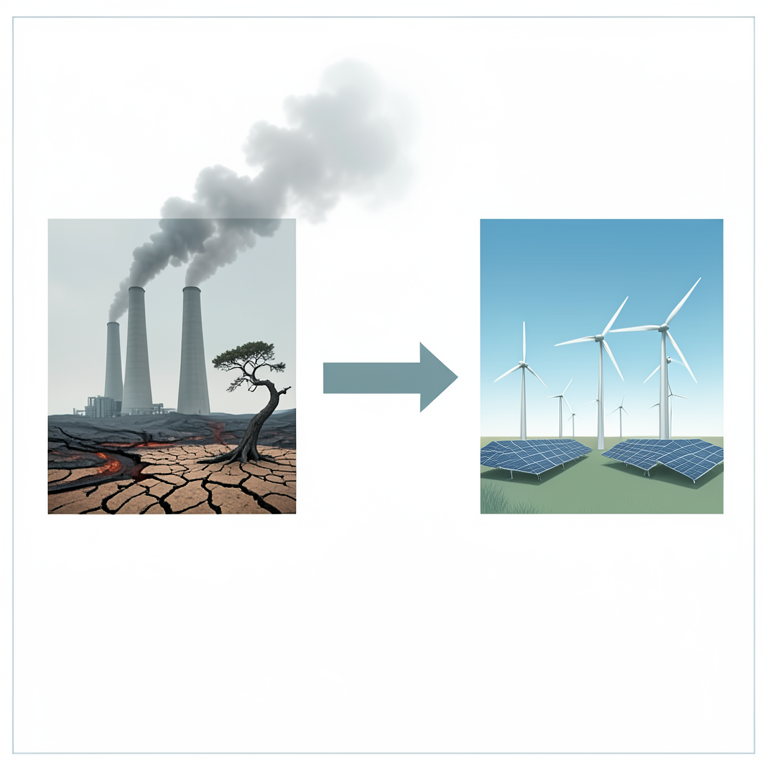
The Cycle of Climate Change and Mitigation
AI-generated conceptual illustration (Earth's atmosphere and renewable energy infrastructure). It explains the idea and does not show study data.
View source evidence ↗Figures & tables
From the original paper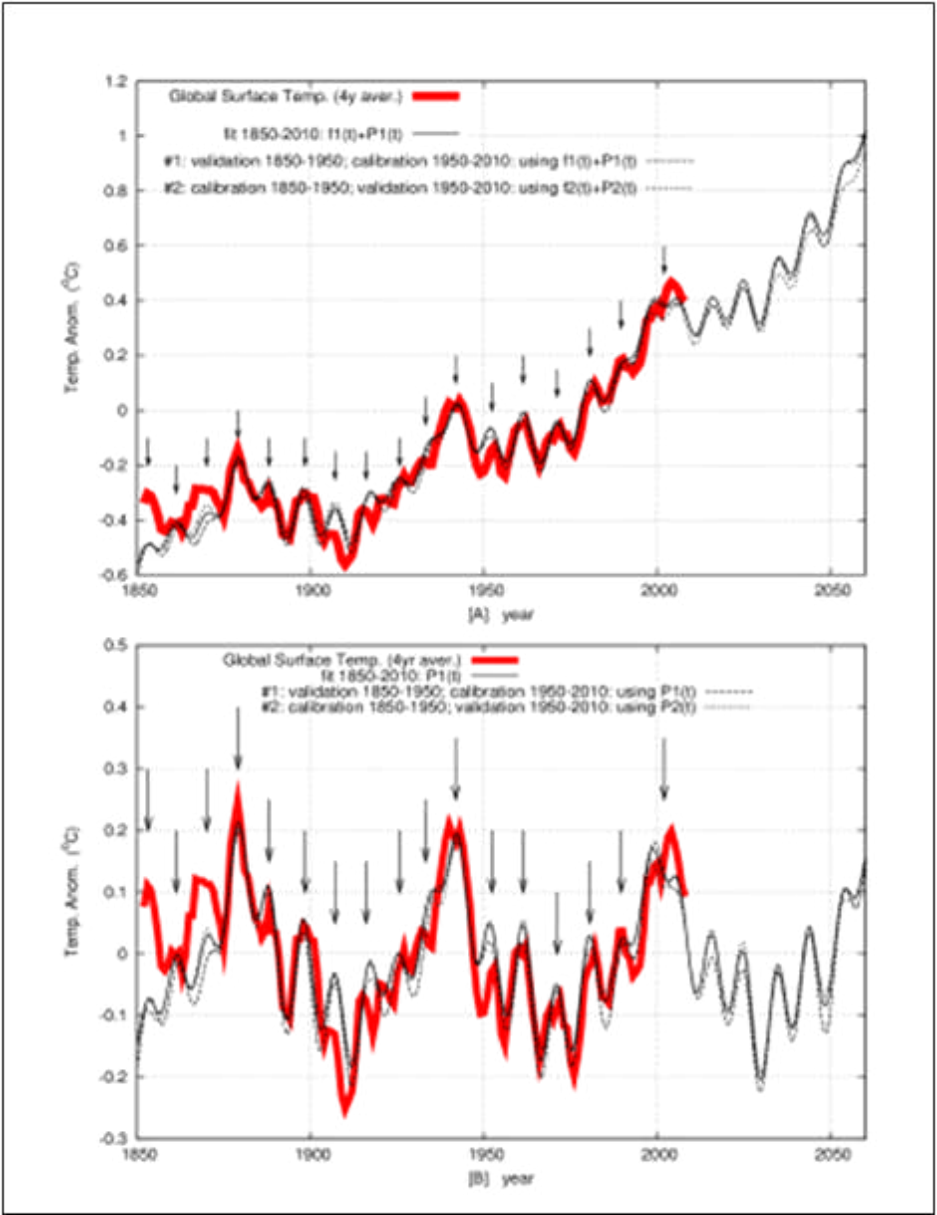 Figure 1
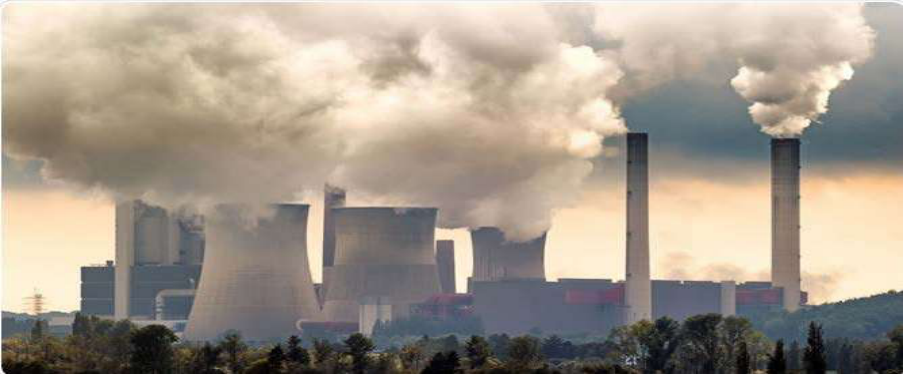 Figure 2
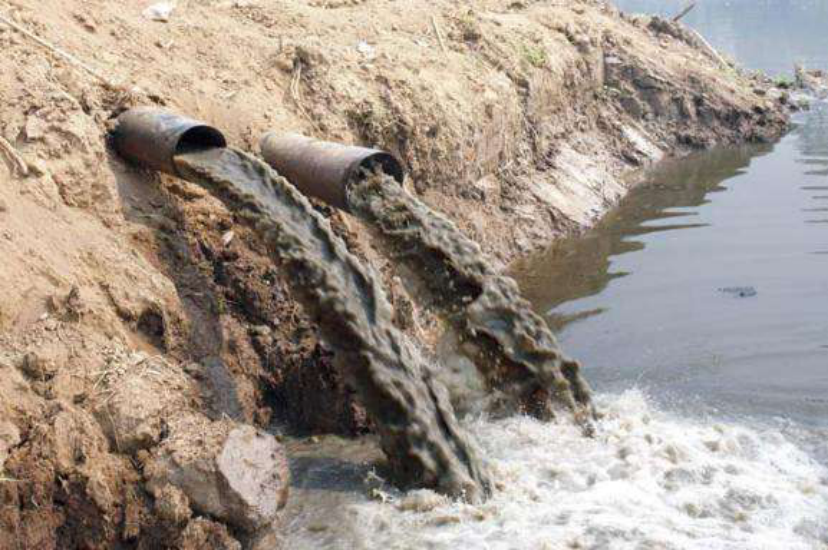 Figure 3
 Figure 4
 Figure 5
Introduction
The most characteristics of climate alter are increases in normal worldwide temperature (worldwide warming);changes in cloud cover and precipitation especially overland; dissolving of ice caps and icy masses and decreased snow cover; and increments in sea temperatures and ocean acidity -due to seawater retaining warm and carbon dioxide from the atmosphere [1] . In India, Natural law is represented by the Environment Security Act, 1986 [2] . Since 1900 the worldwide surface temperature of the Soil has risen by approximately 0.8oC (Figure1), and since the 70s by almost 0.5oC. This temperature increment happened amid significant barometrical concentration increment of a few nursery gasses, particularly carbon dioxide, nitrogen dioxide and methane, which is known to be basically due to human emissions. Industrialized nations have overseen to de-link sulfur dioxide emanations from economic growth. The more affluent a country's economy is higher is its fossil fuel utilization, coming about in higher nursery gas emissions. The wide category of "natural law" may be broken down into a number of more particular administrative subjects. A related but unmistakable set of administrative administrations, presently emphatically impacted by natural lawful standards, center on the administration of particular characteristic assets, such as timberlands, minerals, or fisheries.
Need and Importance of the study
To secure feasible future with less contamination for children, we back the pressing worldwide move to a ((0)) Carbon society supported by a bio-material based feasible economy. Giving a climate secure future guarantees numerous benefits nowadays such as cleaner discuss vitality security and economical employments, together with savvy stewardship of the planet's assets. The world's vitality frameworks are still ruled by fossil fills. A climate-safe future is only conceivable in case and in case as it was the control division should be completely decarbonizes by twenty forty. The world is quickly urbanizing, individuals moving from towns to cities. On the off chance that cities proceed to sprawl as they develop, citizens will be bolted into carbon and asset seriously lifestyles.
Objectives
Objectives
Methodology
The ponder is based on auxiliary sources of information. The most sources of information are different diaries, articles, newspapers.
Environmental Laws in Libya
A major environmental concern is the depletion of underground water as a result of overuse in agricultural developments, causing salinity and sea-water penetration into the coastal aquifers. The Great Manmade River Project, currently under development to transport water from large aquifers under the Sahara Desert to coastal cities, is the world's most extensive water supply project. Another significant environmental problem in Libya is water pollution. The combined impact of sewage, oil byproducts, and industrial waste threatens the nation's coast and the Mediterranean Sea generally. Libya has 0.8 cu km of renewable water resources with 87% used in farming activity and 4% for industrial purposes. Only about 68% of the people living in rural areas have pure drinking water. The nation's cities produce about0.6 million tons of solid waste per year. The desertification of existing fertile areas is being combated by the planting of trees as windbreaks. As of 2001, 11 of Libya's mammal species and 2 of its bird species were endangered. About 41 of its plant species were also endangered. Endangered species in Libya include the Mediterranean monk seal, the leopard, and the slenderhorned gazelle. The Bubal hartebeest and Sahara Oryx are extinct.
Various laws affecting the climate change are Air quality law
Air quality regulation must identify the substances and energies which qualify as "pollution" for purposes of further control. While specific labels vary from jurisdiction to jurisdiction, there is broad consensus among many governments regarding what constitutes air pollution. For example, the United States Clean Air Act identifies ozone, particulate matter, carbon monoxide, nitrogen oxides (NOx), sulfur dioxide (SO2), and lead (Pb) as "criteria" pollutants requiring nationwide regulation. EPA has also identified over 180 compounds it has classified as "hazardous" pollutants requiring strict control. Other compounds have been identified as air pollutants due to their adverse impact on the environment (e.g., CFCs as agents of ozone depletion), and on human health (e.g., asbestos in indoor air). A broader conception of air pollution may also incorporate noise, light, and radiation. The United States has recently seen controversy over whether carbon dioxide (CO2) and other greenhouse gases should be classified as air pollutants.
Main article: Air quality law Water quality law
Govern the release of pollutants into water resources, including surface water, ground water, and stored drinking water. Some water quality laws, such as drinking water regulations, may be designed solely with reference to human health. Many others, including restrictions on the alteration of the chemical, physical, radiological, and biological characteristics of water resources, may also reflect efforts to protect aquatic ecosystems more broadly. Regulatory efforts may include identifying and categorizing water pollutants, dictating acceptable pollutant concentrations in water resources, and limiting pollutant discharges from effluent sources. Regulatory areas include sewage treatment and disposal, industrial and agricultural waste water management, and control of surface runoff from construction sites and urban environments.
Waste Management Law
Waste determination is the process by which a particular material is classified as a "waste" subject to regulation. The question can become quite complicated, as for example determining whether some material is "hazardous waste" under the U.S. Resource Conservation and Recovery Act. Determination of whether a material constitutes a particular waste type may govern the manner in which the material must be handled from that point forward. For example, in the United States, non-hazardous municipal solid waste may be sent to a landfill, while used motor oil is deemed hazardous and cannot be dumped in landfills, but rather is subject to more stringent handling, storage, treatment, and disposal requirements. Many other wastes may have their own individual definitions and unique handling requirements. In each case a "waste stream" may be identified -waste is generated when a previously useful item is discarded or abandoned, and then may flow through various defined treatment, recycling, and storage areas before arriving at a final designated disposal sit.
Conclusion
To accomplish a solid and maintainable future for children, we need to require carbon out of the control segment by staging out coal and expanding the take-up of renewable worldwide. We moreover need to assist incline up decarburization procedures in energy-intensive businesses and bolster large-scale arrive reclamation endeavors. We work at city, sub-national, national and worldwide levels to attain these objectives. We must have a commitment to work with all financial components to speed up and scale up climate activity to attain the worldwide change required to keep worldwide warming underneath 1.50C. We are working to quicken advance by planning vitality frameworks for indeed higher rates of renewable infiltration, whereas halting the building of unused coal capacity and presenting carbon pricing. Industries-counting cement, steel and the petrochemicals division -are mindful for about one quarter of worldwide emanations. They must decarbonize as a matter of need. Unsustainable arrive utilize hones discharge carbon into the climate as timberlands and soils are harmed or crushed to meet worldwide request for nourishment, fiber and fuel.
Figures and tables from the paper
References
13 in the original paper- "The Environment (Protection) Act". Retrieved, 201508-27, envfor.nic.in, 1986.
- For example. The United Nations environment programme (UNEP) has identified eleven "emerging principles and concepts" in international environmental law, derived from the 1972 Stockholm Conference, the 1992 Rio Declaration, and more recent developments. UNEP, Training Manual on International Environmental Law.
- "The Indian wildlife (Protection) ACT". Retrieved 2015-08-27, envfor.nic.in, 1972.
- RhuksTemitope. "The Judicial Recognition and Enforcement of the Right to Environment: Differing Perspectives from Nigeria and India", NUJS Law Review January 2, 2015.
- Surendra Malik, Sudeep Malik. Supreme Court on environment law (Ed.) India EBC, ISBN: 9789351451914, 2015.
- Azzawi Abdel Rahman. Administrative licenses in the Algerian legislation letter of the Faculty of Law, University of Algeria, 2007.
- Mohammed Saeed Jafour. An Introduction to Legal Science (The Brief in the theory of law) Dar Humah for Printing, Publishing and Distribution, 2002;I(03):129.
- Gicquel Jean. Quality of Law (translation), Seminar on Legislative Industry under the Provisions of Good Governance, Waseet Magazine, Janafi. 2008;05:32.
- Salmian Mohammed Tamawi. Administrative judiciary, the first book, The elimination of abolition, the Arab Thought House. 1996;I(07):80.
- Bou Hamida Atallah. Legal Texts from Preparation to Implementation, University Publications, Algiers, 2008.
- Ben Sahel Ben Ali, Hamoudi Mohamed Ben Hashmin. Legal Framework for the Right to Initiate Laws in the Algerian Constitution of 1996 and Morocco for 2011, Journal of Politics and Law, University of Ouargla, 2016;08:168.
- Bujadi Omar. Jurisdiction of the Administrative Judiciary, Letter of Doctor, Law, Mouloud Mamari University, Faculty of Law, University Year 2010, 2011, 03.
- Mohammed SagirBaali. Council of State, Dar al-Uloum for publication and distribution, Algeria, 2004.