
Research article · 2019 · Full text
International Journal of Agriculture and Food ScienceA Study of food processing industries in India: With Respect to geographical condition, problems and solutions
Volume 1(4) · Pages 15–17 · DOI: 10.33545/2664844x.2019.v1.i4a.20 ↗
Research areasAgricultural Economics and Practices
Abstract
Author-writtenFood Processing Industry are important for making food affordable and preserving the food items for the common public. The Food items grown in the farm are to be processed by various methods and tools depending upon the type of food items. The success depends on various factors since if anything wrong or delay in decision the loss to the company is incurred. The top management should decide the policies such that the food processing is done in time and at right proportion in right way to get the best output. The authors have studied various factors which will ensure the success and minimize the loss. This can be attributed to the improving policy environment and increasing thrust on public-private partnership and improvement of rural infrastructure, to leverage India's strengths on the supply and demand frontiers for Food Processing companies. The world market arena suggest an untapped opportunity to capitalize on India's enormous raw material base and propel exports, they also indicate critical challenges to be trounced to sustain continual growth of the industry for the improvement of the Industry
Summary
Source-checkedPlain-language reading of the full paper, prepared with AI and checked against the text. Each point links to the authors' own words.
Why it matters
- The food processing industry is essential for ensuring that food remains affordable and preserved for the general public. View evidence ↗
- The Indian government has actively promoted the industry by providing subsidies and grants to encourage investment. View evidence ↗
- Government initiatives have focused on infrastructure, including Mega Food Parks, integrated cold chains, and modernized storage and quality control facilities. View evidence ↗
The question
- The study aims to identify the factors that contribute to the success of the food processing industry and those that lead to losses. View evidence ↗
What they did
- The research analyzes the Indian food processing industry specifically regarding its geographical conditions, existing problems, and potential solutions. View evidence ↗
What they found
- Supply-side issues, such as fragmented land holdings and high perishability, hinder the quality and distribution of raw materials for processing and export. View evidence ↗
- Inadequate cold chain infrastructure leads to the loss of more than 30% of produce at the farm gate. View evidence ↗
- The industry is heavily unorganized, with unorganized segments making up nearly 75% of all product categories. View evidence ↗
- A lack of legal integration and the existence of multiple conflicting laws across different ministries cause administrative delays and coordination issues. View evidence ↗
- A significant shortage of skilled manpower is a major obstacle for the sector's growth. View evidence ↗
- India's unpredictable climate, characterized by roughly equal four-month periods of rain, summer, and winter, requires food processing to be planned around specific geographical factors. View evidence ↗
What it means
- The authors conclude that producers are neglected and require increased government support through subsidies and loans. View evidence ↗
- The authors recommend a collaborative effort between government, academia, and industry to create specialized training institutes to address the manpower gap. View evidence ↗
- The authors state that proper planning is necessary to mitigate the effects of extreme climate on food processing and storage. View evidence ↗
Visual summary
1 visualsIllustrations explain the paper; they do not show study data.
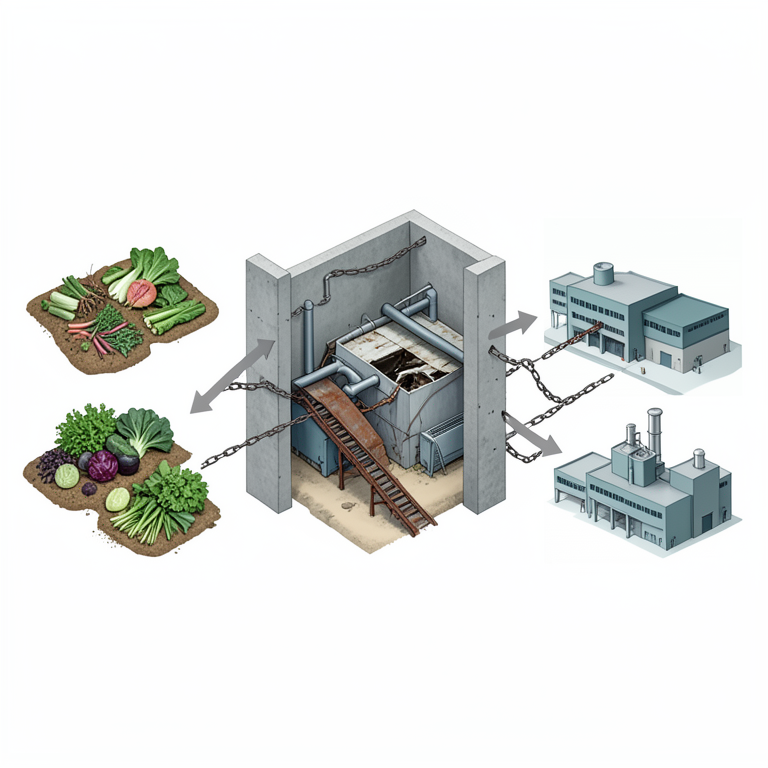
Barriers to Food Processing Growth
AI-generated conceptual illustration (Indian food processing infrastructure and agricultural produce). It explains the idea and does not show study data.
View source evidence ↗Figures & tables
From the original paper Figure 1
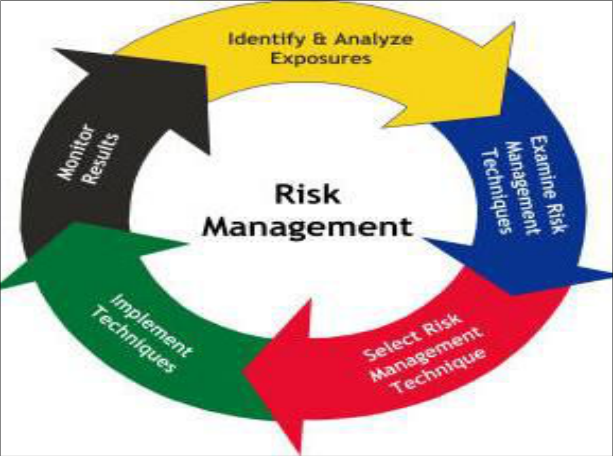 Figure 2
 Figure 3
Introduction
The Food Processing is one of the important area in the country and government plays a important role in making this industry sound and profitable. Government has made commendable efforts to promote investment in the industry by way of channeling resources through various schemes as subsidies and grants. The schemes included development of integrated cold chains, Mega Food Parks, Modern Terminal Markets and bulk storage facilities as well as modernization of markets, quality control laboratories and abattoirs. These efforts have placed the food processing industry on a high growth trajectory as reflected by the increase in food processing activities in last five years.
Though low levels of processing and market share in the global arena suggest an untapped opportunity to capitalize on India's enormous raw material base and propel exports, they also indicate critical challenges to be trounced to sustain continual growth of the industry. Problems in Food Processing Industries 1. Supply Side Problems: Small and dispersed marketable surplus due to fragmented holdings, low farm productivity, high seasonality, perishability and intermediation result in lack of distribution on supply and quality, and in turn, impede processing and exports. 2. Non Availability of Infrastructure: More than 30 per cent of the produce from farm gate is lost due to inadequate cold chain infrastructure The food processing industry has a high concentration of unorganized segments, representing almost 75 per cent across all product categories. 3.
Problems in the Law and rules: Lack of integration & clarity: Numerous laws, under the jurisdiction of different ministries and departments, govern food safety and packaging. The multiplicity of legislation leads to contradictions in specifications, conflicting approach, lack of co-ordination and administrative delays. 4. Awareness and Financial Problems in Farmers: The Financial problem is major problem in the food processing industry and the awareness and education of the farmers also crates the problem in this industry to grow. 5. Human Resource Problem: The skilled man power is the major problem in this sector. 6.
Lack of International Exposure: The lack of exposure in the International market creates a great problem to this industry which affects its working and profitability. Geographical Conditions for Food Processing in India The Indian climate is unpredictable and it has 4 months rainy, 4 months summer and 4 months winter with variations from place to place and with lots of variations in state from north to south and east to waste. Therefore the food processing has to be planned accordingly the basic factors like Rainfall Wind Speed Summer Temperature Winter Temperature Has to be properly studied and the food items to be processes accordingly Solutions to the above problems and success factors for the success of Food Processing Industries. 1. Solution to Supply Side Problems: The supply side problems have to be handled in systematic and scientific 15 5.
Human resource development-to meet increasing demand for skilled manpower: Stimulate industry, academia and government to put in combined efforts for development of specialized institutes and courses for providing training on managerial, safety and enforcements, technology and production, warehousing and distribution aspects. Encourage State Agricultural Universities to commence courses in food packaging, processing, bio- technology, information technology in agriculture and such allied fields. 6. International Exposure: To create the facitlites for International Exposure and also provide the all facilites for the same. way. The role of government both state and Central Government is very important in this area. 2.
Availability of Infrastructural Facilities: The lot of investment in this area is required and the group or government has to motivate and help in creating infrastructural facilities for food processing industries. 3. Law and Enforcement of Law: The Strict laws should be framed to create the discipline in this sector the various problems can be avoided if the law enforcement is done properly. 4. Creating Loan and Financial Support to the Farmers: The Producers are neglected by all in the country the proper support from government is very much required to this sector in the form of loans and subsidies. Source:- https://www.google.co.in/search?biw=1280& Fig 1 Implementr technique and motnior the results and again identify the problem this will improve the life and success rate fo the food processing indursited in India.
Risk Management in Food Processing Idnustires Following are the main stages in managing the risk in this sector which involes Identify and anaylyse Exposures, Examiin Risk Managemnt Technique, Select Risk managemetn Technique, Source: https://www.google.co.in/search?q=Food+processin g+Industry Fig 2 16 Source : https://www.google.co.in/search?biw=1280& Fig 3: Risk Assesement Factors
Conclusion
The Food Processing Industry is most impornat Industry in dia awhich requires lot of efforts form the State and cenrtal governement also form the farmers and the stake holeders of this insudry the problems are to be soleved and boost to this idnuatry cane be given with systematic and scientiof c efforts from all the concenered parites authiors have created the awareness about theis important topsic to the readers. The extreme climate should be avoded and proper plannning is required to process and store the food items.
Acknowledgement
All the references used are endorsed and the help from my friends and well, wishers is very important in preparing this research paper. I am thankful to all friends for motivating me to go for this topic for the research contribution.
References
3 in the original paper- Behera Amiya Kumar, Rural-Based Food Processing Industry, Report of the APO Multi-Country Study Mission on Rural-Based Food Processing Industry ©APO 2004, ISBN: 92-833-7026-0, The Agricultural Promotion and Investment Corporation of Orissa Ltd. Orissa, 28-29.
- Frances TJM. "Innovation drivers and barriers in food processing", -British Food Journal, ISSN: 0007-070X. 2009; 111(8):840-842
- H Panda. The complete book on gums & stabilizers for food industry - Asia Pacific Business press inc, 2010, 57- 59. 4. https://www.google.co.in/search?q=Food+processing+Indu stry, 17
Cited by 1
From OpenAlex, OpenCitations and reference lists read by Scinovex
- Financial Performance of Food Processing Industry: A Study in Assam, India ↗
Mukunda Madhab Gogoi, Ashi Lama · SEDME (Small Enterprises Development Management & Extension Journal) A worldwide window on MSME Studies · 2025
The food processing industry is one of the major agro-based industries. It processes raw food crops with the objective of profit motive. In Assam, varieties of horticulture crops are produced in its different parts. The state’s food processing units process only a part of them. The present study aims to analyse the financial performance of the food processing industry of…
❝ 1