
Research article · 2019 · Full text
International Journal of Advanced Biochemistry ResearchPrevalence of hypoalbuminemia among tuberculosis patients receiving anti tuberculosis therapy: A cross sectional study
Volume 3(2) · Pages 09–13 · DOI: 10.33545/26174693.2019.v3.i2a.34 ↗
Research areasHematological disorders and diagnosticsDiagnosis and treatment of tuberculosisTuberculosis Research and Epidemiology
Abstract
Author-writtenBackground: Tuberculosis (TB) is one of the most common disease seen in overcrowding population. The high prevalence of tuberculosis in developing countries is due to various factors like poverty, malnutrition, overcrowding and poor socioeconomic status. It is having also been recorded that malnutrition is one of the major causes for the incidence of this disease in healthy individuals. Malnutrition can lead to poor prognosis of the Anti-tuberculosis therapy (ATT). Hence, Prevalence of hypoalbuminemia is of major concern in determining the prognosis of the disease.Objective: To estimate the serum total protein, albumin and globulin of patients with TB and compare albumin levels with Pulmonary Tuberculosis (PTB) patients and Extra Pulmonary Tuberculosis (EPTB) patients. Also, to correlate albumin levels with Body Mass Index (BMI) and Waist Hip Ratio (WHR) of the patients.Method: This cross-sectional study was conducted in 100 patients in two groups namely PTB and EPTB. The albumin levels were noted along with the BMI and WHR of the patients in both groups of TB. Results: The average age of the patients was 38.9 years. There was 65% of patients with PTB and 35% of patients with EPTB. The mean albumin, BMI and WHR of the patients were 3.2 ± 0.6, 19.7 ± 3.7 and 0.96 ± 0.01 respectively. The albumin levels of PTB group was 3.1 ± 0.6 and EPTB was 3.4 ± 0.6. the WHR of PTB patients was 0.99 ± 0.12 and EPTB was 0.90 ± 0.15. Albumin and WHR showed statistical significance with p value 0.007 and 0.003 respectively.Conclusion: Hypoalbuminemia in TB patients correlated with the BMI and with WHR. Sputum positivity was independent of the albumin levels. The results highlighted the prevalence of low albumin levels and malnutrition in patients with TB, especially PTB.
Summary
Source-checkedPlain-language reading of the full paper, prepared with AI and checked against the text. Each point links to the authors' own words.
Why it matters
- Tuberculosis prevalence in developing nations is driven by socioeconomic factors, including poverty and malnutrition. View evidence ↗
- Hypoalbuminemia is a significant concern because malnutrition can negatively impact the prognosis of anti-tuberculosis therapy. View evidence ↗
- The infection triggers the release of inflammatory cytokines that increase acute phase reactants in the liver, which in turn reduces albumin synthesis. View evidence ↗
The question
- The study aimed to evaluate serum total protein and albumin levels in tuberculosis patients and determine how these levels associate with treatment and clinical manifestations. View evidence ↗
What they did
- The researchers conducted a cross-sectional study involving 100 patients divided into Pulmonary Tuberculosis (PTB) and Extra Pulmonary Tuberculosis (EPTB) groups. View evidence ↗
- Participants were included if they were on anti-tuberculous therapy and diagnosed via the RNTCP diagnostic algorithm. View evidence ↗
- The study excluded individuals with HIV, active liver disease, other pulmonary diseases, or those who were pregnant or lactating. View evidence ↗
- Biochemical parameters were measured using a Beckmann Coulter AU 480 analyzer. View evidence ↗
What they found
- Across the study population, the mean albumin level was 3.2 ± 0.6 g/dl, the mean BMI was 19.7 ± 3.7 kg/m², and the mean WHR was 0.96 ± 0.01. View evidence ↗
- Low albumin levels (less than 3.5 g/dl) were observed in 60% of the patients with pulmonary tuberculosis. View evidence ↗
- Albumin levels showed a correlation with BMI and WHR, but no significant correlation was found with sputum positivity. View evidence ↗
What it means
- The authors concluded that there is a high prevalence of malnutrition and low albumin levels among TB patients, particularly those with pulmonary tuberculosis. View evidence ↗
- The authors noted that future follow-up studies are needed to determine how albumin levels change as the disease progresses and treatment continues. View evidence ↗
Visual summary
2 visualsIllustrations explain the paper; charts are replotted from the paper's own table values.
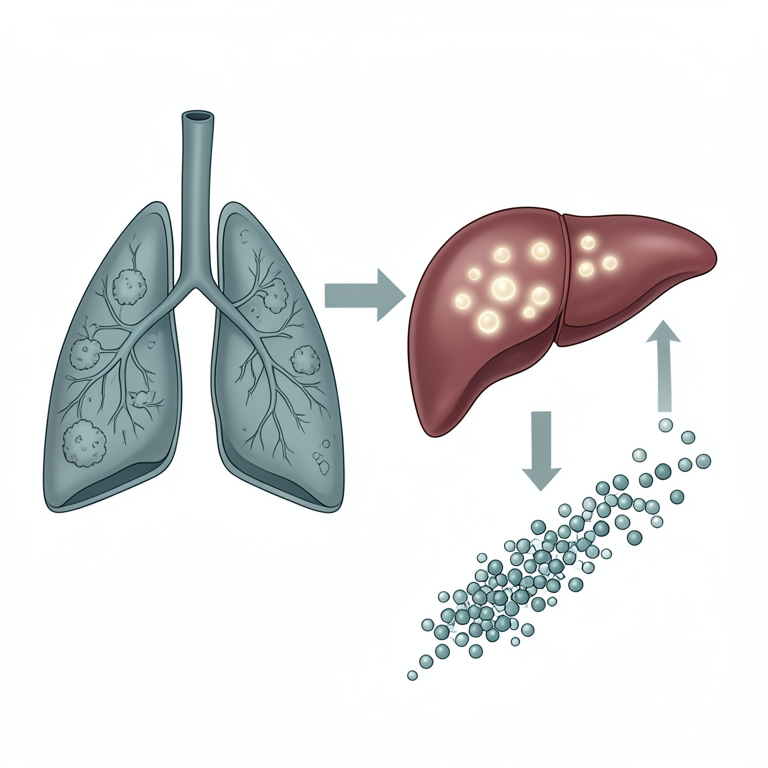
Mechanism of Albumin Reduction in TB
AI-generated conceptual illustration (human liver and lungs). It explains the idea and does not show study data.
View source evidence ↗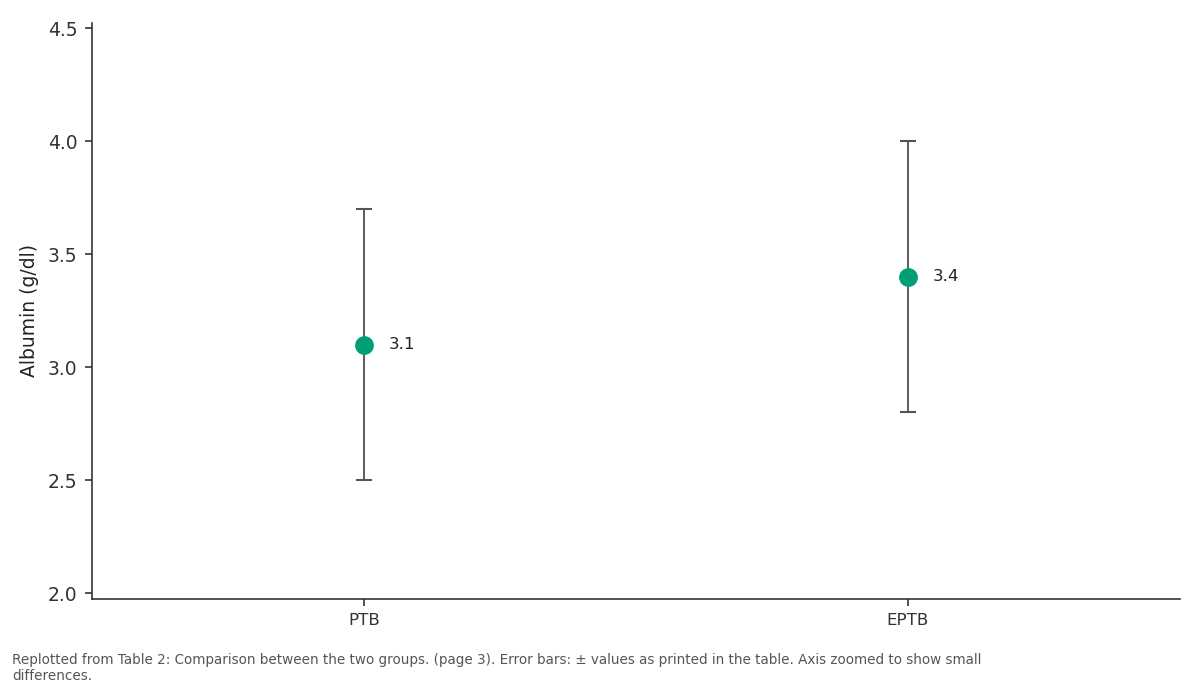
Albumin (g/dl): PTB vs EPTB
Replotted from Table 2 (page 3) of the original paper. Every bar is the paper's own table value.
View source evidence ↗Figures & tables
From the original paper Table 4
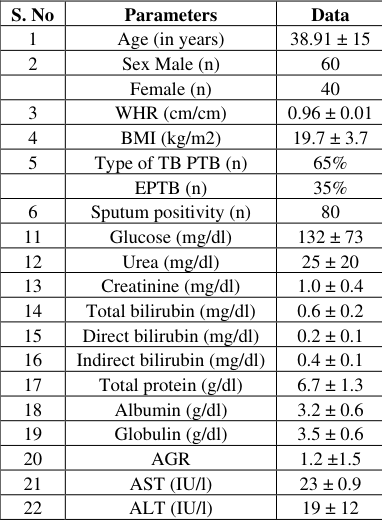 Table 1
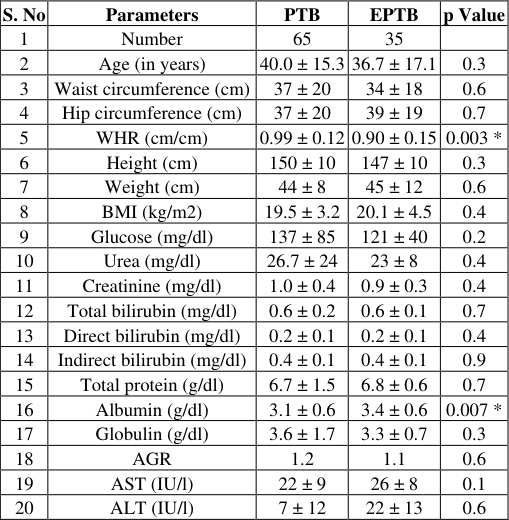 Table 2
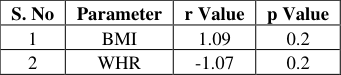 Table 3
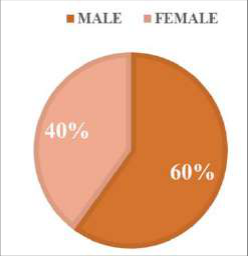 Figure 1
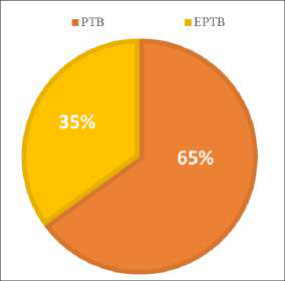 Figure 2
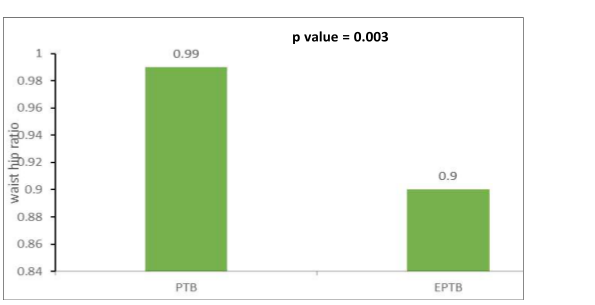 Figure 3
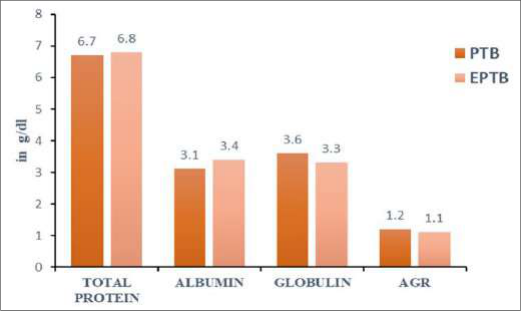 Figure 4
Introduction
Tuberculosis (TB) is a worldwide known communicable disease that has been a challenge to mankind for long. It is caused by Mycobacterium tuberculosis that has a predilection to the lungs causing Pulmonary Tuberculosis (PTB) though tuberculosis of pleura, lymph node, abdomen, genitourinary tract, skin, meninges, joints and bones are not uncommon. According to the National tuberculosis statistics for India collected by the Revised National tuberculosis Control programme, the incidence in 2018 is estimated to be about 2.9 million cases of TB in our country. Every year there are about 8.6 million new cases of tuberculosis globally, out of which 2.2 million cases are reported from India. India has the highest number of cases in the world and most of the cases are due to reoccurrence, especially in South India. The high prevalence of tuberculosis in developing countries is due to various factors like poverty, malnutrition, overcrowding and poor socioeconomic status. The interaction between malnutrition and tuberculosis is bidirectional [1] . Protein malnutrition has been shown to impair the cell mediated immunity against Mycobacterium by decreasing the production of Interferon -γ as well as CD4 and CD 8 cells. Inflammatory cytokines such as interleukin and TNF released during the infection will increase the synthesis of acute phase reactants in the liver thereby decreasing the synthesis of Albumin [2] . Although documentations from previous studies states the prevalence of hypoalbuminemia among TB patients confirms albumin to marker of prognosis and mortality in TB, a metanalysis by Si LM et al has shown no significant difference in albumin even after nutritional support to TB patients [1] . Achim schwenk et al suggests that serum albumin improves with treatment and is the most accurate indicator of nutritional improvement in tuberculosis patients especially with regard to crucial fat free mass [4] . Hypoalbuminemia is also known to be predictive of extrapulmonary tuberculosis [5] . Additionally, low albumin levels have been associated with increased risk of Drug induced liver injury (DILI) with anti-tuberculous therapy [6] .
India-An endemic for tuberculosis
With the increasing Endemicity of TB in India, the government of India has set a target of for TB elimination by the year 2025. Despite all efforts taken by the government TB continues to cause a formidable challenge to public health. Social determinants such as poverty, overcrowding, malnutrition need to be addressed for effective control and prevention. Patients support for reducing out of pocket expenditure & nutrition support are key features of national strategy plan (2017-25). The reactivation of the latent infection may continue to perpetuate new cases in the future despite the implementation of effective Directly Observed Treatment Short course (DOTS) due to emergence of multi-drug resistance strains [7] .
Role of albumin and its importance
The most abundant plasma protein is serum albumin and it is produced in the liver. The human serum albumin, normally constitutes about 50% of human plasma protein [9] . Endogenous albumin is also produced exclusively by the hepatocytes at the rate of 9 to 12 g/day [9] . Even though, Hypoalbuminemia decreases hepatic interstitial oncotic pressure and stimulates albumin synthesis, malnutrition decreases the synthesis of albumin. Hence, malnutrition and synthesis are indirectly proportional [10] .
Significance of monitoring albumin levels in tuberculosis patients
Protein malnutrition has been shown to impair the cell mediated immunity against Mycobacterium by decreasing the production of Interferon -γ as well as CD 4 and CD 8 cells. Inflammatory cytokines such as interleukin and TNF released during the infection will increase the synthesis of acute phase reactants in the liver thereby decreasing the synthesis of Albumin [11] . Hence leading to low albumin levels-hypoalbuminemia. Tuberculosis is endemic in our country affecting nearly 40 percent of the population in whom the infection is latent. The malnutrition still prevalent in various part of the country perpetuates the infection. This adds to the disability adjusted life years (DALY) of the individual that is reflected in the cost of resources in terms of health care and manpower lost. This study would reveal the extent of hypoalbuminemia in our population and its association with treatment. This would pave way for interventional approach nationwide that would address the hypoalbuminemia and its complications in tuberculosis patients.
Serum albumin levels in tuberculosis
In 2018 a study done by Lee et al in Republic of Korea showed that TB unrelated death was commonly seen in old aged patients having low albumin levels [12] . In 2018, Janmeja et al has documented that BMI and albumin levels are reliable factor for prognosis in TB [13] . In 2017, Christina Yoon et al concluded that DILI would decrease the production of albumin in patients undergoing antituberculosis therapy [14] . Wang et al found that the immune status also decreased in pulmonary tuberculosis when the albumin levels were low. As the serum albumin levels decreased the chance of death increased especially in HIV patients with tuberculosis [15] . A study done by Svenson et al in the year 2016 at Sweden stated that in multi drugresistant tuberculosis (MDR-TB) the albumin concentration and body weight are altered; this potential change will affect the drug disposition in long treatment period [16] . A study done by Matos et al suggest that malnutrition is frequently seen in patients with tuberculosis. Hypoalbuminemia is itself can be a major cause for malnutrition. In patients undergoing antituberculotic therapy showed increase in the albumin levels as the treatment progressed highlighting that albumin to be a prognostic marker [18] . Kim et al in 2010 had found that the nutritional status was significantly very poor in patients suffering with active pulmonary tuberculosis. Additionally, albumin synthesize was also low [19] .
Aim
To assess the serum total protein and albumin levels in tuberculosis patients and its association with the clinical manifestations and treatment.
Objectives
Objectives
Materials and Methods
The present study is a cross sectional study conducted in the Department of Biochemistry with the subjects recruited from the RNTCP OPD in Government Villupuram Medical College and Hospital. The ethical clearance was obtained from the Institutional Ethical Clearance Committee. After getting the written informed consent the subjects were recruited based on the inclusion and exclusion criteria. The inclusion criteria were patients diagnosed with Tuberculosis by using Revised National tuberculosis control Programme (RNTCP) diagnostic algorithm [20] and on Anti-tuberculous therapy. The patients suffering from active liver disease, other associated pulmonary diseases, pregnant and lactating females and patients suffering from HIV were excluded from this study. The details regarding age, type of TB, sputum positivity, category of D.O.T.S. received, duration of treatment was collected from the study subjects. The patients were divided into two groups -PTB and EPTB based on the WHO guidelines. Then a sample of 5 ml of blood was collected for the study subject for biochemical analysis. The biochemical parameters were estimated using Beckmann Coulter AU 480 by standard methods. The distribution of all biochemical parameters is expressed as mean with S.D and they were statistically analyzed and it was carried out at 5% level of significance and P value less than 0.05 was considered as statistically significant.
Observation and Results
Out of the 100 subjects included in the study, 1 out layered subject with age less than 5 months was excluded for data analysis. In the study population 60 were males and 40 were females. The mean age of the study subject was 38.9 years with a range of 5 to 75 years. The data regarding the study parameters were shown in Table 1 and the comparison/correlation between the two groups are shown in Table 2, Table 3 and Table 4.
| S. No | Parameter | r Value | p Value |
|---|---|---|---|
| 1 | BMI | 1.09 | 0.2 |
| 2 | WHR | -1.07 | 0.2 |
Table text extracted from the original PDF; superscript letters are shown inline. The original table image is below.
View original table image
| S. No | Parameters | PTB | EPTB | p Value |
|---|---|---|---|---|
| 1 | Number | 65 | 35 | |
| 2 | Age (in years) | 40.0 ± 15.3 | 36.7 ± 17.1 | 0.3 |
| 3 | Waist circumference (cm) | 37 ± 20 | 34 ± 18 | 0.6 |
| 4 | Hip circumference (cm) | 37 ± 20 | 39 ± 19 | 0.7 |
| 5 | WHR (cm/cm) | 0.99 ± 0.12 | 0.90 ± 0.15 | 0.003 * |
| 6 | Height (cm) | 150 ± 10 | 147 ± 10 | 0.3 |
| 7 | Weight (cm) | 44 ± 8 | 45 ± 12 | 0.6 |
| 8 | BMI (kg/m2) | 19.5 ± 3.2 | 20.1 ± 4.5 | 0.4 |
| 9 | Glucose (mg/dl) | 137 ± 85 | 121 ± 40 | 0.2 |
| 10 | Urea (mg/dl) | 26.7 ± 24 | 23 ± 8 | 0.4 |
| 11 | Creatinine (mg/dl) | 1.0 ± 0.4 | 0.9 ± 0.3 | 0.4 |
| 12 | Total bilirubin (mg/dl) | 0.6 ± 0.2 | 0.6 ± 0.1 | 0.7 |
| 13 | Direct bilirubin (mg/dl) | 0.2 ± 0.1 | 0.2 ± 0.1 | 0.4 |
| 14 | Indirect bilirubin (mg/dl) | 0.4 ± 0.1 | 0.4 ± 0.1 | 0.9 |
| 15 | Total protein (g/dl) | 6.7 ± 1.5 | 6.8 ± 0.6 | 0.7 |
| 16 | Albumin (g/dl) | 3.1 ± 0.6 | 3.4 ± 0.6 | 0.007 * |
| 17 | Globulin (g/dl) | 3.6 ± 1.7 | 3.3 ± 0.7 | 0.3 |
| 18 | AGR | 1.2 | 1.1 | 0.6 |
| 19 | AST (IU/l) | 22 ± 9 | 26 ± 8 | 0.1 |
| 20 | ALT (IU/l) | 7 ± 12 | 22 ± 13 | 0.6 |
Table text extracted from the original PDF; superscript letters are shown inline. The original table image is below.
View original table image
| S. No | Parameters | Data |
|---|---|---|
| 1 | Age (in years) | 38.91 ± 15 |
| 2 | Sex Male (n) | 60 |
| Female (n) | 40 | |
| 3 | WHR (cm/cm) | 0.96 ± 0.01 |
| 4 | BMI (kg/m2) | 19.7 ± 3.7 |
| 5 | Type of TB PTB (n) | 65% |
| EPTB (n) | 35% | |
| 6 | Sputum positivity (n) | 80 |
| 11 | Glucose (mg/dl) | 132 ± 73 |
| 12 | Urea (mg/dl) | 25 ± 20 |
| 13 | Creatinine (mg/dl) | 1.0 ± 0.4 |
| 14 | Total bilirubin (mg/dl) | 0.6 ± 0.2 |
| 15 | Direct bilirubin (mg/dl) | 0.2 ± 0.1 |
| 16 | Indirect bilirubin (mg/dl) | 0.4 ± 0.1 |
| 17 | Total protein (g/dl) | 6.7 ± 1.3 |
| 18 | Albumin (g/dl) | 3.2 ± 0.6 |
| 19 | Globulin (g/dl) | 3.5 ± 0.6 |
| 20 | AGR | 1.2 ±1.5 |
| 21 | AST (IU/l) | 23 ± 0.9 |
| 22 | ALT (IU/l) | 19 ± 12 |
Table text extracted from the original PDF; superscript letters are shown inline. The original table image is below.
View original table image
| Sputum | — | — | — | — |
|---|---|---|---|---|
| S. No | CONC. of Albumin | Positive | Negative | P Value |
| 1 | ALBUMIN < 3mg/dl | 28 | 4 | 0.187 |
| 2 | ALBUMIN > 3mg/dl | 51 | 16 |
Table text extracted from the original PDF; superscript letters are shown inline. The original table image is below.
View original table image
Discussion
Early studies stated 63% of the tuberculosis patients were lesser than 40 years old which was similar to our study. In our study 20% of the study population had total protein lesser than 6 g/dl which was similar to the study done by Chavan et al in the Indian population which was about 23% of the study population. Chavan et al also stated that the albumin levels were 3.5 g/dl and above in mild cases and 2.7 g/dl in severe cases as it included both out patients and in-patient cases and, in our study, the mean albumin levels were about 3.2 g/dl which is similar. In this study it was found that 60% of PTB patients had albumin lesser than 3.5g/dl having similar values to the study done by Morris et al, where 72% of PTB had lesser albumin and severe cases with plural effusion, disseminated tuberculosis along with PTB had very minimal values of albumin but it has no diagnostic value and indication to the infected population.
In a study conducted by Kim et al, it was concluded that patients with increased levels of albumin had less chance of involvement of extra-pulmonary tuberculosis but in this study the levels of albumin of extrapulmonary tuberculosis cases was comparatively higher than that of pulmonary tuberculosis. This could be probably due to the systemic involvement of the disease as 30% of the cases included were of milaiary tuberculosis. Wherein the present study did not include the site of EPTB as the patients were outpatients receiving ATT [21] . Janmeja et al has documented serum albumin was independently associated with treatment success with an odds ratio of 3.71. Hence a normal albumin levels in the present study group can be considered as a good sign of clinical outcome in the management of TB. They have suggested that nutritional interventions rather than DOTS plus strategy is helpful in the improvement of success rate. The albumin levels were not significantly low in the study population as documented in the other studies probably because the patients were out patients and the pathogenesis of the disease would be less severe compared to in patients as evaluated in other studies [13] . Muthuraj et al conducted a study in patients with PTB along with HIV infection and has substantiated the importance of nutritional supplementation in such active TB cases in addition to Anti-Retroviral Therapy. Similar recommendation for all TB patients may benefit those proportion of patients with low albumin levels. NACO provides nutritional supplements to those receiving Antiretroviral therapy. According to a systematic review and metanalysis of 19 studies done by LI SI et al states that nutritional supplementation improves sputum smear conversion rates but not the serum albumin levels. Similarly, in the present study also sputum positivity and albumin were independent factors and didn't have significant correlation. A South Indian study conducted in 50 TB patients receiving Anti Tuberculosis therapy, serum albumin significantly improved after 6 months of treatment. Hence a prospective study of the recruited patients for monitoring the serum albumin levels at the end of the therapy would explain the variations in albumin levels of the patients [7] .
Conclusion
Low albumin levels were seen in 60% of the newly diagnosed PTB patients. The albumin levels were normal in most of the TB patients attending the out-patient department for initiation of anti-tuberculosis therapy. The albumin levels correlated with BMI and WHR but not with sputum positivity. However, further follow up of these patients could indicate the change in albumin levels with respect to disease progression and treatment.
Acknowledgement
Acknowledgement: Indian council of medical researchshort term studentship 2018.
Figures and tables from the paper
References
21 in the original paper- Si Z-L, Kang L-L, Shen X-B, Zhou Y-Z. Adjuvant Efficacy of Nutrition Support During Pulmonary Tuberculosis Treating Course: Systematic Review and Meta-analysis. Chin Med J (Engl). 2015; 128(23):321930.
- Xing Z, Gauldie J, Cox G, Baumann H, Jordana M, Lei XF, et al. IL-6 is an antiinflammatory cytokine required for controlling local or systemic acute inflammatory responses. J Clin Invest. 1998; 101(2):311-20.
- Adebisi SA, Oluboyo PO, Oladipo OO. The usefulness of serum albumin and urinary creatinine as biochemical indices for monitoring the nutritional status of Nigerians with pulmonary tuberculosis. Niger Postgrad Med J. 2003; 10(4):247-50.
- Schwenk A, Hodgson L, Wright A, Ward LC, Rayner CFJ, Grubnic S, et al. Nutrient partitioning during treatment of tuberculosis: gain in body fat mass but not in protein mass. Am J Clin Nutr. 2004; 79(6):1006-12.
- Kim MJ, Kim H-R, Hwang SS, Kim YW, Han SK, Shim Y-S, et al. Prevalence and its predictors of extrapulmonary involvement in patients with pulmonary tuberculosis. J Korean Med Sci. 2009; 24(2):237-41.
- Devarbhavi H, Singh R, Patil M, Sheth K, Adarsh CK, Balaraju G. Outcome and determinants of mortality in 269 patients with combination anti-tuberculosis druginduced liver injury. J Gastroenterol Hepatol. 2013; 28(1):161-7.
- Sujatha Narayanan et al. Molecular Epidemiology of Tuberculosis in a Rural Area of High Prevalence in South India: Implications for Disease Control and Prevention. J Clin Microbiol. 2002; 40.
- Sanjay Mehendale. How is tuberculosis affecting public health globally and nationally? ICMR-Natl Inst Res Tuberc. 2016;
- Wingfield WE. Fluid and electrolyte therapy. The veterinary ICU Book. Jackson, WY, Teton New Media, 2002.
- Caceci T. Veterinary histology example: hepatocytes. Accessed. Va Md Reg. Coll. Vet Med, 2005.
- Xing Z, Gauldie J, Cox G, Baumann H, Jordana M, Lei XF, et al. IL-6 is an antiinflammatory cytokine required for controlling local or systemic acute inflammatory responses. J Clin Invest. 1998; 101(2):311-20.
- Si Z-L, Kang L-L, Shen X-B, Zhou Y-Z. Adjuvant Efficacy of Nutrition Support During Pulmonary Tuberculosis Treating Course: Systematic Review and Metaanalysis. Chin Med J Engl. 2015; 128(23):321930.
- A.K. Janmeja et al. Factors predicting treatment success in multi-drug resistant tuberculosis patients treated under programmatic conditions. Indian J Tuberc, 2017.
- Ariana Díaz. The clinical recovery of tuberculosis patients undergoing specific treatment is associated International Journal of Advanced Biochemistry Research http://www.biochemjournal.com with changes in the immune and neuroendocrine responses, 2017.
- Christina Yoon et al. Point-of-care C-reactive proteinbased tuberculosis screening for people living with HIV: a diagnostic accuracy study. Lancet Infect. 2017;
- Wanli Kang. Factors associated with negative TSPOT.TB results among smear negative tuberculosis patients in China. Sci Rep, 2018.
- EM Svensson. Population Pharmacokinetics of Bedaquiline and Metabolite M2 in Patients with DrugResistant Tuberculosis: The Effect of Time-Varying Weight and Albumin. CPT Pharmacomet Syst Pharmacol, 2016.
- H. Simon Schaaf. Nutritional status and its response to treatment of children, with and without HIV infection, hospitalized for the management of tuberculosis. Paediatr Int Child Health. 2012; 32(2).
- E. D. Matos. Association between serum albumin levels and in-hospital deaths due to tuberculosis. Int J Tuberc Lung Dis. 2006; 10(12):1360-6.
- Ji Hae Kim. Relation of ghrelin, leptin and inflammatory markers to nutritional status in active pulmonary tuberculosis. Clin Nutr. 2010; 29:512-8.
- Central TB Division. Guidelines on programmatic manage-ment of drug resistant TB (PMDT) in India. India Dir Gen Health Serv, 2012.
Cited by 11
From OpenAlex, OpenCitations and reference lists read by Scinovex
- Influence of N -acetyltransferase 2 polymorphisms and clinical variables on liver function profile of tuberculosis patients ↗
Levin Thomas, Arun Prasath Raju, S. Chaithra, Shrivathsa Kulavalli, Muralidhar D Varma, Chidananda Sanju SV et al. · Expert Review of Clinical Pharmacology · 2024
Background Single nucleotide polymorphisms (SNPs) in the N-acetyltransferase 2 (NAT2) gene as well as several other clinical factors can contribute to the elevation of liver function test values in tuberculosis (TB) patients receiving antitubercular therapy (ATT).Research design and methods A prospective study involving dynamic monitoring of the liver function tests among 130 TB patients from baseline to 98 days post…
❝ 11PDF - Evaluating the expression level of serum Interleukin-2, lipoarabinomannan and circulating MicroRNA-29a as diagnostic biomarkers for pulmonary and extra-pulmonary tuberculosis: a pilot study ↗
Subhamay Adhikary, Sneha Leo, Antara Banerjee, Surajit Pathak, Meenakshi Narasimhan, Sridhar Rathinam · Annals of Medicine · 2025
BACKGROUND: Diagnosis and treatment of Tuberculosis (TB), particularly delay in diagnosis of TB poses significant challenges in its eradication. The exploration of new biomarkers is urgently required for TB diagnosis and treatment. This study aimed to investigate the serum levels of Interleukin-2 (IL-2), an important diagnostic parameter in TB; lipoarabinomannan (LAM), a key constituent of the mycobacterial cell wall; and…
❝ 4PDF - Nutritional Status of Hospitalized Tuberculosis Patients in South Kalimantan: A Cross-Sectional Study ↗
Mohamad Isa, Ira Nurrasyidah, Elok Hikmatun Nikmah, Desi Rahmawaty, Ali Assagaf, Haryati Haryati et al. · Mutiara Medika: Jurnal Kedokteran dan Kesehatan · 2022
In Indonesia, the burden of tuberculosis (TB) infection is significant, and there is likely a substantial link between TB and malnutrition. Anemia, which is linked to TB patient outcomes and length of hospital stay, is another issue that might aggravate the disease. This study aims to identify how common undernutrition and anemia are among tuberculosis patients at the Ulin Regional…
❝ 4PDF - Assessing mortality risk in pulmonary tuberculosis and severe malnutrition: development of the IIR marker via artificial intelligence ↗
D Rădulescu, Costin Teodor Streba, Emil-Tiberius Trasca, Patricia-Mihaela Radulescu, Liliana Streba, Iulian-Laurențiu Buican et al. · Scientific Reports · 2026
The early identification of mortality risk in patients with tuberculosis (TB) and severe malnutrition (BMI <16 kg/m2) is critical for optimizing clinical outcomes. In this three-year ambispective study (October 1, 2021–September 30, 2024), conducted at Leamna Hospital, a reference center for the Oltenia Region, Romania, 216 patients with pulmonary tuberculosis were selected from a total of 3,547 TB cases for…
❝ 2PDF - Biochemical profiling of tuberculosis patients and the impact of co-infection and comorbidities ↗
Irum Javid, Muhammad Riaz, Fatima Yousaf, Shamim Khan, Salma Shahid, Farrukh Bashir et al. · European Journal of Inflammation · 2025
Backgrounds: Tuberculosis (TB) is a contagious disease caused by Mycobacterium tuberculosis that primarily affects the lungs but can also affect other organs of the body. In 2022, World Health Organization (WHO) reported that 202 countries account for more than 99% of TB cases around the world. Pakistan ranks 5 th among the countries with the highest burden of tuberculosis. The…
❝ 1PDF - Nghiên cứu phẫu thuật thay khớp toàn phần điều trị lao khớp háng giai đoạn IV ↗
Do Dang Hoan, Đào Xuân Thành · Tạp chí Nghiên cứu Y học · 2022
Thay khớp háng điều trị lao khớp háng còn là vấn đề cần nhiều nghiên cứu đánh giá. Mục đích của nghiên cứu: nhận xét kết quả phẫu thuật thay khớp háng điều trị lao khớp háng giai đoạn IV hoạt động và tìm hiểu một số yếu tố ảnh hưởng đến kết quả phẫu thuật thay khớp háng trong…
❝ 1PDF - Transudative or masked exudative polyserositis in disseminated tuberculosis? A case report ↗
Bishal Dhakal, KC Prabhat, Sachin Sapkota, Binaya Subedi, Apshara Acharya, Suvekchya Pandey et al. · Annals of Medicine and Surgery · 2022
Introduction: Polyserositis in disseminated tuberculosis (TB) is an uncommon presentation. The exudative nature of effusion in disseminated TB can be masked by presence of malnutrition due TB. Case presentation: A 24-year-old female, diagnosed with disseminated TB, developed polyserositis with transudative nature of fluid. She was treated with anti-tubercular therapy (ATT). Clinical discussion: Polyserositis, though an uncommon presentation in disseminated TB,…
❝ 1PDF - Management of abdominal wound dehiscence at a tertiary care hospital ↗
AM Sreedhara, Padmanabha R Bhat · International Journal of Surgery Science · 2020
There are two basic types of wound dehiscence, partial or complete, depending on the extent of separation. In partial dehiscence, only the superficial layers or part of the tissue layers reopen. In complete wound dehiscence, all layers of the wound thickness are separated, revealing the underlying tissue and organs, which may protrude out of the separated wound. This can be
- Dynamics of Body Mass Index and Serum Albumin Levels Before and After the Intensive Phase of Tuberculosis Treatment ↗
Lisna Rosalia Agaus, Muh. Ilyas, Agus Sudarso, Syakib Bakri, Haerani Rasyid, Andi Alfian Zainuddin · F1000Research · 2026
Introduction Tuberculosis remains a major global health problem and is frequently associated with malnutrition, which can negatively affect treatment outcomes. This study aimed to evaluate changes in body mass index (BMI) and serum albumin levels before and after the intensive phase of tuberculosis treatment. Methods An observational analytic study with a prospective cohort design was conducted at Dr. Wahidin Sudirohusodo…
❝ 0PDF - Dynamics of Body Mass Index and Serum Albumin Levels Before and After the Intensive Phase of Tuberculosis Treatment ↗
Lisna Rosalia Agaus, Muh. Ilyas, Agus Sudarso, Syakib Bakri, Haerani Rasyid, Andi Alfian Zainuddin · F1000Research · 2026
Introduction Tuberculosis remains a major global health problem and is frequently associated with malnutrition, which can negatively affect treatment outcomes. This study aimed to evaluate changes in body mass index (BMI) and serum albumin levels before and after the intensive phase of tuberculosis treatment. Methods An observational analytic study with a prospective cohort design was conducted at Dr. Wahidin Sudirohusodo…
❝ 0PDF - Albumin as prognostic value in operated patients in the department of obstetrics and gynaecology ↗
Anjum Ahmed · International Journal of Clinical Obstetrics and Gynaecology · 2020
Background: In post - surgical state there might be a low formation of the albumin in liver or high degradation of the albumin. In either of the ways the serum albumin will be lowered. Stress and strain is also known to cause hypoalbuminemia i.e low serum level of albumin. Since albumin is a protein it has to be transcribed rom
❝ 0Found by Scinovex