
Research article · 2019 · Full text
International Journal of Geography Geology and EnvironmentThe impact of rural-solidarity tourism on the local development: A case study of the rural community of Aguelmam Azegza (Khénifra province, Morocco)
Volume 1(1) · Pages 03–09 · DOI: 10.22271/27067483.2019.v1.i1a.3 ↗
Research areasAgriculture and Rural Development ResearchTourism, Volunteerism, and DevelopmentFrench Urban and Social Studies
Abstract
Author-writtenThis work is intended to study the impacts of rural-solidarity tourism on the local development of the rural community of Aguelmam Azegza with presenting its socio-economic, socio-cultural and environmental dimensions. To achieve this aim, we conducted a fieldwork study involving several
Summary
Source-checkedPlain-language reading of the full paper, prepared with AI and checked against the text. Each point links to the authors' own words.
Why it matters
- Rural-solidarity tourism is viewed as a specialized niche that can drive local economic development and provide alternative income sources for people living in isolated rural areas. View evidence ↗
- In the Aguelmam Azegza community, this type of tourism serves as a mechanism for economic development by creating self-employment opportunities for mountain populations. View evidence ↗
The question
- The study aims to analyze the socio-economic, socio-cultural, and environmental effects of rural-solidarity tourism on the local development of Aguelmam Azegza. View evidence ↗
What they did
- Fieldwork surveys were conducted with the local population during two periods: August 6–25, 2017, and April 1–20, 2018. View evidence ↗
What they found
- Among the surveyed population in the selected douars, 51.26% are engaged in rural-solidarity tourism. View evidence ↗
- Regarding those who rely on tourism as their primary income, 70% are male and 30% are female. View evidence ↗
- The educational level of tourism practitioners is generally low, with 70% being illiterate and only 6% having a university education. View evidence ↗
- The most common way the population benefits from tourism is through renting traditional Berber huts combined with restaurant services, practiced by 29.58% of the group. View evidence ↗
- For 72% of the 142 respondents who benefit from tourism, the activity serves as their primary source of revenue. View evidence ↗
- A majority of inhabitants (68.69%) believe that tourism has a positive impact on the local environment. View evidence ↗
- The vast majority of interviewees (83.10%) stated that rural-solidarity tourism contributes positively to the socio-cultural development of the community. View evidence ↗
- Despite the positive views, 31.31% of the local population consider rural-solidarity tourism to be a threat to the local environment. View evidence ↗
What it means
- The authors conclude that rural-solidarity tourism is a vital tool for the economic, socio-cultural, and environmental development of Aguelmam Azegza. View evidence ↗
- The authors note that many villages in the community do not benefit from tourism due to a lack of basic infrastructure. View evidence ↗
Visual summary
2 visualsIllustrations explain the paper; charts are replotted from the paper's own table values.
Beneficiary population in%: Ait Hmad Ouammou vs Ait Bouzemour vs Ait Hsine vs Ait El Hayani vs Jenane Mass
Replotted from Table 1 (page 3) of the original paper. Every bar is the paper's own table value.
View source evidence ↗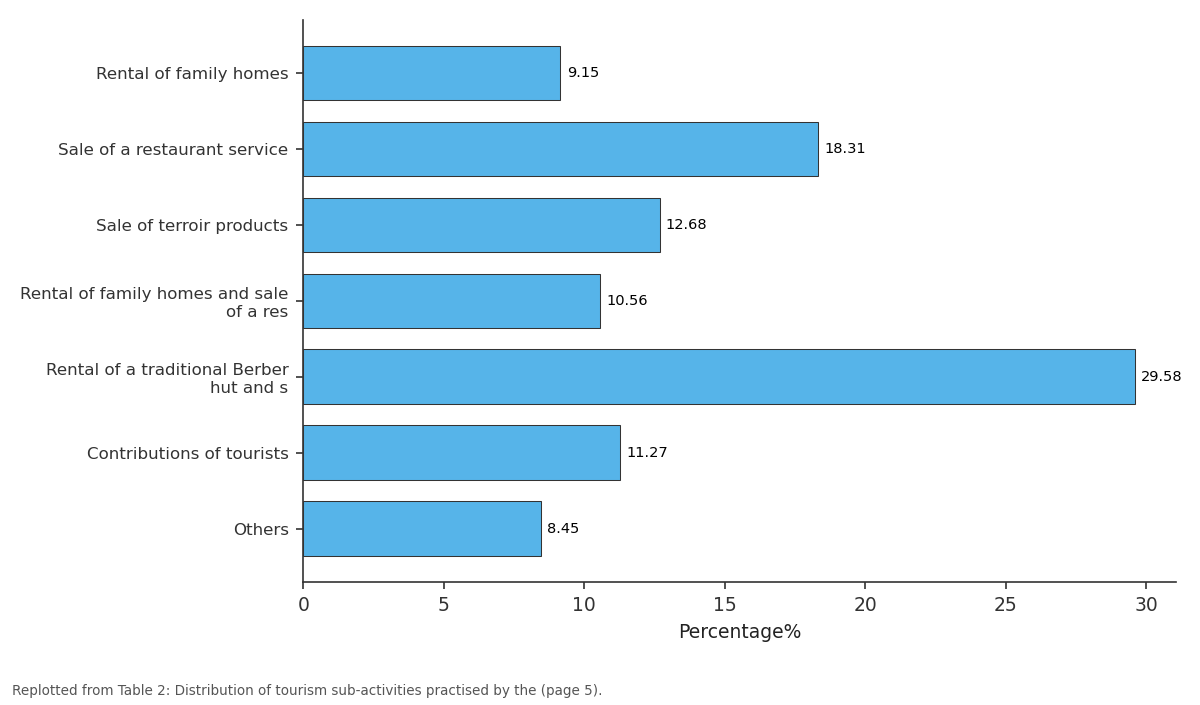
Percentage%: Rental of family homes vs Sale of a restaurant... vs Sale of terroir products vs Rental of family homes... vs Rental of a traditional...
Replotted from Table 2 (page 5) of the original paper. Every bar is the paper's own table value.
View source evidence ↗Figures & tables
From the original paper Table 1
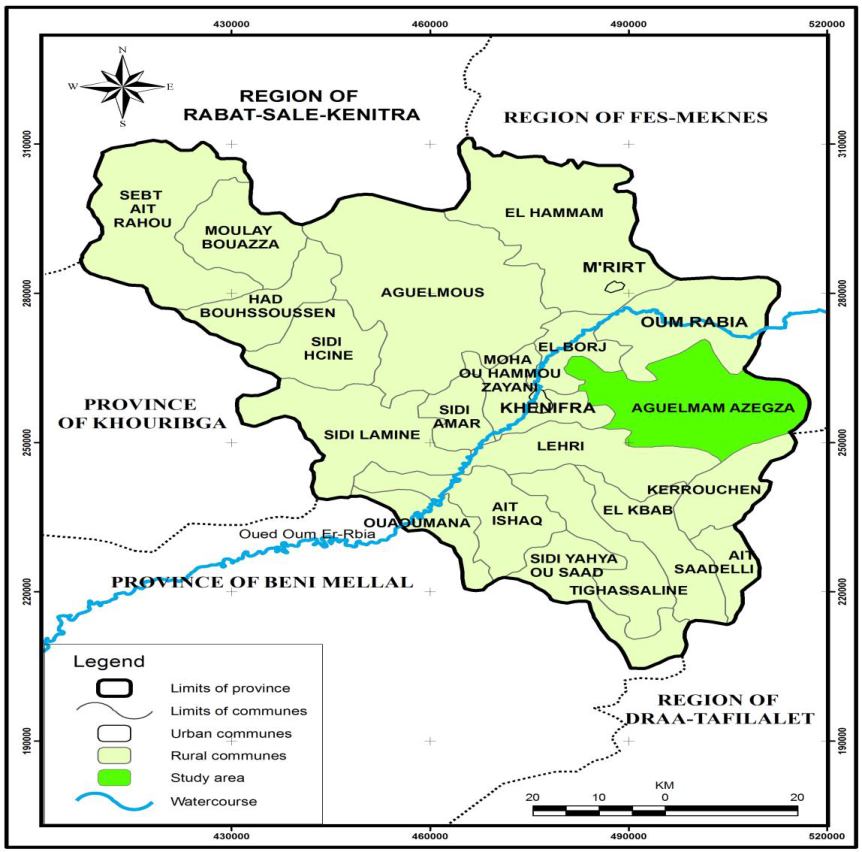 Figure 1
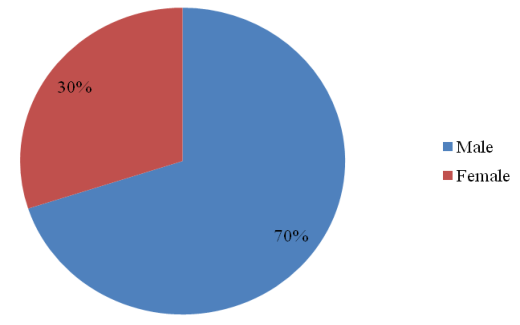 Figure 2
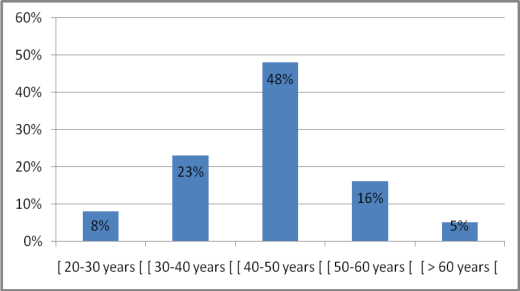 Figure 3
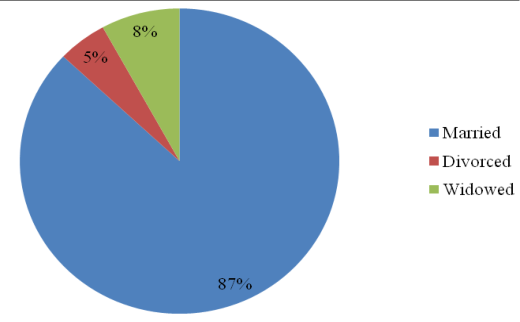 Figure 4
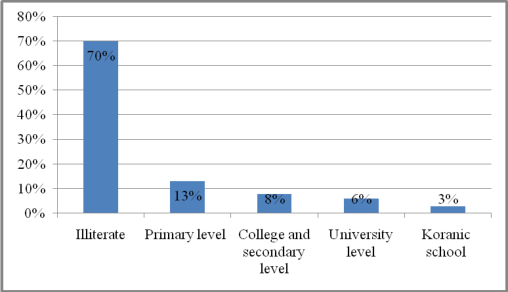 Figure 5
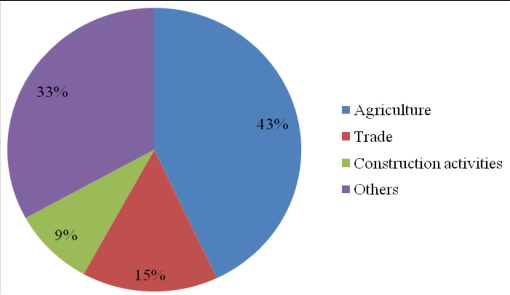 Figure 6
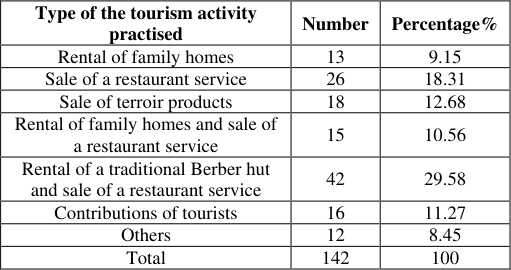 Table 2
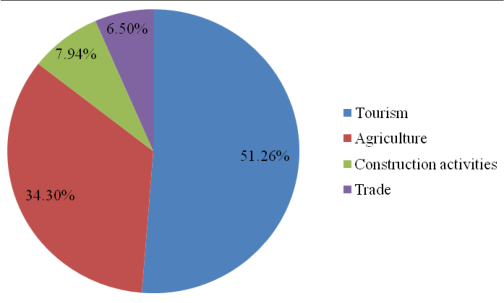 Figure 7
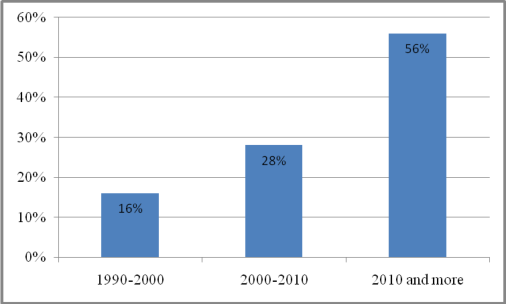 Figure 8
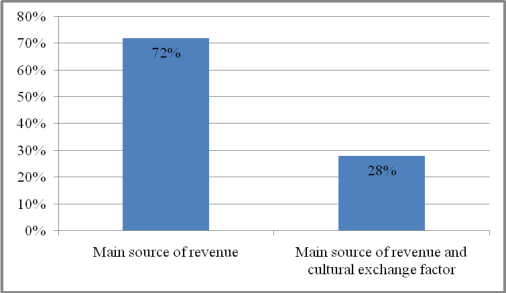 Figure 9
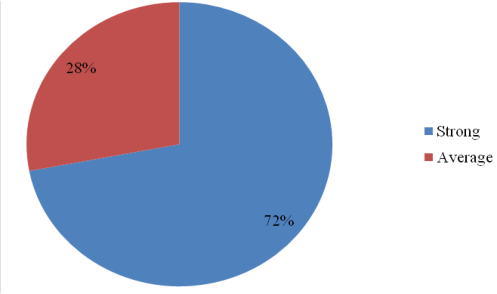 Figure 10
Introduction
It seems clear that the rural-solidarity tourism, in Morocco, has become an important theme of any scientific, political, economic and social debate. It is considered as a specific niche for local economic development or even an alternative income generating activities in rural and isolated areas. This concept appears as a service activity that is difficult to characterize because it brings together a multitude of forms and activities. In this case, the term of ruralsolidarity tourism evokes this diversity by different concepts such as green tourism, nature tourism, mountain tourism, ecotourism, diffuse tourism, agro tourism, sustainable tourism, responsible tourism, fair tourism, and so forth. The rural-solidarity tourism then refers to the local tourism that is practiced in rural areas, especially among farmers. It is actually based on the principle of respect for the persons, cultures and natures by promoting the local heritage resources (Couissi et al., 2019) [1] . For Laurent (2009) [2] , the rural tourism is «An offer integrated to rural area and rural culture, inspired by the authenticity, the preserved nature, the local products, a spirit of discovery, a certain slowness, the local control of decisions and a prominent place in the human relationship within small family tourism units and village communities ». Then, the solidarity tourism refers more specifically to the sense of existence of a common destiny, of a common house and to an awareness of the need for peaceful coexistence based on exchange, altruism and mutual respect (El Bahri and Pupion, 2014, p. 6) [3] . This tourism focuses on the relationship among people, between visitors and visited, and on the notion of solidarity where travelers contribute to improving living conditions of the visited communities (Laliberte, 2005) [4] . In the rural community of Aguelmam Azegza, the rural-solidarity tourism represents a real lever of economic development in favor of the mountain populations who offer considerable opportunities for self-employment. Obviously, the development of this product has become one of the priorities as it contributes to the local development of rural populations by increasing the local economy, creating the employment opportunities, improving the household incomes and stabilizing the populations. Also, this mode of tourism participates in the preservation of the natural resources so as to ensure respect for the environment, valorize the local products and contribute to the sustainable local development. It promotes cultural exchanges among local populations and tourists. Indeed, the rural community of Aguelmam Azegza is regarded as an important tourist destination in terms of supply and demand for the rural-solidarity tourism. It attracts many tourists who generally come to realize a tourist circuit through different and attractive sites. What is more, it has various tourism assets but also several constraints that hinder its development. It is characterized, in fact, by the important archaeological and cultural potentialities as well as diversified natural landscapes, especially the lake of Ouiouane, Aguelmam Azegza and Tiguelmamine. It has only one classified tourist accommodation establishment namely the rural hostel of arougou which includes 10 rooms and 30 beds (Ministère du Tourisme, 2019) [5] . It offers a very good tourism quality with a fresh decoration of rustic Berber inspiration (carpet, blanket, sofas, chest, white plaster and paneling), a great atmosphere and very nice staff. Moreover, the rural community of Aguelmam Azegza has one unclassified tourist accommodation establishment equipped with 2 rooms and 9 beds (Fieldwork research, 2017 and 2018). In general, these various tourist potentialities have made a significant contribution to the local development of this area at the socio-economic, socio-cultural and environmental levels. At the same time, the rural-solidarity tourism contributes significantly to the creation of new jobs for the local population by generating additional income and improving their living conditions. It also contributes to poverty reduction, which is clearly more marked in the rural area of the landlocked local populations. On the basis of this observation, we want to know the impact of rural-solidarity tourism on the local development of the rural community of Aguelmam Azegza. Therefore, the purpose of our contribution is to analyze the different effects of ruralsolidarity tourism on the local tourism development of the study area at the socio-economic, socio-cultural and environmental levels. More specifically, we wish to be informed of the general characteristics of the interviewees who work in the tourism sector: their sex and age groups, their family situation, their level of education, their practiced activity before tourism, etc. Thus, our thinking revolves around the following points: What are the positive and negative impacts of ruralsolidarity tourism on the local development?
To what extent can rural-solidarity tourism contribute to the employment of rural women? This article is organized as follows: Research materials and methods; Results and discussion of the survey carried out among the local population; Conclusion summarizing the results obtained.
Materials and Methods
In order to analyze the phenomenon of rural-solidarity tourism, this present work requires important material resources and even fieldwork research which spreads over a long period. In this context, we used various tools, techniques and processes that focus more specifically on the following elements: The bibliographical research based on scientific articles and books dealing with the concepts of rural and solidarity tourism as well as the monograph of the study area; The official documents of the different administrations; The survey fieldwork research of the local population; The cartographic work by using a Geographic Information System (GIS) namely the ArcGis; The use of statistical analysis tools including the SPSS Statistics and the Microsoft Excel.
Presentation of the case study
The rural community of Aguelmam Azegza is a tourist area which is located in the region of Béni Melall-Khénifra and comes under the province of Khénifra with an altitude of 1600 m. It is geographically limited to the north by the rural community of Oum Rabia, to the south by the rural community of Kerrouchen, to the east by the rural community of Ain Leuh and to the west by the rural community of Moha Ou Hammou Zayani (Figure 1). It extends over an area of 429 Km² (Ministère de l'Intérieur, province de Khénifra, 2017) [6] . According to the General Census of Population and Housing (GCPH) of 2014, the community counts 7684 inhabitants and 1611 number of households. It has a population density of 17, 91 inhabitants/km². The poverty rate is 13.98%, this percentage is higher than in the other communities of this province except for the rural community of Kerrouchen which registers 13.96% (Haut-Commissariat au Plan, 2014) [7] .
Sampling methods
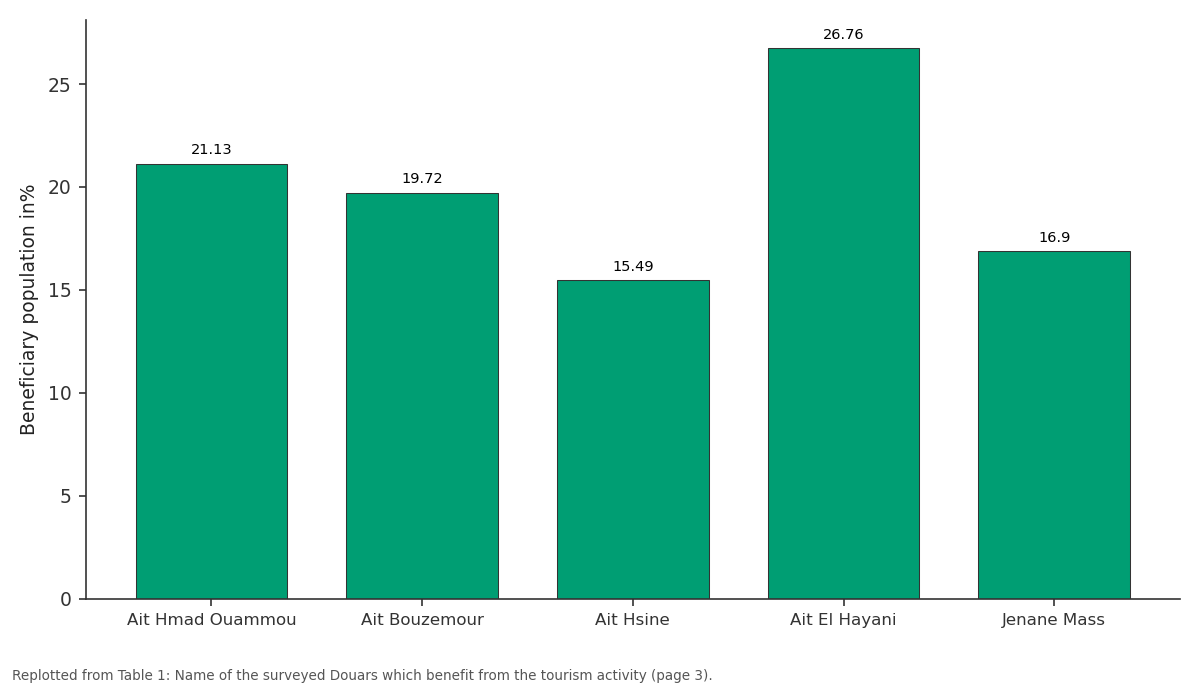
During our study, from 06 th to 25 th August 2017 and from 01 st to 20 th April, 2018, we conducted a fieldwork survey with the local population of the studied rural community in order to examine the impact of rural-solidarity tourism in this area. In general, this community has 24 douars, but the tourism activities are concentrated only on 5 douars. In this context, a total of 24 douars spread over the whole of the studied community, we opted for a sampling of five douarsfoot_2 having a strong tourism activity in which the rural-solidarity tourism is particularly developed during these recent years (Table 1). Briefly, these douars are located near the tourist sites which are most targeted by tourists. The survey was carried out on a global sample of 277 householdsfoot_3 belonging to the local population of different douars, which benefit from a tourism activity and was carried out by the individual interviews, using a survey form (questionnaire) comprising 31 questions. Additionally, each interview lasted about 20 minutes. All these households were selected in a systematic, simple and practical way, based on a percentage of 50% whose objective is to collect the maximum of answers in order to fully know the impact of rural-solidarity tourism on the local tourism development.
| Name of the community | Name of Douars | Number of households in 2017 | Number of the chosen sampling | Number of beneficiaries | Beneficiary population in% |
|---|---|---|---|---|---|
| Aguelmam Azegza | Ait Hmad Ouammou | 74 | 37 | 30 | 21.13 |
| Ait Bouzemour | 136 | 68 | 28 | 19.72 | |
| Ait Hsine | 52 | 26 | 22 | 15.49 | |
| Ait El Hayani | 184 | 92 | 38 | 26.76 | |
| Jenane Mass | 108 | 54 | 24 | 16.90 | |
| Total | 554 | 277 | 142 | 100 |
Table text extracted from the original PDF; superscript letters are shown inline. The original table image is below.
View original table image
Source: Nassiri et al. 2016 [8] , modified and completed by T. Couissi, 2019. According to this table, we notice that 142 families/or households among the 277 of the surveyed sample benefit from a tourism activity, whereas the rest practices other activities: agriculture, breeding, trade.... In this context, the result shows that the rural-solidarity tourism is practiced by 51.26% of the local population of all these douars surveyed in this area.
Results and Discussion
Results and Discussion
Impact analysis of rural-solidarity tourism on the local development of the study area
In the studied area, the rural-solidarity tourism has a positive impact on the local tourism development of the rural population. It implies, in fact, positive consequences in economic, socio-cultural and environmental aspects. But, it analogically has negative spillovers that cause adverse effects. The question that arises, here, is to precisely know the impacts of rural-solidarity tourism on the local socioeconomic development, their socio-cultural influences on the mountain population and their roles in the environment.
Profiles of the surveyed local population 3.1.1.1 Nature of sex and age groups
It can be seen from Figure 2 that 70% of the surveyed populations are males, and only 30% are females who practise tourism activity as the main source of their income. It is important to note that the age distribution of the entire local population shows a fairly homogeneous distribution of individuals in all age groups except for those aged 60 and over, which represents only 5% of individuals (Figure 3). Thus, it should be noted that the jobs created in tourism are mainly concerned people aged between 40 and 50 years old who represent about half of the tourism jobs.
Marital status
Globally, we observe that the majority of people working in the tourism sector are married with 87%, while 8% are widowed and 5% are divorced (Figure 4).
Source: Authors, 2017 and 2018.
Respondents' level of education
Overall, the investigation indicated that the level of education of people practicing the tourism activity is relatively low, and that most inhabitants have never had access to education. It goes without saying that 70% of the respondents interviewed are illiterate, while 13% have a primary level education, 8% have a college and qualifying secondary level and 6% have a university level education. Likewise, the Koranic school level represents only 3% (Figure 5).
Source: Authors, 2017 and 2018. Before the appearance of tourism activity (in 1990) in this studied area, it can be seen that most of the inhabitants practised several activities namely: agriculture, commerce, construction works and others. Through this study, we found that 43% of the respondents are working in agriculture, 33% looked for work outside their areas, particularly in the cities closest to their homes such as Béni Mellal and Meknès as well as in the industrialized cities especially the city of Tangier. Furthermore, 15% are practising the trade and 9% are working in construction activities (Figure 6). However, the majority abandoned its first activity in favor of the tourism activity which has become an essential factor of their source of income.
Source: Authors, 2017 and 2018. rural area, it can be noticed that the tourism sector is considered as a main activity of the local population, and that a large number of people benefit from this tourism activity. The results demonstrated that 142 people work in tourism which represents 51.26% of the total number of local jobs created (Figure 7), except 48.74% have never benefited from any activity in the tourism sector and that they practise other activities including agriculture, which accounts for 34.30%, the construction work 7.94% and the trade 6.50%.
Source: Authors, 2017 and 2018. Furthermore, it should be pointed out that the beginning of the tourism activity in this community dates back in the 1990's during which 16% started to work in the tourism sector, 28% between 2000 to 2010 while 56% began to practise tourism activity during the years of 2010 and more (Figure 8). Accordingly, it is worth mentioning that the contribution of rural tourism-solidarity is considered as an important factor in the process of local socio-economic development of certain rural populations. It contributes to improving the living conditions of the inhabitants through the creation of wealth, job and income opportunities in order to fight against poverty and to curb the rural exodus in isolated areas.
Importantly, most of the inhabitants interviewed benefit from this activity through different types of products and services. This is confirmed by a group of inhabitants according to the following questionnaire: how do you benefit from this activity? Following their response, we noticed that 29.58% of the mountain populations declare that they benefit from this activity by the rental of a traditional Berber hut of reception and the sale of a restaurant service, namely the traditional dishes like tagine with terroir products and local patties (bread, meloui or rghaif, harcha). What is more, 18.31% by the sale of a restaurant service, 12.68% by the sale of terroir products (handicrafts, honey, figs, prickly pear, peach, pomegranate, etc.), 11.27% through the contributions received by tourists who favor the exchange and the meeting with the most disadvantaged local populations in the context of a humanitarian stay, 10.56% by the rental of family homes and the sale of a restaurant service, 9.15% by the rental of family homes and 8.45% by other tourism activities. These include the sale of food products, the medicinal plants, the vegetables and fruits, the transportation and the parking services (Table 2). Effectively, we can say that the economic weight of ruralsolidarity tourism is globally predominant. The type of rental of the traditional Berber huts and the sale of a restaurant service are more numerous than other types of activities. Indeed, we see that this tourism activity represents a main source of revenue for the local population (Cited by 72% of the 142 respondents) (Figure 9). In this sense, the tourism activity in this area is characterized by a strong dynamic precisely during the seasons of spring and summer. This is confirmed by 72% of the 142 respondents (Figure 10). Obviously, most residents benefit from this activity in a permanent way as they live close to the remarkable tourist sites known by their profitable tourist networks (Cited by 66.20% of the 142 people interviewed). Nevertheless, 33.80% assure that this tourism activity remains seasonal (Authors, 2017 and 2018).
| Type of the tourism activity practised | Number | Percentage% |
|---|---|---|
| Rental of family homes | 13 | 9.15 |
| Sale of a restaurant service | 26 | 18.31 |
| Sale of terroir products | 18 | 12.68 |
| Rental of family homes and sale of a restaurant service | 15 | 10.56 |
| Rental of a traditional Berber hut and sale of a restaurant service | 42 | 29.58 |
| Contributions of tourists | 16 | 11.27 |
| Others | 12 | 8.45 |
| Total | 142 | 100 |
Table text extracted from the original PDF; superscript letters are shown inline. The original table image is below.
View original table image
Source: Authors, 2017 and 2018.
Fig 10:
The dynamics of tourism activity
The rural-solidarity tourism: a contributing activity to the local economic development of rural women
From the results of this study, we noticed that the participation of rural women in the field of tourism plays an essential role in economic life. It is apparent that in the rural area of Aguelmam Azegza, the tourism sector has represented an important lever for reducing inequalities between men and women. In fact, 30% of rural women practise the tourism activity as the principal source of income through the practice of several tasks such as: the preparation of traditional dishes, the sale of a restaurant service, the sale of terroir products, the rental of family homes, etc. (Authors, 2017 and 2018). In this context, we think that this sector can be beneficial for women in terms of offering them employment opportunities to improve the quality of their living conditions, and to ensure their financial independence.
The rural-solidarity tourism: An essential factor of the socio-cultural development
Following a survey made in the studied rural area, we noticed that the rural-solidarity tourism often has a constructivist effect on the culture of the local population, who has a direct contact with the tourists with whom they weave relationships. This finding is the result of a questionnaire (Are there any relations between you and the tourists?), the majority replied with yes and notes that their contact is daily; in the streets, in the cooperatives, in the fields, in the workshops... In addition, according to another asked question (Does the tourism activity participate in the socio-cultural development of this area?), 83.10% of the persons interviewed affirmed that the rural-solidarity tourism positively contributes to the socio-cultural development of the local population (Authors, 2017 and 2018). It should be noted that most tourists adapt with the traditions of the visited areas. Further, the local populations are flexible as they accept the traditions and way of life of tourists in a framework of mutual respect and tolerance.
The negative impacts
Beyond the positive socio-economic, socio-cultural and environmental impacts generated by the tourism activity, the rural-solidarity tourism also generates negative sociocultural and environmental impacts.
The socio-cultural impacts
According to the survey results, we observe that only 16.90% of the inhabitants declare that the rural-solidarity tourism does not participate in the socio-cultural development. For example, some tourists are not very respectful of the social, cultural and religious norms of the inhabitants. They provoke the shock of their traditional and cultural values. In this sense, we have undoubtedly found that the massive number of tourists has led to harmful consequences for the local population, such as the increase and the appearance of social ills (prostitution, begging, crime, drugs, thefts, contagious diseases, parasites......). In this respect, the lack or low level of knowledge of tourists about local culture is proving to be one of the main problems. In addition, the local communities have little or no knowledge of foreign tourists' cultures (Authors, 2017 and 2018).
The environmental impacts
It is also interesting to note that 31.31% of the local population affirmed that the rural-solidarity tourism represents a disadvantageous threat to the local environment. Clearly, this tourism activity has adverse environmental impacts which are caused by a small number of tourists who do not respect the environment. They cause environmental risks, namely the degradation of natural resources, damage to protected species of fauna and flora, and the illicit exploitation of forest resources through the consumption of fuel wood as well as the destruction of natural landscapes. They also cause an increase in pollution that leads to the degradation of water resources. Consequently, these elements are the main natural resources threatened by the rural-solidarity tourism (Authors, 2017 and 2018).
Conclusion
We can conclude that the rural-solidarity tourism plays an important role not only in the economic side of the Aguelmam Azegza, but also in the socio-cultural and the environmental aspects. It remains an effective tool for the socio-economic development and the fight against poverty as it significantly contributes to the "redevelopment" of marginalized areas. This type of tourism also constitutes a source of wealth creation, employment and income by occupying several people. Obviously, only five douars working in the tourism sector: Ait El Hayani (26.76%), Ait Hmad Ouammou (21.13%), Ait Bouzemour (19.72%), Jenane Mass (16.90%) and Ait Hsine (15.49%). However, the other douars don't benefit at any time from this tourism activity because of various problems in particular the basic infrastructures which hinder its tourism development.
Overall, the revenues generated by rural-solidarity tourism improve the standard of living of local populations. As it participates in the socio-cultural development of the local population and inscribes in a sustainable development process, especially with regard to the protection of the natural environments that are considered as the basis of its proper development. Even so, this tourism activity generated some negative results. Despite this, most of these surveyed local populations have clearly declared that they do not want to give up their current tourism activity which offers them a significant income to maintain and improve their living conditions (mentioned by 95.07% of the 142 respondents).
Acknowledgement
AcknowledgmentsThe authors are very grateful to all local populations who accepted to participate in this study. Their willingness to give their time so generously has been very much appreciated.
References
8 in the original paper- Couissi T, El Maaqili M, El Maaqili MM. The impact of rural-solidarity tourism on the local development: The rural community of Oum Rabia as a case study (Khénifra Province, Morocco). In: International Journal of Multidisciplinary Research and Development, India, ISSN 2349-4182, 2019; 6(6):34-40.
- Laurent A. (dir.). Tourisme responsable, clé d'entrée du développement territorial durable: Guide pour la réflexion et l'action, éditions Chronique sociale, Lyon, 2009, 511.
- El Bahri A, Pupion P. Tourisme solidaire et parties prenantes: Le cas de la région de Mahrès, RIMHE: Revue Interdisciplinaire Management, Homme & Entreprise. 2014; 10(1):3-22. ISSN: 2259-2490.
- Laliberte M. Le tourisme durable, équitable, solidaire, responsable, social. un brin de compréhension, dans: Téoros, 2005; 24(2):69-71.
- Ministère du Tourisme Classement des établissements hôteliers et touristiques. Département des statistiques, Rabat, 2019.
- Ministère de l'Intérieur, province de Khénifra Monographie de la commune rurale d'Aguelmam Azegza, 2019, 5.
- Haut-Commissariat au Plan (H.C.P), Direction Régionale du Plan de Béni Mellal-Khénifra Recensement Général de la Population et de l'Habitat, 2014.
- Nassiri L, Zarkani S, Daoudi A, Bammou M, Bouiamrine E, Ibijbijen J. Contribution à l'élaboration d'un catalogue ethnobotanique de la commune rurale d'Aguelmous (Province de Khénifra, Maroc). International Journal of Innovation and Applied Studies. 2016; 17(2):373-387. ISSN: 2028-9324.