
Research article · 2019 · Full text
International Journal of Advanced Biochemistry ResearchSerum lipoproteins response to twelve months changes in antioxidants: Influence of nutraceuticals and functional foods intervention on age and gender
Volume 3(1) · Pages 07–14 · DOI: 10.33545/26174693.2019.v3.i1a.26 ↗
Research areasNutrition, Genetics, and DiseaseConsumer Attitudes and Food Labeling
Abstract
Author-writtenThe bioactive compounds in encapsulated-nutraceuticals have contributed to reducing oxidative stress. The cost of these encapsulated extracts makes them unaffordable to the low income groups in developing countries such as Nigeria. Thus, the search for alternative affordable antioxidant functional foods is best alternative. This study investigated effect of two antioxidants on blood lipids and lipoproteins. The study was undertaken by healthy volunteers of 96 males and 54 females within the ages of 30-74 years old. Volunteers were randomly divided into three groups and blood samples collected at intervals of baseline and six months. Volunteers were randomized to either 1 capsule per day of antioxidant nutraceutical, antioxidant functional foods or placebo. Blood samples were analysed for Cholestrol, Tryglyceride, LDLc, HDLc, and Uric acid at baseline and twelve monrhs. All were significantly reduced (p
Summary
Source-checkedPlain-language reading of the full paper, prepared with AI and checked against the text. Each point links to the authors' own words.
Why it matters
- Metabolic syndrome, characterized by factors like low HDL-C and hyperglycerilaemia, is a significant risk factor for cardiovascular disease. View evidence ↗
- The progression of cardiovascular diseases is increased by the oxidation of LDL lipoproteins and prevented by high levels of plasma HDL. View evidence ↗
- Because encapsulated nutraceuticals are often unaffordable for low-income groups in developing countries like Nigeria, there is a need for affordable antioxidant functional food alternatives. View evidence ↗
The question
- The study aimed to evaluate how antioxidant nutraceuticals and functional foods affect lipoproteins in healthy subjects, specifically considering age and sex distribution. View evidence ↗
What they did
- The study involved 150 healthy adults, consisting of 96 men and 54 women between the ages of 30 and 74. View evidence ↗
- Participants were randomly assigned to one of three groups: a daily antioxidant nutraceutical capsule, antioxidant functional foods, or a placebo. View evidence ↗
- The nutraceutical group received 10mg vitamin E, 60mg vitamin C, and 2,000mcg β-carotene daily; the functional food group received 100g oranges, 100g carrots, 75cl soybean drink, and 35g soybean powder; the placebo group received 75cl of plain drinking water for twelve months. View evidence ↗
- Blood samples were analyzed at baseline and after twelve months for cholesterol, triglycerides, LDLc, HDLc, and uric acid. View evidence ↗
What they found
- Following the intervention, cholesterol, triglycerides, LDLc, and uric acid were significantly reduced (p<0.05), while HDLc significantly increased (p<0.05). View evidence ↗
- Females generally exhibited significantly higher total cholesterol, triglycerides, and HDL-cholesterol than males, whereas males had higher LDLc levels. View evidence ↗
- Serum lipid levels increased with age, with the 70-79 age group showing the highest total cholesterol, triglycerides, LDLc, and uric acid, while HDL levels decreased as age increased. View evidence ↗
- After treatment, cholesterol levels differed significantly across age groups for both males (p < 0.0001) and females (p = 0.0004), but no significant difference was found based on gender (p = 0.1669). View evidence ↗
- LDL-C decreased significantly after antioxidant intervention; while no significant difference was seen across genders (p = 0.6788) or among females (p = 0.1139), a significant difference was observed among males (p = 0.0291). View evidence ↗
- HDL-C increased after dietary intervention, with significant differences found among males (p = 0.0073) and females (p = 0.0007), though no significant difference was observed between genders (p = 0.6432). View evidence ↗
What it means
- The authors suggest that functional foods may have a more positive influence on lipoproteins than nutraceuticals due to nutrient-nutrient interactions and the presence of additional antioxidants. View evidence ↗
- The study concludes that antioxidant dietary interventions lead to significant improvements in lipoprotein levels. View evidence ↗
Visual summary
3 visualsIllustrations explain the paper; charts are replotted from the paper's own table values.
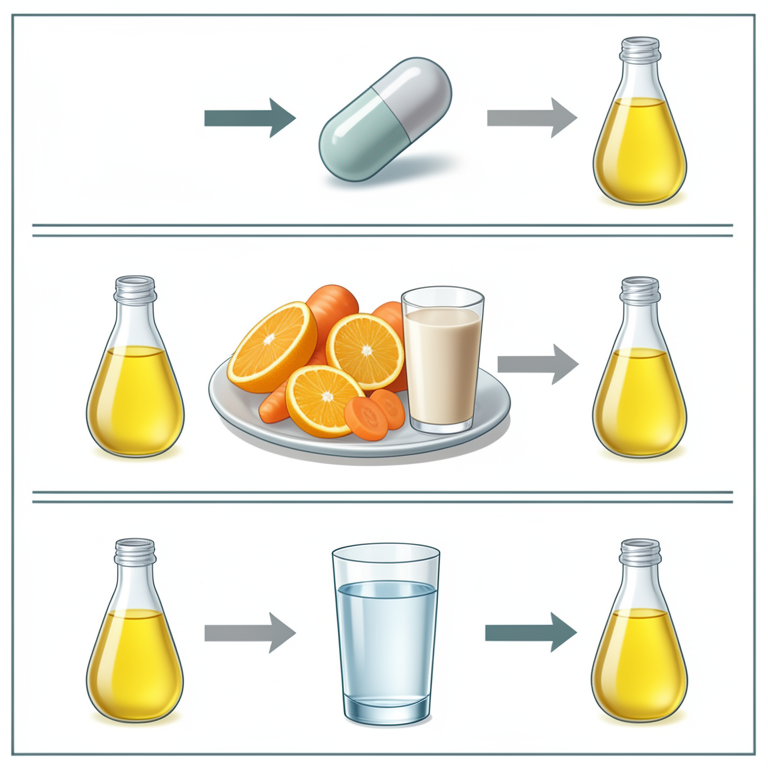
Intervention Group Comparison
AI-generated conceptual illustration (human serum lipoproteins and antioxidant sources). It explains the idea and does not show study data.
View source evidence ↗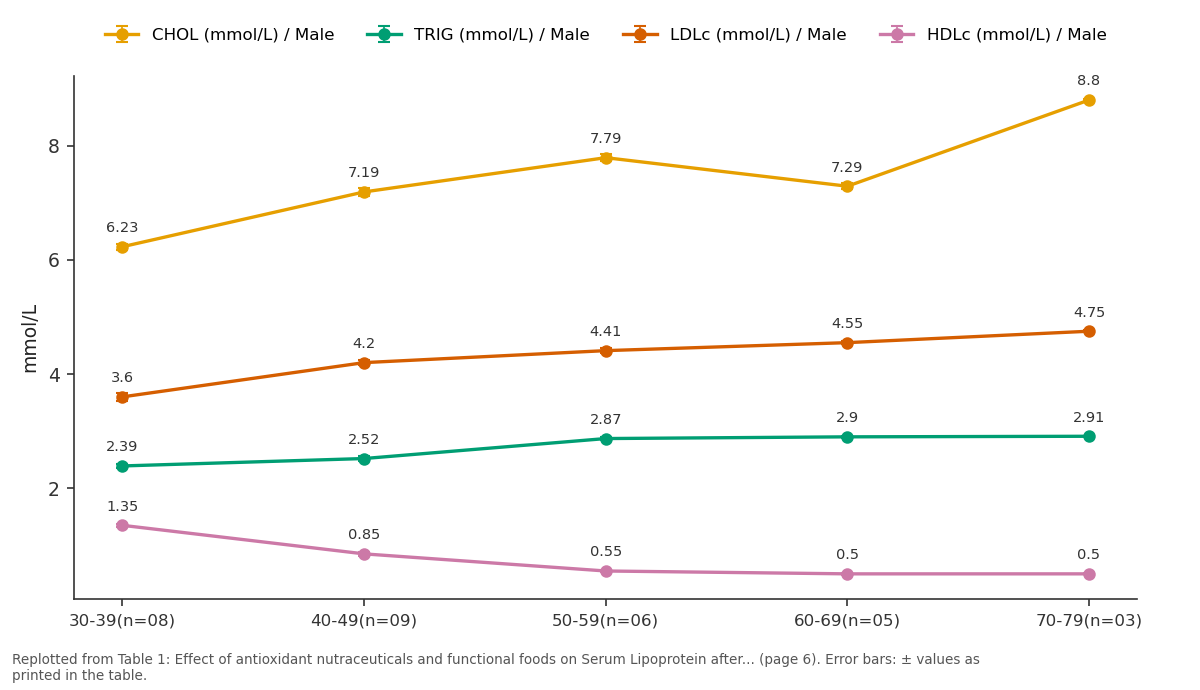
CHOL (mmol/L) / Male and TRIG (mmol/L) / Male and more: 30-39(n=08) vs 40-49(n=09) vs 50-59(n=06) vs 60-69(n=05) vs 70-79(n=03)
Replotted from Table 1 (page 6) of the original paper. Every bar is the paper's own table value.
View source evidence ↗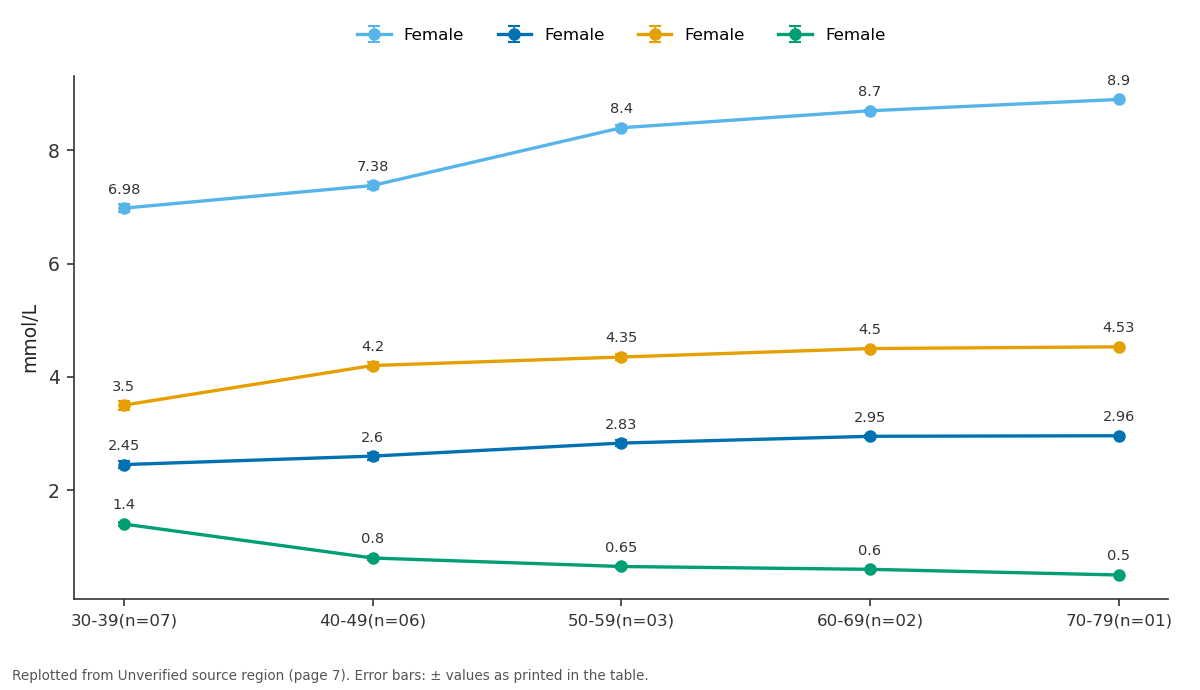
Female and Female and more: 30-39(n=07) vs 40-49(n=06) vs 50-59(n=03) vs 60-69(n=02) vs 70-79(n=01)
Replotted from a table (page 7) of the original paper. Every bar is the paper's own table value.
View source evidence ↗Figures & tables
From the original paper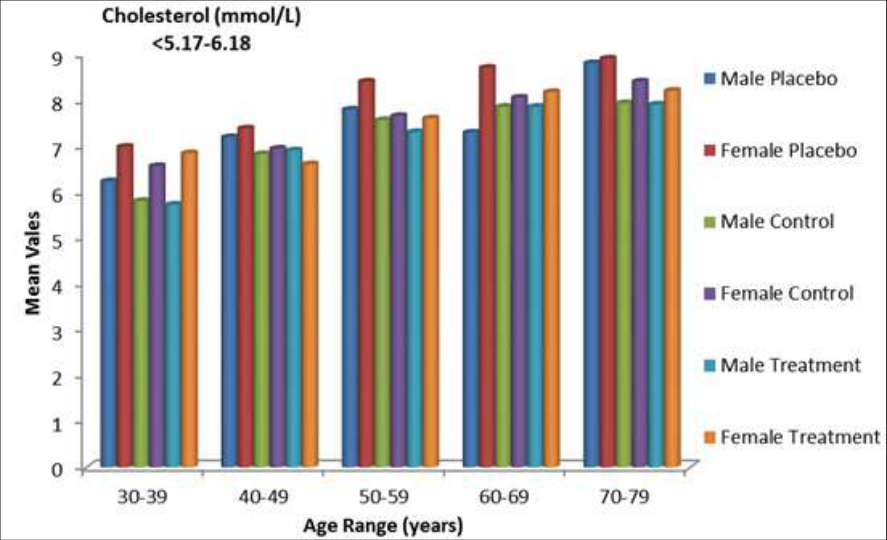 Figure 1
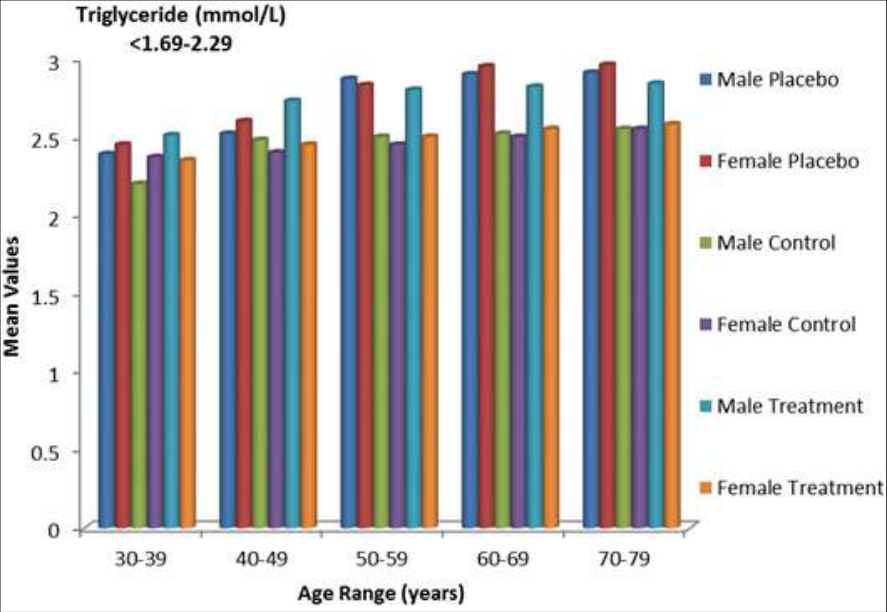 Figure 2
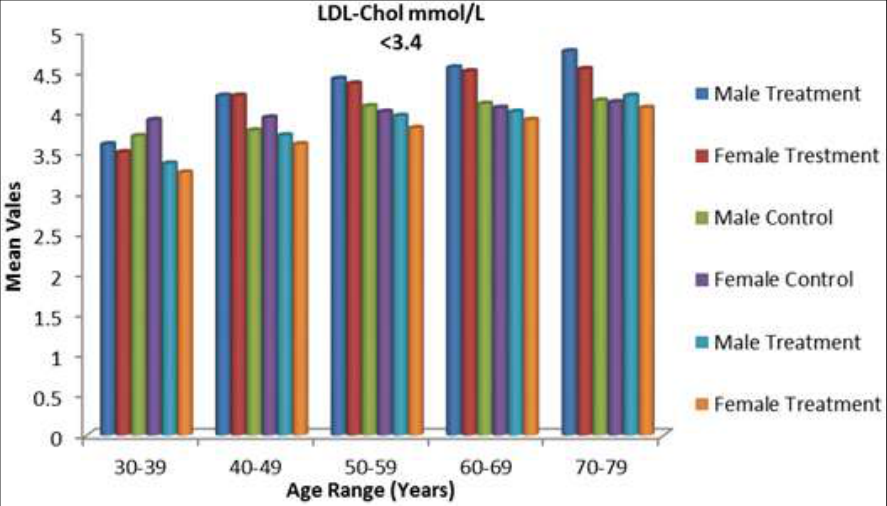 Figure 3
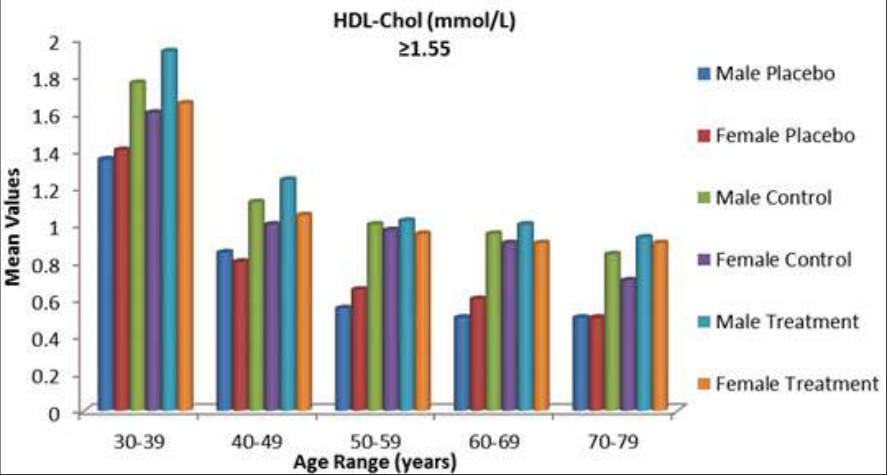 Figure 4
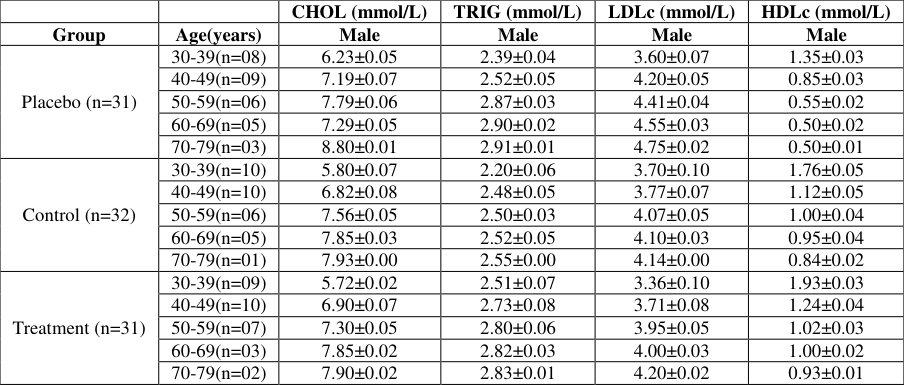 Table 1
Introduction
The immune system is a biological structure within an organism that protects against diseases; immune system detects a wide variety of agents from viruses to parasitic worms and distinguishes them from the organism's own healthy tissue. Immune cells are influenced by antioxidant/oxidant balance; the antioxidant levels play a vital role in maintaining immune cells in a reduced environment and in protecting them from oxidative stress. Because the immune system is critically dependent on accurate cell-cell communication in order to mount a response, immune cell integrity is essential. The effects of antioxidants are very beneficial during period of oxidative stress like the periods of infections, and in elderly. The presence of at least three of five criteria (obesity, low HDL-C, hyperglycerilaemia, hypertension and elevated glucose concentration) in man is term a metabolic syndrome [1,2] . Metabolic syndrome however is one of risk factors for cardiovascular disease [2] . Some of these risk factors and criteria for metabolic syndrome results from poor nutrition of saturated fats and high cholesterol diets which however led to an increase in cholesterol, LDL-C and triglyceride levels in the blood [3] and high level of triglycerides and cholesterol leads to decreased in the level of HDL-C in the blood [4] . Others risk factors are also involved however not controllable, those include age [5] , sex [6] race and heredity [5,6] . Increase in serum level of cholesterol is reported to be associated with early atherosclerosis in adolescent and young adults [7] . Coelho et al., [8] reported that atherosclerosis begins at childhood in a slow progression and characterized for the formation of atheromas that causes the restriction of blood flow. Atherosclerosis is a multi-risk factor and its incidence contributes both genetic and environmental factors leading to changes in plasma lipids and lipoproteins which eventually cause cardiovascular diseases. Hence, oxidation of LDL lipoprotein in vessels increases progression of cardiovascular diseases, but high level or increase in plasma HDL prevent progress of cardiovascular diseases [9] . Many studies have indicated that increased level of serum cholesterol and LDL and a corresponding decreased in HDL levels are the primary factors for predicting atherosclerotic and cardiovascular disease [9,10] . The protective effects of antioxidants may be mediated through inhibition of the oxidative modification of LDL-C which is reported to be a key step in the pathogenesis of atherosclerosis [11] .
The effects of antioxidants in reducing platelet adhesiveness [12] , preserving endothelium vessel function [13] and stabilizing plagues [14] supports its role in the prevention of atherosclerosis and thrombosis and in the regulation of vasomotor tone [15] . Several reports have suggested that higher intake of antioxidants may be an important factor in reducing the incidence of cardiovascular diseases in the general population [16] . Antioxidants are known to prevent LDL oxidation [17] and little evidence of the efficacy of a long term intervention of antioxidant nutraceuticals and functional foods on lipoproteins in healthy individuals. However, limited or no data is available in support of comparative effects of antioxidant nutraceuticals and functional foods on lipoproteins in these subjects according to age and sex distribution. Hence, the present study was undertaken to evaluate the effect of antioxidant nutraceuticals and functional foods on lipoproteins in healthy subjects according to age and sex distribution.
Materials and Methods
Materials and Methods
Study design and site
The study was conducted in Nasarawa State University, Keffi, Nigeria. Cross-sectional study design was employed in this study.
Study Population, inclusion and exclusion criteria
The study subjects included a total of 150 healthy adults of 96 men and 54 women aged between 30 and 74 years. All volunteers are staff of Nasarawa State University, Keffi, Nigeria. A randomized, prospective, parallel group, comparative, open dose and single centre study was undertaken by the 150 healthy subjects. The inclusion and exclusion criteria were adopted.
Ethical Review and Independent Monitoring
The scope, nature, aim and objectives of this study were thoroughly explained to voluntary participants for their consent, and all of them were made to sign an informed consent letter and a questioneer. Confidentiality was assured and privacy protected for the information collected by using numbers instead of names. The protocol was reviewed and approved by the Chairman Ethical committee, Federal Ministry of Health Abuja, Nigeria.
Baseline sample collection and six months antioxidant nutraceuticals and functional foods intervention
Baseline samples were collected before the six months dietary intervention after a 12-14 hour fast, in a 0.1% EDTA tubes for serum lipoproteins. Volunteers were at baseline randomly assigned to groups of three. Control group volunteers were given antioxidant nutraceuticals ((Forever living product) 1 capsule per day (containing vitamin E 10mg, vitamin C 60mg, and βcarotene 2,000mcg of vitamin A). The treatment group volunteers were given antioxidant functional foods of equivalent vitamin composition (oranges 100g, carrots 100g, and soybean drink 75 cl and 1 heaped table spoon of soybean powder 35g/day). The placebo group volunteers were giving clean drinking water (ordinary Swan table water 75 cl with no antioxidants) for twelve months.
Lipids and Lipoprotein Analysis
Total cholesterol was determined with lithium hyperinized plasma on Reflotron system [18] . Triglycerides concentrations were determined with reflotron in Lithium hyperinized plasma (based on GPO-PAD method, Tietz). Low density lipoprotein cholesterol (LDL-C) was calculated with Chawla [19] equation. LDLc= Total cholesterol-(Triglyceride/2.2-HDL) mmol/L or Total cholesterol-(triglyceride/5-HDL) mg/dL. Reference values were taken from Third Report of the National cholesterol Education, Evaluation Programme (NCEP) [18] . High density lipoprotein cholesterol were determined with reflotron in Lithium hyperinized plasma based on precipitation method [18] expert panel on Detection, Evaluation and Treatment of High blood cholesterol in Adult in 2001 [18] .
Statistical Analysis
Pair-wise comparisons of the means were validated using Analyze-It for Microsoft Excel Version 10, where a p-value < 0.05 was considered statistically significant. Further Post hoc test: the Fischer's least significant difference (LSD) was used together in the analysis of variance (ANOVA).
Result
Results of the plasma lipoproteins of the samples analyzed are presented in Table 1. There is a positive decrease in the cholesterol levels after antioxidant dietary intervention. There was a significant difference in the Cholesterol (CHOL) of different ages of male/female after treatment with LSD-Male (p-value) 0.59 (< 0.0001), and LSD-Female (p-value) 0.66 (0.0004). No significant difference was observed in the Cholesterol (CHOL) of different ages of male/female after treatment with LSD-Gender (p-value) 0.67 (0.1669). The result showed a positive decrease in triglyceride after antioxidants intervention. No significant difference was noted in the triglyceride (TRIG) level on ages of male/female after treatment with LSD-Gender (p-value) 0.42 (03604), LSD-Male (p-value) 0.32 (0.090), and LSD-Female (p-value) 0.33 (0.2862). Results of low density lipoproteins showed a significant decrease after antioxidant intervention. No significant difference was noted in the plasma Low density lipoprotein cholesterol (LDL-C) in all the ages of male/female after dietary intervention with LSD-Gender (p-value) 0.74 (0.6788) and on females with LSD-Female (p-value) 0.54 (0.1139) but a significant difference on the LDL-C of the male with LSD-Males (p-value) 0.49 (0.0291). High density lipoproteins showed positive increase after dietary intervention. There was no significant difference in high density lipoprotein (HDL-C) on ages of male/female with LSD-Gender (p-value) 0.77 (0.6432). However, a significant difference in HDL-C levels among the males with LSD-Male (p-value) 0.47 (0.0073), and a significant difference in HDL-C among the females with LSD-Female (p-value) 0.30 (0.0007). The results of CHOL after treatment showed that their concentrations in the blood are lower at age range of 50-59 in males (Male = 6.90 ± 0.07) than in females (Female = 6.60±0.04) and higher in males at age range of 30-39 in males (Males = 5.72 ± 0.02), 40-49 (Males = 6.90 ± 0.07), 60-69 (Males = 7.85 ± 0.02) and 70-79 (Males = 7.90 ± 0.02) than in females (Female = 6.84 ± 0.05), (Female = 6.60 ± 0.04), (Female = 8.17 ± 0.01) and (Female = 8.20 ± 0.00) of the same age ranges respectively.
| — | — | CHOL (mmol/L) | TRIG (mmol/L) | LDLc (mmol/L) | HDLc (mmol/L) |
|---|---|---|---|---|---|
| Group | Age(years) | Male | Male | Male | Male |
| Placebo (n=31) | 30-39(n=08) | 6.23±0.05 | 2.39±0.04 | 3.60±0.07 | 1.35±0.03 |
| 40-49(n=09) | 7.19±0.07 | 2.52±0.05 | 4.20±0.05 | 0.85±0.03 | |
| 50-59(n=06) | 7.79±0.06 | 2.87±0.03 | 4.41±0.04 | 0.55±0.02 | |
| 60-69(n=05) | 7.29±0.05 | 2.90±0.02 | 4.55±0.03 | 0.50±0.02 | |
| 70-79(n=03) | 8.80±0.01 | 2.91±0.01 | 4.75±0.02 | 0.50±0.01 | |
| Control (n=32) | 30-39(n=10) | 5.80±0.07 | 2.20±0.06 | 3.70±0.10 | 1.76±0.05 |
| 40-49(n=10) | 6.82±0.08 | 2.48±0.05 | 3.77±0.07 | 1.12±0.05 | |
| 50-59(n=06) | 7.56±0.05 | 2.50±0.03 | 4.07±0.05 | 1.00±0.04 | |
| 60-69(n=05) | 7.85±0.03 | 2.52±0.05 | 4.10±0.03 | 0.95±0.04 | |
| 70-79(n=01) | 7.93±0.00 | 2.55±0.00 | 4.14±0.00 | 0.84±0.02 | |
| Treatment (n=31) | 30-39(n=09) | 5.72±0.02 | 2.51±0.07 | 3.36±0.10 | 1.93±0.03 |
| 40-49(n=10) | 6.90±0.07 | 2.73±0.08 | 3.71±0.08 | 1.24±0.04 | |
| 50-59(n=07) | 7.30±0.05 | 2.80±0.06 | 3.95±0.05 | 1.02±0.03 | |
| 60-69(n=03) | 7.85±0.02 | 2.82±0.03 | 4.00±0.03 | 1.00±0.02 | |
| 70-79(n=02) | 7.90±0.02 | 2.83±0.01 | 4.20±0.02 | 0.93±0.01 |
Table text extracted from the original PDF; superscript letters are shown inline. The original table image is below.
View original table image
Discussion
The process of assimilation of lipids from the diet, their synthesis in the liver, adipose and peripheral tissues are inter-related and the levels of various lipoproteins in blood are well regulated. However, age, genetic and environmental factors (diet, smoking etc) can disturb the balance and lead to alterations in blood levels of one or more of the lipoproteins. Alteration in lipoprotein in blood is associated with artherogenesis and thrombogenesis which in turn may affect the immune level [20] . The blood levels of certain lipoproteins can serve as a diagnostic tool. High serum levels of cholesterol can cause diseases and death by contributing to the formation of atherosclerosis plaques in arteries throughout the body [21] . This excess cholesterol is present in the form of LDLc so called ''bad cholesterol''.
The ratio of cholesterol in the form of HDLc sometimes refer as ''good cholesterol'', to that of LDLc can be used to evaluate the susceptibility to the development of heart disease [22] . The current results for lipoproteins and effect of antioxidants revealed three main findings; Firstly, The antioxidant intervention positively influenced the lipoproteins compare to the placebo group with the antioxidant functional foods showing a better influence than
International Journal of Advanced Biochemistry Research the antioxidant nutraceuticals. Secondly, the females tend to have significantly higher HDL-cholesterol, triglycerides, and total cholesterol compared to the males, while males have higher LDLc compare to females. Lastly, the age group of the subjects who achieved higher serum lipid levels increased with increase in age with age 70-79 having the highest value of total chol, tig, LDLc, and uric acid while the HDL reduces with increase in age. Cholesterol is carried through the blood; Packaged in LDL particles, LDL is responsible for depositing cholesterol in walls of the arteries. These deposits from the fatty plaques that eventually narrow the arteries and could possibly lead to a heart attack. Scientists now know that before LDLc can have this effect; it first has to be modified by a free radical to form an oxidized LDL. Free radicals are unstable because they are missing electrons, which must be replaced. So they seek out other compounds in the body and steal electrons to restore stability. If the compound giving up its electrons is the fat or protein in an LDLc molecule, the result is the formation of fatty lessions in the walls of the blood vesselsthe hallmark of artheriosclerotic diseases. Diet, weight, physical activity, age and gender have been known to affect the lipoproteins especially the cholesterol level. As men and women get older their cholesterol levels rise mainly in the female after menopause, the cholesterol of the female is higher than that of the male. This may be due to estrogen level. Estrogen is associated with higher levels of HDLc and withdrawal of this natural estrogen by menopause leads to lower level of HDLc thus increasing the LDLc which is a risk factor of heart disease. Estrogen is present in significant amounts in both men and women. They are present in significantly higher amount in women after menarche until menopause. The primary function of estrogen is development of female secondary sexual characteristic (breast, menstrual cycle, endometrium etc. In males estrogen helps in maturation of the sperm and maintenance of a healthy libido. Oxidation of LDL particles is believed to be a significant contributor to atherogenesis. Susceptibility to oxidation varies from LDL particles to LDL particles and is determined by, among other factors, particle size (small, dense LDL particles are more easily oxidized than are large particles), particle composition (e.g. high content of polyunsaturated fatty acids increases susceptibility to oxidation), and level of antioxidants such as vit E within the particle. HDL protects LDL from oxidation, but is itself susceptible to oxidation. Such oxidation has been shown to increase HDL clearance and could be proatherogenic. Estrogen share structural similarities with vit E and other lipophilic antioxidants and are thus able to function as scavangers for lipid peroxyl radicals and interrupt the chain reaction of lipid peroxidation. Estrogen protects HDL from oxidation, an effect that should preserve the beneficial function of HDL, including the protection of LDL from oxidation. A plausible explanation suggest that the physiological and pathological roles of plasma lipoproteins likely change with age, data obtained support the hypothesis that "continuous reshaping in lipid physiology occurs with age and is a critical factor for survival and successful aging [6] . A major consequence of this reshaping in lipid is that changes in the serum/plasma level of proteins, lipids, and lipoproteins are considered risk factors for atherosclerotic vascular diseases with advancement in age. Thus, this study is in line with general hypothesis that a continuous remodelling develops with time as a result of the continuous adaptation to changes occurring in the body with age in response to internal and external damaging agents [21] . High levels of LDLc, and Trig are complicated structures their oxidative modification has been reported to be involved in cardiovascular diseases. The oxidative modifications of LDLc are associated with many degenerative diseases which are associated with ageing [23] ,
The study confirmed that Serum level varies in different ages with cholesterol, LDLc and triglyceride levels of the young being significantly lower than that of healthy elderly, whereas the HDLc was higher in the young subject. Physiologically low estrogen levels associated with menopause was proved to minimize LDL clearance by the liver and hence increase LDL-cholesterol in postmenopausal women. Ageing in females was proved to increase high density lipoprotein subfraction 3 (HDL3) cholesterol and decrease concentrations of high density lipoprotein subfraction 2 (HDL2) cholesterol. The high HDLcholesterol in the females group of the current study is possibly secondary to increased HDL3 fraction. Figures (1, 2, 3, 4) showed that the antioxidant functional foods positively affected the lipoproteins more than the antioxidant nutraceuticals. The antioxidant functional foods dietary intervention may have affected the lipoproteins positively because of their components: The soybean taken among the functional foods contains concentration of isoflavonoids phytoestrogen which is a group of biphenolic compounds with weak estrogen activity. Isoflavonoids in LDL particles have protective effect by reducing or eliminating concentrations of preformed lipid hydroperoxides which enhances initiation rate of oxidation. Thus, the soybean isoflavonoids may have lowered initiation rates because of reduced hydroperoxide formation in vivo;
The fact that the binding of cu 2+ to apolipoprotein B in LDL initiates lipid peroxidation. But Isoflavonoid phytoestrogens known to bind tightly to soybean protein and could be attached to binding sites of apolipoprotein B normally occupied by cu 2+ , thus inhibiting formation of lipid hydroperoxide. The soybean also contains vitamin E which is a good antioxidant it is an oil soluble vitamin is absorbed in fat globules (chylomicrons) that travel through lymphatic system of the small intestine and into the general blood circulation within the body. Vit E is highly lipophilic found in membranes of lipoproteins where it reacts at considerable rates with variety of free radical species with emphasis on lipid peroxyl radicals formed during lipid peroxidation. Vitamin E generally consists of phenols or aromatic amines. The initial step involves a very rapid transfer of phenolic hydrogen to the recipient free radical with the formation of a phenoxyl radical (αtocopheroxy radical) from vitamin E. The phenoxyl radical is resonance stabilized and is relatively underactive towards lipid or oxygen. It does not therefore continue the chain. However, the phenoxyl radical (α-Toc•) is no longer an antioxidant and to maintain the antioxidant properties of membranes, it must be recycled or repaired (i.e. reconverted to vitamin E) because the amount of vitamin E present in membranes can be several thousandfold less than the amount of potentially oxidizable substrate. Water-soluble vitamin C is the popular candidate for this role, but thiols and particularly GSH can also function in this role in vitro. The vitamin C in the oranges helps to reactivate the phenoxyl radical from vitamin E. Vitamin C or ascorbic acid (AH _ ) is a water-soluble vitamin that reacts with several radical species producing semidehydroascorbic acid or ascorbyl radical (A• _ ). Vitamin C is a powerful antioxidant because it can donate a hydrogen atom and form a relatively stable ascorbyl free radical (i.e. L-ascorbate anion). As a scavenger of ROS, ascorbate has been shown to be effective against the superoxide radical anion, hydrogen peroxide, the hydroxyl radical, and singlet oxygen. It is a powerful antioxidant because it can donate a hydrogen atom and form a relatively stable ascorbyl free radical (i.e. Lascorbate anion). The ascorbyl free radical can be converted back to reduced ascorbate by accepting another hydrogen atom or it can undergo further oxidation to dehydroascorbate. Dehydroascorbate is unstable but is more fat soluble than ascorbate and is taken up 10-20 times more rapidly by erythrocytes, where it will be reduced back to ascorbate by GSH or NADPH from the hexose monophosphate shunt. Vit C may have exerted a uricosuric effect, increasing glomerular filteration and/or competition for renal absorption by vit C and uric acid being reabsorbed via anoin-exchange transport at proximal tubules. This increase in glomerular filteration include the fact that vit C has an antioxidant effect that may reduce micro vascular ischemia in glomeruli and leads to increase blood flow at the site, dilation of afferent arterioles, and competition for reabsorption with ions such as sodium and potassium that exert osmotic effects. The dietary intervention with carrot as part of the functional food is rich in β-carotene. β-Carotene does not have the structural features commonly associated with chainbreaking antioxidants. In fact, the extensive system of conjugated double bonds in the molecule imparts prooxidant character, making it very susceptible to attack by the addition of peroxyl radicals. The resulting carbon-centered radical, β -car . , reacts rapidly and reversibly with oxygen to form a new, chain-carrying peroxyl radical, β -car-OO . . Indeed, β -carotene readily undergoes autoxidation. The reactivity of β-carotene towards peroxyl radicals and the stability of the resulting carbon-centered radical, β-car . , are two important features that give the molecule antioxidant capability. Firstly, the reactivity of β-carotene means that it has the potential to compete, even when present in low concentration, for peroxyl radicals derived from other lipid molecules (e.g., polyunsaturated phospholipid). Secondly, the stability of the carbon-centered radical, β -car . That is formed means that at sufficiently low O2 partial pressures this form can predominate over the chain carrying peroxyl radical form. In addition, β -car . The radical can be removed from the system in a reaction with another peroxyl radical. The reactivity of β-carotene towards peroxyl radicals and the stability of the resulting carbon-centered radical, β-car . , are two important features that give the molecule antioxidant capability. The combination of functional foods in group 3 (soybean, oranges and carrots) and nutraceuticals in group 2 (vitamin C, vitamin E, and B-carotene of forever living product) as dietary intervention may have affected the positive effect on the lipoproteins by synergistic effect of the antioxidants vitamin E, vitamin C and β-carotene. Probably, due to nutrient-nutrient interaction and presence of other antioxidants that are present in the functional foods group it has more positive influence than the nutraceuticals group on the lipoproteins. Previous studies support the result that 4tocopherol, tomatoes, vitamin C, B-carotene, and phenol compounds inhibit LDLc oxidation and protect lymphoid cells against cytotoxic effects of oxidized LDLc [22,27] . A plausible explanation suggest that the physiological and pathological roles of plasma lipoproteins likely change with age [8, 28], study support the hypothesis that "continuous reshaping in lipid physiology occurs with age and is a critical factor for survival and successful aging" [25] . A major consequence of this reshaping in lipid is that alterations in the serum/plasma level of proteins, lipids, and lipoproteins are considered risk factors for atherosclerotic vascular diseases with advancement in age [3,26,29] . The study is in line with general hypothesis that a continuous remodelling develops with time as a result of the continuous adaptation to changes occurring in the body with age in response to internal and external damaging factors [30] .
Conclusion
This study showed a significant improvement on the lipoproteins with antioxidant dietary intervention. A plausible explanation suggests that the physiological and pathological roles of plasma lipoproteins likely change with age [22] . Thus, the study is in line with general hypothesis that a continuous remodelling develops with time as a result of the continuous adaptation to changes occurring in the body with age in response to internal and external damaging agents [19] . Data of the present study suggest that the dietary intervention of antioxidant nutraceuticals and fusnctional foods intervention is likely to affect lipoprotein levels.
Acknowledgment
We acknowledge the cooperation of participants in the study. This work was sponsored by Tertiary Education Trust Fund, Nigeria.
Conflict of Interest
The authors declare no conflict of interest.
Figures and tables from the paper
References
30 in the original paper- Rossi R, Nuzzo A, Origliani G, Modena MG. Metabolic Syndrome Affects Cardiovascular Risk Profile and Response to Treatment in Hypertensive Postmenopausal Women. J. of Hypertension. 2008; 52:865-872.
- Grundy SM. Metabolic Syndrome: A Multiple Cardiovascular Risk Factor. J of Clin. Endocrin. Meta. 2007; 92:399-404.
- Nouri MHK, ANA Abad. Comparative Study of Tomato and Tomato Paste Supplementation on the Level of Serum Lipids and Lipoproteins Levels in Rats Fed With High Cholesterol. Iranian Red Cresc. Med. J. 2013; 15(4):287-291.
- Grundy SM, MA Denke. Dietary influences on serum lipids and lipoproteins. J of Lipid Res. 1990; 31(7):1149-1172.
- Marhoum TA, Abdrabo AA, Lutfi MF. Effects of age and gender on serum lipid profile in over 55 years-old apparently healthy Sudanese individuals. Asian J of Biomedic and Pharmaceut. Sci. 2013; 3(19):10-14.
- Dalacorte RR, Reichert CL, Vieira J. Metabolic syndrome and physical activity in southern Brazilian community-dwelling elders: a population-based, crosssectional study. BMC Pub. Health. 2009; 9:25.
- Sparling PB, Snow TK, Beavers BD. Serum cholesterol levels in college students: Opportunities for education and intervention. J of American Coll. Health Sci. 1999; 48(3):123-127.
- Coelho VG, Caetano LF, Liberatore Júnior Rdel R, Cordeiro JA, Souza DR. Lipid profile and risk factors for cardiovascular diseases in medicine students. Arquivos Brasileiros de Cardiologia. 2005; 85(1):57-62.
- Malloy MJ, Kane JP, Agents used in hyperlipidemia. Katzung BG (ed). Basic and clin. Pharmacy. 2004; 9:561-75.
- Vaskonen T, Mervaala E, Krogerus L, Karppanen H. Supplementation of plant sterols and minerals benefits of obese Zucker rats fed an atherogenic diet. J of Nutr. 2002; 132(2):231-237.
- Steinberg D. Antioxidants in the prevention of human atherosclerosis: summary of the proceedings of the National Heart, Lung and Blood Institute Workshop: Sept. 5-6, 1991, Bethesda, Maryland. Circulation. 1992; 85:2338-2344.
- Steiner M, Anastasi J. Vitamin E: an inhibitor of the platelet release reaction. J of Clin. Invest. 1976; 57:732737.
- Keaney JF, Gaziano JM, Xu A, Frei B, CurranCelentano J, Shwaery GT, et al. Dietary antioxidants preserve endothelium-dependent vessel relaxation in cholesterol-fed rabbits. Proceedings of the Nat. Acad. of Sci. USA. 1993; 90:11880-11884.
- Sasahara M, Raines EW, Chait A, Carew TE, Steinberg D, Wahl PW, et al. Inhibition of hypercholesterolemiainduced atherosclerosis in the nonhuman primate by probucol. J of Clin. Invest. 1994; 94:155-164.
- Mosca L, Rubenfire M, Mandel C, Rock C, Tarshis T, Tsai A, Pearson T. Antioxidant Nutrient Supplementation Reduces the Susceptibility of Low Density Lipoprotein to Oxidation in Patients with Coronary Artery Disease. J of the Americ. Coll. of Card. 1997; 30:392-399.
- Riccioni G, Bucciarelli T, Mancini B, DiIlio C, Capra V, D'Orazio N. The role of the antioxidant vitamin supplementation in the prevention of cardiovascular diseases. Expert Opinion on Invest. Drugs. 2007; 16(1):25-32.
- McRea MP, Vitamin C. supplementation lowers serum low-density lipoprotein cholesterol and triglycerides: a meta-analysis of 13 randomized controlled trials. J of Chiropractic Medicine. 2008; 7:48-58.
- Third Report of the National Cholesterol Education Programme (NCEP). Expert panel on detection, evaluation and treatment of high blood cholesterol in adults, adult treatment panel 111. The J of Americ. Med. Assoc. (JAMA). 2001; 285:2486-2497.
- Chawla R. Practical clinical Biochemistry, methods and interpretation. Jaypee Brothers, New Delhi. 1999; 2:511.
- Vance DE. Glycerolipid biosynthesis in eukaryotes. Vance DE & Vance JE (eds). Biochemistry of lipids, International Journal of Advanced Biochemistry Research lipoproteins and membranes. Elsevier Science, Amsterdam. 1996; 20:153-181.
- Brown MS, Goldstein JL. A receptor-mediated pathway for cholesterol homeostasis. J of Biol. Sci. 1986; 232:34-47.
- Chan L, Apolipoprotein B. The major protein problem of triglyceride-rich and low density lipoproteins. J of Biol. Chem. 1992; 25; 267(36):25621-25624.
- Fisberg RM, Stella RH, Morimoto JM, Pasquali LS, Philippi ST, MRDO Latorre. Perfil lipídico de estudantes de nutrição e a sua associação com fatores de risco para doenças cardiovasculares. Arquivos Brasileiros de Cardiologia. 2001; 76:137-142.
- Danesh J, Collins R, Peto R. Lipoprotein and coronary heart disease. Metanalysis of prospective studies. Circulation. 2000; 102:1082-1085.
- Packer L, Weilber SU. The role of vitamin E in the emerging field of nutraceuticals. Kramer K, Happer PP and Parker L (eds). Nutraceuticals in health and diseases prevention. Marcel dekkar, New York, 2001, 27-43.
- Fagiolo U, Cossariza A, Scala E, Fanales-Belasio E, Ortolani C, Cozzi E et al. Increased cytokine production in mononuclear cells of healthy elderly people. Eur. J of Immun. 1993; 23(9):2375-2378.
- Assmann G, Schulte H. Relation of high density lipoprotein Cholesterol and triglycerides to Incidence of artherosclerotic Coronary artery disease: the PROCAM experience. Americ. J of Cardiol. 1992; 70:733-737.
- Rabelo LM, Viana RM, Schimith MA, Patin RV, Valverde MA, Denadai RC et al. Fatores de Risco para Doença Aterosclerótica em Estudantes de uma Universidade privada em São Paulo -Brasil. Arquivos Brasileiros de Cardiologia. 1999; 72:569-574.
- Hennekens CH, Buring JE, Manson JE, Stampfer M, Rosner B, Cook NR, Belanger C et al. Lack of effect of long-term supplementation with beta carotene on the incidence of malignant neoplasms and cardiovascular disease. New Engl. J of Med. 1996; 334:1145-1149.
- Franceschi C, Monti D, Sansoni P. A Cossarizza The immunology of exceptional individuals: the lesson of centenarians. Immunology Today. 1995; 16:12-16.
Cited by 1
From OpenAlex, OpenCitations and reference lists read by Scinovex
- The Role of Antioxidant on Health and Age-Related Diseases in Aging ↗
Bee Ling Tan, Mohd Esa Norhaizan · Springer eBooks · 2021
❝ 5