
Research article · 2018 · Full text
International Journal of Advanced Biochemistry ResearchReview of epidemiology, diagnosis, control, therapeutics and vaccine development for Crimean-Congo hemorrhagic fever
Volume 2(1) · Pages 01–05 · DOI: 10.33545/26174693.2018.v2.i1a.7 ↗
Research areasViral Infections and VectorsMosquito-borne diseases and controlViral Infections and Outbreaks Research
Abstract
Author-writtenCrimean-Congo Hemorrhagic Fever (CCHF), among the high-priority pathogens because of its high case fatality rate and its potential for nosocomial outbreaks and the subsequent difficulties in treatment and prevention. For the last four decades, the virus has repeatedly caused an endemic in many parts of the world including Pakistan, Iran and India. Though this virus is responsible for relatively low numbers of human casualties, it is up to 80% fatal in the clinically infected patients. The availability of present diagnostic techniques is not enough for timely rescue of CCHF infected patients. The progressive work for the development of new rapid specific and reliable diagnostic tests is the need of time for the infected patient. At present Ribavirin drug is available to the clinicians as recommended therapeutic intervention. The efforts to include the other drugs like favipiravir may also be continued for its clinical efficacy and safety. Currently no safe and effective vaccine is available either for human or animal use that can prevent this disease. The development of vaccines in line with the requirement of Targeted Product Profile (TPP) as per the standards of Food and Drug Administration (FDA) is essentially needed. We discuss the techniques used in the preparation of different vaccines concerning their success and failures. In this review, we also discuss epidemiology, diagnosis, treatment and prevention in the light of recent global advances.
Summary
Source-checkedPlain-language reading of the full paper, prepared with AI and checked against the text. Each point links to the authors' own words.
Why it matters
- Crimean-Congo Hemorrhagic Fever (CCHF) is considered a high-priority pathogen due to its high fatality rate and the risk of outbreaks in healthcare settings. View evidence ↗
- CCHF is a zoonotic disease transmitted by ticks, characterized by hemorrhage and a fatality rate ranging from 50% to 80%. View evidence ↗
- Ticks of the genus Hyalomma serve as the primary vectors for the transmission of the CCHF virus (CCHFV). View evidence ↗
The question
- The authors aim to review and describe current knowledge regarding the epidemiology, diagnosis, control, therapeutics, and vaccine development for CCHFV. View evidence ↗
What they did
- Standard diagnostic methods for CCHF include RT-PCR for viral RNA, antigen-capture ELISA, virus isolation, and ELISA for IgG and IgM antibodies. View evidence ↗
- Experimental research utilizes two primary mouse models: A129 mice (deficient in type-I interferon receptor), which are susceptible to doses as low as 10 focus forming units, and STAT-1 knockout mice. View evidence ↗
What they found
- A study in Iran (1999–2001) found that oral ribavirin reduced the case fatality rate to 11.6% (8/69 patients) compared to 58.3% (7/12 patients) in untreated patients, showing 80% efficacy. View evidence ↗
- Conversely, a study by Koksal I et al. reported no supportive effect for ribavirin and noted negative effects, including delayed normalization of leukocyte levels and longer hospital stays. View evidence ↗
- The Bulgarian mouse brain-derived vaccine was associated with a four-fold reduction in reported cases, though this is controversial as cases also decreased in unvaccinated populations. View evidence ↗
- A DNA vaccine targeting Gc and Gn genes induced both humoral and cell-mediated immune responses, leading to complete survival in challenged mouse models. View evidence ↗
- The MVA-GP vaccine candidate has demonstrated efficacy against lethal CCHFV infection. View evidence ↗
What it means
- The authors conclude that completing Target Product Profiles (TPPs) on a priority basis is essential for the development of effective CCHF treatments. View evidence ↗
- The lack of suitable experimental animal models has left the pathogenicity factors of CCHFV largely unexplored. View evidence ↗
- A non-human primate model with an immune system closely resembling that of humans has not yet been identified for CCHF research. View evidence ↗
Visual summary
1 visualsIllustrations explain the paper; they do not show study data.
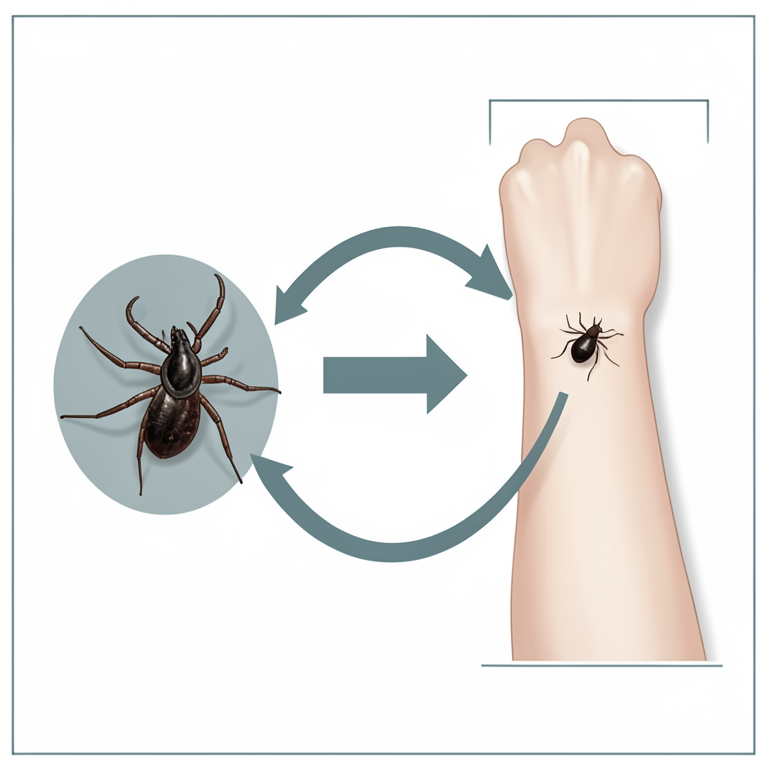
CCHF Transmission Cycle
AI-generated conceptual illustration (Hyalomma ticks, cattle, and humans). It explains the idea and does not show study data.
View source evidence ↗Introduction
Crimean Congo Hemorrhagic Fever is a potentially fatal tick-borne zoonotic disease characterized by hemorrhage, with a fatality rate of between 50-80% [1] . The CCHFV is the leading causative agent of this lethal Crimean Congo Hemorrhagic Fever. Belonging to the families of Bunyaviridae, and genus Nairovirus, this virus and is the one of the most devastating tick-borne virus [2,3] . The tick is primary vector of this disease responsible for the transmission of CCHFV, and it belongs to the genus Hyalomma. The pathogenicity factor of CCHFV is unexplored due to the lack of suitable experimental animal models [4] . The environmental conditions in Pakistan are most favorable for propagation of these ticks among domestic animals, this aggravates the chances of spread of the CCHFV infection [5] . The CCHFV has spread to the extent that it is now found in Europe, Asia, Africa, the Middle East, and the Indian subcontinent. As of now no specific medicine is available either for human or animal use that can prevent this disease. Anti-viral drug Ribavirin has been recommended and used to treat CCHF viremia, but due to several specific conditions of its effectiveness, the general supportive care remains as the sole approach to treat a CCHF victim [6,7] .
History of Diagnostic tests developed for CCHF
Laboratory tests that are used to diagnose CCHF include antigen-capture enzyme-linked immunosorbent assay (ELISA), real-time polymerase chain reaction (RT-PCR), virus isolation attempts, and detection of antibody by ELISA (IgG and IgM). Laboratory diagnosis of a patient with a clinical history compatible with CCHF can be made during the acute phase of the disease by using the combination of detection of the viral antigen (ELISA antigen capture), viral RNA sequence (RT-PCR) in the blood or in tissues collected from a fatal case and virus isolation [8,11] . The polymerase chain reaction (PCR) and Real-Time PCR, as molecular method for detecting the viral genome, has been successfully applied in the diagnosis. The use of direct and indirect enzyme-linked immunosorbent assay in ELISA and solid-phase radioimmunoassay technique called SPRIA are the latest on diagnostic list. This technique is becoming increasingly important as a sensitive, rapid, reproducible method for quantitation of viral antigen and antibodies because of its low detection capabilities of virus detection. It is useful for the detection of the low level of infecting virus (2 log LD50) in short time of 5-6 hours. These methods were reported more sensitive, specific, rapid, and reproducible than that of the complement-fixation test, immunofluorescence, hemagglutination, or radial diffusion in the gel. The experimental design of ELISA and SPRIA developed for CCHF may also be used with success for the detection of the infection of other members of the Bunyaviridae family [12,13] .
Control and Therapeutics against CCHFV
The endeavor of controlling CCHF infection remained unsuccessful in the ticks and animals. As the tick to animal and animal to tick cycle usually goes unnoticed and the infection in domestic animals usually prevails un-evidently. Furthermore, the tick vectors are numerous and widespread, so the use of chemicals for tick control with the intention to eradicate and kill ticks is only manageable in wellcontrolled livestock production facilities [14,15] . In the current worldwide situation, no approved therapeutic intervention is available for CCHF with promising results [16] . Ribavirin, a broad anti-RNA virus inhibitor, has demonstrated antiviral activity in the experiments carried out on cell cultures [17] . Also found effective in disease control experiments on1 INF knockout transgenic mouse model [18,19] . A clinical study conducted between 1999-2001 in Iran demonstrated the case fatality rate was 11.6% (8 of 69 patients) in the group treated with oral ribavirin compared with 58.3% (7 of 12 patients) in the untreated group, which corresponded to 80% efficacy (P< 0.001) by Mardani et al.. [20] , This study provided the basis to the World Health Organization for the recommendation for treating CCHF patients with ribavirin [21] . In another study by Koksal I et al., no supportive effect reported in clinical or laboratory parameters of CCHF patients treated with ribavirin. It was also reported that leukocyte levels took longer to return to normal, the longer period of hospitalization was also reported as a negative effect. Because of these reasons, it is was concluded that the use of ribavirin makes no significant contribution to the prognosis of the CCHF [22] . The immune protective mechanisms that allow man and animal to survive CCHFV infection remain unclear as such no immune system correlation of protection mechanism has been fully defined. The suitable non-human primate model for experiments on this disease, whose immune system shows a close similarity to that of a human not identified yet. Type 1 IFNs probably plays a key role in limiting early replication and spread of viruses in men and animals [23] . The vitro interferon intervention has no significant activity against the spread CCHFV activity its utility in postexposure treatment in a CCHF patient is also remains mostly unknown [24] . The Monoclonal antibodies were developed for CCHF specific to the Gn and Gc glycoproteins, its virus neutralization in-vitro did not correlate with protection against illness or death in vivo interventions [24] .
The only experimental model to induce CCHF disease was newborn mice for many years in the past [25] . However, development of two mouse strains has been reported now in line with the advancement of the experimental research. The first mice were deficient in the type-I interferon receptor A129. They are highly susceptible to CCHFV low doses of 10 focus forming units are enough to induce infection [26] . It was also demonstrated that the primarily targeted organ was liver in mice, which resembles the clinical situation in human CCHFV infection [27] . The second model was the STAT-1 knockout mice model which kept deficient in signaling defects in the formation of all three types of interferon (type I, α and β; type II, γ; and type III, λ) [28] making this model more susceptible to induce CCHFV infection for experimentations. However, as such no mammal with the fully functional immune system has been documented so far except humans that can develop disease upon exposure to CCHFV infection and can provide observations for further experimentation against the treatment of this fatal disease. [29] . Ribavirin so far is used in the clinical practice but the outcome is still in the shadows due to many other related factors including the timing of starting treatment of CCHFV victims [29] . Some other RNA-virus inhibitors drugs exist as candidates for CCHF treatment. It is essential to phase further experiments and detailed investigations for its future therapeutic use. The next broad-spectrum RNA viral inhibitor drug favipiravir has already been reported which has some promising results both in vitro and in vivo that supports to continue investigations for use against CCHF [30] .
Development of Vaccine against CCHFV
Due to inevitable co-living of men and animal, as well as the absence of safe and approved treatments the CCHFV, kept on spreading in many parts of the world [31] . The development of an efficacious safe and affordable vaccine is most essentially needed to prevent infection in human populations as well as the animals. The preventive protection for humans and animal will reduce the number of cases of CCHF and subsequently reduce the risk of nosocomial and zoonotic transmissions [31] . The suckling mouse brain vaccine was developed in 1970 in the Soviet Union. This isolated virus was inactivated by the use of chloroform, heated at 58 °C, separated and absorbed on Al (OH) gel. It was approved and licensed in Bulgaria and have been used in endemic areas for the vaccination of military personnel including medical and agricultural workers since 1974. The current Bulgarian vaccine used the strain of CCHFV, V42/81 [32] . The data from Bulgarian Ministry of Health indicate a four times reduction in the reported CCHF cases, but the outcome as of this vaccination remained controversial because of the number of CCHF cases were also reduced in un-vaccinated surrounding population of the same regions, on the basis of this it was uncertain to say that reduction in the number of CCHF cases was due to the Bulgarian CCHF vaccination [33] . The first detailed clinical study analysis of the cellular and humoral immune response in healthy individuals following the immunisation with the Bulgarian vaccine was carried out in 2012 [34] . This data showed that although vaccinated individuals developed anti-CCHFV immunity as measured by neutralization assays, the responses were low and required three or more booster vaccine doses to improve immune responses [34] . Mouse brain-derived vaccines also raise concerns due to possible auto-immune and allergic reactions induced by "myelin" encephalitogenic protein thus the Bulgarian vaccine fails to gain widespread international regulatory approval [35] .
TPP Standards
The Target Product Profile (FDA, TPP) standard for a CCHF vaccine are; it must be suitable for the coverage of regions affected by CCHFV. Acceptable to regulatory authorities, capable of initiating humeral and cellular responses, should be able to demonstrate protection against CCHFV challenge. The expression of the gene must be from an authentic source. The product thus developed be affordable to regions of limited health finances. It should be able to be produced rapidly in outbreak conditions. Relatively stable for vaccination in hot climate areas without extra cold chain maintenance cost. Manufacturing technology similar and acceptable to existing safety standards for easy licensing by the authorities. Though the public health focus is on human vaccination, it is also likely that veterinary vaccines against CCHFV infection will also play an essential role in preventing the spread of CCHF to humans [36] .
DNA Vaccines
A DNA vaccine expressing the entire M genome segment of CCHFV has been developed [37] . The vaccination was tried alone or in combination with other DNA vaccines against Rift Valley fever virus, tick-borne encephalitis virus and Hantan virus, neutralizing antibodies were only detected in around half of the vaccinated mice, with protecting antibodies recognizing both Gn and Gc genes of CCHFV [37] . Studies with this DNA vaccine were limited to immunogenicity assessment by serological assay, as a suitable model for experimentation with CCHF disease was not available at that time. Recently, a DNA vaccine coding for CCHFV Gc, Gn genes also demonstrated induction of both humeral and cell-mediated immune responses which elicited complete protection and survival in challenged mouse model [38] .
Inactivated Vaccines
As the data on the immune response to the Bulgarian mouse brain-derived vaccine were limited. In 2010 a study of eight vaccines was published, demonstrating T-cell activity and humeral responses [38] . Repeated dosing of antibodies required to show neutralization activity and increase T-cell responses, suggesting that booster vaccinations doses may be needed to confer protective immunity [38] . Though this data provides evidence on the immune response, efficacy data on the vaccine is still not published or reported for this inactivated vaccine.
Modified Vaccinia Virus Ankara vaccine
As to date, no licensed vaccine is available to give preventive protection against CCHFV, the development of safe effective and affordable vaccine is the need of time which can accommodate the requirements for the development of modern immunization concepts and get international regulatory approval. The MVA-GP vaccine candidate developed against CCHF. This vaccine has been reported to demonstrated efficacy against lethal CCHFV infection. This vaccine seems to be attractive for getting international licensure from regulatory authorities; it is, therefore, desirable to get more research data about this candidate vaccine [39] .
Discussion
There is an increasing concern about the geographical spread of CCHF resulting from various factors. Changes in the land use, agricultural practices, hunting activities and movement of livestock are some of the major aggravating dynamics. Similarly, many other environmental and climate changes that are influencing the host-tick-virus spreading crescendos that are supporting the epidemiology of this disease and are responsible for rapid escalation of the disease in many parts of the world. [40] . A recent modelling study has used the database of human CCHF occurrence to map the global distribution of risk for human CCHF occurrence and concluded that Turkey, Iran, Romania, Moldova and Ukraine have the largest areas of high risk for CCHF occurrence and parts of Russia, Syria, Iraq and central Asia have high occurrence probabilities [41] . Because of its high fatality rate and its potential for nosocomial outbreaks and the subsequent difficulties in treatment and prevention CCHF is becoming a global issue. The purpose of this paper is to report and describe the extent of current published knowledge and developments relating to the following aspects of CCHFV biology and management: epidemiology, prevention, control; diagnosis; therapeutics and vaccines development. The basic pathogenesis of CCHFV infection can be identified from the clinical pathology tests in humans during the course of the disease and by the examination of necropsies of dead animals used in vivo studies. The non-availability of a susceptible animal model for CCHFV infection has severely hampered the research work on treatment options and on development of vaccines; for decades the only lethal animal model to induce CCHFV infection was only the newborn mice. However, in 2010 two mouse models were developed the first, mice with deficiencies in their type-I interferon receptor (A129) and the second model was the STAT-1 knockout mouse model. The research experimentation was undertaken on these models [26,28] . Anti-viral drug Ribavirin has been recommended and used to treat CCHF viremia, but due to several specific conditions of its effectiveness, the general supportive care remains as the sole approach to address a CCHF victim. As such, there is no safe and effective vaccine currently available either for human or animal use that can prevent this disease. Furthermore, this effort can help the health management authorities to identify gaps in current knowledge and the need for further research and development. It is intended to assist in the development of a CCHF R&D roadmap, and subsequently, the Target Product Profiles (TPPs) needs to be completed on a priority basis for effective CCHF treatment product development. As part of the recent progress, a consultative meeting was organized by WHO to finalize "R&D BLUEPRINT ROADMAPS CONSULTATION ON CRIMEAN-CONGO HAEMORRHAGIC FEVER (CCHF) in France 2018" [7] . The vision, strategic objectives and goals discussed as follows: The availability of affordable near-patient diagnostic nucleic-acid tests and the use of rapid diagnostic test (RDT) at the point-of-care should essentially be provided. Similarly, the prospective clinical trials in welldesigned multi-centers for the evaluation of potential activity of antivirals must be continued. The research on International Journal of Advanced Biochemistry Research identification and characterization of relevant animal models of CCHF which recapitulate the pathogenesis and immuneoprotective mechanisms of the human disease should be given more attention. These models thus identified should be acceptable as close match to regulatory authorities as well as experimenting scientist for the acceptance of results in the preclinical evaluation of novel CCHF vaccines and therapeutics. The development and the subsequent assessment of new drugs, biologicals and their combinations for their efficacy as CCHF therapies in relevant animal models through to early clinical trials may also be given more attention. Emphasis be given on the development, prioritization and progression of the best human CCHF vaccine candidates for licensing which can take lead as candidate vaccine entering phase I trial as the primary step and phase II trial as a the follow-up should also be taken into consideration by the scientists and clinicians working on the research programs. [7]
References
39 in the original paper- Fajs L, et al. Prevalence of Crimean-Congo hemorrhagic fever virus in the healthy population, livestock and ticks in Kosovo. PLo S ONE. 2014; 9(11): e110982.
- Burney MI, Ghafoor A, Saleen M, Webb PA, Casals J. Nosocomial outbreak of viral hemorrhagic fever caused by Crimean Hemorrhagic fever-Congo virus in Pakistan. Am J Trop Med Hyg. 1976; 29(5):941-947.
- Bente DA, et al. Crimean-Congo hemorrhagic fever history, epidemiology, pathogenesis, clinical syndrome and genetic diversity. Antiviral Res. 2013; 100(1):159189.
- Pratap Shivendra, Narwal Manju, Dev Aditya, Dhindwal Sonali, Tomar Shailly, Kumar Pravindra, et al. Crimean-Congo Hemorrhagic Fever Virus Strategies to Combat with an Emerging Threat to Human. Current Bioinformatics. 2012; 7(4):467-477.
- Khurshid A, et al. CCHF virus variants in Pakistan and Afghanistan: Emerging diversity and epidemiology. J Clin Virol. 2015; 67:25-30.
- Who R&D Blueprint Roadmaps. Consultation on Crimean-Congo Haemorrhagic Fever (CCHF) Les Pensières, Centre for Global Health, Veyrier-du-Lac, France. 5-6 March, 2018.
- Who R&D Blueprint. Crimean-Congo Hemorrhagic Fever (CCHF) Baseline Situation Analysis, 2018.
- Burt FJ, Swanepoel R, Braack LE0. Enzyme-linked immunosorbent assays for the detection of antibody to Crimean-Congo hemorrhagic, fever virus in the sera of livestock and wild vertebrates Epidemiology and Infection. 1993; 111:547-557.
- Bun FJ, Leman PA, Smith J, Swane poem R. The use of a reverse transcription-polymerase chain reaction for the detection of viral nucleic acid in the diagnosis of Crimean-Congo hemorrhagic fever virus Journal of Virological Methods. 2002; 11:167-177.
- Petra Emmerich, Angela Mika, Ronald von Possel, Anne Rackow, Yang Liu, Herbert Schmitz, et al. Sensitive and specific detection of Crimean-Congo Hemorrhagic Fever Virus (CCHFV) Specific IgM and IgG antibodies in human sera using recombinant CCHFV nucleoprotein as antigen in μ-capture and IgG immune complex (IC) ELISA tests. 2018. https://doi.org/10.1371/journal.pntd.0006366
- Shepherd AJ, Swanepoe lR, Leman PA, Shepherd SP. Comparison of methods for isolation and titration of Crimean Congo hemorrhagic fever virus. Journal of Clinical Microbiology. 1986; 24:654-656.
- Donets MA, Rezapkin GV, Ivanov AP, Tkachenko EA. Immunosorbent Assays for Diagnosis of CrimeanCongo Hemorrhagic Fever (CCHF). The American Journal of Tropical Medicine and Hygiene. 1982; 31:156-162.
- Shepherd AJ, Swanepoel R, Leman PA. Antibody response to Crimean-Congo hemorrhagic fever virus. Reviews of Infection Diseases. 1989; 2:S801-S806.
- Yilmaz R, Kundak AA, Ozer S, Esmeray H. Successful treatment of severe Crimean-Congo hemorrhagic fever with supportive measures without ribavirin and hypothermia. J Clin Virol: Off Publ Pan Am Soc Clin Virol. 2009; 44:181-182.
- Watts DM, Ussery MA, Nash D, Peters C. Inhibition of Crimean-Congo hemorrhagic fever viral infectivity yields in vitro by ribavirin. The Am J Trop Med Hyg. 1989; 41:581-585.
- Bente DA, Alimonti JB, Shieh WJ, Camus G, Stroher U, Zaki S. Pathogenesis and immune response of Crimean-Congo hemorrhagic fever virus in a STAT-1 knockout mouse model. J Virol. 2010; 84:11089110100.
- Akira S. Functional roles of STAT family proteins: lessons from knockout mice. Stem cells. 1999; 17(3):138-146.
- Mardani M, Jahromi MK, Naieni KH, Zeinali M. The efficacy of oral ribavirin in the treatment of crimeancongo hemorrhagic fever in Iran. Clin Infect Dis: Off Publ Infect Dis Soc Am. 2003; 36:1613-1618.
- Maltezou HC, Papa A. Crimean-Congo hemorrhagic fever: epidemiological trends and controversies in treatment. BMC Med. 2011; 9:131.
- Koksal I, Yilmaz G, Aksoy F, Aydin H, Yavuz I, Iskender S. The efficacy of ribavirin in the treatment of Crimean-Congo hemorrhagic fever in Eastern Black Sea region in Turkey. J Clin Virol: Off Publ Pan Am Soc Clin Virol. 2010; 47:65-68.
- Hasan Z, Mahmood F, Jamil B, et al. Crimean-Congo Hemorrhagic Fever nosocomial infection in a immunosuppressed patient, Pakistan: case report and virological investigation. J Med Virol. 2013; 85:501504.
- Blackburn NK, Besselaar TG, Shepherd AJ, Swanepoel R. Preparation and use of monoclonal antibodies for identifying Crimean-Congo hemorrhagic fever virus. Am J Trop Med Hyg. 1987; 37(2):392-397.
- Smirnova SE, Zubri GL, Savinov AP, Chumakov MP. Pathogenesis of experimental Crimean hemorrhagic fever infection in newborn white mice. Acta Virol. 1973; 17:409-415.
- Bereczky S, Lindegren G, Karlberg H, Akerstrom S, Klingstrom J, Mirazimi A. Crimean-Congo hemorrhagic fever virus infection is lethal for adult type I interferon receptor-knockout mice. J Gen Virol. 2010;
- Swanepoel R, Gill DE, Shepherd AJ, Leman PA, Mynhardt JH, Harvey S. The clinical pathology of Crimean-Congo hemorrhagic fever. Rev Infect Dis. 1989; 11(4):794-800.
- Akira S. Functional roles of STAT family proteins: lessons from knockout mice. J Stem Cells. 1999; (17):138-146.
- Soares-Weiser, Sherine Thomas, Gail Thomson G, Paul Garner. Ribavirin for Crimean-Congo hemorrhagic fever: systematic review and meta-analysis Karla. BMC Infect Dis. 2010; (10):207.
- Jessica R, Spengler, Dennis A Bente. Therapeutic intervention in Crimean-Congo hemorrhagic fever: where are we now? Future Virology. 2015, (10)3.
- Mertens M, Schmidt K, Ozkul A, Groschup MH. The impact of Crimean-Congo hemorrhagic fever virus on public health. Antivir Res. 2013; 98:248-260.
- Papa A, Papadimitriou E, Christova I. The Bulgarian vaccine Crimean-Congo haemorrhagic fever virus strain. Scandinavian J Infect Dis. 2011; 3:225-229.
- Christova I, Kovacheva O, Greorgieva G, Ivanova S, Argirov D. Vaccine against Congo-Crimean haemorhagic fever virus-Bulgarian input in fighting the disease. Probl Infect Parasit Dis. 2010; 37:7-8.
- Mousavi-Jazi M, Karlberg H, Papa A, Christova I, Mirazimi A. Healthy individuals' immune response to the Bulgarian Crimean-Congo hemorrhagic fever virus vaccine. Vaccine. 2012; 30:6225-6229.
- Hemachudha T, Griffin DE, Giffels JJ, Johnson RT, Moser AB, Phanuphak P. Basic Myelin protein as an encephalitogen in encephalomyelitis and polyneuritis following rabies vaccination. The New England J Med. 1987; 316:369-374.
- Development of vaccines against Crimean-Congo haemorrhagic fever viru Stuart D. Dowall, Miles W. Carroll, Roger Hewson Vaccine. 2017; 20-35(44): 6015-6023.
- Spik K, Shurtleff A, McElroy AK, Guttieri MC, Hooper JW, Schmal John C. Immunogenicity of combination DNA vaccines for Rift Valley fever virus, tick-borne encephalitis virus, Hantaan virus, and Crimean Congo hemorrhagic fever virus. Vaccine. 2006; 24:4657-4666.
- Hinkula J, Devignot S, Akerstrom S, Karlberg H, Wattrang E, Bereczky S. Immunization with DNA plasmids coding for crimean-congo hemorrhagic fever virus capsid and envelope proteins and / or virus-like particles induces protection and survival in challenged mice. J Virol. 2017; 10:23-91
- Buttigieg KR, Dowall SD, Findlay-Wilson S, Miloszewska A, Rayner E, Hewson R, et al. A Novel vaccine against Crimean-Congo Haemorrhagic Fever protects 100% of animals against lethal challenge in a mouse model. 2014; 9:e91516.
- Maltezou HC, Andonova L, Andraghetti R, Bouloy M, Ergonul O, Jongejan F, et al. Crimean-Congo hemorrhagic fever in Europe: current situation calls for preparedness. Euro Surveil. 2010; 15:19504
- Messina JP, Pigott DM, Duda KA, Brownstein JS, Myers MF, George DB, et al. A global compendium of human Crimean-Congo haemorrhagic fever virus occurrence. Sci Data. 2015; 2:150016.