
Research article · 2018 · Full text
International Journal of Veterinary Sciences and Animal HusbandryReview on: The role of type-I interferon (inf-1) in infectious disease
Volume 3(6) · Pages 32–37
Research areasViral Infections and Vectors
Abstract
Author-writtenInterferon (INF) is one of the important cytokines groups, an essential component of the immune system. It is produced in response to microbes and other antigens that mediate and regulate immune and inflammatory reactions. They are classified into two types: type-I (IFN-α, β) and type-II (IFN-γ). Type-I IFNs consist of two distinct groups of proteins called IFN-α and IFN-β. Mononuclear phagocytes are the major source of IFN-α, whereas IFN-β is produced by many cells, such as fibroblasts. The most potent stimulus for type-I IFN synthesis is viral infection; antigen-activated T-cells also stimulate mononuclear phagocytes to synthesize type-I IFNs. The biological action of Type-I IFNs have been associated with antiviral immunity for several decades. More recently studies have been shown its role in non-viral infections, bacterial and protozoan infections. The several antiviral functions of the IFN-I include direct suppression of viral replication and activation of the immune response against viruses. In addition to their antiviral effects, IFN-I are also protective against several extracellular bacterial infections, in part, by promoting the induction of TNF-α and nitric oxide. Even though there is a subsequent loss of host resistance later in infection, type-I IFNs play a role in early resistance to protozoan parasites like trypanosome. In contrast, there is a negative effect of IFN-I on host resistance during chronic viral infection and acute infections with intracellular bacteria. Due to chronic IFN-I signaling induce adaptive immune system suppression and during acute intracellular bacterial infection, IFN-I suppress innate immunity respectively. Despite its limitations, interferons have been prepared in biotechnology industry for the treatment of diseases like hepatitis, sclerosis and cancer. Hence, further studies should be done to determine biological outcomes of IFN-I for many classes of bacterial, protozoa and other non-viral pathogens and also to determine the applicability of IFN-I modulation as a therapeutic to important chronic human viral infections.
Summary
Source-checkedPlain-language reading of the full paper, prepared with AI and checked against the text. Each point links to the authors' own words.
Why it matters
- Interferons are a critical group of cytokines that serve as essential components of the immune system. View evidence ↗
- These proteins are produced when the body encounters microbes or other antigens to help regulate inflammatory and immune reactions. View evidence ↗
- Interferons are categorized into two main types: type-I (consisting of IFN-α and IFN-β) and type-II (IFN-γ). View evidence ↗
The question
- The objective of this review is to examine the role that type-I interferons play in various infectious diseases. View evidence ↗
What they did
- The authors conducted a seminar review paper to synthesize existing knowledge on type-I interferon. View evidence ↗
What they found
- Type-I interferons protect against viral infections by stopping infected cells from replicating and producing new viral particles. View evidence ↗
- Type-I IFNs improve the efficiency of cytotoxic T lymphocyte (CTL) killing by enhancing the recognition of viral antigens on infected cells. View evidence ↗
- While generally beneficial, type-I IFNs can have a negative effect by suppressing adaptive immunity during chronic viral infections. View evidence ↗
- Type-I IFNs provide protection against several extracellular bacterial infections by promoting the production of nitric oxide and TNF-α. View evidence ↗
- In contrast to extracellular bacteria, type-I IFNs suppress innate immunity during acute intracellular bacterial infections. View evidence ↗
- During Listeria infections, type-I IFNs lead to innate immune suppression by promoting the death of lymphocytes and macrophages. View evidence ↗
- In protozoan infections, type-I IFNs help with early parasite control but may later cause a loss of resistance by down-regulating IFN-γ. View evidence ↗
- IFN-α is clinically utilized as an antiviral treatment for specific types of viral hepatitis. View evidence ↗
- IFN-β is employed as a therapeutic agent for the treatment of multiple sclerosis. View evidence ↗
- For chronic myelogenous leukemia in the chronic phase, IFN-α shows a 70% response rate, with up to 20% of patients achieving complete remission. View evidence ↗
What it means
- The authors conclude that interferons are extraordinary proteins that exert significant influence over the immune system. View evidence ↗
- The authors recommend further research to determine the biological outcomes of type-I IFNs across various non-viral pathogens, including protozoa and bacteria. View evidence ↗
- The authors suggest investigating whether modulating type-I IFNs can be used as a therapy for significant chronic human viral infections. View evidence ↗
Visual summary
1 visualsIllustrations explain the paper; they do not show study data.
Dual Role of Type-I IFNs in Bacterial Infection
AI-generated conceptual illustration (Type-I interferon proteins and bacteria). It explains the idea and does not show study data.
View source evidence ↗Figures & tables
From the original paper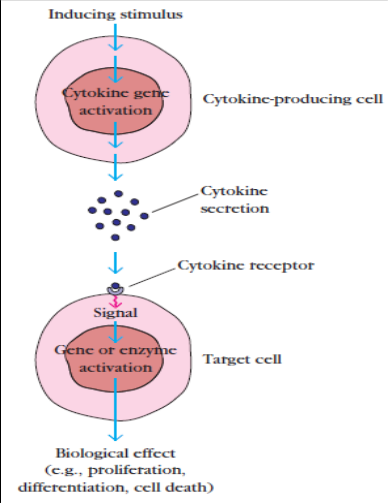 Figure 1
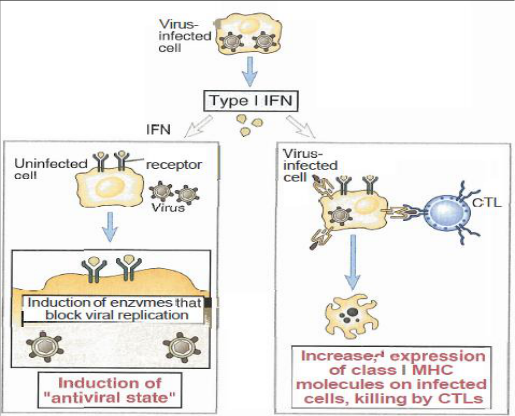 Figure 2
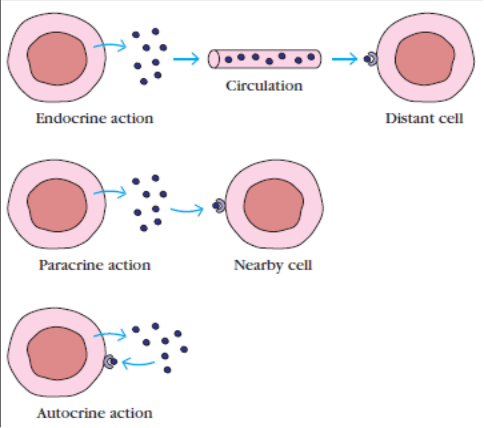 Figure 3
Introduction
Molecules that communicate among cells of the immune system are referred to as cytokines. Cytokines are polypeptides, an essential component of the immune system, produced in response to microbes and other antigens that mediate and regulate immune and inflammatory reactions. Cytokine signal an immune cell to increase or decrease the activity of particular enzymes or to change its transcriptional program, thereby altering and enhancing its effector functions. Even they can instruct a cell when to survive and when to die [1,2] . In recent years, immunologists have enjoyed an explosion of information about new cytokines and cytokine receptors as a result of advances in genomic and proteomic analysis. Cytokines characterized so far belong to one of six groups: the Interleukin 1 (IL-1) family, the Hematopoietin (Class I cytokine) family, the Interferon (Class II cytokine) family, the Tumor Necrosis Factor (TNF) family, the Interleukin 17 (IL-17) family, and the Chemokine family [3] . The interferon (IFNs) is perhaps the most important cytokines in the initial innate response to viral infection. The term interferon derives from the ability of these cytokines to interfere with viral infection. They are classified into two types: IFN-α (a family of related proteins) and the single protein IFN-β together form type I; IFN-γ is the sole and unrelated type-II IFN [1] . Type-I IFNs (IFN-α and IFN-β) mediate the early innate immune response mainly to viral infections. They are secreted by cells in response to viral infection and promote an antiviral response in otherwise susceptible cells. Interferon α and β are secreted by activated macrophages and dendritic cells, as well as by virus-infected cells [2] . Type-II IFNs called IFN-γ is produced by activated T-cells (TH1 cells, CD8 + ) and NK cells that activates macrophages; increases expression MHC Class-I and Class-II molecules and increases antigen presentation [3] . It is the principal macrophage-activating cytokine and serves as critical functions in innate immunity and in adaptive cellmediated immunity. In addition, it has some antiviral activity, but it is not a potent antiviral interferon, and it functions mainly as an effector cytokine of immune responses [1] . The biological action of Type-I IFNs have been associated with antiviral immunity for several decades. Recently they have been shown to affect the course of a variety of protozoan and bacterial infections. Moreover, the immune-modulatory activities of interferon could also contribute to the mediation of resistance to non-viral infections [4] . However, a few researchers have been indicated that they can also cause decreased host resistance to some acute intracellular bacteria and chronic viral infections. Thus, despite some of its negative role in immune system, Type-I IFNs could play a crucial role in natural host defenses to a wide variety of microbial infections [5] . Moreover, Type-I Interferon has been prepared in biotechnology industry for the treatment of diseases like hepatitis, sclerosis and cancer [1] . Hence, this seminar paper is aimed to review on the role of type-I interferon in infectious diseases. Therefore, the objective of this seminar paper is: Review on the role of type-I interferon in infectious diseases
Overview of induction and function of cytokines/INFs
Cytokines including interferon regulate the intensity and duration of the immune response by stimulating or inhibiting the activation, proliferation, and/or differentiation of various cells, by regulating the secretion of other cytokines or of antibodies, or in some cases by actually inducing programmed cell death in the target cell. In addition, cytokines can modulate the expression of various cell-surface receptors for chemokine, other cytokines, or even for themselves (fig. 1). Thus, the cytokines secreted by even a small number of antigen-activated lymphocytes can influence the activity of many different types of cells involved in the immune response [2] . structurally related polypeptides, each encoded by a separate gene. Mononuclear phagocytes are the major source of IFN-α, and IFN-α is sometimes called leukocyte interferon. Whereas IFN-β is a single protein produced by many cells, such as fibroblasts, and it is sometimes called fibroblast interferon [1] . The most potent stimulus for type-I IFN synthesis is viral infection, specifically double stranded RNA that is produced by viruses during their replication in infected cells. Experimentally, production of type-I IFN is commonly elicited by synthetic double-stranded RNA, which mimics the signal produced during viral infection. Antigen-activated T cells also stimulate mononuclear phagocytes to synthesize type-I IFNs [1] . Although IFN-α and IFN-β are structurally different, they bind to the same cell surface receptor and induce similar biologic responses. The type-I IFN receptor is a hetero-dimer of two structurally related polypeptides; one binds the cytokine, and the other transduces signals through a JAK/STAT pathway. Both chains are members of the type-II cytokine receptor family [1] .
Biologic actions of INF type-I
Host effectors mechanisms are essential for the survival of all multi-cellular organisms. To cope with an enormous microbial challenge, vertebrates have evolved additional levels of cell-autonomous control beyond the pre-existing repertoire of constitutive host defense factors. These additional factors include hundreds of gene products that are transcribed in response to signals originating from several cytokines including the interferon [6,7] . Many of the induced proteins confer direct microbcidal immunity in all nucleated cells [8] . IFNs are among the most potent vertebrate-derived signals for mobilizing antimicrobial effector functions against intracellular pathogens in all nucleated cells, a process termed cell autonomous immunity [9] . Nearly 2,000 human and mouse IFN-stimulated genes (ISGs) have been identified to date, most of which remain uncharacterized [10] . The recent largescale examination of newly described ISGs reveals a highly diverse but integrated host defense programme dedicated to protecting the interior of a vertebrate cell [11,[12][13] . Recently, genomic and sub-genomic analyses have begun to assign functional properties to novel IFN-inducible effector proteins that restrict bacteria, protozoa and viruses in different sub-cellular compartments and at different stages of the pathogen life cycle [14] .
The role of Type-I IFN against Viral Infection
The actions of type-I IFNs protect against viral infections and promote cell-mediated immunity against intracellular microbes (Fig. 2). [2] . The secreted Type-I interferon then interact in turn with membrane-bound interferon receptors on the surfaces of many different cell types. The interaction of INF with their receptor causes cells to synthesize a number of enzymes, such as 2', 5' oligoadenylate synthetase, which when polymerized activate the latent ribonuclease that interfere with the transcription of viral RNA or DNA, and the cessation of cellular protein synthesis. Thus, interferon prevents virally infected cells from replicating and from making new viral particles. The effects of IFN-I that limit viral infection are extensive, but several aspects are important to consider. IFN-I signaling enhances the susceptibility of virally infected cells to undergo programmed cell death (destroy virally infected cells), thereby limiting viral replication and infection cannot be spread [7, 2 15] . The antiviral action of type-I IFN is primarily a paracrine action, in that a virally infected cell secretes IFN to protect neighboring cells that are not yet infected. A cell that has responded to IFN and is resistant to viral infection is said to be in an "antiviral state." IFN secreted by an infected cell may also act in an autocrine fashion (receive signal via its own membrane receptor from its cytokine) to inhibit viral replication in that cell [1] . This effect is mainly due to the ability of type-I IFN to promote in T cells the expression of functional receptors for the major TH1-inducing cytokine IL12. Type-I IFN may also increase the cytolytic activity of NK cells [16] . Dendritic cells (DCs) exposed to IFN-I become activated and secrete pro-inflammatory cytokines that lead to activation of the adaptive immune response. NK cells become potent killers of virally infected cells after exposure to IFN-I [16,17] . IFN-I has direct effects on adaptive αβ T-cells and sensitizes them to activation via the TCR [18] . IFN-I production by plasma cystoids DCs promotes B-cell activation and production of antiviral antibody In general, these effects of IFN-I signaling are beneficial to the host, as they lead to control of viral replication and spread [19] . The importance of host IFN-I signaling is further reinforced by viral evolution. Viruses have evolved extensive immuneevasion strategies many of which center around inhibition of the host IFN-I response [20,21] . However, the biological responses to IFN-I do not always lead to beneficial outcomes to the host. INF-I promotes suppression of adaptive immunity during chronic viral infection [5] . The best studied example of the negative role of IFN-I are chronic viral infections of mice with lymphocytic choriomeningitis virus (LCMV). Several factors have been implicated in the suppression of T-cell mediated clearance of chronic LCMV; most salient among them are IL-10 and PD-1 (programmed cell death 1). IL-10 is known to antagonize inflammatory activation on multiple immune cell types [22] .
International Journal of Veterinary Sciences and Animal Husbandry PD-1, a member of the CD28/CTLA4 family of T-cell regulators, is up-regulated on exhausted T cells found in chronically infected mice. Its ligands, PD-1L and PD-2L, are broadly expressed and inducible by interferon [23] . The interaction of PD-1 with PD-L1 acts to limit T-cell activity during chronic infection [24] . In two recent publications, the effects of IL-10 and PD-1 in limiting the response to LCMV infection have been causally linked to IFN-I signaling [25,26] .
The role of Type-I IFN against bacterial Infection
Type-I IFNs have been associated with antiviral immunity for several decades. Only recently have they been additionally attributed to bacterial infections [4] . Recently, an in vivo study in mice has been indicated that the response of type-I INF to bacterial infections varies depending on the species and route of infection. Based the initial studies, the simplest conclusion is that INF type-I signaling is beneficial during extracellular bacterial infection and detrimental during intracellular bacterial infection [5] . IFN-I are protective against several extracellular bacterial infections, in part, by promoting the induction of TNF-α and nitric oxide. During acute intracellular bacterial infection, IFN-I suppress innate immunity by at least two defined mechanisms. During Francisella infection, IFN-I prevent IL-17 up-regulation on γδ T cells and neutrophil recruitment. Following Listeria infection, IFN-I promote the cell death of macrophages and lymphocytes, which leads to innate immune suppression [5] . Type-I IFN signaling provides increased protection during Streptococcus infection by promoting up-regulation of TNFα, IFN-γ and nitric oxide [27] . This is associated with restriction of bacterial growth. Moreover, Helicobacter pylori infected mice have higher titers, but the mechanism of IFN-I action in this infection remains unresolved [28] . Further work needs to be done on the extracellular bacterial infections to determine how IFN-I is protective and what distinguishes IFN-I from IFN-II in these types of infections. Following Brucella infection (intracellular bacteria), there is IFNAR-dependent Up-regulation of TNF-related apoptosisinducing ligand (TRAIL) and spleenic apoptosis that is associated with increased susceptibility to infection [29] . IFNAR-mice also express more IFN-γ and nitric oxide. In addition, in the case of Salmonella enterica and Chlamydia muridarum, IFN-I signaling sensitizes the infected macrophage to undergo cell death [30,31] . Prevention of macrophage cell death during S. enterica infection led to decreased bacterial titer. IFNAR-mice infected with Francisella have decreased titers and lethality compared with controls. This is attributed to the inhibitory effect of IFN-I signaling on IL-17A/F expression [32] . IFNAR-mice express more IL-17A/F, have an expansion of IL-17+ γδ T cells and increased neutrophils at the site of infection. [32] . Furthermore, treatment with IFN-I agonists such as poly (I: C) also promotes negative outcomes during bacterial infection. In the case of Mycobacterium tuberculosis, intranasal delivery of poly (I: C) throughout the course of infection led to increased inflammatory infiltrates and necrosis of lung tissue that was dependent of IFN-I signaling [33] . Similar detrimental effects of poly (I: C) treatment are also seen following Streptococcus pneumoniae, Staphylococcus aureus and L. monocytogenes infections [34] . IFN-I signaling is a negative regulator of the innate immune response to L. monocytogenes. Biological outcomes of IFN-I signaling during L. monocytogenes infection Listeria monocytogenes causes apoptotic cell death of macrophages that is enhanced by IFNAR signaling. Within 2 h of infection, bone marrow-derived macrophages up-regulate IFN-β and phosphorylate STAT1 [5] .
The role of Type-I IFN against protozoa Infection
More recently, few works have been done on the role of INF-I in protozoan infections [35,[36][37] . Research on mice model showed that type-I IFNs play a role in early control of parasites in infected mice but may contribute to down-regulation of IFN-γ production and subsequent loss of host resistance later in infection [16] . It is presumed that macrophage activation by IFN-γ results in the production of factors such as TNF-α, reactive nitrogen intermediates, and reactive oxygen intermediates into the extra-vascular tissues that are known to be cytolytic for trypanosomes [16] . Moreover, [39] D Amin et al, (2012) [15] indicated that innate immune (Toll-Like Receptor) TLR signals stimulate the expression of tumor necrosis factor α (TNF α) and IFN-β that initiate brain invasion of T cells and trypanosomes, and control T. brucei brucei load in the brain by molecules distinct from these. The penetration of T cells and trypanosomes into the brain parenchyma is a major pathogenneticve event in African trypanosomiasis [39] .
Interferone therapy
Despite much progress in treating many bacterial and fungal infections, only a few clinically useful antiviral drugs are available today. Interferon is one of the few antiviral drugs candidates. IFN-α is in clinical use as an antiviral agent in certain forms of viral hepatitis. IFN-β is used as a therapy for multiple sclerosis, but the mechanism of its beneficial effect in this disease is not known [2] . Cloning of the genes that encode IFN-α, IFN-β, and IFN-γ has made it possible for the biotechnology industry to produce large amounts of each of these interferon's at costs that make their clinical use practical [2] . IFN-α (also known by its trade names Roferon and Intron A) has been used for the treatment of hepatitis C and hepatitis B. It has also been found useful in a number of different applications in cancer therapy. A type of B-cell leukemia known as hairy-cell leukemia (because the cells are covered with fine, hair like cytoplasmic projections) responds well to IFN-α. Chronic myelogenous leukemia, a disease characterized by increased numbers of granulocytes, begins with a slowly developing chronic phase that changes to an accelerated phase and terminates in a blast phase, which is usually resistant to treatment. IFN-α is an effective treatment for this leukemia in the chronic phase (70% response rates have been reported), and some patients (as many as 20% in some studies) undergo complete remission. Moreover, Kaposi's sarcoma, the cancer most often seen in AIDS patients in the United States, also responds to treatment with IFN-α, and there are reports of a trend toward longer survival and fewer opportunistic infections in patients treated with this agent [2] . Most of the effects mentioned above have been obtained in clinical studies that used IFN-α alone, but certain applications such as hepatitis C therapy commonly use it with an antiviral drug such as ribavirin. The clearance time of IFN-α is lengthened by using it in a form complexed with polyethylene glycol (PEG) called pegylated interferon [2] . IFN-β has emerged as the first drug capable of producing clinical improvement in multiple sclerosis (MS). Young adults are the primary target of this autoimmune neurologic disease, in which nerves in the central nervous system (CNS) undergo demyelination. This results in progressive neurologic dysfunction, leading to significant and, in many cases, severe disability. This disease is often characterized by periods of non-progression and remission alternating with periods of relapse. Treatment with IFN-β provides longer periods of remission and reduces the severity of relapses. Furthermore, magnetic resonance imaging (MRI) studies of CNS damage in treated and untreated patients revealed that MS induced damage was less severe in a group of IFN-β treated patients than in untreated ones [2] .
Conclusion and Recommendations
Interferon is an extraordinary group of proteins with important effects on the immune system. The several antiviral functions of the IFN-I include direct suppression of viral replication and activation of the immune response against viruses. In addition to their antiviral effects, IFN-I are also protective against several extracellular bacterial infections, in part, by promoting the induction of TNF-α and nitric oxide. Even though there is a subsequent loss of host resistance later in infection, type-I IFNs play a role in early resistance to protozoan parasites like Trypanosomiasis. In contrast, there is a negative effect of IFN-I on host resistance during chronic viral infection and acute infections with intracellular bacteria. Due to chronic IFN-I signaling induce adaptive immune system suppression and during acute intracellular bacterial infection, IFN-I suppress immunity respectively. Despite its limitations, Interferon has been prepared in biotechnology industry for the treatment of diseases like hepatitis, sclerosis and cancer. Therefore, in line with the above conclusion, the following recommendations are forwarded: Further studies should be done to determine biological outcomes of IFN-I for many classes of bacterial, Protozoa and other non-viral pathogens. Further work should be done to determine the applicability of IFN-I modulation as a therapeutic to important chronic human viral infections.
Acknowledgement
AcknowledgmentsNot applicable.
Figures and tables from the paper
References
37 in the original paper- Hyeseon Cho, Brian L Kelsall. The role of type I interferons in intestinal infection, homeostasis, and inflammation Immunol Rev. 2014; 260(1):145-167.
- Zamboni DS, Kobayashi KS, Kohlsdorf T, Ogura Y, Long EM, Vance RE et al. The Birc1e cytosolic patternrecognition receptor contributes to the detection and control of Legionella pneumophila infection. Nat Immunol. 2006; 7:318-325
- Javier A. Confounding roles for type I interferons during bacterial and viral pathogenesis. Department of Pathology and Immunology, Washington University School of Medicine, St Louis, MO 63110, USA. International Immunology. 2013; 25(12):663-669.
- Bezbradica JJ, Medzhitov R. Integration of cytokine and heterologous receptor signaling pathways. Nature Immunol. 2009; 10:333-339.
- Kawai T, Akira S. Toll-like receptors and their crosstalk with other innate receptors in infection and immunity. Immunity. 2011; 34:637-650.
- Flannagan RS, Cosío G, Grinstein S. Antimicrobial mechanisms of phagocytes and bacterial evasion strategies. Nature Rev. Microbiol. 2009; 7:355-366.
- Mac Mieking JD. Macrophage activation and host defense. Cell Host Microbe. 2009; 5:1-3.
- Hertzog P, Forster S, Samarajiwa S. System biology of interferon responses. J Interferon Cytokine Res. 2011; 31:5-11.
- Kumar D. Genome-wide analysis of the host intracellular network that regulates survival of Mycobacterium tuberculosis. 2010; 140:731-743.
- Schoggins JW. A diverse range of gene products are effectors of the type I interferon antiviral response. Nature. 2011; 47(2):481-485.
- Kim BH. A family of IFN-γ-inducible 65-kD GTPases protects against bacterial infection. Science. 2011; 332:717-721.
- John D. Interferon-inducible effector mechanisms in cellautonomous immunity. Nat Rev Immunol. 2014; 12(5):367-382.
- Danie Ndem Amin, Suman K Vodnala, Willias Masocha, Bo Sun, A Krister Kristensson, Martin E Rottenberg. Distinct Toll-like Receptor Signals Regulate Cerebral Parasite Load and Interferon a/b and Tumor Necrosis Factor a-Dependent T-Cell Infiltration in the Brains of Trypanosoma brucei-Infected Mice. The Journal of Infectious Diseases. 2012; 205:320-32.
- Rebecca Lopez, Karen P Demick, John M Mansfield, Donna M Paulnock. Type I IFNs Play a Role in Early Resistance, but Subsequent Susceptibility, to the African Trypanosomes. J Immunol. Author manuscript; available in PMC 2009 October 1, 2009.
- Nguyen KB, Salazar-Mather TP, Dalod MY. Coordinated and distinct roles for IFN-alpha beta, IL-12, and IL-15 regulation of NK cell responses to viral infection. J Immunol. 2002; 169:4279
- Huber JP, Farrar JD. Regulation of effector and memory T-cell functions by type I interferon. Immunology. 2011; 132:466.
- Deal EM, Lahl K, Narváez CF, Butcher EC, Greenberg HB. Plasmacytoid dendritic cells promote rotavirus induced human and murine cell responses. J Clin. Invest. 2013; 123:2464
- Diamond MS. Mechanisms of evasion of the type I interferon antiviral response by flavi-viruses. J Interferon Cytokine Res. 2009; 29:521.
- Taylor KE, Mossman KL. Recent advances in understanding viral evasion of type I interferon. Immunology. 2013; 138:190.
- Moore KW, De Waal Malefyt R, Coffman RL, O'Garra A. Interleukin-10 and the interleukin-10 receptor. Annu. Rev. Immunol. 2001; 19:683.
- Keir ME, Butte MJ, Freeman GJ, Sharpe AH. PD-1 and its ligands in tolerance and immunity. Annu. Rev. Immunol. 2008; 26:677.
- Barber DL, Wherry EJ, Masopust D. Restoring function in exhausted CD8 T cells during chronic viral infection. Nature. 2006; 439:682.
- Teijaro JR, Ng C, Lee AM. Persistent LCMV infection is controlled by blockade of type I interferon signaling. Science. 2013; 340:207.
- Wilson EB, Yamada DH, Elsaesser H. Blockade of chronic type I interferon signaling to control persistent LCMV infection. Science. 2013; 340:202.
- Mancuso G, Midiri A, Biondo C. Type I IFN signaling is crucial for host resistance against different species of pathogenic bacteria. J Immunol. 2007; 178:3126.
- Watanabe T, Asano N, Fichtner-Feigl S et al. NOD1 contributes to mouse host defense against Helicobacter pylori via induction of type I IFN and activation of the ISGF3 signaling pathway. J Clin. Invest. 2010; 120:1645.
- De Almeida LA, Carvalho NB, Oliveira FS et al. MyD88 and STING signaling pathways are required for IRF3mediated IFN-β induction in response to Brucella abortus infection. PLoS One. 2011; 6:23135.
- Robinson N, McComb S, Mulligan R, Dudani R, Krishnan L, Sad, S. Type I interferon induces necroptosis in macrophages during infection with Salmonella enterica serovar Typhimurium. Nat. Immunol. 2012; 13:954.
- Qiu H, Fan Y, Joyee AG et al. Type I IFNs enhance susceptibility to Chlamydia muridarum lung infection by enhancing apoptosis of local macrophages. J Immunol. 2008; 181:2092.
- Henry T, Kirimanjeswara GS, Ruby T et al. Type I IFN signaling constrains IL-17A/F secretion by gammadelta T cells during bacterial infections. J Immunol. 2010; 184:3755.
- Antonelli LR, Gigliotti Rothfuchs A, Gonçalves R et al. Intranasal Poly-IC treatment exacerbates tuberculosis in mice through the pulmonary recruitment of a pathogenpermissive monocyte/macrophage population. J Clin. Invest. 2010; 120:1674.
- Tian X, Xu F, Lung WY. Poly I: C enhances susceptibility to secondary pulmonary infections by gram-positive bacteria. PLoS One. 2012; 7:41879.
- Trinchieri G. Type-I interferon: friend or foe? J Exp. Med. 2010; 207:2053.
- Dunn GP, Koebel CM, Schreiber RD. Interferons, immunity and cancer immunoediting. Nat. Rev. Immunol. 2006; 6:836.
- Sadler A, Williams BRG. Interferon-inducible antiviral effectors. Nature Rev. Immunol. 2008; 8:559-568.
- Juliane L, Holger M, Jan Naujoks, Christoph T, Sunny S, Martin W et al. Dissection of a Type I Interferon Pathway in Controlling Bacterial Intracellular Infection in Mice. Cell Microbiol. November. 2011; 13(11):16681682.
- Heath L, Chrisp C, Huffnagle G, LeGendre M, Osawa Y, Hurley M et al. Effector mechanisms responsible for gamma interferon-mediated host resistance to Legionella pneumophila lung infection: the role of endogenous nitric oxide differs in susceptible and resistant murine hosts. Immun. 1996; 64:5151-5160.