
Research article · 2018 · Full text
International Journal of Veterinary Sciences and Animal HusbandryA review of copper poisoning in animals: Sheep, goat and cattle
Volume 3(5) · Pages 01–04
Research areasTrace Elements in Health
Abstract
Author-writtenThe importance of copper as an essential nutrient has been known since the 1920's. Copper is an essential nutrient for animals and plays an important role in normal melanin production, elastin and collagen synthesis, iron metabolism, myelin formation and the integrity of the nervous system. Copper is also known to be important for effective immune responses. Copper is required, but is also highly toxic. This review article represents role of copper in various metabolism, sources of copper, mechanism of toxicity, the toxic effect of copper in sheep, goat and cattle, diagnosis, treatment and preventive measures of poisoning.
Summary
Source-checkedPlain-language reading of the full paper, prepared with AI and checked against the text. Each point links to the authors' own words.
Why it matters
- Copper is a vital nutrient for animals, supporting the nervous system, iron metabolism, and the synthesis of collagen, elastin, and melanin. View evidence ↗
- While copper is necessary for health, it can also be highly toxic to animals. View evidence ↗
- Copper poisoning occurs globally, with sheep being the most frequently affected species, though others are also susceptible. View evidence ↗
The question
- The review aims to examine the metabolic role of copper, its sources, toxicity mechanisms, effects on sheep, goats, and cattle, and methods for diagnosis, treatment, and prevention. View evidence ↗
What they did
- The authors conducted a review of existing literature to synthesize information on copper toxicity in ruminants. View evidence ↗
What they found
- Acute copper poisoning can occur at intakes of 20–100 mg/kg in sheep and young calves, and 200–800 mg/kg in mature cattle. View evidence ↗
- In sheep, chronic poisoning can result from daily intakes of 3.5 mg/kg when grazing pastures with 15–20 ppm copper and low molybdenum. View evidence ↗
- Among sheep, Texels from the Netherlands are the most susceptible to copper toxicity, while Finnsheep are the least likely to be affected. View evidence ↗
- Sheep are significantly more sensitive to copper than cattle; toxicities in sheep can occur at 10 ppm, whereas cattle can tolerate 100 ppm. View evidence ↗
- A hemolytic crisis occurs in sheep when liver copper stores reach a threshold of approximately 1,000 to 3,000 ppm and spill into the bloodstream. View evidence ↗
- The hemolytic crisis results in characteristic lesions, including gunmetal-colored kidneys, port-wine-colored urine, and an enlarged spleen with a 'blackberry jam' appearance. View evidence ↗
- Diagnostic markers for sheep include liver concentrations over 150 ppm (wet weight) and blood concentrations rising to 5–20 mcg/mL, compared to a normal level of 1 mcg/mL. View evidence ↗
- Maintaining a copper to molybdenum ratio of 10:1 is identified as a way to prevent copper toxicity. View evidence ↗
- To ensure safety for most sheep, dietary copper levels should not exceed 25 ppm. View evidence ↗
What it means
- The authors conclude that while prevention is the preferred strategy, mass treatment is sometimes necessary. View evidence ↗
- The authors recommend against copper supplementation unless there is clear evidence of deficiency or molybdenum toxicity. View evidence ↗
Visual summary
1 visualsIllustrations explain the paper; they do not show study data.
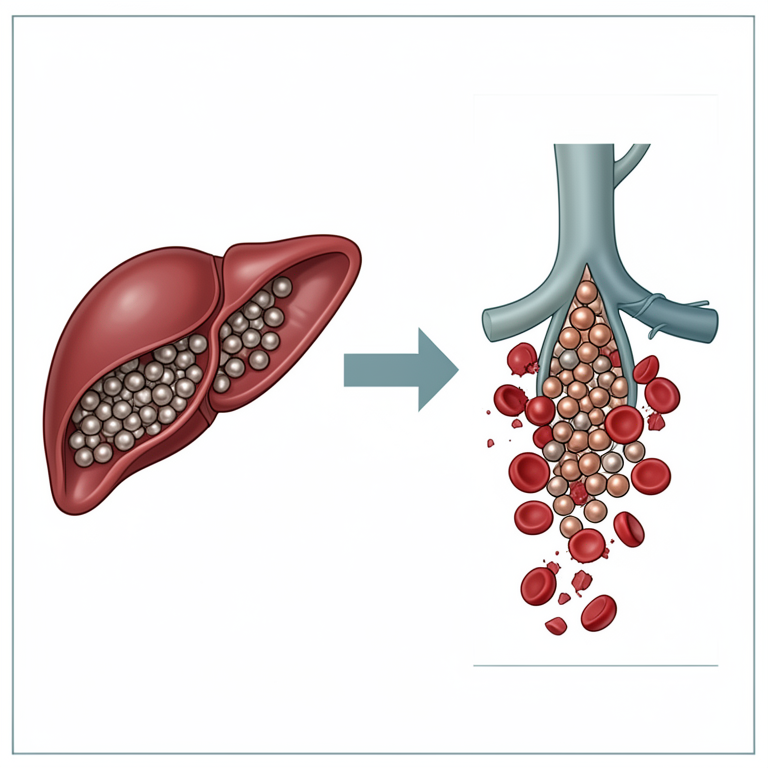
Copper Accumulation and Release
AI-generated conceptual illustration (sheep, goat, and cattle livers and red blood cells). It explains the idea and does not show study data.
View source evidence ↗Figures & tables
From the original paper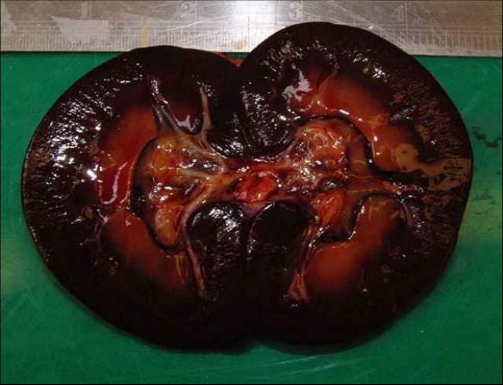 Figure 2
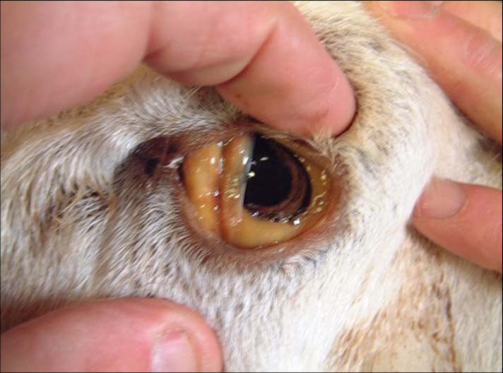 Figure 1
Introduction
Copper is an integral part of many important enzymes involved in number of vital biological processes like metalloprotein enzymes, metalloporphyrin enzymes (Gaetke et. al. 2003) [4] . Acute or chronic copper poisoning is encountered in most parts of the world. Sheep are affected most often, although other species are also susceptible. Acute poisoning is usually seen after accidental administration of excessive amounts of soluble copper salts, which may be present in anthelmintic drenches, mineral mixes, or improperly formulated rations. Many factors that alter copper metabolism influence copper poisoning by enhancing the absorption or retention of copper. Low levels of molybdenum or sulphate in the diet are important examples. Primary chronic poisoning is seen most commonly in sheep when excessive amounts of copper are ingested over a prolonged period. Phytogenous and hepatogenous factors influence secondary chronic copper poisoning. Incidence has increased in recent years with the intensification of the sheep industry, increased housing of ewes, increased use of breeds susceptible to copper poisoning, such as the Texel. A very high concentration of copper produce genotoxicity and cytotoxicity in bovine cumulus cells (Anchordoquy et.al. 2017) [1] .
Sources
Acute poisoning may follow intakes of 20-100 mg of copper/kg in sheep and young calves and of 200-800 mg/kg in mature cattle. Chronic poisoning of sheep may occur with daily intakes of 3.5 mg of copper/kg when grazing pastures that contain 15-20 ppm (dry matter) of copper and low levels of molybdenum. Clinical disease may occur in sheep that ingest cattle rations, which normally contain higher levels of copper or when their water is supplied via copper plumbing. Phytogenous and hepatogenous factors influence secondary chronic copper poisoning. Phytogenous chronic poisoning is seen after ingestion of plants, such as subterranean clover (Trifolium subterraneum), that produce a mineral imbalance and result in excessive copper retention. The plants that are not hepatotoxic contain normal amounts of copper and low levels of molybdenum. The ingestion of plants such as Heliotropium europaeumor and Senecio spp for several months may cause hepatogenous chronic copper poisoning. These plants contain hepatotoxic alkaloids, which result in retention of excessive copper in the liver. In cattle, occasionally, copper poisoning has been associated with cattle eating pig feed or grazing pastures fertilised with pig manure. Copper containing pesticides and fungicides in orchards where animal graze, industrial copper waste in rivers and streams, slurry spreading from pig units are also important source (Kerr and McGavin, 1991) [7] .
Susceptibilty
Both sexes of sheep are susceptible to copper toxicity. Young animals are more susceptible to the toxicity. However, mature British breed ewes are the most susceptible. These breeds include Suffolks, Oxfords and Shropshires. Texels from Netherland are the most susceptible. Finnsheep are the least likely to develop a copper toxicity. Merino sheep have an intermediate occurance of copper toxicity. Sheep tend to be much more sensitive than other farm animals. For example, growing swine are often fed copper concentrations as high as 250 ppm in the diet to improve performance. Cattle can consume diets containing 100 ppm copper with no problem, while toxicities have occurred in sheep with concentrations as low as 10 ppm. This all is due to liver of the sheep stores copper extremely efficiently. Once the build-up reaches a certain threshold, the copper may spill into the bloodstream. This threshold is about 1,000 to 3,000 parts per million. The spilling of the copper into the bloodstream causes hemolytic crisis. Chronic toxicity is also common in sheep grazing subterranean clover and is associated with normal levels of copper, low levels of molybdenum and no apparent liver damage. The stress associated with shipping ewes from mountain ranges to pastures some distance away appears to make ewes more susceptible. Subclinical toxicity has been recorded in Suffolk and Texel-cross lambs fed diets containing 0.19 mmol (12 mg) Cu/kg DM, a level often exceeded in commercial foodstuffs (Woolliams et. al.1982) [8] .
Pathogenesis
Oral intake of copper lead to necrosis of GIT mucosa (acute toxicity), then it is absorbed and comes to systemic circulation and enters the RBCs which become more fragile leading to haemolysis because of decreased glutathione concentration in RBC as cupric ions interact with sulphur group of glutathione. In RBC ferrous ions is replaced by cupric ions and formation of methaemoglobin take place which ultimately leads to haemolytic crisis. Storage mainly occur in liver but to threshold level. High concentration of copper inhibit various metabolic function and causes liver necrosis. The toxicosis remains subclinical until the copper that is stored in the liver is released in massive amounts. Increased liver enzymes may provide an early warning of the pending crisis. Blood copper concentrations increase suddenly, causing lipid peroxidation and intravascular haemolysis. The haemolytic crisis may be precipitated by many factors, including transportation, handling, weather conditions, pregnancy, lactation, strenuous exercise, or a deteriorating plane of nutrition. The sudden onset of clinical signs in chronic copper poisoning is associated with the haemolytic crisis. The time of onset is influenced by the concentration of copper in the diet. This lead to increased SGOT and CPK level. Increased CPK level damages skeletol muscles. Haemoglobinuria occurs as a result of haemolysis.
Clinical findings
Acute copper poisoning causes severe gastroenteritis characterized by abdominal pain, diarrohea, anorexia, faeces contain mucous with deep greenish appearance, dehydration, and shock. Haemolysis and haemoglobinuria may develop after 3 days if the animal survives the GI disturbances. Chronic copper poisoning is more likely to occur with excessive copper intakes or from low intakes of molybdenum, sulphur, zinc, calcium or following liver damage (Kimberling, 1988). Signs in affected animals include depression, lethargy, weakness, rumen stasis, anorexia, thirst, dyspnea, pale mucous membranes, recumbency, hemoglobinuria, and jaundice. Several days or weeks before the haemolytic crisis, liver enzymes, including ALT and AST, are usually increased. During the haemolytic crisis, methemoglobinemia, hemoglobinaemia, and decreases in PCV and blood glutathione are usually seen. Morbid animals often die within 1-2 days. Herd morbidity is often <5%, although usually >75% of affected animals die. Severe hepatic insufficiency is responsible for early deaths. Animals that survive the acute episode may die of subsequent renal failure. Photosensitization may occur in association with chronic copper poisoning, reflecting the hepatotoxicity common to both syndromes.
Lesions
Acute copper poisoning produces severe gastroenteritis with erosions and ulcerations in the abomasum of ruminants. Icterus develops in animals that survive greater than 24 hr. Tissues discoloured by icterus and met-haemoglobin are characteristic of chronic poisoning. Swollen, gunmetalcoloured kidneys (characteristics of copper poisoning), portwine-coloured urine and an enlarged spleen with dark brownblack parenchyma (blackberry jam appearance) are result of the haemolytic crisis (Garg, 2002) [5] . The liver is enlarged and friable. Histologically, there is centrilobular hepatic and renal tubular necrosis. Brain may show spongy degeneration and astrocyte damage (Haywood et. al. 2008) [3] .
Diagnosis
Diagnosis is made on the basis of history, clinical signs, PM findings and laboratory examination. Evidence of blue-green ingesta, deep green coloured faeces and increased faecal (8,000-10,000 ppm) and kidney (>15 ppm, wet weight) copper levels are considered significant in acute copper poisoning. In chronic poisoning, blood and liver copper concentrations are increased during the haemolytic period. Blood concentrations often rise to 5-20 mcg/mL, as compared with normal levels of 1 mcg/mL. Liver concentrations >150 ppm (wet weight) are significant in sheep (Garg, 2002) [5] . The concentration of copper in the tissue must be determined to eliminate other causes of haemolytic disease. Molybdenum tissue concentrations should be evaluated to determine whether the syndrome is due to primary or secondary chronic copper poisoning.
Treatment and control
Although prevention is much preferred, there are times when mass treatment is indicated. The most common treatment is to give a drench daily containing 50 to 100 mg of ammonium molybdate and 0.5 to 1.0g of sodium sulphate per animal for three weeks. To reduce labour, an aqueous solution of the two salts can be sprayed onto the feed. This approach is recommended as a treatment procedure only if all animals are eating regularly. GI sedatives and symptomatic treatment for shock may be useful in acute toxicity. Penicillamine (50 mg/kg/day, PO, for 6 days) or calcium versenate may be useful if administered in the early stages of disease to enhance copper excretion. Vitamin C (500 mg/day/sheep, SC) has been shown to reduce oxidative damage to RBCs during the haemolytic crisis. Ammonium tetra thiomolyb date (1.7 mg/kg, IV, every other day for 6 days) is effective. This treatment, which reduces copper absorption and enhances copper elimination, should be used conservatively. A withdrawal period of 10 days is required for this medication. Daily oral administration of ammonium molybdate (100 mg) and sodium thiosulfate (1 g) for 3 week reduces losses in affected lambs. Dietary supplementation with zinc acetate (250 ppm) may be useful to reduce the absorption of copper. Plant eradication or reducing access to plants that cause phytogenous or hepatogenous copper poisoning is desirable. Primary chronic or phytogenous poisoning may be prevented by top-dressing pastures with 30ml of molybdenum per acre in the form of molybdenized superphosphate or by molybdenum supplementation or restriction of copper intake. A combination therapy of tetrathiomolybdate and dpenicillamine (degradation product of penicillin that chelates copper) has also been identified as being useful to maximize copper removal from the body (Gooneratne and Christiansen, 1997) [6] . Fresh seaweed offered to sheep with symptoms of copper toxicity appeared to be therapeutic, leading to a reduction in blood plasma copper level (Wiener et al. 1977) [9] . Sodium molybdate at rate of 200mg per day can markedtly reduce liver copper stores within 4 weeks in dairy cows (Morgan et al. 2014) [2] . High-risk flocks of sheep may be supplemented with sodium thiosulfate in the diet to prevent or control chronic copper poisoning. Periodic liver biopsies, tissue copper determination, and liver enzyme assessment may also be useful to evaluate disease status. In addition to previously described treatments, zinc supplementation and prednisone or prednisolone administration enhance copper excretion and limit development of liver disease. A diet should never have copper level above 25 parts per million to be safe for most sheep. In many parts of the country where adequate levels of copper is found in the pastures, it is not necessary to add copper to the diet. Copper toxicity may result from low levels of molybdenum, sulphur, zinc, and calcium. The most important factor is the copper to molybdenum ratio. A ratio of 10:1 will prevent toxicity. Some plants consumed by sheep may cause a toxicity. Lupines, a type of plant, contain toxic alkaloids that impair the liver's ability to metabolize ingested copper. Anthelmintics and any period of food deprivation around the time of copper treatment should be avoided. There is evidence that the incidence of copper toxicosis in sheep may be controlled by increasing their dietary zinc intake (Bremner et. al. 1976) [10] .
Prevention
Prevention
Figures and tables from the paper
References
10 in the original paper- Anchordoquy Juan Mateo, Anchordoquy Juan Patricio, Nikoloff Noelia, Pascua Ana M, Furnus Cecilia C. High copper concentration produce genotoxicity and cytotoxicity in bovine cumulus cells. Environmental Science and Pollution Research. 2017; 24(24):2004120049.
- Morgan PL. Grace ND, Lilley DP. Using sodium molybdate to treat chronic toxicity in dairy cows: a practical approach. New Zealand Veterinary Journal. 2014; 62(3):167-170.
- Haywood S, Paris J, Ryvar R, Botteron. Brain copper elevation and neurological changes in north ronaldsay sheep: a model for neurodegenerative disease? Journal of Comparative Pathology. 2008; 139(4):252-255.
- Gaetke Lisa M, Chow Ching Kuang. Copper toxicity, oxidative stress and antioxidant nutrients. Toxicology. 2003; 189(1-2):147-163.
- Garg Satish K. Veterinary Toxicolgy. Edn 1, CBS Publishers, Delhi, 2002, 53-57.
- Gooneratne SR, Christensen DA. Effect of chelating agents on the excreation of copper, zinc and iron in the bile and urine of sheep. London Veterinary Journal. 1997; 153(2):171-178.
- Kerr LA, McGavin HD. Chronic copper poisoning in sheep grazing pastures fertilised with swine manure. Journal of the American Medical Association. 1991; 198(1): 99-101.
- Wooliams JA, Suttle NF, Weiner G, Field AC, Wooliams C. The effect of breed of sire on the accumulation of copper in lambs, with particular reference to copper toxicity. Animal Production. 1982; 35(03):299-307.
- Weiner G, Field AC, Smith C. Deaths from copper toxicity of sheep at pasture and the use of fresh seaweed. The Veterinary Record. 1977; 101(21):424-125.
- Bremer I, Young BW, Mills CF. Protective effect of zinc supplementation against copper toxicosis in sheep. British Journal of Nutrition. 1976; 36(03):551.
Cited by 13
From OpenAlex, OpenCitations and reference lists read by Scinovex
- Emerging insights into the impacts of heavy metals exposure on health, reproductive and productive performance of livestock ↗
Ali Afzal, Naima Mahreen · Frontiers in Pharmacology · 2024
Heavy metals, common environmental pollutants with widespread distribution hazards and several health problems linked to them are distinguished from other toxic compounds by their bioaccumulation in living organisms. They pollute the food chain and threaten the health of animals. Biologically, heavy metals exhibit both beneficial and harmful effects. Certain essential heavy metals such as Co, Mn, Se, Zn, and Mg…
❝ 116PDF - The role of TGF-β1/Smad3 signaling pathway and oxidative stress in the inhibition of osteoblast mineralization by copper chloride ↗
Yanping Qi, Honghai Wang, Xuelong Chen, Yanzhu Zhu · Environmental Toxicology and Pharmacology · 2021
❝ 25 - Statement of the PPR Panel on a framework for conducting the environmental exposure and risk assessment for transition metals when used as active substances in plant protection products (PPP) ↗
EFSA Panel of the Plant Protection Products and their Residues (PPR), Antonio F. Hernández, Paulien Adriaanse, Annette Aldrich, Philippe J. Berny, Tamara Čoja et al. · EFSA Journal · 2021
The European Commission asked the European Food Safety Authority (EFSA) to prepare a statement on a framework for the environmental risk assessment (ERA) of transition metals (e.g. iron and copper) used as active substances in plant protection products (PPPs). Non-degradability, essentiality and specific conditions affecting fate and behaviour as well as their toxicity are distinctive characteristics possibly not covered in…
❝ 12PDF - Removal of Heavy Metal Ions Using Pristine and Functionalized Natural Zeolites ↗
Khoirul Ihsan Solihin, St Mardiana, Handajaya Rusli, Grandprix T.M. Kadja · Indonesian Journal of Chemistry · 2023
Heavy metal ions have attracted significant concern regarding their toxicity in living organisms. Concurrently, the removal of heavy metals by the adsorption method is also under the spotlight because it is effective, less cost-demanding, and easy to operate. To date, natural zeolites become one of the most used adsorbents for it is low cost, abundant in reserve, and has high…
❝ 7PDF - Histopathological Effects of Different Levels of Palm Kernel Cake Fed to Dorper Lambs ↗
Osama Anwer Saeed, Baker Tareq JABER, Umar Mohammed Sani, A. Q. Sazili, Henny Akit, Abdul Razak Alimon et al. · Yüzüncü Yıl Üniversitesi Tarım Bilimleri Dergisi · 2021
Palm kernel cake (PKC) is a nutrient-rich by-product of oil mills that contained a high concentration of copper (Cu) among other minerals elements. The higher dietary concentration of Cu was reported to impair some physiological functions in some breeds of sheep due to Cu toxicity. Hence, this study was aimed to investigate the histopathological effects of PKC based diet on…
❝ 6PDF - Copper in human health: From COVID 19 to neurodegenerative diseases ↗
Roger Deloncle, Olivier Guillard, Alain Pineau · Journal of Trace Elements in Medicine and Biology · 2025
❝ 3 - Chronic copper poisoning in a sheep ↗
Bianca Santana de Cecco, Franciéli Adriane Molossi, Lauren Santos de Mello, Matheus Viezzer Bianchi, Saulo Petinatti Pavarini · Brazilian Journal of Veterinary Pathology · 2022
A one-year-old female Texel sheep had anorexia and jaundice. After one day, the clinical condition progressed to lethargy, lateral recumbency, and death within hours. The sheep was part of a flock of 20 housed indoors and received an increasing amount of feed (specific for sheep) for the last two months.
❝ 3PDF - Chronic Copper Bilysinate Poisoning in Five Texel Sheep: A Case Report ↗
Dalma Pivariu, Adrian Oros, Flaviu Tăbăran, F. Caloni, Pompei Bolfă, Andras Laszlo Nagy · Life · 2024
Copper is an essential trace element but becomes toxic in overexposed animals. Sheep are the domestic species most prone to chronic copper poisoning, as a slight increase in the dietary concentration can lead to liver accumulation and the development of clinical signs in this species. Common sources of copper in the diet are feed additives and mineral supplements, which are…
❝ 2PDF - Physiological and Histological Responses of Awassi Lambs to High Dietary Organic Copper Supplementation ↗
Osama Anwer Saeed, Mohanad A. Shareef, H. M. Alnori, Teik Kee Leo, M. A. Al-Bayar, İdham Ali Abed et al. · Animals · 2025
This study investigated the effects of high dietary organic copper supplementation on growth performance, mineral metabolism and organ histology in male Awassi lambs. Fifteen lambs with similar body weight (16 ± 1.53 kg) were assigned to three groups: a control group (T1) receiving a basal diet, and two treatment groups (T2 and T3) supplemented with 0.5 g and 1 g…
❝ 1PDF - Identification of Interspecific Benefits (and Some Limits) in an Agroforestry System Combining Rabbits and Apple Trees ↗
Davi Savietto, Valérie Fillon, Manon Fetiveau, Carole Bannelier, Manon Despeyroux, Armand Guillermin et al. · SSRN Electronic Journal · 2024
❝ 1PDF - Concentrations of as, Cd, Cu, Zn, U, Th, 210po, and 210pb in Lambs and Sheep with Hepatic Acquired Melanosis in South Greenland and Dose Assessment ↗
Violeta Hansen, Ole Lerberg Nielsen, Anders Mosbech, Sandra Drewes Fabricius, Christian Sonne, Jens Søndergaard et al. · SSRN Electronic Journal · 2025
❝ 0PDF - Seasonal variation in macro and micro mineral contents of browse plants consumed by ruminants in Namibia ↗
Lucia Ndamonako Marius, Maria N. T. Shipandeni, Luis Alejandro Rodríguez-Campos, E.L.K. Osafo · Journal of Arid Environments · 2025
❝ 0 - Determining the Effects of Pelleted Cranberry Vine Grains on the Ewe and Offspring during Pregnancy and Lactation ↗
Delaney Smith, Katherine H. Petersson, Maria L. Peterson · Animals · 2023
When creating any new anti-parasitic interventions, it is important to evaluate their effects across all life stages. This study had three objectives, which were to evaluate the effect of feeding cranberry vine pellet (CVP) on (1) ewes’ body weights and BCS during late gestation and lactation; (2) ewes’ milk quality during lactation; and (3) lambs’ body weight and growth parameters…
❝ 0PDF