
Research article · 2018 · Full text
International Journal of Veterinary Sciences and Animal HusbandryImportance of antibiotic residues in food stuffs of avian origin marketed in souk Ahras (Algerian republic)
Volume 3(5) · Pages 05–10
Research areasPesticide Residue Analysis and Safety
Abstract
Author-writtenCurrently in Algeria, the use of antibiotics is frequent in poultry farming. Failure to comply with the withdrawal period, the use of these molecules as growth promoters as a preventive measure and misuse without precise diagnosis results in the presence of antibiotic residues in broiler chicken.In order to preserve food safety, a study was conducted on the possible presence of antibiotic residues in broiler chicken meat in the willaya of Souk Ahras.A survey among private veterinarians of the Wilaya thus a total of 15 samples was analyzed using a quantitative spectrometric method to detect residues of antimicrobial substances.From this 100% analysis, the results of this study are a wake-up call, especially when we know the harmful effects of the presence of antibiotic residues on consumer health, particularly the selection of antibiotic-resistant bacteria on the one hand, and other allergic and carcinogenic risks on the other. This is why measures must be taken at several levels by those involved in the sector (public authorities, veterinary surgeons, technicians and farmers) to guarantee the safety of foodstuffs of avian origin.
Summary
Source-checkedPlain-language reading of the full paper, prepared with AI and checked against the text. Each point links to the authors' own words.
Why it matters
- White meat has become a primary protein source for the Algerian population due to significant production increases and attractive pricing. View evidence ↗
- Antibiotic residues in animal-origin foods pose various health risks, including carcinogenic, allergic, and toxic effects, as well as alterations to intestinal flora. View evidence ↗
- The lack of regulation for antibiotic use and the absence of maximum residue limit (MRL) controls in Algerian animal husbandry create potential risks for consumers. View evidence ↗
The question
- The study aimed to detect the presence of antibiotic residues in broiler chickens marketed in Souk Ahras, Algeria. View evidence ↗
What they did
- A field survey was conducted among 50 poultry farmers in the Souk Ahras region. View evidence ↗
- Fifteen chicken samples were randomly collected from butcher shops in the M'daourouche commune for laboratory analysis. View evidence ↗
- Laboratory testing was performed on 9 wishbone muscle samples and 6 liver samples. View evidence ↗
What they found
- Seventy percent of the surveyed poultry farmers admitted to using antibiotics in chickens that showed no symptoms. View evidence ↗
- Thirty-four percent of farmers used double doses of antibiotics to accelerate the healing process in chickens. View evidence ↗
- Seventy-two percent of farmers recognized that unreasonable antibiotic use poses a risk to human health. View evidence ↗
- Seventy percent of farmers claimed to respect the required withdrawal (waiting) periods before marketing. View evidence ↗
- The primary use of antibiotics was therapeutic, reported by 74% of farmers to treat ill animals and prevent death. View evidence ↗
- All 15 chicken samples tested (100%) were positive for antibiotic residues. View evidence ↗
- Tetracycline was found in all samples at concentrations between 216 and 482 ng/g, exceeding the MRLs of 100 ng/g for muscle and 300 ng/g for liver. View evidence ↗
- Erythromycin was detected in all analyzed samples at concentrations exceeding the MRL of 200 ng/g for both muscle and liver. View evidence ↗
What it means
- The authors conclude that public authorities, veterinarians, technicians, and farmers must collaborate to implement measures ensuring the safety of avian food products. View evidence ↗
Visual summary
3 visualsIllustrations explain the paper; charts are replotted from the paper's own table values.
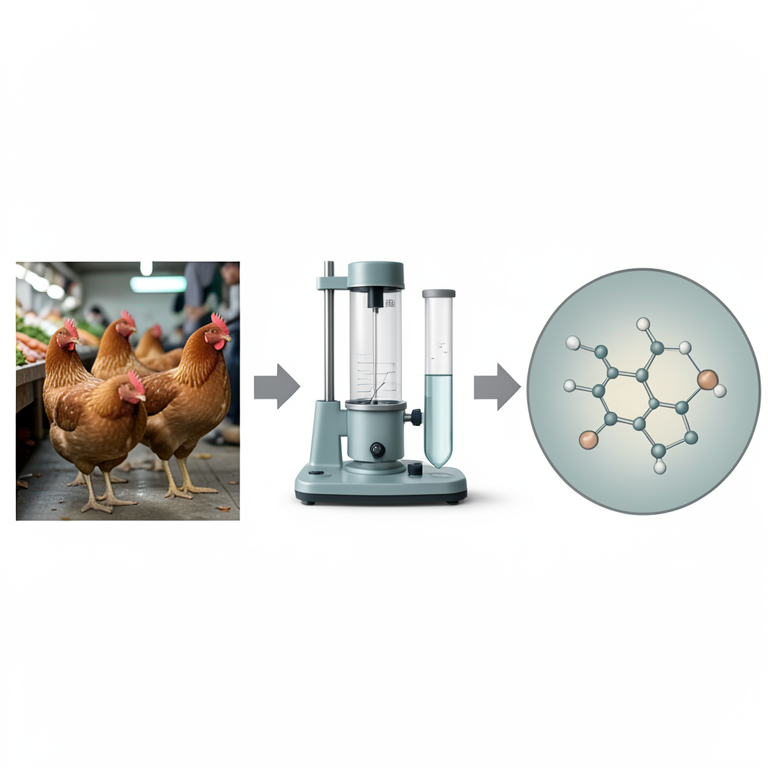
Study Workflow
AI-generated conceptual illustration (broiler chickens). It explains the idea and does not show study data.
View source evidence ↗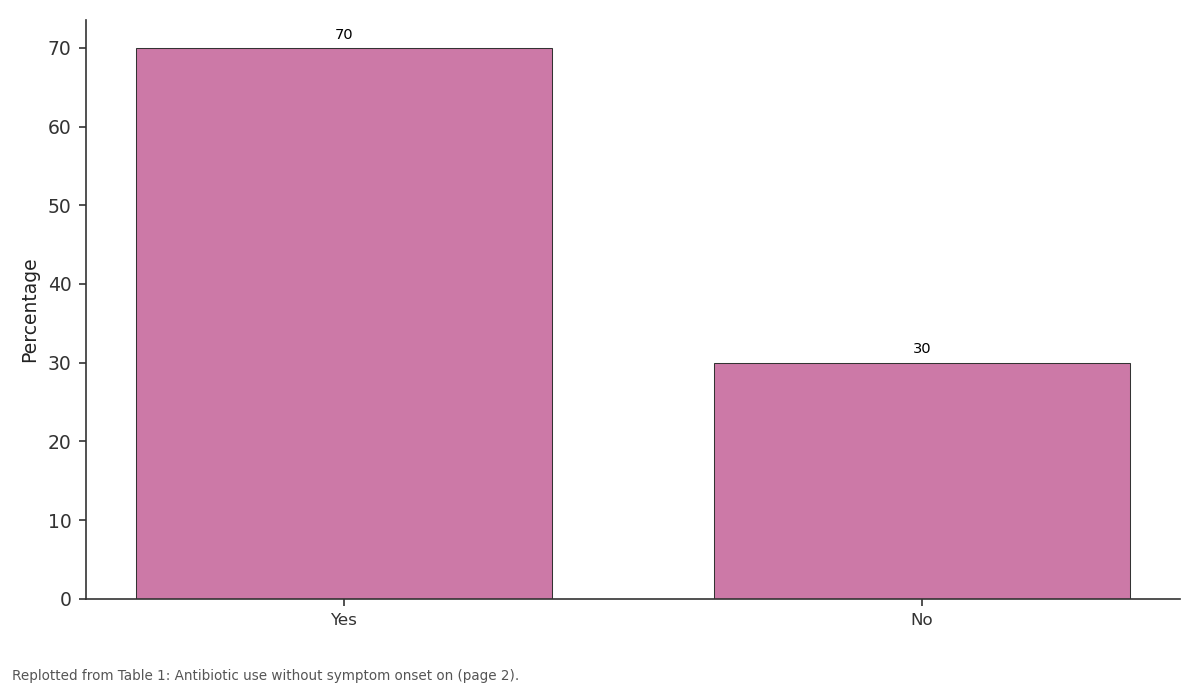
Percentage: Yes vs No
Replotted from Table 1 (page 2) of the original paper. Every bar is the paper's own table value.
View source evidence ↗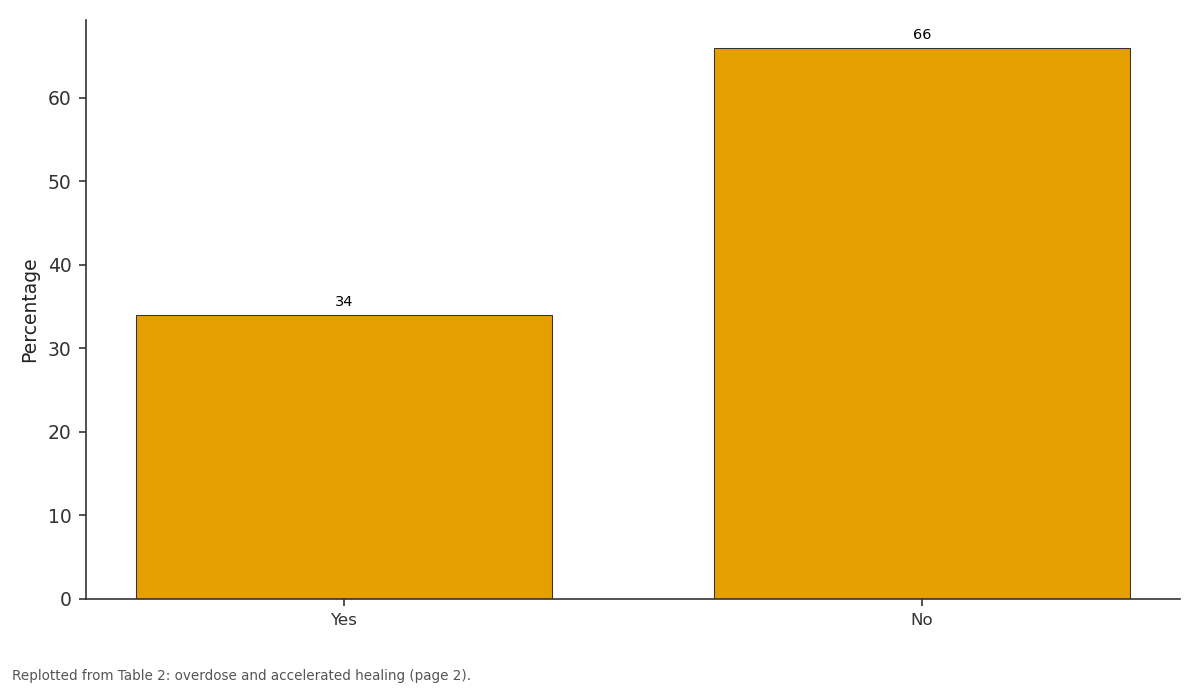
Percentage: Yes vs No
Replotted from Table 2 (page 2) of the original paper. Every bar is the paper's own table value.
View source evidence ↗Figures & tables
From the original paper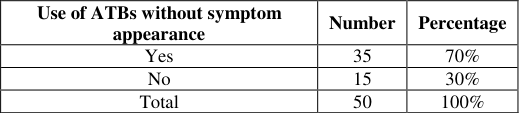 Table 1
 Table 2
 Table 3
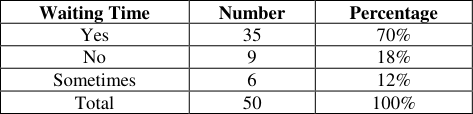 Table 4
 Table 5
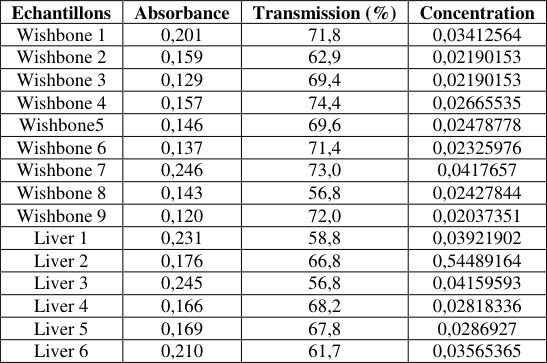 Table 8
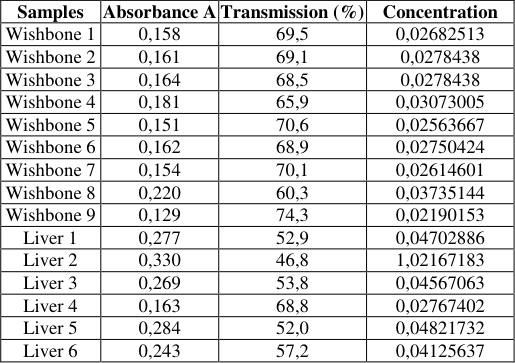 Table 7
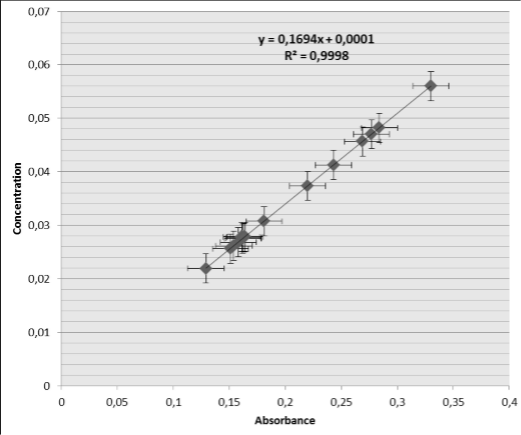 Figure 1
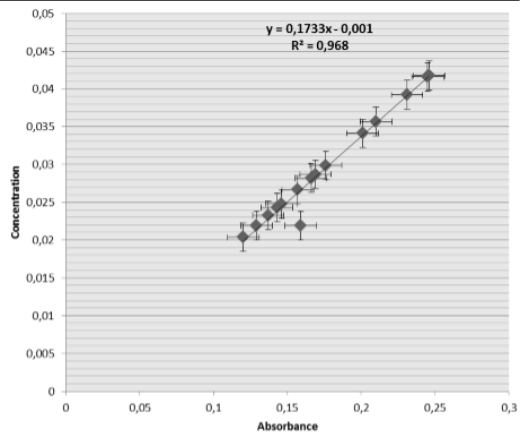 Figure 2
Introduction
White meat production has increased significantly in Algeria in recent years, making the price of this product reasonable and very attractive to consumers and the main source of protein for the population (Allaoui, 2011) [34]. Currently, various veterinary products are used in poultry farming, under the responsibility or not of veterinarians in order to control diseases and improve yield (Alambedji et Al., 2008) [41]. Among these products, antibiotics are of prime importance.Since the 1950s, antibiotics have continued to be used to prevent and treat infectious diseases that can cause significant morbidity and be associated with mortality. The use of antibiotics have continued to be used to prevent and treat infectious diseases that can cause significant morbidity and be associated with mortality.
The use of antibiotics (like any veterinary drug) is intended to keep animals healthy and contribute to their well-being. These drugs are essential tools for controlling the level of health and ensuring quality and productivity in livestock farming (Dehaumont and Moulin, 2005) [41, 42]. The use of these molecules, if justified by their remarkable efficacy in the fight against infectious diseases, must be rational. However, their use without control may lead to the formation of residues in products derived from these animals, especially when withdrawal periods are not respected by users.
The potential risks associated with the presence of residues in food of animal origin are of several kinds: carcinogenic risks (Nitrofurans), allergic risks (Penicillins, Streptomycin), toxic risks (Chloramphenicol), modification of the intestinal flora (Tetracyclines). In addition, poor practices based on the use of antibiotics can select strains of multi-resistant pathogenic bacteria, which can be transmitted to humans through food. On the other hand, there is an indirect risk for meat consumers: zoonoses. In April 2010, the European Food Safety Authority (EFSA) published a dossier on these diseases, which are easily transmitted from animals to humans, and their link with the use of antibiotics.
The mass or inappropriate use of antibiotics is a major cause of the emergence of resistance of certain bacteria to certain classes of antibiotics. Resistant bacteria, which grow in animals, can be transmitted to humans mainly through meat. VET 2018; 3(5): 05-10 Berghiche A Laboratory of Life Sciences and Techniques, The agro veterinary institute –Taoura-, Mohamed Cherrif Messaadia’s University, Souk Ahras, Algeria, North Africa Khenenou T Laboratory of Life Sciences and Techniques; The agro veterinary institute –Taoura-, Mohamed Cherrif Messaadia’s University, Souk Ahras, Algeria, North Africa Labiad I Laboratory of Life Sciences and Techniques; The agro veterinary institute –Taoura-, Mohamed Cherrif Messaadia’s University, Souk Ahras, Algeria, North Africa Correspondence Berghiche A Laboratory of Life Sciences and Techniques; The agro veterinary institute –Taoura-, Mohamed Cherrif Messaadia’s University, Souk Ahras, Algeria, North Africa Table 1: Antibiotic use without symptom onset on Use of ATBs without symptom appearance Number Percentage Yes 35 70% No 15 30% Total 50 100% 3.2 Overdose 34% of farmers use a double dose to speed up the healing of chickens. Our result is close to those of Sinaly (2014) who found that 48.59% of the treatments performed were overdosed.
| Use of ATBs without symptom appearance | Number | Percentage |
|---|---|---|
| Yes | 35 | 70% |
| No | 15 | 30% |
| Total | 50 | 100% |
Table text extracted from the original PDF; superscript letters are shown inline. The original table image is below.
View original table image
The observed overdose may be related to the choice of dosage expressed in millilitres or milligrams of drug per litre of water rather than in milligrams of drug per kilogram of body weight. On the other hand, they are lower than those obtained in 2015 by Albayoumi et al who found that 54.5% of farmers used a double dose to accelerate healing. The consequences of this practice are diverse. They can cause toxicity to the animal or generate residues in the products of treated animals.
As well as the increase in the emergence of antibiotic-resistant bacteria. Table 2: overdose and accelerated healing Overdose Number Percentage Yes 17 34% No 33 66% Total 50 100% 3.3 Sensitivity of poultry farmers to the adverse effect on human health of the presence of antibiotic residues in broiler chicken meat During our study, 72% of the farmers surveyed confirmed that there is a risk to human health associated with the unreasonable use of drugs (antibiotics). On the other hand, 28% of farmers say that there is no risk to human health. The lack of awareness of the risks may be due to the ignorance of these respondents, or to a lack of awareness.
| Overdose | Number | Percentage |
|---|---|---|
| Yes | 17 | 34% |
| No | 33 | 66% |
| Total | 50 | 100% |
Table text extracted from the original PDF; superscript letters are shown inline. The original table image is below.
View original table image
Based on the
Results
obtained, we can say that the majority of farmers are sensitized. Our results are very close to those of Albayoumi et al (2015) who found that 84.4% of farmers sensitive to the harmful effect of antibiotics in the chicken body on human health. Table 3: Sensitivity of poultry farmers to the adverse effect of antibiotics on public health Escherichia coli, Salmonella, Campylobacter, Enterococcus and Staphylococcus aureus can therefore cause gastrointestinal infectious diseases that can be difficult to treat. Resistance genes carried by resistant bacteria can also be transmitted to other bacterial species and make them resistant themselves.
| Sensitivity of poultry farmers | Number | Percentage |
|---|---|---|
| Yes | 36 | 72% |
| No | 14 | 28% |
| Total | 50 | 100% |
Table text extracted from the original PDF; superscript letters are shown inline. The original table image is below.
View original table image
According to the WHO, at least 61% of pathogens affecting humans are zoonoses and three quarters of the diseases that have emerged in the last ten years are of zoonotic origin. This progressive resistance of bacteria to antibiotics is a real public health problem (Claire Peltier, 2017) [39]. Residues of veterinary drugs can compromise food safety and endanger consumer health. For this reason, a threshold has been set for each drug above which the amount of residues present in a food presents a direct danger to the consumer.
This is the maximum residue limit (MRL) (Kantati, 2011) [35]. In Algeria, the curative and preventive use of antibiotics in animal husbandry is not regulated and the control of the presence of maximum residue limits (MRLs) in food of animal origin is not applied, which poses a potential risk to consumers. Few scientific studies and data on this subject are available in Algeria. This is why we have undertaken this study, the general objective of which is the detection of antibiotic residues in broiler chicken in Souk Ahras (Algeria). 2.
Antibiotic residue testing in the laboratory 2.1 Field investigation The survey involved 50 poultry farmers variously located in the wilaya of Souk Ahras. The collected data were entered and analyzed with the software Le Sphinx Plus² version v.5.1.1.5.0 and Excel. In order to reduce the cost of veterinary services, some farmers buy drugs on the market without reliable diagnostic advice that leads to drug abuse (overdose). In this study, a survey was conducted to evaluate antibiotic use in poultry farmers, detect the presence of antimicrobial residues, particularly tetracycline and erythromycin in wishbone muscles and poultry liver. 2.2 Antibiotic residue testing in the laboratory 15 samples of chickens were randomly collected from different butcher shops in the commune of M' daourouche.
These samples were brought to our laboratory where the analysis of the wishbone muscles was done on 9 samples among them and the liver analysis was done on 6 samples. The standard bacteriological laboratory equipment and reagents required (Acetonitrile.2-methyl-2-propanol, Hydrochloric acid, Methylene chloride and petroleum ether) were used for the implementation of the standardized microbiological method for residue detection, known as the "turbidimetric method". The principle of this method is that the optical density of a suspension is proportional to the mass of the suspended particles, the light absorption of the suspension is measured and the biomass concentration is deduced from a reference range (LAPRENT GOURAUD S., 1992). 3. Resultant’s Discussion 3.1 Field investigation Antibiotic use without symptom on chickens Our results show that 70% of poultry farmers use antibiotics without symptom on chickens...
Our results are similar to those obtained by Albayoumi et al (2015) [25] n Gaza who found that 68% of farmers use antibiotics without symptom on chickens. Sensitivity of poultry farmers Number Percentage Yes 36 72% No 14 28% Total 50 100% 3.4 Adherence to waiting times by breeders 70% of the farmers surveyed say they respect the waiting period, with 64% of farmers stopping giving drugs before marketing more than 2 days. Our result is similar to that of BADA-ALAMBEDJI et al (2004) [18] who found that 70.7% of breeders respect the waiting time. Another survey conducted by Tobi (2004) [17] in Dakar shows that 84.62% of farmers respect the waiting time.
Non-compliance with waiting times by farmers was observed in 30% of respondents. This could be explained by a lack of responsibility and awareness among farmers. Antibiotics, if their withdrawal period is not respected, can leave residues in food of animal origin that are dangerous for the consumer and capable of causing hypersensitivity accidents or poisonings, but also the selection of bacteria resistant to subsequent treatments. Table 4: Poultry Producers' Waiting Time Compliance The majority of poultry farmers follow the prescribed treatments with veterinarians, especially if we consider that in 70% of farmers consult their veterinarians, while 26% of farmers consult their veterinarians only if the treatments prescribed do not give favourable results.
| Waiting Time | Number | Percentage |
|---|---|---|
| Yes | 35 | 70% |
| No | 9 | 18% |
| Sometimes | 6 | 12% |
| Total | 50 | 100% |
Table text extracted from the original PDF; superscript letters are shown inline. The original table image is below.
View original table image
However, our result is different from that of Messai (2006) who found that 94% of respondents said that their clients only come back to them if the treatment, already implemented, does not produce clinical
Results
(persistence of symptoms) and 39.39% said they come back, even if the treatment is effective. Waiting Time Number Percentage Yes 35 70% No 9 18% Sometimes 6 12% Total 50 100% 3.5 Consultation with a veterinarian to prescribe drugs Table 5: Consultation with a veterinarian to prescribe drugs Fig 1: Tetracycline calibration curve Consultation Number Percentage Always 35 70% Sometimes 13 26% Never 2 4% Total 50 100% 3.6 Objective of antibiotic use 74% of poultry farmers use antibiotics as a therapeutic treatment to cure clinically ill animals and avoid mortality. The treatment also reduces bacterial excretion, in some cases leading to bacteriological healing. However, 34% use antibiotics as a preventive measure.
| Consultation | Number | Percentage |
|---|---|---|
| Always | 35 | 70% |
| Sometimes | 13 | 26% |
| Never | 2 | 4% |
| Total | 50 | 100% |
Table text extracted from the original PDF; superscript letters are shown inline. The original table image is below.
View original table image
This type of antibiotic therapy is based on the principle of prescribing antibiotic treatment before infection occurs in subjects in a pathological situation that exposes them to a significant risk of infection. It can be implemented during certain so-called risk periods, when the probability of developing an infection is high; start-up period when general hygiene conditions are poor or, in cases where post- vaccination reactions are relatively severe. But it has a major disadvantage (due to the wide use of antibiotics it causes, it becomes an essential cause of the development of bacterial resistance). 3.7 Detection of antibiotic residues by the turbidimetric method Table 8: Measured absorbances and concentrations obtained for Table 7: Measured absorbances and concentrations obtained for samples analyzed for erythromycin samples analysed for the presence of tetracycline Echantillons Absorbance Transmission (%) Concentration Wishbone 1 0,201 71,8 0,03412564 Wishbone 2 0,159 62,9 0,02190153 Wishbone 3 0,129 69,4 0,02190153 Wishbone 4 0,157 74,4 0,02665535 Wishbone5 0,146 69,6 0,02478778 Wishbone 6 0,137 71,4 0,02325976 Wishbone 7 0,246 73,0 0,0417657 Wishbone 8 0,143 56,8 0,02427844 Wishbone 9 0,120 72,0 0,02037351 Liver 1 0,231 58,8 0,03921902 Liver 2 0,176 66,8 0,54489164 Liver 3 0,245 56,8 0,04159593 Liver 4 0,166 68,2 0,02818336 Liver 5 0,169 67,8 0,0286927 Liver 6 0,210 61,7 0,03565365 Under our experimental conditions, erythromycin was detected at a concentration above the maximum residue limit (MRL) of 200ng/g for wishbone muscle and poultry liver in all samples analysed. Samples Absorbance A Transmission (%) Concentration Wishbone 1 0,158 69,5 0,02682513 Wishbone 2 0,161 69,1 0,0278438 Wishbone 3 0,164 68,5 0,0278438 Wishbone 4 0,181 65,9 0,03073005 Wishbone 5 0,151 70,6 0,02563667 Wishbone 6 0,162 68,9 0,02750424 Wishbone 7 0,154 70,1 0,02614601 Wishbone 8 0,220 60,3 0,03735144 Wishbone 9 0,129 74,3 0,02190153 Liver 1 0,277 52,9 0,04702886 Liver 2 0,330 46,8 1,02167183 Liver 3 0,269 53,8 0,04567063 Liver 4 0,163 68,8 0,02767402 Liver 5 0,284 52,0 0,04821732 Liver 6 0,243 57,2 0,04125637 The table shows the presence of the antibiotic (tetracycline) in all samples analysed at a concentration ranging from 216 to 482ng/g with a level exceeding the maximum residue limits (100ng/g) for wishbone muscle and (300ng/g) for the liver. and macrolides (erythromycin).
| Samples | Absorbance A | Transmission (%) | Concentration |
|---|---|---|---|
| Wishbone 1 | 0,158 | 69,5 | 0,02682513 |
| Wishbone 2 | 0,161 | 69,1 | 0,0278438 |
| Wishbone 3 | 0,164 | 68,5 | 0,0278438 |
| Wishbone 4 | 0,181 | 65,9 | 0,03073005 |
| Wishbone 5 | 0,151 | 70,6 | 0,02563667 |
| Wishbone 6 | 0,162 | 68,9 | 0,02750424 |
| Wishbone 7 | 0,154 | 70,1 | 0,02614601 |
| Wishbone 8 | 0,220 | 60,3 | 0,03735144 |
| Wishbone 9 | 0,129 | 74,3 | 0,02190153 |
| Liver 1 | 0,277 | 52,9 | 0,04702886 |
| Liver 2 | 0,330 | 46,8 | 1,02167183 |
| Liver 3 | 0,269 | 53,8 | 0,04567063 |
| Liver 4 | 0,163 | 68,8 | 0,02767402 |
| Liver 5 | 0,284 | 52,0 | 0,04821732 |
| Liver 6 | 0,243 | 57,2 | 0,04125637 |
Table text extracted from the original PDF; superscript letters are shown inline. The original table image is below.
View original table image
| Echantillons | Absorbance | Transmission (%) | Concentration |
|---|---|---|---|
| Wishbone 1 | 0,201 | 71,8 | 0,03412564 |
| Wishbone 2 | 0,159 | 62,9 | 0,02190153 |
| Wishbone 3 | 0,129 | 69,4 | 0,02190153 |
| Wishbone 4 | 0,157 | 74,4 | 0,02665535 |
| Wishbone5 | 0,146 | 69,6 | 0,02478778 |
| Wishbone 6 | 0,137 | 71,4 | 0,02325976 |
| Wishbone 7 | 0,246 | 73,0 | 0,0417657 |
| Wishbone 8 | 0,143 | 56,8 | 0,02427844 |
| Wishbone 9 | 0,120 | 72,0 | 0,02037351 |
| Liver 1 | 0,231 | 58,8 | 0,03921902 |
| Liver 2 | 0,176 | 66,8 | 0,54489164 |
| Liver 3 | 0,245 | 56,8 | 0,04159593 |
| Liver 4 | 0,166 | 68,2 | 0,02818336 |
| Liver 5 | 0,169 | 67,8 | 0,0286927 |
| Liver 6 | 0,210 | 61,7 | 0,03565365 |
Table text extracted from the original PDF; superscript letters are shown inline. The original table image is below.
View original table image
In Europe, prevalence rates of contamination of food of animal origin with drug residues are less than 1% (Serratosa et al. 2006) [11]. In Africa, updated studies on the presence of antibiotic residues in food of animal origin are very limited. For example, a study on antibiotic residues in chicken meat and offal in Dakar, Senegal, showed the presence of residues of prohibited substances such as nitrofuran and chloramphenicol in the different matrices (Abiola et al. 2005) [20]. In Ghana, the prevalence rates of antibiotic residues are 30.8% for beef, 29.3% for kid meat, 28.6% for pork, 24% for sheep meat and 6.8% for eggs (Donkor et al. 2011) [1].
In Nigeria, antibiotic residue prevalence rates are 0.1% to 1% for eggs (Idowu et al. 2010 [4], {Kabir, 2004 #500), 23.6% for laying hens, 4.8% for local breed chickens and 21.8% for chicken droppings {Kabir, 2004 #500}. Higher rates of 33.1% have been reported in Nigeria for broilers (Kabir et al. 2004) [5], 52% in gizzards and 81% in chicken livers in Senegal (Abiola et al. 2005) [20], Kenya (Kang'ethe et al. 2005) and Tanzania (Kurwijila et al. 2006) [7]. Risks related to the consumption of food contaminated with antibiotic residues: The prevalence rate of veterinary drug residues in food of animal origin is less than 1% in Europe, while it reaches 94% in some African countries. The presence of antibiotic residues in food of animal origin can cause allergies, cancers, changes in the intestinal flora, bacterial resistance (Mensah et al. 2014) [9] Tetracycline in meat can potentially stain young children's teeth.
Penicillin in chicken is reported to have caused a severe anaphylactic reaction in a consumer (Teh and Rigg 1992) [12]. Skin allergies in eggs containing sulphonamide residues have also been reported. In addition to these health risks, the presence of veterinary drug residues in food of animal origin is a significant economic barrier to international trade with the new WHO health rules.
Discussion
The results obtained from the present study on the detection of antibiotic residues in broiler meat in the municipality of M'daourouch show that of the 15 chicken samples tested, all are positive, i.e. a percentage of 100%. Our results revealed the presence of tetracycline in all samples analyzed at a concentration ranging from 216 to 482 ng/g with a level exceeding the maximum residue limits. This is in accordance with the result found in Tizi Ouzou by Ramdane (2015) [16], who reported that all samples analysed are positive for the presence of oxy tetracycline residues with a concentration above the MRL. This result is comparable to that observed in Congo by OKOMBE (2016) [27] where traces of tetracycline with a rate of 100% were found.In a study in Pakistan, tetracyclines were detected in 29% of broiler samples after HPLC confirmation, six out of 89 were above the MRLs.
Using the HPLC technique, 60% of Wishbone muscles were found positive for the presence of tetracycline residues in Iran. The concentration of tetracycline in ten percent of the samples was significantly higher than the MRLs (100 μg / kg). AL-GHAMDI et al (2000), in searching for tetracycline residues in poultry products in the eastern province of Saudi Arabia, found 69.7% antibiotic residues in broilers.A lower
Result
than that detected in this study was recorded in Kuwait. Using the Charm II test to investigate the presence of tetracycline residues in 263 parts of chicken, 12 (5%) of the samples contained tetracyclines. All detected samples were confirmed by LC / MS / MS / MS and with a rate exceeding the maximum residue limits. Another result lower than that obtained in our study is that obtained by ALBAYOUMI (2015) in Gaza, which showed the presence of 43.15% tetracycline.
Another study carried out in Senegal by ABIOLA (2005) [20] found a rate of 14% of tetracycline residues, the levels obtained ranged from 77 to 376 μg/kg, therefore with concentrations sometimes above the MRL which is 100 μg/kg. As for macrolides, A study carried out in Brazil (Nonaka, 2009) revealed that 212 samples were positive for the presence of antibiotic residues (macrolide and aminoglycoside), i.e. a rate of 21.9%, after confirmation by liquid chromatography, 45% mass spectrometry were macrolides, but none of these residues exceeded the established MRLs. Our results are higher than those obtained by BEN MOHAND (2008) [15] in Algiers, which found a percentage of positivity of 6.66% of beta lactam (penicillin G) the risk of exposure to antimicrobial residues present in marketed milk in Tanzania. Journal of food protection. 2006; 69(10):2487-2492. 8.
Meeting JFWEC. Residues of Some Veterinary Drugs in 24. Shareef M, Jamel ZT, Yonis KM. Detection of antibiotic Animals and Foods: Monographs Prepared by the Fiftieth Meeting of the Joint FAO/WHO Expert Committee on Food Additives: Rome, Vol. 11: Food & Agriculture Org. 1998; 11:17-26. 9.
Mensah S, Koudandé O, Sanders P, Laurentie M, residues in stored poultry products. Iraqi Journal of Veterinary Sciences, Vol. 23, Supplement I, 2009 (45- 48) Proceedings of the 5th Scientific Conference, College of Veterinary Medicine, University of Mosul http:// elibrary. Mediu. edu. my /books /2014 /MEDIU 00615. pdf (Consulter le 05.05.2017) 25. Hakem AY, Titouche K, Houali Yabrir B, Malki O, Mensah G, Abiola F.
Résidus d’antibiotiques et denrées d’origine animale en Afrique: risques de santé publique. Rev. sci. tech. Off. int. Epiz. 2014; 33(3):975-986. 10.
OMC. Accord sur l’application des mesures sanitaires et Chenouf N, Yahiaoui O, et al. Lapusan4and n.i. FiŢ.
Screening of Antibiotics Residues in Poultry Meat by Microbiological Methods, 2009. 26. https://www.researchgate.net/profile/Nicodim_Fit/public phytosanitaires du cycle d’Uruguay. Annexe 1 A, Accords multilatéraux sur le commerce des marchandises. OMC, Genève, 1995, 77 - 110. 11. Serratosa J, Blass A, Rigau B, Mongrell B, Rigau T, ation/292987928_Screening_of_Antibiotics_Residues_i n_Poultry_Meat_by_Microbiological_Methods_HAKE M_ex_AKAM_A/links/56b47c2608ae19fea32a1b5e.pdf 27.
OKOMBE Embeya Victor, LUBOYA Wa Luboya Tortades M, et al. Residues from veterinary medicinal products, growth promoters and performance enhancers in food-producing animals: a European Union perspective. Rev Sci Tech. 2006; 25(2):637-653. 12. Teh W, Rigg A.
Possible penicillin allergy after eating chicken. The Lancet. 1992; 339(8793):620. 13. Chaiba A, Rhazi Filali1 F. Chebaibi1.Investigation of Roger, NZUZI MavunguGael, PONGOMBO Shongo Célestin.
Détection des résidus d’antibiotiques dans les denrées alimentaires d’origine bovine et aviaire commercialisées à Lubumbashi (RD Congo), 2016. 28. Al chamedi MS, al-mustafa ZH, el morsy f, al- faky a, Antibiotic Residues in Poultry Products in Meknes – Morocco. Journal of Advances in Microbiology. 2017; 2(1):1-8. Article no.JAMB.31567 14. http://www.journalrepository.org/media/journals/JAMB haider i. et Residues of tetracyclinescompunds in polutry products in the estemprivince of Saudi Arabia.
Public Heath. 2000; (114):300-304. 29. Tajick MA. Shohreh B, et al. Detection of Antibiotics _57/2017/Mar/Chaiba212017JAMB31567.pdf (consulter le 05.05.2017) 15.
Ben Mohand, Chabha. thèse de Magistère en sciences Residue in Chicken Meat Using TLC. International Journal of Poultry Science. 2006; 5(7):611-612, 2006.ISSN 1682-8356 http:// docsdrive. com/ pdfs /ansinet/ ijps /2006/611-612.pdf 30. Ekene Vivienne Ezenduka, Oboegbulem Steve Ike, vétérinaire. Contribution à l'étude des résidus d'antimicrobiens dans le muscle de poulet de chair.
Option : Hygiène et sécurité alimentaire: Alger : Ecole Nationale Vétérinaire El-Harrach, 2008. 16. Ramdane Mohamed Said. Thèse de doctorat. Etude Nwanta John Anaelom.
Rapid detection of antimicrobial residues in poultry: A consequence of non-prudent use of antimicrobials, 2014. 31. http://file.scirp.org/pdf/Health_2014012611541713.pdf 32. Hind A, Elnasri Hind A, Elnasri Adil M, Salman and qualitatives et quantitatives des résidus d’antibiotiques dans la viande de volaille et les œufs dans la région de la Mitidja. Utilisation des probiotiques comme alternative, 2015. 17. Nkaya Tobi.
Etude comparative de la présence des Samah A. El Rade. Screening of Antibiotic Residues in Poultry Liver, Kidney and muscle in Khartoum State, Sudan http research pub, 2014, org/ journal/ jais/number/ vol2-no3/vol2-no3-5.pdf 33. Mansouri N.
La recherche de résidus de substances résidus d’antibiotiques dans les muscles de la cuisse et du Wishbone du poulet de chair dans la région de Dakar. Th. Méd. Vét., Dakar, 2004. 18.
Bada-Alambedji R, Cardinal E, Biagui C, Akakpo AJ. antimicrobiennes dans les wilayas d’Annaba, Constantine, EL-Taref et Skikda, MESSAÏ A, Analyse critique des pratiques de l’antibiothérapie enélevages avicoles. Thèse : Méd. Vét : Constantine (Université de saaddahlebblida, faculté des sciences agrovétérinaires et biologiques), 2007. 34. Allaoui N.
Situation actuelle et perspectives de modernisation de la filière avicole en Algérie. Service des Sciences Avicoles, Département Vétérinaire, Université Hadj Lakhdar de Batna, Algérie, 2011. 35. Kantati YT. Détection des résidus d’antibiotiques dans Recherche de résidus de substance à activité antibactérienne dans la chair de poulet consommée dans la région de Dakar (Sénégal).
Bull. Acad. Vét. France. 2004, 157(2):67-70. 19.
Riana Nantenaina Randrianomen Janahary. thése. investigation sur la presence de residus d’antibiotiques dans les denrees alimentaires d’origine aviaire commercial is ees à antananarivo (madagascar) : cas du muscle et du liver, 2006. 20. Abiola FA. résidus d’antibactériens dans le liver et le gésier de poulets de chair dans les régions de Dakar et de Thiès. Revue Méd. Vét. 2005; 156(5):264-268. 21.
Benghalem, Hadj Abdelkader Halima. Mémoire de les viandes de bovins prélevées aux abattoirs de Dakar. Mémoire de master qualité des aliments de l’homme, spécialité : Produits d’origine animale, Ecole Inter-états des Sciences et Médecine vétérinaires (EISMV), Dakar, 2011. 36. Sinaly Dosso.
Analyse des pratiques avicoles et de l’usage des antibiotiques en aviculture moderne dans le departement d’agnibilekrou (cote d’ivoire). these : med. vet. universite cheikh anta diop de dakar. 37. BOULTIF Latifa. Détection et quantification des résidus master. Contribution à la Détection des Résidus d’Antibiotiques Dans la Viande de Poulet de Chair Au Nord-Ouest de l’Algérie, 2016. 22.
Omotoso Adekunbi B, Omojola Andrew B. Fluoroquinolone residues in raw meat from open markets in Ibadan, Southwest, Nigeria, 2015. 23. Mohammed Albayoumi A. Thése de magistére.
Detection of Antibiotic Residues in Broiler Chickens in Gaza Strip, 2015. de terramycines et de pénicilline dans le lait de vache par chromatographie liquide haute performance(HPLC), 2015. 38. Optimisation des paramétrés d’analyse- adaptation des méthodes d’extraction des molécules d’antibiotiques – comparaison de quelques résultat obtenus sur le lait de la région de Constantine et le lait import (reconstitue).Mémoire du doctorat en science. Option : Hygiène des denrées alimentaires d’origines animales. Université des frères Mentouri Constantine. 39.
Claire Peltier. Antibiotiques dans la viande et résistance des bactéries http:// www. Futura sciences. com/ sante /dossiers medecine- aliments-source-produits- dangereux-1227/page/8/, 2017. 40. Klotins K.
Utilisation des antibiotiques comme stimulateurs de croissance, controverse et solutions. 41. Alam bed RB, akakpo AJ, teko-agbo A, chataigner B, stevens B, gadin B. Controle des residus: exemple des antibiotiques dans les aliments au senegal [communication]. conference de l’oie sur les medicaments veterinaires en afrique : harmonisation et amelioration de l’enregistrement de la distribution et du controle qualite. dakar, 2008. 42. Dehaumont P, Moulin G.
Evolution du marché des médicaments vétérinaires et de leur encadrement réglementaire : conséquences sur leur disponibilité. http://documents.irevues.inist.fr/bitstream/handle/2042/4 7760/AVF_2005_2_125.pdf?sequence=1, 2005. 43. Nakashima AR, Caphty MA. Epidemic septic arthritis caused by serratiamarescens and associated with abenzalkoniumchlorid antiseptic. J.
Clin. Microbiology, 1987; 25:014-1018. 44. abdoul Evaluation. des pratiques d’utilisation des medicaments veterinaires et determination de la prevalence des residus d’antibiotiques dans la viande et le lait dans le gorgol en mauritanie. mimoire de master en sante publique Veterinaire spécialité : Epidémiologie des maladies transmissibles et gestion des risques sanitaires, 2012.
Figures and tables from the paper
References
7 in the original paper- Abiola F, Diop M, Teko-Agbo A, Delepine B, Biaou F, Roudaut B, Gaudin V. Residus d'antibacteriens dans le Liver et le gesier de poulets de chair dans les regions de Dakar et de Thies (Senegal). Revue de médecine vétérinaire. 2005; 156(5):264-268.
- Donkor ES, Newman MJ, Tay SC, Dayie NT, Bannerman E, Olu-Taiwo M. Investigation into the risk of exposure to antibiotic residues contaminating meat and egg in Ghana. Food Control. 2011; 22(6):869-873.
- FAO/OMS. Résidus de médicaments vétérinaires dans les aliments. Rome, 1996; 3:89.
- Idowu F, Junaid K, Paul A, Gabriel O, Paul A, Sati N. Antimicrobial screening of commercial eggs and determination of tetracycline residue using two microbiological methods. International Journal of Poultry Science. 2010; 9(10):959-962.
- Kabir J, Umoh V, Audu-Okoh E, Umoh J, Kwaga J. Veterinary drug use in poultry farms and determination of antimicrobial drug residues in commercial eggs and slaughtered chicken in Kaduna State, Nigeria. Food Control. 2004; 15(2):99-105.
- Kang'ethe E, Aboge G, Arimi S, Kanja L, Omore A, McDermott J. Investigation of the risk of consuming marketed milk with antimicrobial residues in Kenya. Food Control. 2005; 16(4):349-355.
- Kurwijila L, Omore A, Staal S, Mdoe N. Investigation of Fig 2: Erythromycin calibration curve
Cited by 1
From OpenAlex, OpenCitations and reference lists read by Scinovex
- A Meta-Analysis on Antibiotic Residues in Meat of Broiler Chickens in Developing Countries ↗
Amine Berghiche, Tarek Khenenou, Ibtissem Labiad · Journal of World s Poultry Research · 2019
Present study consisted of performing a meta-analysis on data about the detection of antibiotic residues in chicken meat achieved from all over the researches with a wide collection and very strict selection criteria of data.The databases were searched quantitative inputs from the available scientific publications using important keywords, in order to evaluate all studies about antibiotic residue and detection methods…
❝ 6PDF