
Research article · 2017 · Full text
International Journal of Veterinary Sciences and Animal HusbandryAscorbic acid enhances ciprofloxacin antibacterial activity in vitro against isolates of Escherichia coli from subclinical mastitis cases of buffaloes
Volume 2(5) · Pages 21–24
Research areasMilk Quality and Mastitis in Dairy CowsPharmaceutical and Antibiotic Environmental Impacts
Abstract
Author-writtenEscherichia coli is one of the major bacteria along with Staphylococcus aureus and Streptococci that are encountered in mastitic milk samples obtained from subclinical mastitis cases in India. Ciprofloxacin is an antimicrobial fluoroquinolone, which is effective against Escherichia coli. As antioxidants like selenium, vitamin, E and Vitamin C have become adjunct therapeutic agents in the cases of mastitis along with antibacterial agents, the present study was aimed to find out the in vitro pharmacodynamic interaction of ascorbic acid with ciprofloxacin against E. coli isolated from mastitis milk samples of buffaloes. E. coli were isolated from the milk from buffaloes of sub clinical mastitis cases after clinical diagnosis. Cultural and biochemical tests were performed to identify the isolated organisms as E. coli from milk. Further DNA template isolated from the organism is subjected for polymerized chain reaction (PCR) for the specific primers Eco 2083 and Eco 2745 to confirm the identity of the organism. Minimum inhibitory concentration (MIC) of ciprofloxacin, ascorbic acid alone and combination of both compounds in serial dilution against clinical isolates of E. coli was performed using microplate method. Ciprofloxacin alone has shown MIC of 0.03 µg.mL‑1 against E. coli whereas ascorbic acid alone has no antibacterial activity. MIC of ciprofloxacin has been reduced to two fold (0.015µg.mL-1) when it was diluted in 8:2 to 4:6 ratio with ascorbic acid (0.1mg/ml) and thus indicating ascorbic acid potentiating the antibacterial activity of ciprofloxacin.
Summary
Source-checkedPlain-language reading of the full paper, prepared with AI and checked against the text. Each point links to the authors' own words.
Why it matters
- Mastitis is a significant health issue in livestock that leads to economic and productive losses for dairy farmers. View evidence ↗
- Subclinical mastitis is commonly caused by bacteria such as Staphylococcus aureus, Streptococci, and E. coli, with coliform mastitis being particularly common due to the ubiquitous nature of the organisms. View evidence ↗
- Ciprofloxacin is frequently used to treat coliform mastitis, but treatment success rates are low, partly due to the development of bacterial resistance. View evidence ↗
The question
- The study aimed to investigate the in vitro pharmacodynamic interaction between ascorbic acid and ciprofloxacin against E. coli isolated from buffaloes with subclinical mastitis. View evidence ↗
What they did
- The identity of the isolates as E. coli was confirmed through cultural characteristics on Eosin Methylene Blue Agar and IMViC biochemical tests. View evidence ↗
- Polymerized chain reaction (PCR) using specific primers Eco 2083 and Eco 2745 was used to further confirm the identity of the organism. View evidence ↗
What they found
- Ciprofloxacin alone exhibited a minimum inhibitory concentration (MIC) of 0.03 µg/ml against the clinical isolates of E. coli. View evidence ↗
- Ascorbic acid administered alone showed no antibacterial activity against the E. coli isolates. View evidence ↗
- When combined with ascorbic acid, the MIC of ciprofloxacin decreased to 0.015 µg/ml (80:20 ratio), 0.01 µg/ml (60:40 ratio), and 0.015 µg/ml (40:60 ratio). View evidence ↗
- The reduction of the MIC to 0.015 µg/ml indicates that ascorbic acid potentiates the antibacterial activity of ciprofloxacin. View evidence ↗
What it means
- The authors conclude that ascorbic acid enhances the sensitivity of E. coli to ciprofloxacin, possibly through pro-oxidant activity or by altering bacterial membrane permeability. View evidence ↗
- The authors suggest that using this combination could reduce the required dose of ciprofloxacin, potentially decreasing side effects and the development of antibiotic resistance. View evidence ↗
- The authors state that a thorough investigation into the exact mechanism of action is required before the combination can be used for therapeutic applications. View evidence ↗
Figures & tables
From the original paper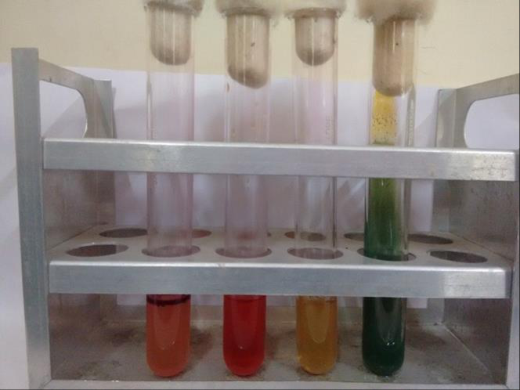 Figure 2
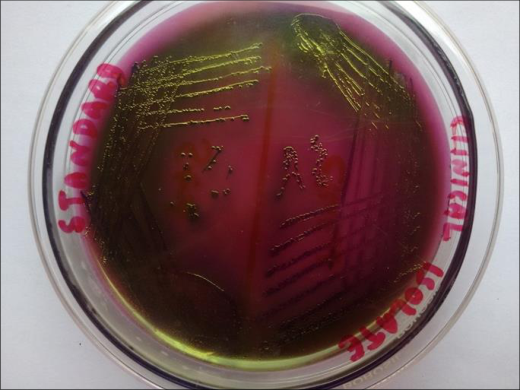 Figure 1
 Table 1
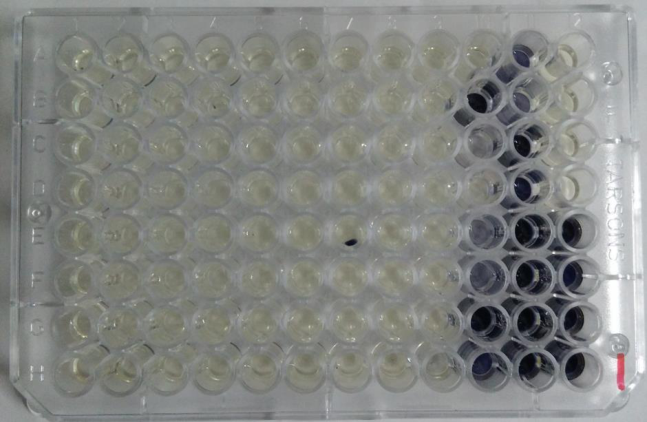 Figure 4
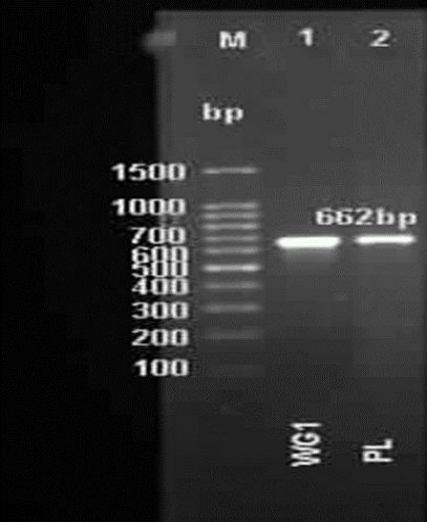 Figure 3
Introduction
Mastitis is one of the major health problem in livestock which causes productive and economic loss to the dairy farmers. The common bacteria responsible for the production of subclinical mastitis are Staphylococcus. aureus, Streptococus sps and E. coli. Among the different types of subclinical mastitis. Coliform mastitis is the common one, as the organism is ubiquitos. The commonly used antibiotic in the treatment of coliform mastitis is ciprofloxacin, a fluoro quinolone antibiotic. Even though specific antimicrobial agents are available for the organism, the success rate in the treatment of coliform mastitis is low. The development of resistance is one which may hinder the activity of antimicrobial agent in producing its pharmacological effect. It is documented that oxidative damage plays a role in the pathophysiology of mastitis which makes the usage of antioxidants in the treatment of mastitis. In addition to the regular antibiotic usage, the antioxidants like vitamin A, Vitamin E, Selenium, Vitamin C are also being used in the treatment of mastitis (Feng Li Yang and Xiao Shan Li, 2015) [5] . Recent development in the treatment of microbial infections includes use of antioxidants along with antibiotics. Ascorbic acid is commonly available antioxidant which posseses various pharmacological activities. The isolates (Pseudomonas aureginosa) P22 andP24 showed MICs of tetracycline (TC) less than the breakpoint of 16 μg mL (NCCLS 2000) [7] . When given in combination with ascorbic acid the MIC of tetracycline was reduced to 25% MIC. (Luciana Cursino; et al 2005) [6] . It was also reported intramuscular administration of l-ascorbic acid in adjunct with intramammary infusion of ampicillin and cloxacillin enhanced the rate of recovery from mastitis (Rakesh Ranjan et al., 2005) [9] .
Studies conducted in the 1970s reported that megadoses of ascorbic acid in combination with antimicrobials inhibited P. aeruginosa growth (Rawal et al., 1974) [10] . Some of the studies on ascorbic acid reported the synergistic interaction with antibiotics in acute bacterial diseases, and considerably broadened the activity spectrum of the antibiotics (Cathcart, 1991) [4] . More recently, high doses of ascorbic acid incombination with antibiotics were shown to inhibit the growth of Helicobacter pylori in vitro as well as in vivo (Zhang et al., 1997; Tabak et al., 2003) [15,13] . The βlactamase activity in Enterobacter cloacae decreased when the bacterium was grown in the presence of ascorbic acid (Shoeb et al., 1995) [12] . Ascorbic acid shows synergistic interaction with ampicillin against Staphylococcus aureus (Akhilandeswari, 2013). Based on the above reported results on ascorbic acid, it is revealed that ascorbic acid has an ability to potentiate the antibacterial activity of antibiotics. Some of the studies on drug interaction with ascorbic acid reveals that the ascorbic acid reduced the antibacterial activity. Heatley's method revealed that in the presence of ascorbic acid the antibacterial efficacy of substances was reduced from 9.6 to 40.7% and 10.1 to 45.1% in Staphylococcus aureus and Escherichia coli, respectively. It has been reported that the rate of survival of bacteria in the presence of ofloxacin as well as tetracycline with ascorbic acid produced a statistically significant increase in log10 of CFU/ml in S. aureus as well as E. coli. (Belicová A et al, 2000). This has prompted us to study the effect of ascorbic acid on E. coli in the presence of Ciprofloxacin with an aim to determine the pharmacodynamic interaction. In this study we determined the ascorbic acid effect on antibacterial activity of Ciprofloxacin against E. coli isolated from mastitis milk sample.
Materials and Methods
Drugs and Chemicals: Ciprofloxacin (1mg,ml), ascorbic acid (0.1mg/ml), Dimethyl sulphoxide (DMSO), Mueller Hilton broth (MHB), Mueller Hilton Agar(MHA), Tryptic Soya broth(TSB)
Isolation of the organism: The milk samples were collected from buffaloes with subclinical mastitis. Each sample was enriched in tryptic soya broth and incubated at 37 0 C for 24 hours. Each inoculum was streaked on Mac Conkey Agar, a differential media and pink colored colonies appeared after incubation at 37 0 C for 24 hours. A single colony was then picked and streaked on Nutrient agar slant. The cultural characteristics of isolates were confirmed by streaking the pure culture on Eosin Methylene Blue Agar (EMB). The EMB agar showed greenish metallic sheen with black centered colonies. [2] with suitable modifications The DNA template isolated was confirmed with primers Eco 2083 GCT TGA CAC TCA ACA TTG AG AND Eco 2745 GCA CTT ATC TCT TCC GCA TT (Riffon et al, 2001) [11] .
Results
Ciprofloxacin at the dose rate of 10µg/ml showed the MIC 0.03 µg/ml. MIC values of Ciprofloxacin with as ascorbic acid in the ratios of 80:20, 60:40 and 40:60 were 0.015µg/ml,0.01 µg/ml and 0.015 µg/ml respectively. Ciprofloxacin has shown 0.03 µg/ml as MIC against clinical isolates of E. coli whereas MIC were lowered to 0.015 and 0.01 µg/mlwhen it was combined with ascorbic acid in the ratios of 80: 20, 60: 40 and 40: 60 concentrations
Discussion
Ciprofloxacillin, one of the widely used quinolone group of antibiotics prescribed for infections due to E. coli. It produces its antibacterial activity by inhibiting the DNA synthesis and cell division (Vila, 2005. Increased rate of application of ciprofloxacin has resulted in its resistance to E. coli and resistance to one generation of fluoroquinolone may also confer resistance to other quinolones. Recent trend of using combination of antibiotics with natural compounds may have the possibility of overcoming the resistance developed by the bacteria to antibiotics. In this study we used the combination of ascorbic acid with ciprofloxacin to study the drug interaction. Ascorbic acid or Vitamin C have several pharmacological effects such as anti-oxidant, anti-bacterial, anti-viral, food preservative etc. In addition to its antioxidant with nature, it also exhibits a pro-oxidant effect which generates reactive free radicals and induces cytotoxicity. (Putchala MC et al, 2013) [8] . In the present study the MIC values of ciprofloxacin and ascorbic acid were measured alone and in combination at different levels. The MIC of ciprofloxacin alone is 0.015 µg/ml. The combination of ciprofloxacin with ascorbic acid in 80: 20 showed MIC of 0.015µg/ml. The combination of ciprofloxacin with ascorbic acid in 40:60 showed MIC of 0.015µg/ml the combination of ascorbic acid along with ciprofloxacin maintained the same levels of MIC even after 2 fold dilution of the ciprofloxacin. The ascorbic acid as such doesn't show any antibacterial activity against E. coli. The antibacterial activity of Ciprofloxacin is maintained even at low concentration in the presence of ascorbic acid. Based on the above results it is concluded that the sensitivity of ciprofloxacin against E. coli has enhanced in the presence of ascorbic acid which may be due to its prooxidant activity or by altering the membrane permeability. The ascorbic acid may increase the diffusion of the drug in to the bacteria ther by increasing the intacellular concentration. So that the ciprofloxacin antibacterial activity is maintained even at reduced dosages.
Conclusion
The results of the present study indicates the positive interaction between ascorbic acid and ciprofloxacin. After thorough investigation on the exact mechanism of action of ascorbic acid on E. coli along with ciprofloxacin it can be used for therapeutic application. As the combination will reduce the quantum of ciprofloxacin has to be administered as per the dosage regimen and it may reduce the side effects as well as development of resistance.
Acknowledgement
AcknowledgementsWe are very much thankful for the timely guidance and support given by Dr. P. Anand kumar, Professor &Head, Dept of Veterinary Microbiology, College of Veterinary Science, Proddatur and Dr. G. Srinivasa rao, Professor and Head Department of Veterinary Pharmacology and Toxicology, N.T.R College of Veterinary Science, Gannavaram and Dr. Ramanipushpa, Head Dept of Veterinary Microbiology, N.T.R College of Veterinary Science, Gannavaram.
Figures and tables from the paper
References
15 in the original paper- Akilandeswari Krishnan, Estimation of Anti-Microbial Activity of Ascorbic Acid in Superoxide Dismutase Level in Microbial Culture with Amino Penicillin -Ampicillin Int. J. Pharm. Sci. Rev. Res. 2013; 20(2)29:167-169.
- Aravindakshan TV, Nainar AM, Nachimuthu K. High salt method: A simple and rapid procedure for isolation of genomic DNAfrom buffalo white blood cells.Indian Tournal of Experimental Biology. 1977; 35(8):903-5.
- Belicova A, Dobias J, Ebringer L, Krajcovic J. The effect of ascorbic acid on the antibacterial activity of selected antibiotic and synthetic chemotherapeutic agents in invitro. Ceska Slov Farm. 2000; 49(3):134-8.
- Cathcart RF. A unique function for ascorbate. Med. Hypoth. 1991; 35:32-37.
- Feng Li Yang, Xia Shan Li, Role of antioxidants and trace elements in mastitis in dairy cows. J Adv. vet. Anim. Res, 2015; 2(1):1-9.
- Luciana Cursino, Edmar Chartone-Souza, and Andréa Maria Amaral Nascimento, Synergic Interaction between Ascorbic Acid and Antibiotics against Pseudomonas aeruginosa. Brazilian Archives of Biology and Technology. 2005; 48(3):379-38.
- NCCLS. National Committee for Clinical Laboratory Standards, Approved standard M7-A5. Methods for dilution antimicrobial susceptibility tests for bacteria that grow aerobically. 5. ed. NCCLS, Wayne, Pa, 2000.
- Putchala MC, Ramani P, Sherlin HJ, Premkumar P, Natesan A. Ascorbic acid and its pro-oxidant activity as a therapy for tumours of oral cavity --a systematic review. Arch Oral Biol. 2013; 58(6):563-74.
- Rakesh Ranjan, Swarup D, Naresh RAM, RC. Ameliorative potential of l-ascorbic acid in Bovine clinical mastitis. The Indian Journal of Animal Sciences. 2005; 75(2).
- Rawal BD, McKay G. Blackhall MI. Inhibition of Pseudomonas aeruginosa by ascorbic acid acting singly and in combination with antimicrobials: in-vitro and invivo studies. Med. J Aust. 1974; 1:169-174.
- Riffon R, Sayasaith K, Khalil H, Dubreuil P, Drolet M. Lagacé J. Development of a rapid and sensitive test for identification of major pathogens in bovine mastitis by PCR. J Clin. Microbiol. 2001; 39(7):2584-2589.
- Shoeb HA, Al-Shova HA, Abdel-Salam HA. Ascorbate as an induction inhibition of Betalactamase in a strain of Enterobacteraceae, Letters in applied microbiology. 1995; 21(6).
- Tabak M, Armon R, Rosenblat G, Stermer E, Neeman I. Diverse effects of ascorbic acid and palmitoyl ascorbate on Helicobacter pylori survival and growth. FEMS Microbiol Lett. 2003; 224:247-253.
- Vila J. Fluoroquinolone resistance. In: White DG, Alekshun MN, McDermott PF, editors. ASM Press, 2005, 52-41.
- Zhang HM, Wakisaka NO. Maeda Yamamoto T. Vitamin C inhibits the growth of a bacterial risk factor for gastric carcinoma: Helicobacter pylori. Cancer. 1997; 80:1897903.
Cited by 4
From OpenAlex, OpenCitations and reference lists read by Scinovex
- The promising anti-virulence activity of candesartan, domperidone, and miconazole on Staphylococcus aureus ↗
Amira M. El-Ganiny, Amany I. Gad, Mona A. El-Sayed, Moataz Ahmed Shaldam, Hisham A. Abbas · Brazilian Journal of Microbiology · 2021
❝ 22PDF - In Vitro and In Silico Analysis of Ascorbic Acid Towards Lanosterol 14-α-Demethylase Enzyme of Fluconazole-Resistant Candida albicans ↗
Arumugam Ganeshkumar, Suvaiyarasan Suvaithenamudhan, Rajendran Rajaram · Current Microbiology · 2020
❝ 17 - Ascorbic acid inhibitory activity on resistant strains of Enterobacter spp.: in vitro study ↗
Sara Mohamed, Yasmine M. Saied · Current Research in Pharmaceutical Sciences · 2019
Enterobacter species, members of Enterobacteriaceae family that belong to the ESKAPE group, were expressed as the principal rise of nosocomial resistant infections. This study was aimed to test the antibacterial activity of ascorbic acid on Enterobacterclinical strains. Four Enterobacter strains were collected and identified by both biochemical and MALDI-TOF methods. Antibiotic susceptibility testing of commercially available antibiotics was performed using…
❝ 3PDF - Evaluation of Synergistic Antimicrobial Effect of Ascorbic Acid with Antibiotics Against E. coli O157 In Vitro ↗
Tabark F Ahmed, Nibras Zeyad Yahya · Advances in Animal and Veterinary Sciences · 2023
The present study was carried out to study the interaction between ascorbic acid and two antibiotic (ciprofloxacin and erythromycin) in-vitro and the in vitro.The research was included two experiments.The first one was to isolate and identify E. coli O157; E. coli sample was taken from a hospital, the sample was cultured on MacConkey agar, Sorbitol MacConkey agar, chrome agar, eosin…
❝ 2PDF